
The seemingly simple question, “What is the color of oil?”, opens a complex and fascinating window into the world of technology, material science, and industrial diagnostics. Far from a single answer, the color of oil is a dynamic spectrum, a nuanced indicator of its composition, origin, purity, and most importantly, its operational health within various technological systems. In modern industry, understanding and meticulously monitoring oil color transcends mere observation; it is a critical practice driven by advanced technologies, impacting everything from predictive maintenance to product quality and environmental compliance.
Beyond the Spectrum: Oil Color as a Technical Diagnostic Indicator
The inherent color of oil provides fundamental information, but its changes over time are often the most valuable diagnostic signals. Different types of oil exhibit distinct base colors, which then evolve based on use, contamination, and degradation. Technologies are increasingly deployed to track these subtle shifts, providing insights that human eyes might miss.
The Spectrum of Crude: From Golden to Opaque Black
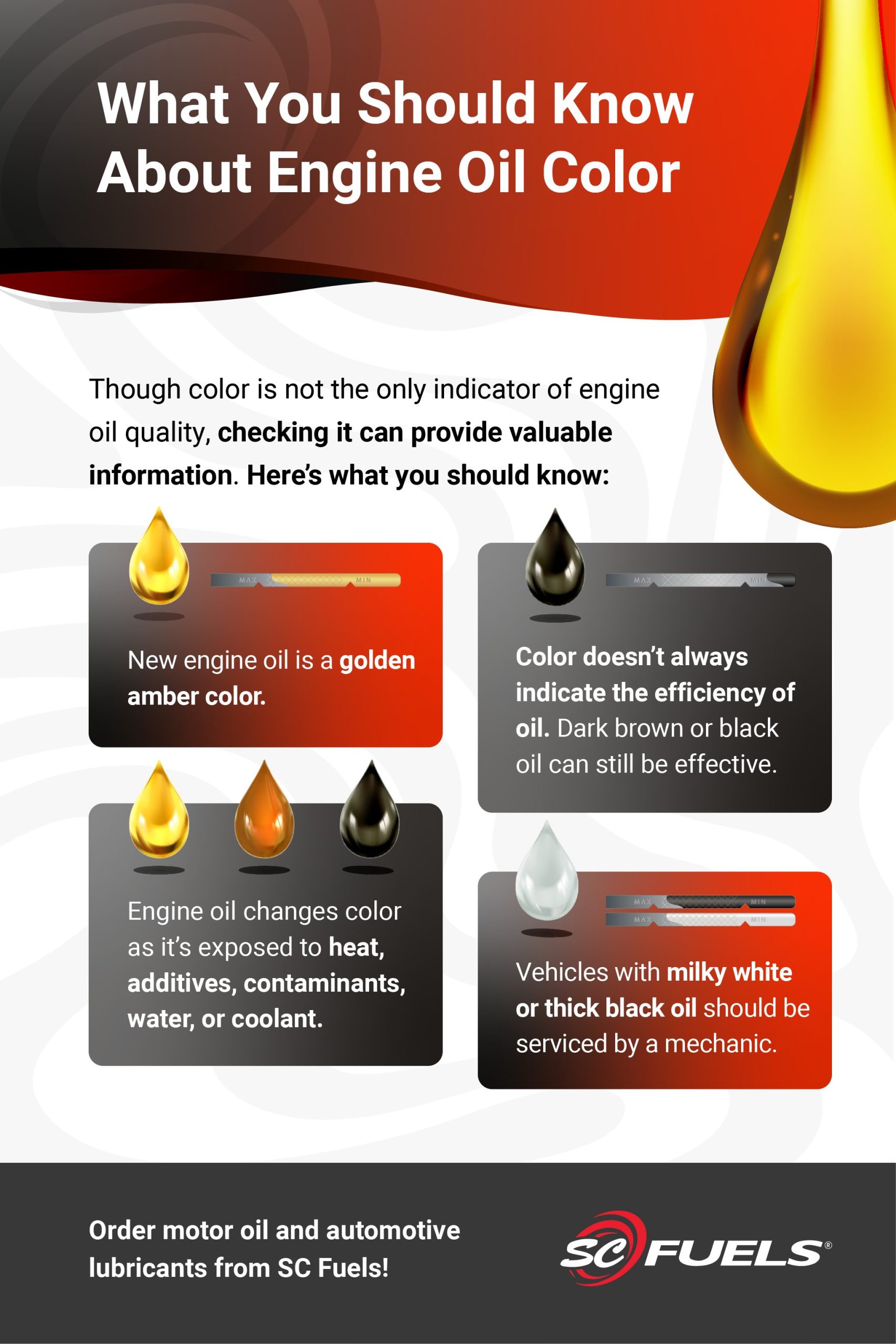
Crude oil, the raw material, presents a vast palette. Light, sweet crudes often appear yellowish or light brown, indicative of lower sulfur content and lighter molecular structures, making them easier and cheaper to refine into high-demand products like gasoline. Conversely, heavy, sour crudes can range from dark brown to virtually black, signaling higher concentrations of sulfur, metals, and heavier hydrocarbons. The color of crude oil, though not the sole determinant, correlates strongly with its API gravity, viscosity, and chemical composition, all of which dictate refining processes, required technologies, and ultimately, market value. Advanced spectroscopic techniques are used at refineries to quickly characterize crude inputs based on their optical properties, informing the initial stages of processing.
Lubricant Lifeline: Interpreting Color Changes in Machinery
Perhaps nowhere is oil color more critical than in lubrication technology. Engine oils, hydraulic fluids, gear oils, and transformer oils all have an initial characteristic color. However, as these oils operate within complex machinery, their color can change dramatically, serving as a vital early warning system for potential equipment failure or contamination.
- Darkening: A common observation, darkening can indicate oxidation (the oil breaking down due to heat and air), thermal degradation, or the accumulation of soot and wear particles. In an internal combustion engine, a slightly darkened oil might be normal after some operating hours due to soot dispersal, but excessive or rapid blackening could signal combustion issues, excessive blow-by, or a need for an oil change. In hydraulic systems, darkening often points to overheating or oxidative breakdown of additives.
- Milky or Cloudy Appearance: This is a clear sign of water contamination. Water ingress can lead to rust, reduced lubricity, and the formation of acids, severely compromising machinery integrity.
- Greenish Tinge: Can indicate contamination with copper or bronze wear metals, suggesting excessive wear in bearings or other components.
- Reddish/Rusty Hues: Often points to iron contamination or severe oxidation leading to rust particles.
- Unusual Brightness or Opacity: Might indicate fuel dilution, coolant leaks (especially if it looks like a “milkshake”), or additive depletion, all of which demand immediate attention to prevent catastrophic failure.
Modern condition monitoring programs rely heavily on automated oil analysis, where sophisticated sensors and laboratory techniques precisely measure not just the color, but also its spectral components, alongside other parameters like viscosity, acidity, and particle count, to build a holistic picture of the oil’s health and the machinery it protects.
Specialty Oils: Color as a Purity and Performance Marker
Beyond crude and conventional lubricants, many specialty oils utilize color as an intrinsic indicator of purity, processing, or performance. Dielectric oils in transformers, for instance, are typically clear or very light amber. A darkening or cloudiness here can signal electrical insulation breakdown or contamination, which could lead to critical transformer failure. Similarly, cutting fluids and process oils in manufacturing often maintain a specific color range; deviations can indicate microbial growth, contamination with other fluids, or the breakdown of crucial additives, impacting machining quality and tool life. In these applications, maintaining the correct color isn’t just aesthetic; it’s fundamental to the oil’s functional integrity and the performance of the technologies it serves.
Precision in Perception: Leveraging Digital Tools for Color Analysis
While human visual inspection offers a preliminary assessment, its subjectivity and limitations are overcome by advanced technological solutions. Precision color analysis relies on instrumentation and computational power to quantify subtle shifts, enabling proactive intervention and optimized system performance.
Spectrophotometry and Colorimeters: Quantifying the Unseen
Spectrophotometers and colorimeters are foundational tools in objective oil color analysis. These devices measure the light absorbed or reflected by the oil across the visible spectrum (and sometimes beyond), providing a quantitative “fingerprint” of its color.
- Spectrophotometers: Work by passing a beam of light through the oil sample and measuring how much light is absorbed at each wavelength. The resulting spectral curve can reveal the presence and concentration of various compounds, including contaminants, degradation products, and specific additives. For instance, increased absorption in certain wavelengths might indicate higher levels of oxidation byproducts or soot.
- Colorimeters: Often simpler, these devices measure color based on specific color models (like Lab* or RGB), comparing the oil sample against a known standard. They are excellent for tracking deviations from a baseline color, providing quick, repeatable measurements suitable for routine quality control or field diagnostics.
By converting subjective visual observations into objective numerical data, these technologies allow for trend analysis, statistical process control, and the establishment of precise intervention thresholds.
AI and Machine Vision: Automating Oil Quality Monitoring
The integration of Artificial Intelligence (AI) and machine vision systems represents the next frontier in oil color analysis. High-resolution cameras, coupled with sophisticated image processing algorithms, can continuously monitor oil color in real-time within operational systems or during laboratory analysis.
- Automated Anomaly Detection: AI models are trained on vast datasets of oil samples with known conditions (new, contaminated, degraded). They learn to recognize subtle color patterns and anomalies that correlate with specific issues like excessive wear particles, water ingress, or lubricant breakdown. This allows for instant alerts without human intervention.
- Predictive Maintenance: By integrating color data with other sensor inputs (temperature, pressure, vibration), AI can build comprehensive predictive models. For example, a gradual darkening trend combined with a slight increase in iron particle count could trigger a predictive maintenance alert for an engine before a critical failure occurs.
- Quality Control in Production: In manufacturing, machine vision systems ensure batch consistency, verifying that specialty oils meet strict color specifications before packaging, minimizing human error and maximizing throughput.

These intelligent systems move beyond simply identifying color changes to interpreting their significance, providing actionable insights for maintenance teams and process engineers.
Data-Driven Insights: Predictive Maintenance through Color Metrics
The true power of technological oil color analysis lies in its ability to generate vast amounts of data. This data, when properly collected, stored, and analyzed, fuels advanced predictive maintenance strategies. Instead of reacting to failures or adhering to rigid, time-based maintenance schedules, organizations can predict precisely when maintenance is needed, based on the actual condition of the oil and the machinery.
- Trend Analysis: Tracking color metrics over time allows engineers to identify accelerating degradation rates, pinpointing systems under stress.
- Baseline Comparison: Comparing operational oil color data against established baselines for new oil or healthy systems highlights deviations requiring investigation.
- Correlation with Other Parameters: Integrating color data with other condition monitoring parameters (vibration analysis, temperature, acoustic monitoring) creates a holistic view, enabling more accurate fault diagnosis.
This data-driven approach minimizes downtime, extends equipment lifespan, optimizes resource allocation, and significantly reduces operational costs, showcasing the profound technological impact of understanding the “color of oil.”
The Technological Imperatives: Why Oil Color Matters in Modern Systems
In an era defined by efficiency, precision, and sustainability, the meticulous analysis of oil color, powered by cutting-edge technology, is no longer a luxury but a fundamental requirement across numerous industries.
Optimizing Industrial Efficiency and Uptime
Every unscheduled shutdown in an industrial facility, from a power plant to a manufacturing line, translates directly to lost productivity and revenue. By using advanced oil color analysis to predict component failures, industries can schedule maintenance proactively, during planned downtime, thereby maximizing operational uptime. This preventative approach, guided by real-time data from sophisticated sensors and AI, ensures machinery runs optimally for longer periods, consuming less energy and operating more reliably.
Ensuring Product Quality and Compliance
In sectors where oil is either a product itself (e.g., lubricants, specialty chemicals) or a critical process component (e.g., food processing oils, pharmaceutical grade oils), consistent color is often a non-negotiable quality attribute. Technological monitoring of oil color ensures that products meet stringent industry standards and regulatory compliance. Any deviation in color can signal impurities, degradation, or processing errors, triggering immediate corrective action. This precision guarantees consumer safety, brand reputation, and adherence to global quality benchmarks.
Environmental Stewardship and Waste Reduction
The lifecycle of oil has significant environmental implications. By extending the useful life of lubricants and hydraulic fluids through intelligent condition monitoring—partially informed by color analysis—industries can reduce the frequency of oil changes, thereby decreasing waste oil generation. Furthermore, optimized engine performance, stemming from well-maintained lubricants (whose condition is partly tracked by color), can lead to better fuel efficiency and reduced emissions. Technologies that enable this extended use and optimized performance contribute directly to corporate sustainability goals and a reduced ecological footprint.
Future Frontiers: Innovating Oil Analysis Technologies
The evolution of oil color analysis is far from complete. The integration of emerging technologies promises even greater precision, accessibility, and predictive power.
Miniaturized Sensors and IoT Integration
The trend towards smaller, more robust sensors that can be embedded directly into machinery is accelerating. These miniaturized spectrophotometers or colorimeters, connected via the Internet of Things (IoT), can provide continuous, real-time color data from critical lubrication points. This eliminates the need for manual sampling and laboratory testing, offering immediate insights into oil health and triggering alerts remotely. Such pervasive sensing networks will empower truly predictive and prescriptive maintenance strategies, especially in remote or hazardous environments.
Advanced Algorithms for Anomaly Detection
As AI and machine learning mature, so too will their application in oil analysis. Future algorithms will not only identify known degradation patterns but also detect novel anomalies or combinations of conditions that signify emergent problems. Leveraging deep learning, these systems will become even more adept at distinguishing between benign changes and critical indicators, reducing false positives and focusing human attention on genuine threats. The synergy of advanced sensing and intelligent algorithms will transform oil color from a simple visual cue into a powerful, automated diagnostic tool at the heart of industrial resilience.
In conclusion, the question “What is the color of oil?” is a gateway to understanding complex technological systems. Its answer is never static, but a dynamic, data-rich indicator that, when precisely monitored and interpreted by modern technology, unlocks unparalleled efficiencies, ensures product quality, and champions environmental responsibility across the industrial landscape.
aViewFromTheCave is a participant in the Amazon Services LLC Associates Program, an affiliate advertising program designed to provide a means for sites to earn advertising fees by advertising and linking to Amazon.com. Amazon, the Amazon logo, AmazonSupply, and the AmazonSupply logo are trademarks of Amazon.com, Inc. or its affiliates. As an Amazon Associate we earn affiliate commissions from qualifying purchases.