
The Nuance of Greige: A Strategic Blend for Brand Identity
At its essence, greige is a sophisticated hybrid, a masterful blend of grey and beige. It transcends the individual characteristics of its parent colors to offer a unique spectrum that has become a cornerstone in contemporary design and branding. Unlike the stark neutrality of pure grey or the sometimes overwhelming warmth of beige, greige strikes a delicate balance, presenting itself as a chameleon capable of adapting to various design contexts while maintaining an air of understated elegance. Its definition is not monolithic; greige exists on a continuum, leaning warmer when beige undertones are more pronounced, or cooler when the grey element takes precedence. This inherent versatility makes it a powerful tool for brands seeking a nuanced visual identity.
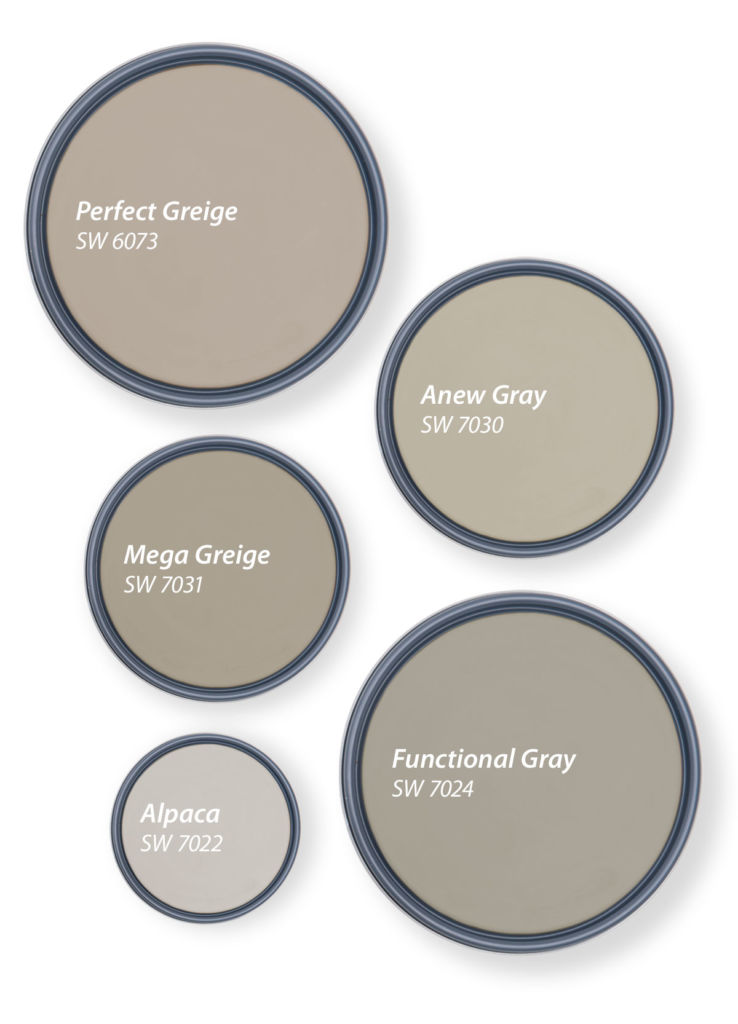
Defining Greige in the Design Lexicon
To understand greige, one must appreciate its fluidity. It’s not a single hue but a family of colors, each with subtle variations that significantly impact its application. A greige with dominant beige notes might evoke comfort, warmth, and an organic feel, aligning well with brands in the wellness, home furnishings, or sustainable product sectors. Conversely, a greige with a stronger grey presence communicates modernity, sophistication, and a more structured aesthetic, often favored by luxury brands, tech innovators, or financial institutions aiming for a sleek, trustworthy image. Furthermore, nuanced undertones of green, purple, or even pink can be detected within different greige iterations, adding another layer of complexity and allowing designers to fine-tune the emotional response a brand elicits. This rich spectrum enables precise selection, ensuring the chosen greige perfectly mirrors the brand’s personality and values.
Psychological Resonance in Branding
The psychological impact of greige is profound and largely contributes to its popularity in branding. By harmonizing the stability and formality of grey with the comfort and approachability of beige, greige projects a sense of balance and calm. It is perceived as mature, sophisticated, and dependable, without being stuffy or uninviting. This neutrality is a significant asset, as it allows other elements of a brand’s visual identity—such as vibrant accent colors, bold typography, or compelling imagery—to take center stage, while greige provides a grounding, elegant backdrop. Brands leveraging greige often aim to convey timelessness and modernity simultaneously, positioning themselves as forward-thinking yet enduring. It suggests an assurance of quality and a refined taste that appeals to discerning audiences, making it a strategic choice for brands that wish to communicate understated luxury, professionalism, and quiet confidence.
Greige in Corporate Identity and Marketing Design
The application of greige in corporate identity and marketing design is a testament to its multifaceted utility. Beyond simply being a color, greige acts as a strategic component that underpins a brand’s visual narrative, influencing everything from perceived value to emotional connection. Its ability to serve as a sophisticated foundation allows brands to build a cohesive and impactful visual language across all touchpoints, from digital interfaces to physical environments.
Crafting a Sophisticated Brand Image
For corporate identity, greige offers a distinct advantage in crafting an image of sophisticated professionalism. In logo design, a greige palette can convey understated luxury and authority, moving away from more common black or navy without sacrificing gravitas. When incorporated into brand guidelines, greige ensures a consistent, high-end aesthetic across all branded materials. For instance, in website design, greige elements – be it for backgrounds, navigation menus, or textual elements – create a clean, uncluttered user interface that guides the user’s eye and highlights key information or product visuals. This approach communicates a premium experience, enhances readability, and fosters a perception of meticulous attention to detail. Similarly, in marketing collateral such as brochures, presentations, and social media graphics, greige provides an elegant canvas that elevates content, lending credibility and a polished finish. It allows vibrant product photography or compelling infographics to pop, ensuring that the brand’s message is delivered with clarity and an inherent sense of quality.
Enhancing Product Presentation
Greige’s role extends significantly into product presentation, where it can profoundly influence consumer perception. In packaging, greige signals quality, minimalism, and often, sustainability. Brands offering high-end skincare, gourmet foods, or artisan crafts frequently use greige packaging to communicate natural ingredients, handcrafted care, or an eco-conscious philosophy. This choice subtly cues a discerning consumer that the product inside is refined and thoughtfully produced. In retail spaces and showrooms, greige walls, fixtures, and flooring create an inviting yet upscale atmosphere. This neutral backdrop allows products to be the focal point, enhancing their visual appeal and perceived value. It also contributes to a calm shopping experience, encouraging longer dwell times. For actual product design, particularly in industries like furniture, appliances, or fashion, greige embodies versatility and timelessness. A greige sofa, a greige kitchen appliance, or a greige garment offers a blend of practicality and elegance that appeals to consumers seeking durable, stylish pieces that transcend fleeting trends. By leveraging greige, brands can strategically position their products as investments in quality and lasting style.
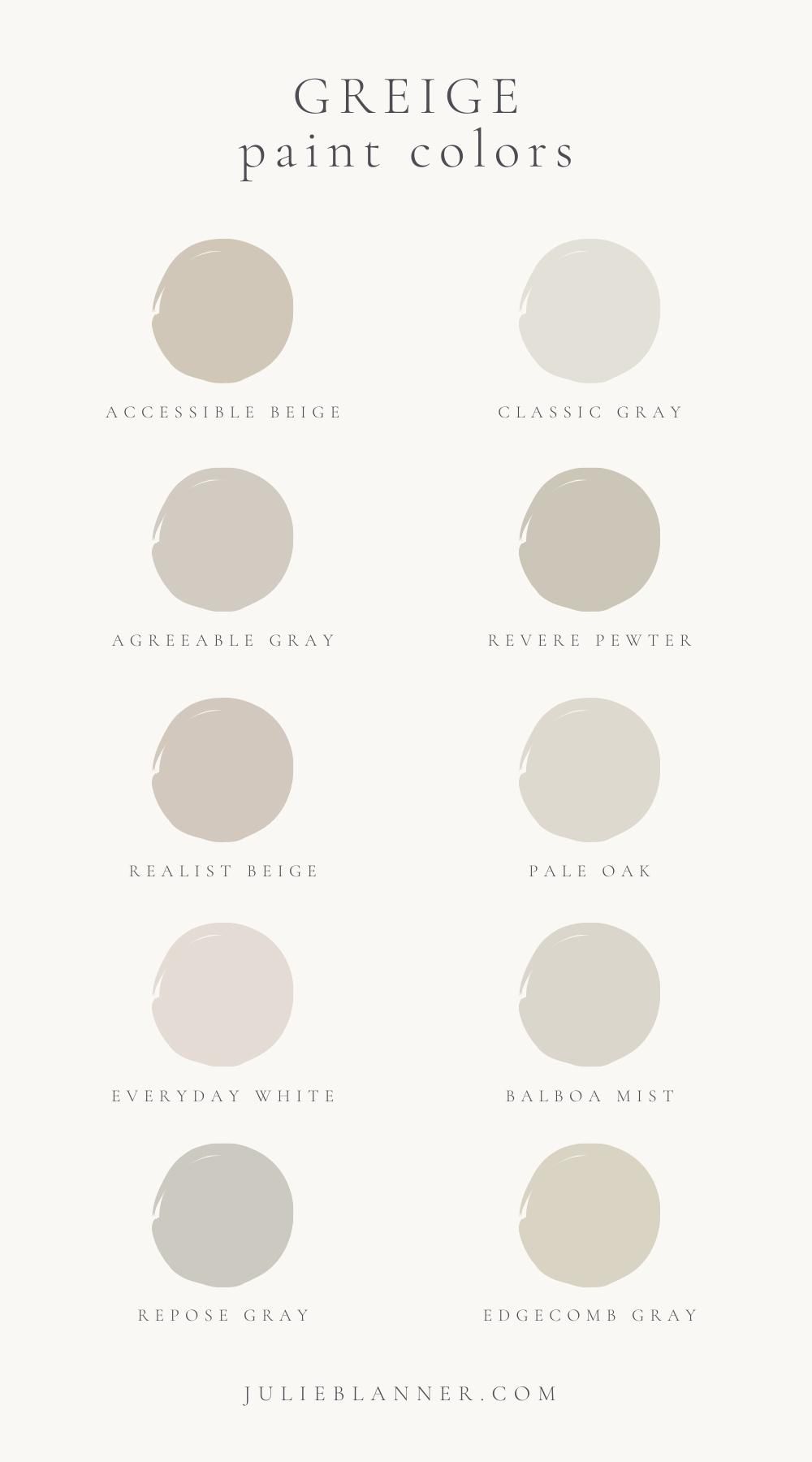
The Versatility and Timelessness of Greige as a Brand Asset
One of greige’s most compelling attributes as a brand asset is its unparalleled versatility and enduring appeal. In a rapidly evolving market saturated with visual stimuli and fleeting trends, greige provides a steadfast anchor, offering brands a foundation that remains relevant and sophisticated over time. This makes it an invaluable strategic choice for long-term brand building.
Longevity in Design Trends
Unlike many colors that cycle through periods of popularity and obsolescence, greige possesses an inherent timelessness. It is neither overtly fashionable nor aggressively traditional, allowing it to transcend temporary design fads. This characteristic is crucial for brands aiming for sustained recognition and value. By integrating greige into their core identity, businesses can establish a visual language that remains fresh and contemporary for years, significantly reducing the need for costly and frequent brand overhauls. This longevity translates into a consistent brand experience for consumers, fostering trust and recognition. It enables brands to evolve their messaging and product lines without losing their foundational visual identity, proving particularly beneficial for companies seeking to grow and adapt while maintaining a strong, recognizable presence in the market. Greige’s adaptability also means it can seamlessly bridge different eras of design, allowing brands with a rich heritage to feel modern and new brands to convey established credibility.
Complementary Palette Strategies
Greige’s neutral yet nuanced nature makes it an exceptional complementary color. It acts as the perfect canvas, enhancing rather than competing with other colors and textures. This adaptability offers immense flexibility in developing a brand’s extended color palette. For instance, pairing greige with vibrant accent colors—such as a rich emerald, a deep sapphire, or a bold coral—creates a dynamic yet balanced visual. The greige grounds the brighter hues, allowing them to truly pop and convey energy or specific brand messages, without overwhelming the viewer. This strategy is particularly effective for brands that want to communicate both sophistication and vibrancy.
Furthermore, greige harmonizes beautifully with a wide array of materials and textures. It can elevate the warmth of natural wood, complement the cool sheen of metallic finishes like brushed brass or chrome, and provide a sophisticated backdrop for luxurious fabrics such as velvet, linen, or wool. In interior design for retail spaces or corporate offices, greige walls might be paired with natural stone countertops, leather furniture, or sheer window treatments, creating an inviting and premium environment. This ability to integrate seamlessly with diverse elements allows brands to craft rich, tactile experiences that resonate deeply with their target audience, further solidifying their brand identity as refined and thoughtful.
Strategic Implementation: When and How to Leverage Greige
While greige offers undeniable advantages, its strategic implementation requires careful consideration to maximize its impact and ensure it effectively communicates a brand’s unique message. The decision to incorporate greige should be rooted in a deep understanding of the brand’s values, target audience, and desired market positioning.
Ideal Industries and Brand Personalities
Greige finds its most powerful application in industries and for brand personalities that prioritize sophistication, trust, modernity, and understated luxury. High-end luxury goods, particularly in fashion, automotive, and home decor, frequently leverage greige to signal exclusivity and refined taste. In the financial and real estate sectors, greige conveys stability, professionalism, and reliability, essential attributes for building client confidence. Wellness and hospitality brands often adopt greige to evoke calm, tranquility, and a premium experience. Even in technology, particularly for minimalist designs or software interfaces, greige can communicate innovation and user-friendliness without visual clutter. Brands that aspire to be perceived as elegant, reliable, cutting-edge yet timeless, and quietly confident are prime candidates for integrating greige into their visual identity. It’s a color that speaks volumes without shouting, appealing to a discerning clientele that values substance and thoughtful design.

Avoiding Blandness: Ensuring Brand Distinction
Despite its many virtues, the neutrality of greige can, if not handled skillfully, lead to an impression of blandness or lack of character. The key to successful greige implementation lies in deliberate design choices that infuse the brand with distinction. One critical aspect is selecting the right variation of greige. As discussed, greige exists on a spectrum, from warmer, more beige-dominant tones to cooler, more grey-dominant ones, each with unique undertones. A brand must choose the greige that most accurately reflects its specific personality—a warm greige for a comforting, approachable brand versus a cool greige for a sleek, precision-focused one.
Furthermore, distinction is often achieved through contrast and texture. Pairing greige with strategic accent colors that align with the brand’s secondary personality traits can inject vibrancy and dynamism. For instance, a luxury brand using greige might introduce deep jewel tones for specific call-to-actions or feature elements, while a wellness brand might opt for soft pastels. Incorporating diverse textures, such as natural wood, brushed metals, or tactile fabrics, alongside greige elements, can add depth and sensory richness, preventing a flat aesthetic. Strong, carefully chosen typography also plays a vital role in defining the brand’s voice and character against a greige backdrop. Finally, compelling imagery, whether photography or illustration, is paramount. Images that are rich in emotion, concept, or visual interest will stand out against greige, becoming the focal point and ensuring the brand’s message is delivered with clarity and impact. The goal is to leverage greige as an elegant foundation upon which a unique and memorable brand story can be told, rather than allowing it to be the entirety of the narrative.
aViewFromTheCave is a participant in the Amazon Services LLC Associates Program, an affiliate advertising program designed to provide a means for sites to earn advertising fees by advertising and linking to Amazon.com. Amazon, the Amazon logo, AmazonSupply, and the AmazonSupply logo are trademarks of Amazon.com, Inc. or its affiliates. As an Amazon Associate we earn affiliate commissions from qualifying purchases.