
Understanding Star Topology: A Core Network Architecture
The star topology stands as one of the most fundamental and widely implemented network architectures in modern computing environments. At its core, a star network connects all individual network devices (nodes) to a single, central device, often referred to as a hub, switch, or central server. This central connection point acts as the conduit for all data traffic, relaying information between any two nodes on the network. Unlike linear bus or ring topologies where data traverses sequentially through multiple devices, the star configuration provides a direct, dedicated link from each endpoint to the central hub. This design inherently offers distinct advantages in terms of management, performance, and resilience, making it a preferred choice for a vast array of network deployments, from small office setups to enterprise-level infrastructures. Its conceptual simplicity belies its powerful practical benefits, laying a robust foundation for efficient data communication and operational stability.
Key Advantages of the Star Topology
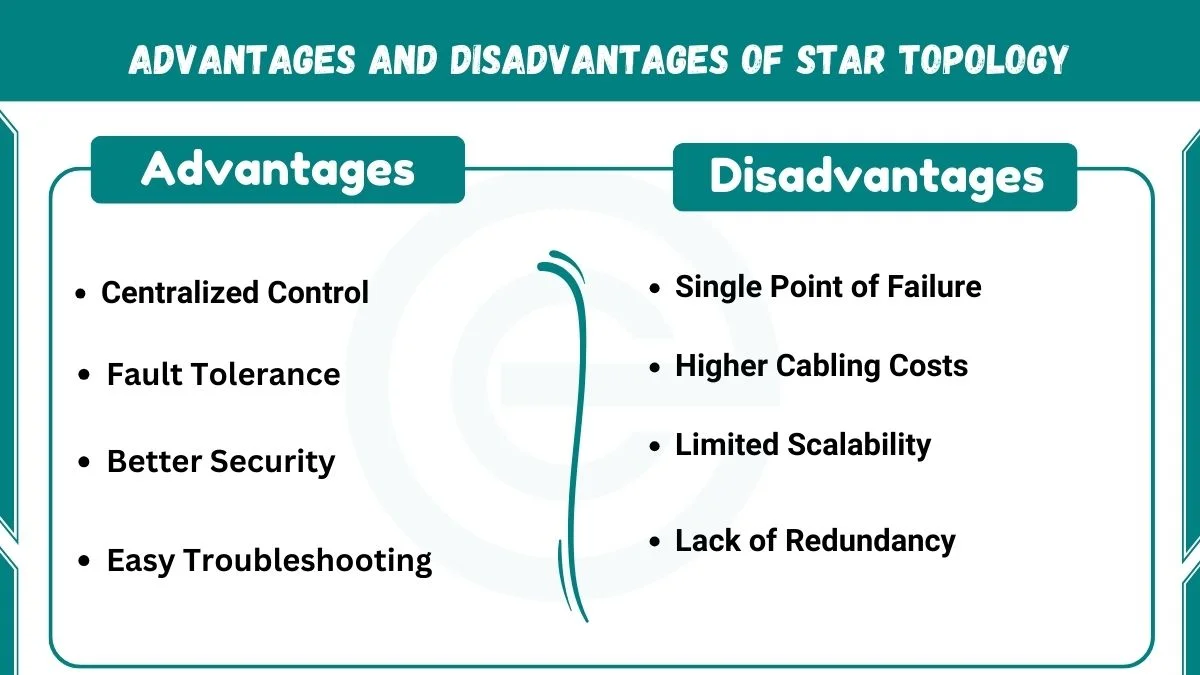
The architectural design of a star topology yields several significant benefits that contribute to its prevalence in diverse networking scenarios. These advantages primarily revolve around its inherent structure, which centralizes control and simplifies many aspects of network operation and maintenance.
Simplified Troubleshooting and Fault Isolation
One of the most compelling benefits of a star topology is its unparalleled ease of troubleshooting and fault isolation. Because each device connects independently to the central hub, a failure in one network cable or an individual workstation does not propagate across the entire network. If a single node goes offline, only that specific connection is affected, leaving the rest of the network fully operational. This isolation capability dramatically simplifies the process of identifying and resolving issues. Network administrators can quickly pinpoint the exact segment or device causing a problem without having to painstakingly examine the entire network path. Diagnostic tools can be applied to individual links, and faulty components can be isolated and replaced without disrupting services for other users. This direct fault identification minimizes downtime, enhances network availability, and streamlines maintenance efforts, saving valuable time and resources.
Enhanced Network Performance
Star topologies contribute significantly to enhanced network performance, particularly in environments with high data traffic or numerous connected devices. The central switch, which is the most common central device in modern star networks, facilitates direct communication paths between the source and destination nodes. Unlike a hub, which broadcasts data to all connected devices, a switch intelligently forwards data packets only to the intended recipient. This directed communication drastically reduces network congestion and collisions, especially in Ethernet networks. Each device essentially has a dedicated connection to the switch, allowing for full-duplex communication where data can be sent and received simultaneously. This results in higher effective bandwidth per device and more predictable latency, leading to faster data transfer rates and a more responsive user experience across the network.
Robustness and Resilience

The inherent robustness and resilience of a star topology make it a highly reliable choice for mission-critical applications. As previously mentioned, the failure of a single node or its connecting cable does not cripple the entire network. This localized impact is a major advantage over topologies like the bus, where a single break in the main cable can bring down the entire segment. In a star network, if one workstation encounters an issue, the central device and all other connected workstations continue to operate without interruption. This ensures continuous service for the majority of users, preventing widespread outages and maintaining operational continuity. While the central hub or switch represents a single point of failure for the entire network, this risk can be mitigated through the implementation of redundant central devices and power supplies, further enhancing the overall resilience of the architecture.
Ease of Expansion and Scalability
Expanding a star network is remarkably straightforward, offering excellent scalability for growing organizations. Adding a new workstation or network device simply requires running a new cable from the device to an available port on the central switch. This process is generally plug-and-play, with minimal disruption to the existing network infrastructure. There is no need to reconfigure or modify the entire network layout, as might be required in a bus or ring topology when adding or removing nodes. This ease of expansion allows businesses to scale their networks incrementally, accommodating new employees or equipment with minimal operational overhead. Furthermore, larger networks can be built by connecting multiple star networks together using backbone switches, creating a hierarchical star topology that scales efficiently across buildings or campuses.
Centralized Management
The centralized nature of a star topology facilitates efficient network management and control. All network traffic passes through the central hub or switch, providing a single point from which to monitor network activity, apply security policies, and manage connected devices. Network administrators can leverage the capabilities of the central switch to configure VLANs (Virtual Local Area Networks), prioritize traffic using Quality of Service (QoS) settings, and implement access control lists (ACLs). This centralized point of control simplifies the deployment of software updates, security patches, and network-wide configurations. Management tools often interface directly with the central device, providing a comprehensive overview of network health and performance. This streamlined management capability reduces administrative burden and allows for more proactive network maintenance and security enforcement.
Real-World Applications and Scenarios
Given its multitude of benefits, the star topology is ubiquitous across a wide range of real-world networking environments. It is the dominant architecture for wired Local Area Networks (LANs) in offices, schools, and homes. In a typical office setup, each desktop computer, printer, and server connects via an Ethernet cable to a central switch housed in a wiring closet. This design ensures that a problem with one workstation doesn’t affect others and simplifies IT support. Data centers also heavily utilize star topologies, often in a hierarchical star configuration, where rows of servers connect to top-of-rack switches, which then aggregate to core switches, providing high-bandwidth and resilient connections. Furthermore, the principles of star topology extend to wireless networks, where all wireless devices connect to a central access point (WAP), which acts as the hub, relaying traffic to the wired network. Its versatility and robust performance make it an ideal choice for any environment demanding reliability, ease of management, and scalability for client-server communication.
Considerations and Best Practices for Implementation
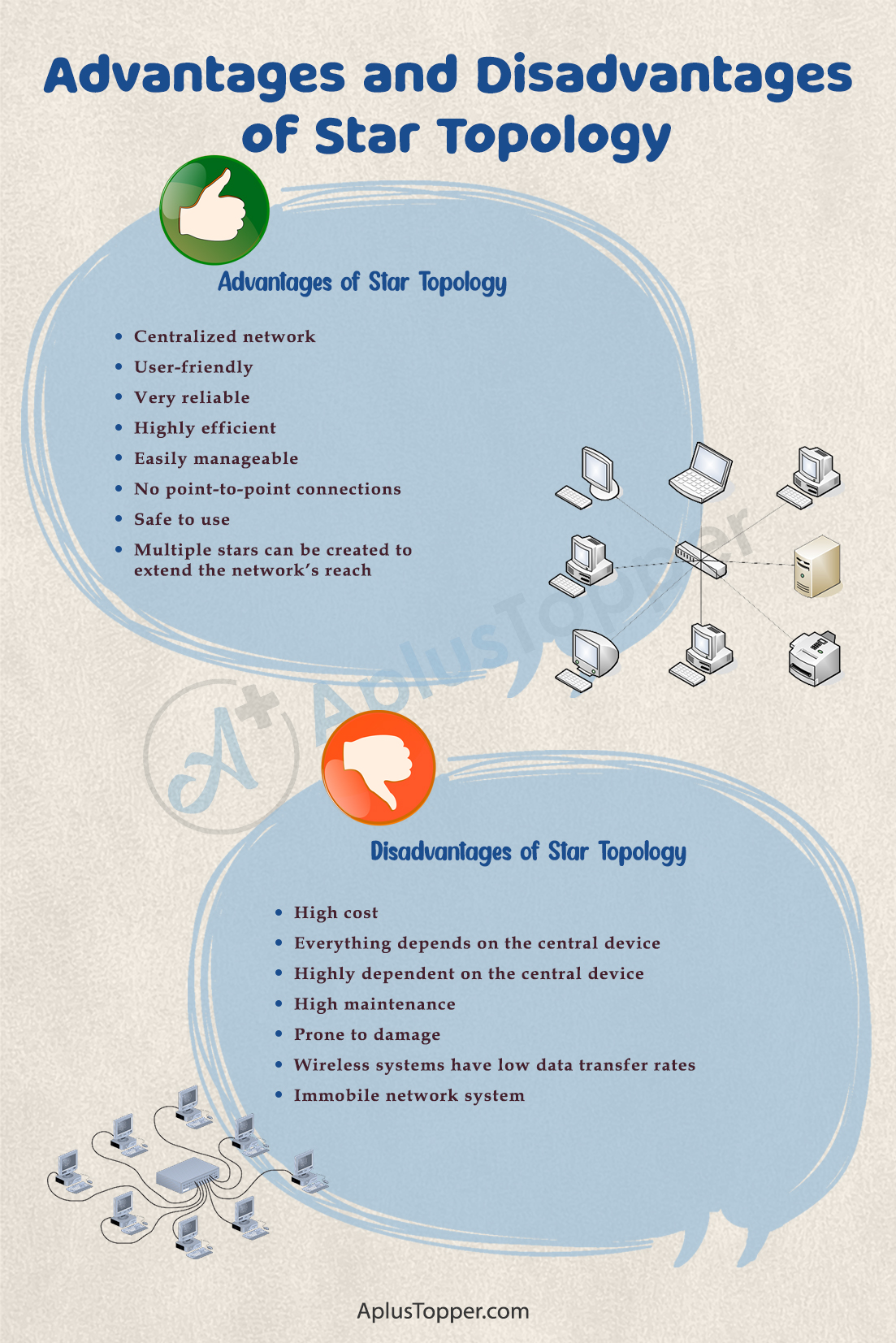
While offering significant advantages, successful implementation of a star topology also involves certain considerations and best practices to maximize its benefits and mitigate potential drawbacks. The primary consideration revolves around the central device: it represents a single point of failure for the entire network segment. If the central switch or hub malfunctions, all connected devices will lose network connectivity. Therefore, investing in high-quality, reliable networking equipment for the central device is paramount. Furthermore, implementing redundancy for critical networks, such as using stackable switches or redundant power supplies, can further enhance fault tolerance.
Proper cable management is also crucial. While individual cable failures are isolated, a disorganized wiring closet can hinder troubleshooting and expansion efforts. Labeling cables and ports clearly, and adhering to cabling standards (e.g., Cat5e, Cat6 for Ethernet), ensures optimal performance and maintainability. Network security also benefits from the centralized control, allowing for unified policy enforcement at the switch level, but it also means the central device itself must be robustly secured. Thoughtful planning, quality equipment, and meticulous management practices ensure that the star topology delivers its full potential in providing a stable, high-performing, and easily manageable network infrastructure.
aViewFromTheCave is a participant in the Amazon Services LLC Associates Program, an affiliate advertising program designed to provide a means for sites to earn advertising fees by advertising and linking to Amazon.com. Amazon, the Amazon logo, AmazonSupply, and the AmazonSupply logo are trademarks of Amazon.com, Inc. or its affiliates. As an Amazon Associate we earn affiliate commissions from qualifying purchases.