
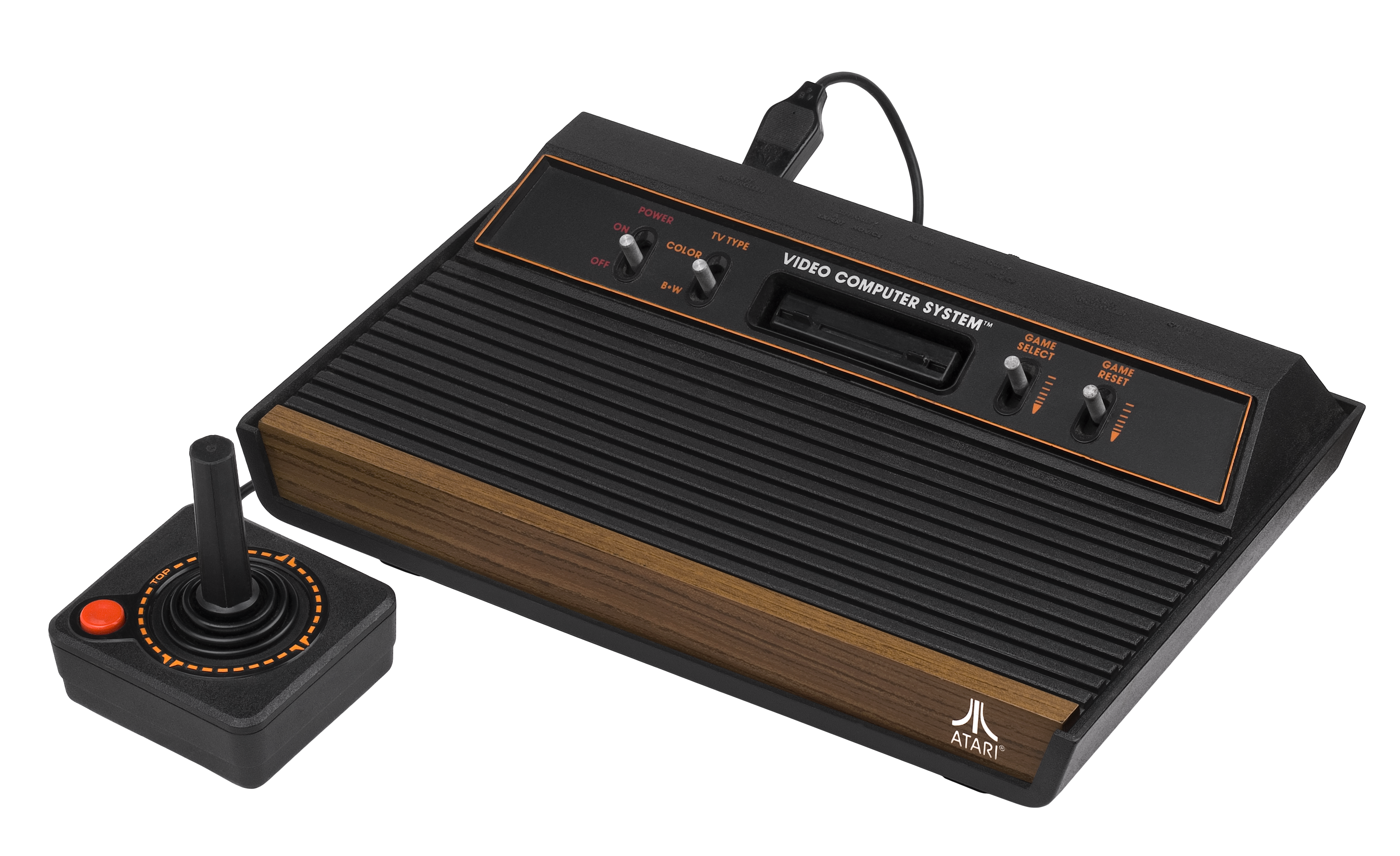
The “Atari Stage” in the context of drawing translation refers to a specific aesthetic and technical process in digital graphics, characterized by extreme simplification, limited color palettes, and a distinct pixelated appearance. Far more than mere nostalgia for early video games, this concept embodies a fundamental approach to visual data processing where complex imagery is reduced to its most essential, blocky components, mirroring the graphical capabilities of early digital systems like the Atari consoles. It’s a deliberate act of translating high-fidelity or analog drawings into a minimalist, low-resolution digital format, serving both artistic and technical purposes in the evolution and application of digital imagery.
Deconstructing the Atari Stage: A Visual Paradigm of Simplification
The “Atari Stage” is not a formal technical term but rather an evocative metaphor that encapsulates the visual characteristics of early raster graphics. When we speak of translating a drawing to the “Atari Stage,” we are referring to the transformation of a detailed image into one that exhibits:
Low Resolution and Pixelization
At its core, the Atari stage is defined by a significantly reduced pixel count. This leads to a noticeable pixelization effect, where individual pixels become discernible “blocks” rather than seamless parts of a continuous image. A drawing with smooth curves and intricate details, when translated to this stage, will show stair-stepping (aliasing) on edges and simplification of complex shapes. This isn’t an artifact to be corrected but the very essence of the aesthetic, forcing a designer or algorithm to convey form and intent with fewer data points.
Limited Color Palettes
Early digital systems, including the Atari 2600, operated with extremely restricted color palettes. The Atari 2600, for instance, typically displayed only a handful of colors on screen at once, drawn from a larger but still finite palette. Translating a drawing to the Atari stage involves quantizing its colors – reducing the total number of colors used to represent the image to a much smaller, predefined set. This process often necessitates careful selection of dominant colors or the use of dithering to simulate a wider range of hues and shades within the limited palette.
Stylized Abstraction
The combined effect of low resolution and limited colors forces a level of abstraction. Photorealistic detail is impossible; instead, the drawing is simplified into iconic representations. Shapes are bolder, forms are less nuanced, and complex textures are often represented by simple patterns or solid blocks of color. This requires a designer to think critically about the most crucial visual information and how to convey it effectively within severe constraints, leading to a distinct, often charming, stylized aesthetic.
The Digital Alchemy: Translating Drawings to Pixels
The process of moving a drawing to the Atari stage involves a series of digital manipulations that systematically strip away detail and fidelity in favor of simplicity and pixel art aesthetics. This “translation” can be performed manually by a pixel artist or through automated software processes and algorithms.
Resolution Downscaling
The primary step in achieving the Atari stage look is reducing the image resolution. A high-resolution drawing, whether a scan of a traditional piece or a natively digital creation, must be downsampled. This involves discarding pixel data, effectively collapsing multiple source pixels into a single, larger output pixel. The choice of downscaling algorithm can subtly affect the final output, with some preserving more perceived detail than others, but the fundamental outcome is a significantly smaller grid of pixels.
Color Quantization and Palettization
Once the resolution is set, the next critical step is color reduction. Color quantization algorithms analyze the colors present in the downscaled image and map them to a smaller, target palette. This can be a fixed palette (e.g., the exact colors of an Atari console) or an optimized palette derived from the image itself but limited to a specific number of entries (e.g., 16 or 256 colors). Sophisticated algorithms like median cut or octree quantization aim to select the most representative colors, while simpler methods might just choose the closest available color in a predefined palette.
Dithering Techniques
To compensate for the loss of color information during quantization, dithering is often employed. Dithering is a technique that uses patterns of existing colors to simulate colors that are not available in the target palette. For example, alternating black and white pixels can create the illusion of gray. Common dithering algorithms include Floyd-Steinberg, Atkinson, and Ordered Dithering, each producing slightly different visual textures and levels of perceived color blending, crucial for maintaining visual coherence within the strict color limitations of the Atari stage.
Core Technologies for Aesthetic Reduction
Achieving the Atari stage isn’t just about applying a single filter; it’s a technical methodology rooted in fundamental principles of computer graphics and image processing.
Rasterization Fundamentals
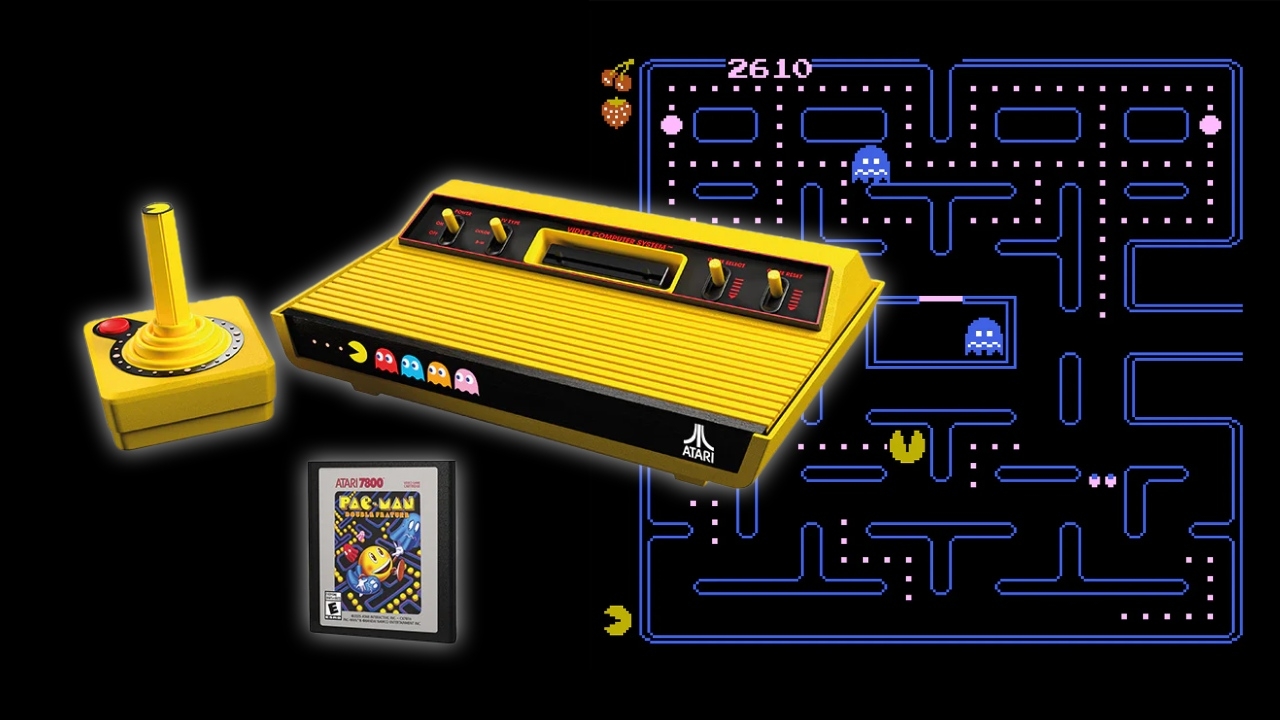
The entire concept relies on raster graphics, where an image is represented as a grid of pixels. Unlike vector graphics, which use mathematical equations to define shapes and can scale infinitely without loss of quality, raster images have a fixed resolution. The “Atari stage” is essentially an exercise in extreme rasterization, where the pixel grid itself becomes a prominent visual element, shaping the perception of the translated drawing.
Image Processing Algorithms
Beyond simple downscaling and color reduction, various image processing algorithms contribute to refining the Atari stage aesthetic. Edge detection algorithms can help in identifying key outlines to preserve during simplification, while noise reduction filters might prepare an image for better color quantization. Specialized pixel art scaling algorithms, such as those used in emulators (e.g., EPX, hq2x), can also be adapted to intentionally upscale a low-res image in a way that maintains its pixelated integrity, rather than blurring it.
Palette Management and Bit Depth
Understanding bit depth is crucial. Early Atari systems operated with very low bit depths (e.g., 2-bit for 4 colors, or individual color attributes per 8×8 character blocks). Modern software often abstracts this, but at a technical level, the “Atari stage” translation involves mapping colors from a higher bit depth source (e.g., 24-bit true color) to a dramatically lower bit depth target, mimicking the constraints of vintage hardware. Effective palette management tools allow artists and developers to precisely control this mapping, ensuring aesthetic intent is preserved.
Software, AI, and the Modern Pixel Artist
Today, translating drawings to the Atari stage is facilitated by a robust ecosystem of software tools and increasingly, artificial intelligence. These technologies democratize the process, making it accessible to artists, game developers, and retro enthusiasts alike.
Dedicated Pixel Art Software
Specialized software like Aseprite, GraphicsGale, or even modern versions of Photoshop and GIMP, provide robust features for pixel art creation and manipulation. These tools offer precise pixel-level control, custom palette management, dithering brushes, and various scaling algorithms specifically designed for maintaining pixel integrity. An artist can manually trace or redraw elements from a source drawing within these programs, applying the Atari stage principles with artistic discretion.
Image Editor Filters and Scripts
General-purpose image editors often include filters or scripts that can automate parts of the Atari stage translation. Filters for “posterization” can reduce color counts, while “pixelate” filters can simulate low resolution. Many communities have also developed custom scripts and plugins that combine these effects, sometimes even attempting to emulate specific hardware palettes and aspect ratios, bringing the digital drawing closer to a truly authentic Atari visual.
AI-Driven Style Transfer and Simplification
The advent of AI, particularly in the realm of computer vision and generative art, opens new avenues for “Atari stage” translation. Style transfer models (e.g., using Convolutional Neural Networks like VGG or ResNet) can be trained on datasets of pixel art or early digital graphics. A user can then input a detailed drawing, and the AI model can attempt to re-render it in the learned “Atari style,” applying the characteristic simplification, color reduction, and pixelation automatically. While still evolving, these AI tools promise to automate complex artistic translations, potentially generating “Atari-fied” versions of drawings with remarkable coherence and artistic flair, without requiring manual pixel-by-pixel editing.
Beyond Nostalgia: The Functional and Artistic Value of Simplified Graphics
While heavily influenced by the nostalgia for classic gaming, the “Atari stage” in drawing translation holds significant contemporary relevance beyond just a retro aesthetic.
Optimized Digital Assets
In modern game development and digital design, simplified graphics can serve a functional purpose. Low-resolution pixel art requires less memory and processing power, making assets smaller and faster to load. This is particularly valuable for mobile applications, web-based games, or indie projects with limited resources, where performance optimization is critical. Translating complex designs to an Atari stage can serve as a prototyping step or a final artistic choice for efficiency.
Unique Artistic Expression
For artists, the constraints of the Atari stage are not limitations but rather a creative challenge. Working with limited pixels and colors forces a focus on composition, silhouette, and essential forms. This minimalist approach can lead to highly impactful and expressive artwork that stands out in a world saturated with high-fidelity visuals. It encourages abstract thinking and can convey complex emotions or narratives through implied detail rather than explicit representation, fostering a unique visual language.
Interface Design and Iconography
The principles of the Atari stage also find application in UI/UX design, particularly for iconography. Simplified, pixel-perfect icons are clear, immediately recognizable, and maintain legibility even at small sizes. The crispness and graphic clarity inherent in well-executed pixel art, even at a “low-res” stage, make it an effective choice for interface elements where instant comprehension is paramount.
In conclusion, the “Atari Stage” represents a pivotal concept in digital drawing translation, moving beyond a historical artifact to become a dynamic methodology for visual simplification. It embodies a technological discipline that, through specific algorithms and artistic techniques, converts complex visual information into a distinct, pixelated aesthetic. Its continued relevance in modern tech, from asset optimization to artistic expression and AI applications, underscores its enduring significance in the evolving landscape of digital graphics.
aViewFromTheCave is a participant in the Amazon Services LLC Associates Program, an affiliate advertising program designed to provide a means for sites to earn advertising fees by advertising and linking to Amazon.com. Amazon, the Amazon logo, AmazonSupply, and the AmazonSupply logo are trademarks of Amazon.com, Inc. or its affiliates. As an Amazon Associate we earn affiliate commissions from qualifying purchases.