
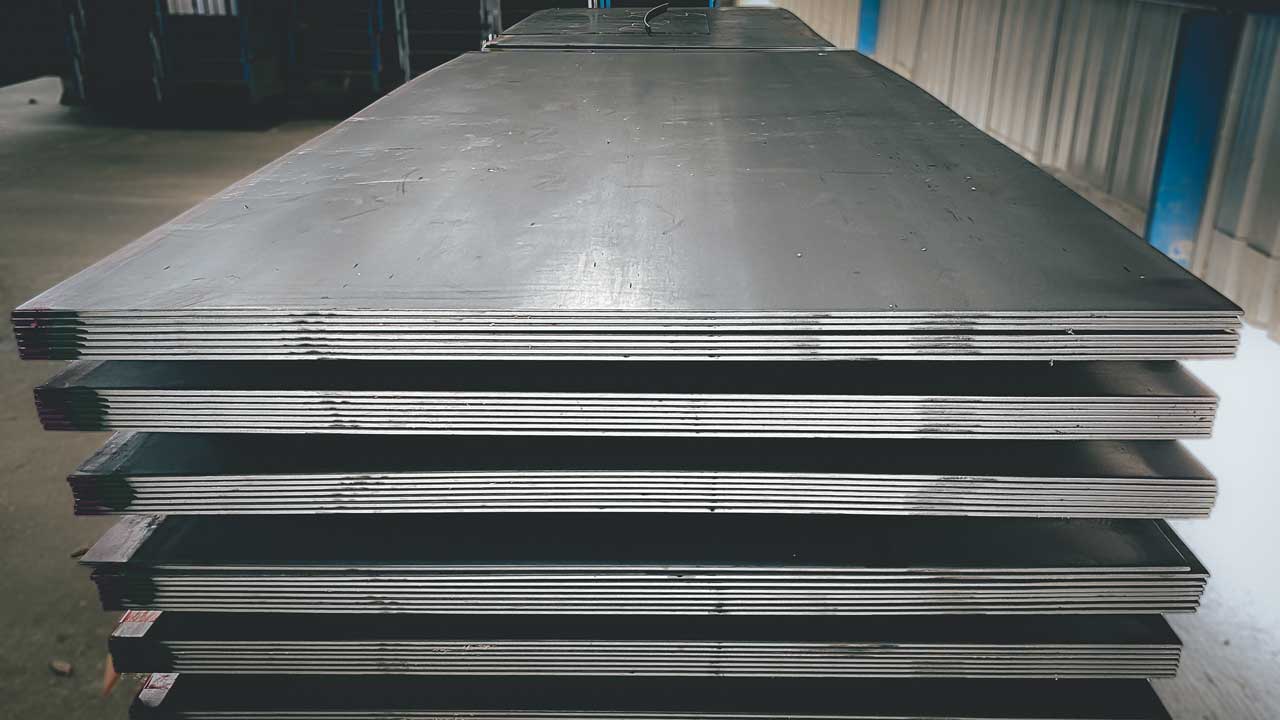
Steel sheet represents a fundamental and pervasive material, forming the backbone of countless technological applications and infrastructure systems globally. Far from a simple commodity, its creation, composition, and application involve sophisticated metallurgical engineering and advanced manufacturing processes that continually evolve to meet the demands of modern technology. At its core, steel sheet is a flat, thin piece of steel, produced by pressing or rolling steel into various thicknesses and widths. However, the true complexity and utility lie in the precise control over its properties, achieved through specific alloy compositions, heat treatments, and forming technologies.
The Technological Foundation of a Versatile Material
The journey from raw ore to a highly engineered steel sheet is a testament to continuous technological innovation in materials science and industrial production. Understanding what steel sheet is intrinsically linked to the advanced processes that define its characteristics and suitability for diverse technological functions.
From Ore to Advanced Alloy: Manufacturing Innovations
The production of steel sheet begins with the transformation of iron ore into pig iron, primarily through blast furnaces or more energy-efficient direct reduced iron (DRI) processes. This initial iron then undergoes a refining process in basic oxygen furnaces (BOF) or electric arc furnaces (EAF) to remove impurities and adjust carbon content, transforming it into crude steel. The technological sophistication enters rapidly here, as precise amounts of alloying elements—such as chromium, nickel, manganese, molybdenum, and vanadium—are introduced to impart specific properties like increased strength, corrosion resistance, or ductility. These meticulously controlled additions are critical for developing the various grades of steel demanded by advanced technological sectors.
Once the steel has the desired composition, it is cast into large slabs, which are then either hot-rolled or cold-rolled into sheets. Hot rolling, performed at high temperatures, reduces the slab’s thickness significantly and refines its grain structure, making it more uniform and workable. This process is crucial for creating the basic dimensions of the sheet and is often followed by pickling to remove surface scale. Cold rolling, conducted at room temperature, further reduces thickness, improves surface finish, and enhances mechanical properties like strength and hardness. This stage is critical for applications requiring high precision and aesthetic quality, such as automotive body panels or sophisticated electronic casings. Advanced rolling mills utilize sophisticated automation and sensor technologies to ensure consistent thickness, flatness, and surface quality across vast lengths of material, representing a high degree of digital control in manufacturing.
Engineering for Performance: Properties and Grades
The utility of steel sheet in technological contexts stems from its exceptional range of tunable properties. Different steel sheet grades are engineered to excel in specific applications, a direct outcome of controlling composition and processing.
- Strength and Hardness: By adjusting carbon content and introducing specific alloying elements, steel sheets can achieve remarkable tensile strength, critical for structural integrity in high-stress applications like automotive safety cages or aerospace components. Heat treatments, such as quenching and tempering, further enhance hardness and wear resistance, prolonging the life of components in demanding environments.
- Ductility and Formability: For intricate designs and complex shapes, such as those found in consumer electronics or sophisticated vehicle designs, ductility (the ability to deform without fracturing) is paramount. Low carbon steels, often treated with specific annealing processes, offer excellent formability, allowing them to be pressed, stamped, and drawn into complex geometries with high precision.
- Corrosion Resistance: The introduction of chromium leads to stainless steel sheets, which form a passive layer of chromium oxide, providing superior resistance to rust and corrosion. This property is indispensable in medical devices, food processing equipment, and outdoor infrastructure where durability against environmental degradation is crucial.
- Weldability: Many technological assemblies require joining steel sheets through welding. Specific steel grades are developed with optimized compositions to ensure strong, crack-free welds, compatible with advanced robotic welding techniques prevalent in automated manufacturing lines.
- Electrical and Magnetic Properties: Silicon steels, for instance, are specifically engineered for their magnetic properties, making them essential for transformers, motors, and generators—components at the heart of electrical power systems and electronic devices. Their carefully controlled grain orientation minimizes energy losses, boosting efficiency.
Steel Sheet in Modern Technology and Infrastructure
The ubiquity of steel sheet across diverse technological domains underscores its adaptability and continuous evolution alongside emerging tech trends. Its integration is critical, from personal gadgets to large-scale renewable energy projects.
Automotive Advancements and Lightweighting
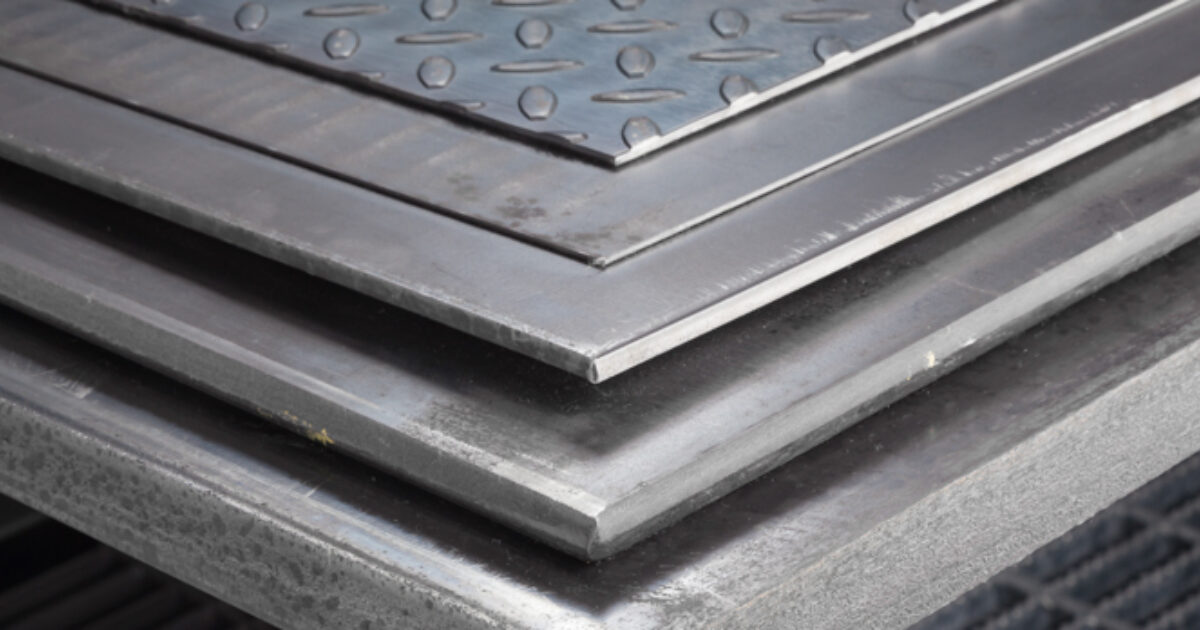
The automotive industry is a prime example of steel sheet innovation driving technological progress. Modern vehicles rely extensively on various grades of steel sheet for different parts, balancing safety, performance, and fuel efficiency. Advanced High-Strength Steels (AHSS) and Ultra High-Strength Steels (UHSS) are revolutionizing vehicle design. These materials offer superior strength-to-weight ratios, enabling car manufacturers to design lighter vehicles without compromising crash safety. This lightweighting directly contributes to improved fuel economy and reduced emissions, aligning with global sustainability goals and regulatory pressures. Furthermore, the formability of these advanced steel sheets allows for complex structural geometries that optimize energy absorption in collisions, enhancing occupant protection. The precision manufacturing of automotive body panels from steel sheet, often involving complex stamping dies and robotic welding, epitomizes high-tech industrial production.
Electronics and Appliance Integration
In the realm of consumer electronics and home appliances, steel sheet provides durable, aesthetic, and functional enclosures and components. From the sleek stainless steel finishes of refrigerators and ovens to the galvanized steel casings protecting sensitive internal components of servers and data centers, steel sheet offers robust protection against physical damage, electromagnetic interference, and environmental factors. Its excellent thermal conductivity helps dissipate heat from electronic components, contributing to the longevity and reliability of devices. The ability to be precisely formed and finished makes it an ideal material for complex internal structures and external fascias that meet stringent design and performance requirements.
Renewable Energy and Smart Cities
Steel sheet plays a pivotal role in the infrastructure powering the future, particularly in renewable energy and smart city initiatives. Wind turbine towers, which can soar over a hundred meters, are predominantly constructed from thick, high-strength steel sheets, rolled and welded into conical or cylindrical sections. Solar panel frames and mounting structures also extensively utilize steel sheet for its durability and structural integrity, capable of withstanding harsh weather conditions.
In smart cities, steel sheet is foundational for intelligent transportation systems, sustainable buildings, and advanced utility networks. It forms the structure of smart streetlights, electric vehicle charging stations, and components within automated public transport systems. Its recyclability also aligns with the circular economy principles fundamental to sustainable urban development, making it a material of choice for infrastructure designed for longevity and minimal environmental impact.
Future Innovations and Sustainable Production
The future of steel sheet is characterized by continued innovation aimed at enhancing performance, efficiency, and environmental sustainability, further solidifying its role in advancing technology.
Advanced High-Strength Steels (AHSS) and Digital Manufacturing
Research and development are continually pushing the boundaries of steel sheet performance. The next generation of AHSS, including third-generation AHSS, aims to offer even greater strength and ductility, opening doors for further lightweighting in automotive and other sectors. These materials often involve complex microstructures achieved through sophisticated thermomechanical processing, where both temperature and deformation are precisely controlled during rolling.
The advent of Industry 4.0 and digital manufacturing is also transforming steel sheet production and application. Advanced sensors, AI-driven process control, and predictive analytics are optimizing every stage, from melt shops to rolling mills, leading to higher quality, reduced waste, and increased efficiency. Digital twins and simulations allow engineers to virtually test and refine steel sheet designs and forming processes before physical production, accelerating innovation cycles for new products. Additive manufacturing techniques, while not directly producing sheet, are being explored for creating complex steel components that could integrate with traditional sheet structures, offering new design freedoms.
The Circular Economy and Green Steel Initiatives
A significant focus of future steel sheet innovation is sustainability. The steel industry is heavily investing in “green steel” initiatives, aiming to drastically reduce the carbon footprint associated with production. Technologies like hydrogen direct reduction (H-DRI) are being developed to replace coal-based blast furnaces, using hydrogen produced from renewable energy sources to reduce iron ore. This would virtually eliminate CO2 emissions from the primary ironmaking process. Furthermore, the inherent recyclability of steel sheet makes it a cornerstone of the circular economy. Scrap steel is endlessly recyclable without loss of properties, and modern electric arc furnaces primarily utilize recycled steel, significantly reducing the demand for virgin resources and associated energy consumption. Innovations in material design are also extending the lifespan of steel components, leading to less frequent replacements and a further reduction in environmental impact over their life cycle. These efforts underscore steel sheet’s enduring relevance as a high-tech material that is both performant and environmentally responsible.
aViewFromTheCave is a participant in the Amazon Services LLC Associates Program, an affiliate advertising program designed to provide a means for sites to earn advertising fees by advertising and linking to Amazon.com. Amazon, the Amazon logo, AmazonSupply, and the AmazonSupply logo are trademarks of Amazon.com, Inc. or its affiliates. As an Amazon Associate we earn affiliate commissions from qualifying purchases.