
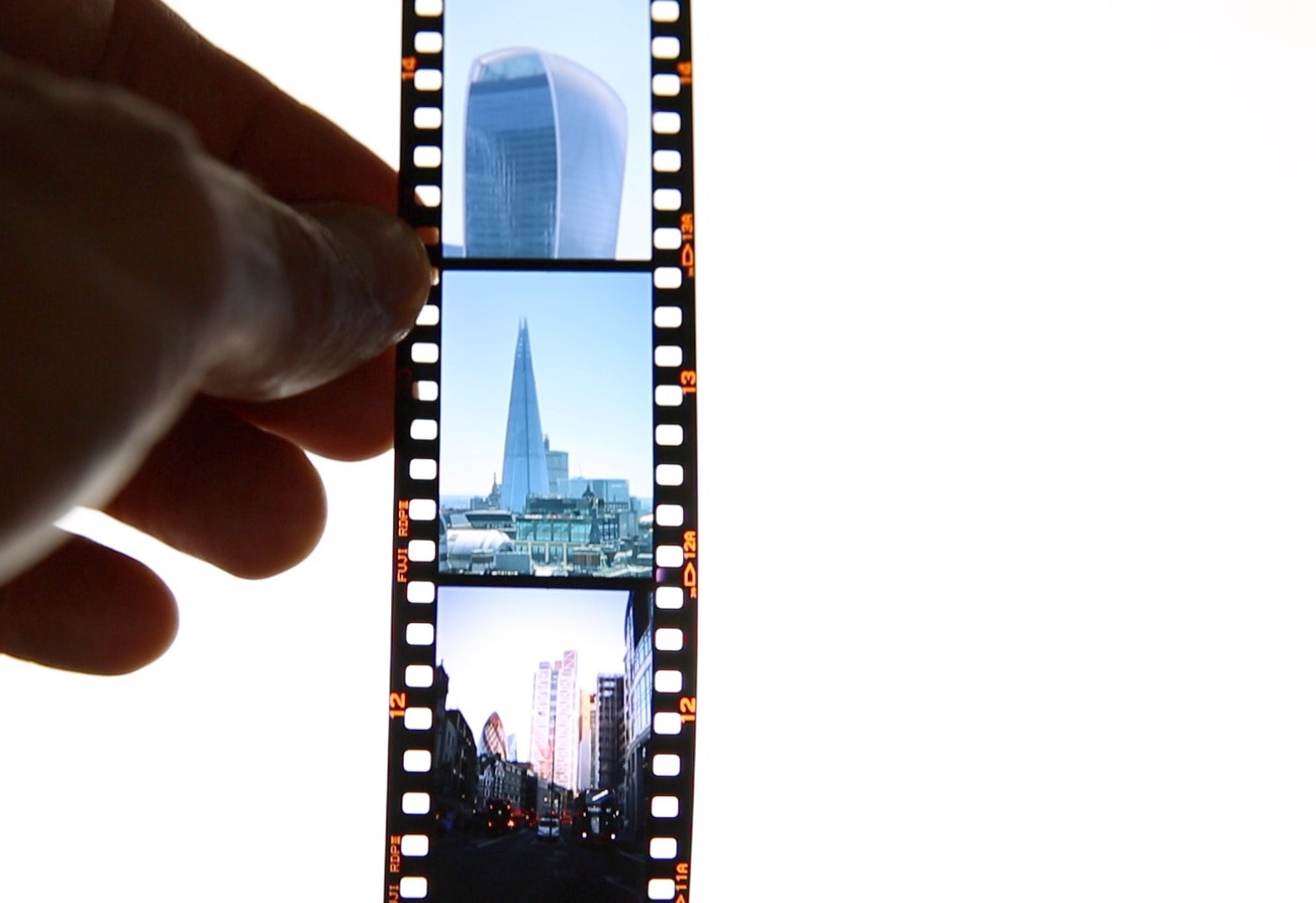
Slide film, also known as reversal film or transparency film, stands as a distinctive and highly revered medium within the realm of analog photography. Unlike its more common counterpart, negative film, slide film is designed to produce a positive image directly onto the film base. This unique characteristic means that, once processed, the film itself becomes the final image — a transparent photograph that can be viewed by projection onto a screen, through a light box, or directly mounted in a slide projector. Its technical properties deliver a visual experience marked by exceptional color fidelity, fine grain, and impressive sharpness, making it a staple for professional photographers for decades, particularly in fields requiring precise color reproduction like fashion, product, and landscape photography.
The Distinctive Technical Characteristics of Slide Film
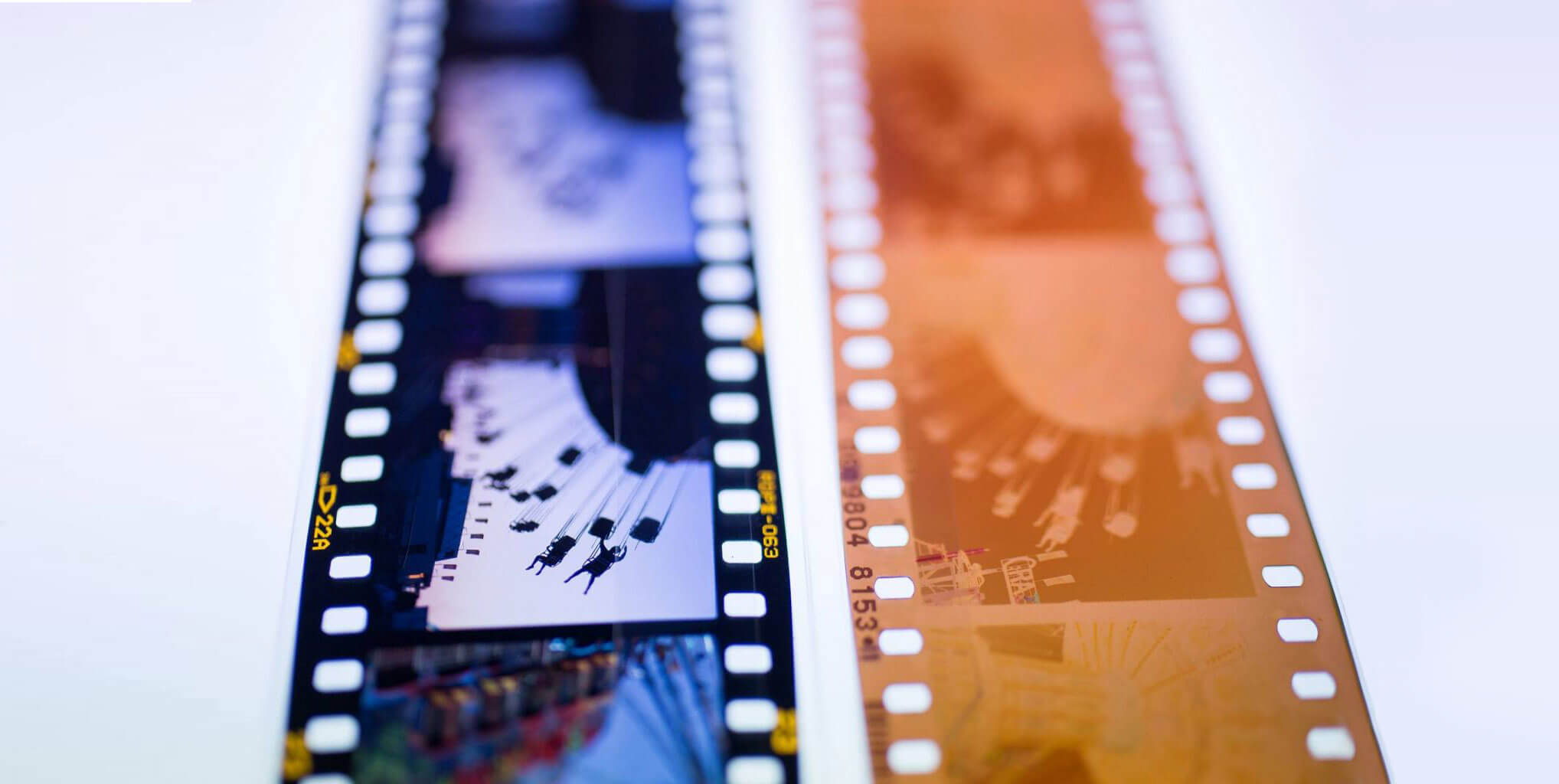
The core technical difference between slide film and negative film lies in their processing and the resulting image. Slide film undergoes a chemical reversal process (typically E-6) to yield a positive image, whereas negative film (C-41 process) produces a negative that requires further printing to become a positive. This fundamental distinction underpins all of slide film’s celebrated traits.
Transparency and Projection
The most apparent feature of slide film is its transparency. Each frame, once processed, is a direct, positive representation of the scene captured, meant to be viewed with light passing through it. This makes it ideal for projection, where the image is magnified and displayed on a larger surface, allowing for communal viewing and detailed inspection without the need for an intermediate print. This direct projection method offers an immediate, luminous quality that is difficult to replicate with prints derived from negative film.
Color Accuracy and Saturation
Slide film is renowned for its vibrant, rich colors and remarkable color accuracy. Manufacturers engineer these films to render colors with precision, often exhibiting higher saturation and contrast than typical negative films. This makes it particularly attractive for subjects where color reproduction is paramount, such as documenting natural phenomena, fashion editorials, or advertising photography. The specific dyes used in slide film emulsions are designed to produce a bright, punchy aesthetic that truly pops when illuminated.
Dynamic Range and Latitude
While celebrated for its color and sharpness, slide film typically possesses a narrower exposure latitude compared to negative film. This means it is less forgiving of exposure errors; photographers must be meticulously precise with their light metering to avoid blowing out highlights or losing detail in shadows. Its effective dynamic range, while narrower, is intensely optimized for rendering mid-tones with exquisite detail and separation, offering a unique tonal characteristic often described as “punchy” or “contrasty.” This characteristic demands a deeper understanding of light and exposure control from the photographer.
Processing (E-6 vs. C-41)
The chemical process is central to slide film’s identity. The vast majority of slide films are developed using the E-6 process, a multi-step chemical procedure that involves color development, bleach, fix, and a reversal bath to convert the latent negative image into a positive transparency. This contrasts sharply with the C-41 process used for color negative film, which is simpler and more widely available. The E-6 process is more technically demanding and less common in general photographic labs, contributing to slide film’s niche status and higher processing costs.
A Journey Through Its Technical Applications
Slide film’s journey through photographic history is marked by its critical role in various technical and professional domains, enduring even in the digital age due to its unique aesthetic and archival qualities.
Historical Professional Use
For much of the 20th century, slide film was the gold standard for professional photographers, especially those working for magazines, advertising agencies, and corporate clients. Its direct positive nature simplified the editorial process; editors could directly view and select images without waiting for prints, and its exceptional color fidelity ensured that published materials accurately represented the original scene. Photojournalists, nature photographers, and studio professionals relied heavily on slide film for its critical sharpness and color rendition, particularly when images were destined for high-quality reproduction.
Modern Artistic and Niche Applications
In contemporary photography, slide film has experienced a resurgence among artists and enthusiasts seeking its distinctive look. Its rich colors and fine grain offer an aesthetic that digital sensors, for all their advancements, struggle to replicate precisely. It has found a niche in fine art photography, landscape photography, and portraiture, where photographers are willing to embrace its technical challenges for the unique visual output. Furthermore, its use is often seen as a deliberate artistic choice, emphasizing a slower, more considered approach to image-making.
Archival Qualities
When properly processed and stored, slide films boast remarkable archival stability. The dyes used in professional-grade slide films are designed for longevity, maintaining their color integrity and detail for many decades. This makes them an excellent medium for long-term archiving of important images, often surpassing the perceived longevity of early digital files, which can be susceptible to format obsolescence or data degradation if not carefully managed and migrated.
The Technical Process: From Exposure to Projection
Understanding the technical journey of slide film from capturing light to its final viewing state is crucial for appreciating its complexity and distinctiveness.
Exposure Precision
Given its narrow exposure latitude, achieving optimal results with slide film demands precise exposure. Photographers often employ spot meters or carefully calibrate incident light meters to ensure that crucial areas of the scene fall within the film’s acceptable dynamic range. Underexposure can lead to blocked-up shadows with no detail, while overexposure will cause highlights to “blow out” and become pure white. Bracketing (taking multiple exposures at different settings) is a common technique to mitigate risks, especially in challenging lighting conditions.
The E-6 Development Process Explained
The E-6 process is a intricate series of chemical baths. It typically involves:
- First Developer: Forms a silver negative image in the emulsion.
- Reversal Bath: Chemically prepares the undeveloped silver halides for subsequent development into a positive image.
- Color Developer: Develops the remaining silver halides, simultaneously forming color dyes in each layer (cyan, magenta, yellow) to create the positive color image.
- Bleach: Converts the metallic silver back into silver halide.
- Fixer: Removes all silver halides from the emulsion, leaving only the dye image.
- Wash and Stabilizer: Final steps to clean and protect the film.
This multi-stage process requires precise temperature control and chemical freshness, highlighting why E-6 development is less accessible than C-41.
Scanning and Digital Integration
In the modern workflow, slide films are frequently scanned to convert the analog image into a digital file. High-resolution film scanners, often equipped with Digital ICE or similar dust and scratch removal technologies, can extract an impressive amount of detail and color information from the transparency. This allows photographers to integrate slide film images into digital editing workflows, share them online, or make digital prints, bridging the gap between analog capture and digital output while preserving the unique aesthetic qualities of the film.
Advantages and Disadvantages in the Digital Age
While digital photography now dominates, slide film maintains a unique position, offering distinct advantages and presenting specific challenges.
Unmatched Aesthetic and Color Fidelity
The primary advantage of slide film in the current era is its unparalleled aesthetic. The way it renders colors—its vibrancy, accuracy, and saturation—is often described as “three-dimensional” or “luminous.” For many, the direct positive image offers a visual quality that digital sensors, despite their resolution and dynamic range, simply do not replicate. The grain structure is typically finer than negative film, contributing to its sharpness and smooth tonal transitions.
Workflow Challenges and Costs
The disadvantages largely stem from its workflow and associated costs. E-6 processing is more expensive and less widely available than C-41, and home development requires significant investment in chemicals and equipment, along with a commitment to process control. The narrow exposure latitude means less room for error, leading to a higher rate of unusable frames for beginners. The total cost per image (film + processing + scanning) is significantly higher than digital capture.
The Enduring Appeal
Despite these hurdles, slide film continues to attract a dedicated following. Its enduring appeal lies not just in its distinctive aesthetic but also in the deliberate, thoughtful process it encourages. The need for precise exposure, the anticipation of seeing the developed transparencies, and the unique tactile experience of holding a positive image all contribute to a rewarding photographic journey that sets it apart from the immediate gratification of digital photography.
Selecting and Using Slide Film Today
For those looking to venture into the world of slide film, understanding the available options and best practices is essential.
Popular Stocks and Their Traits
Several renowned slide films are still available, each with its own characteristics:
- Fujifilm Provia 100F: Known for its neutral color rendition, fine grain, and versatility. A workhorse for many professionals.
- Fujifilm Velvia 50 / 100: Celebrated for its incredibly vibrant, saturated colors and high contrast, particularly favored by landscape photographers. Velvia 50 is one of the most saturated films ever made.
- Kodak Ektachrome E100: Offers natural colors, fine grain, and a classic Kodak look. It was reintroduced in 2018, showcasing renewed interest in the medium.
Each film stock offers a distinct palette and characteristic, inviting photographers to experiment and find their preferred look.
Essential Gear for Slide Film Photography
Beyond a film camera, certain gear enhances the slide film experience:
- Accurate Light Meter: Crucial for precise exposure. External meters offer greater control.
- Tripod: Necessary for slower shutter speeds or to ensure sharpness given the film’s low ISOs.
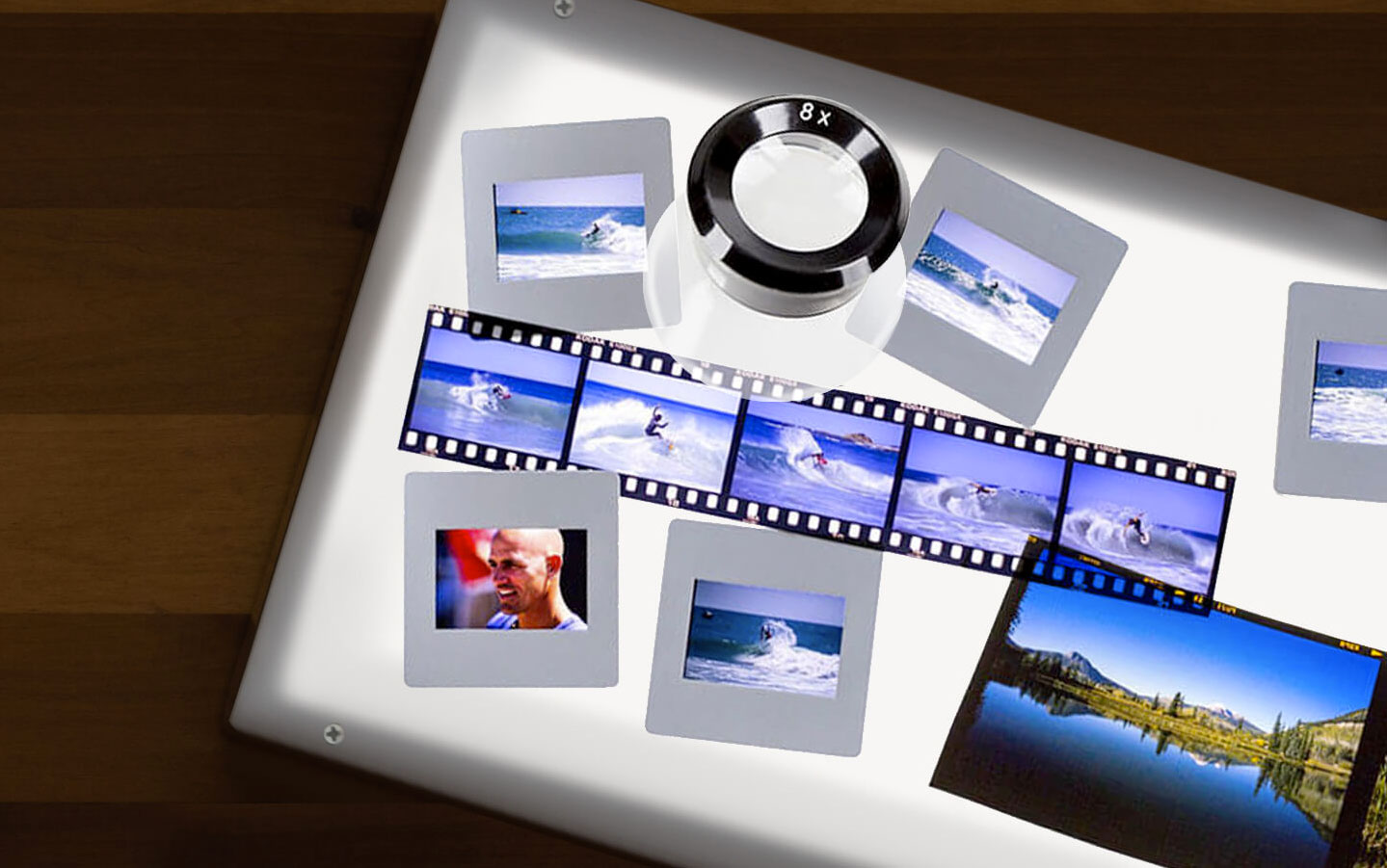
- Loupe and Light Box: Essential for viewing developed slides directly, allowing for detailed inspection and appreciation of the transparency.
- Film Scanner: For digitizing images, a high-quality scanner capable of handling transparencies is invaluable.
Tips for Optimal Results
- Meter Accurately: Prioritize metering for highlights, as they are less forgiving on slide film.
- Bracket Exposures: When in doubt, shoot a range of exposures to increase your chances of getting a perfectly exposed frame.
- Understand Your Film: Each slide film has a distinct color bias and saturation level. Learn how your chosen film reacts to different lighting conditions.
- Choose Reputable Labs: Given the complexity of E-6 processing, select a lab known for its quality and consistency.
In conclusion, slide film remains a remarkable technological artifact in photography, offering a distinct visual language defined by its transparency, vibrant colors, and unforgiving nature. For the discerning photographer, mastering its intricacies provides a deeply rewarding experience and results in images of extraordinary beauty and technical finesse, standing as a testament to the enduring appeal of analog photographic technology.
aViewFromTheCave is a participant in the Amazon Services LLC Associates Program, an affiliate advertising program designed to provide a means for sites to earn advertising fees by advertising and linking to Amazon.com. Amazon, the Amazon logo, AmazonSupply, and the AmazonSupply logo are trademarks of Amazon.com, Inc. or its affiliates. As an Amazon Associate we earn affiliate commissions from qualifying purchases.