
For homeowners, especially those outside municipal sewer systems, a septic system represents a significant financial investment and a critical component of property infrastructure. Managing this system effectively is paramount, not just for environmental reasons, but more acutely for safeguarding one’s personal finances from potentially catastrophic expenses. Among the various considerations for septic system health, the choice of toilet paper often seems minor, yet it holds surprising weight in preventing costly failures. Understanding “septic safe toilet paper” is fundamentally about making a smart financial decision to protect your home and wallet.
Understanding Septic Systems: A Financial Vulnerability
A septic system is a self-contained wastewater treatment facility, typically consisting of a septic tank and a drain field (also known as a leach field or absorption field). Unlike public sewer systems where waste is transported to a central treatment plant, a septic system processes all household wastewater on-site. This intricate system, while efficient, is also remarkably delicate and susceptible to damage from improper use, leading directly to substantial financial liabilities for the homeowner.

How Septic Systems Work (Briefly)
Wastewater from toilets, sinks, showers, and laundry drains into the septic tank. Here, solids settle to the bottom, forming a layer of sludge, while lighter materials like oils and grease float to the top, forming a scum layer. Bacteria naturally present in the tank break down a significant portion of the organic matter in the sludge. The liquid effluent, largely free of solids, then flows out of the tank into the drain field, where it slowly percolates through soil, undergoing further natural treatment before rejoining the groundwater. This entire biological and physical process relies on a delicate balance.
The Costly Consequences of System Failure
When this balance is disrupted, or when the system is overwhelmed by inappropriate materials, the financial ramifications can be severe. A septic system failure isn’t merely an inconvenience; it’s a major household financial crisis waiting to happen.
- Emergency Pumping Costs: A clogged or backed-up system often requires immediate, unscheduled pumping, which can cost hundreds of dollars more than routine maintenance.
- Repair and Replacement Expenses: The most significant financial threat is the need for repairs or, worse, complete replacement of components like the drain field or tank. Drain field replacement can easily range from $5,000 to $20,000 or more, depending on soil conditions, system size, and local regulations. A new septic tank itself can cost several thousand dollars. These are not minor repairs but significant capital expenditures.
- Property Value Depreciation: A known failing septic system can dramatically decrease a property’s market value and make it difficult to sell. Prospective buyers are often wary of homes with documented septic issues, leading to lower offers or an inability to secure a mortgage without system remediation.
- Health and Environmental Fines: In some jurisdictions, a failing septic system that contaminates groundwater or surface water can result in hefty fines from local health departments or environmental agencies, adding another layer of financial burden.
Given these potential costs, making informed choices about everyday household consumables, like toilet paper, transitions from a mundane shopping decision to a critical financial safeguarding strategy.
The Financial Imperative of Septic-Safe Toilet Paper
The core principle behind septic-safe toilet paper is its ability to break down quickly and completely in water, preventing accumulation that can lead to clogs and system stress. This characteristic is a direct countermeasure to the financial risks outlined above.
Preventing Expensive Clogs and Backups
Non-septic safe toilet paper, particularly multi-ply, quilted, or those with added lotions and dyes, is designed for strength and absorbency. While desirable for personal comfort, these properties mean they resist breaking down quickly. When this type of paper enters a septic tank, it can accumulate, forming a thick, impenetrable mat on top of the scum layer or sinking to the sludge layer.
- Tank Overload: This accumulation reduces the effective volume of the tank, meaning solids don’t settle properly, and the anaerobic bacteria don’t have enough space or the right environment to function optimally.
- Drain Field Clogs: Worse still, undigested paper can exit the tank and enter the delicate drain field pipes, clogging the perforations and ultimately leading to drain field failure. A backed-up drain field means raw sewage potentially surfacing in your yard or, horrifyingly, backing up into your home’s plumbing. The emergency plumbing costs, cleanup expenses, and potential property damage resulting from such a scenario can be staggering. Choosing septic-safe paper is a preventative measure against these financially devastating events.
Protecting Your Investment: The Septic System’s Lifespan
A well-maintained septic system can last 20 to 30 years or even longer. However, continuous strain from non-biodegradable materials significantly shortens its lifespan. Every year you can extend the life of your septic system through proper care, including using septic-safe toilet paper, translates into substantial financial savings by delaying the need for a costly replacement. Think of it as protecting a substantial capital asset. If a new system costs $15,000, and proper care extends its life by five years, that’s like avoiding a $3,000 per year expense.

The Hidden Costs of Frequent Pumping
Regular septic tank pumping, typically every 3-5 years, is a necessary maintenance expense, usually costing a few hundred dollars. However, if your system is constantly stressed by slow-degrading toilet paper, the sludge and scum layers build up faster. This necessitates more frequent pumping, perhaps every 1-2 years. These additional pumping cycles are hidden, recurring expenses that eat into your household budget. Over the lifespan of a system, these extra costs can amount to hundreds, if not thousands, of dollars that could have been saved by a simple switch in toilet paper choice.
Identifying Truly Septic-Safe Options for Smart Spending
Making the financially sound choice requires understanding what characteristics define septic-safe toilet paper and how to identify it on store shelves.
Key Characteristics of Septic-Safe Toilet Paper
Septic-safe toilet paper is designed to degrade rapidly and completely. Look for the following attributes:
- Rapid Disintegration: This is the most crucial factor. It should break down quickly when wet, not just soften.
- Single or Double-Ply: Thinner paper generally breaks down faster. Multi-ply options, while seemingly luxurious, are often too durable for septic systems.
- Unbleached or Minimal Bleaching: Harsh chemicals used in extensive bleaching can sometimes harm beneficial bacteria in the septic tank, though this concern is less prominent with modern papers.
- Unscented and Undyed: Added fragrances and dyes are unnecessary chemicals that can introduce substances not conducive to the bacterial environment in a septic tank.
- Biodegradable Materials: Papers made from recycled content or sustainable fibers often emphasize their biodegradability.
Reading Labels and Certifications
Manufacturers aware of the septic-safe market often explicitly label their products. Look for phrases like:
- “Septic Safe”
- “Septic System Friendly”
- “Rapid Dissolving”
- “Biodegradable”
While no universal “septic safe” certification exists across all brands, many will include symbols or statements indicating their suitability. A simple at-home test can also be performed: place a few sheets in a jar of water, shake vigorously, and observe how quickly it breaks apart. If it fragments into tiny pieces almost immediately, it’s likely septic safe. If it largely stays intact, it’s a risk.
Dispelling Myths: What Isn’t Septic Safe?
It’s equally important to know what to avoid.
- “Flushable” Wipes: Despite their misleading labeling, “flushable” wipes are never safe for septic systems. They do not break down adequately and are a leading cause of septic system clogs and failures. This is perhaps the single biggest financial threat to a septic system from everyday consumables.
- Paper Towels, Facial Tissues, Diapers: These items are designed for strength and absorbency in ways that make them completely unsuitable for septic systems. Flushing them is an almost guaranteed path to financial pain.
- Excessively Thick or Quilted Toilet Paper: While some brands claim their thick papers are septic safe, it’s always safer to err on the side of thinner, less robust options if you have any doubt.
Maximizing Your Household Budget: A Long-Term Financial Strategy
Choosing septic-safe toilet paper isn’t just about avoiding a disaster; it’s an active component of responsible household financial management and property care.
Comparative Costs: Upfront vs. Long-Term Savings
It’s true that some septic-safe toilet paper might have a slightly higher upfront cost per roll or package compared to the cheapest, non-compliant alternatives. However, framing this as a cost-saving measure requires a long-term perspective.
- Investment in Prevention: Consider the small additional cost per package of septic-safe paper as a micro-investment in preventing thousands of dollars in repairs.
- Cost-Benefit Analysis: If a family spends an extra $20-$30 per year on premium septic-safe toilet paper, but this choice delays a $10,000 drain field replacement by five years, the return on that “investment” is astronomical. It’s an insurance policy you pay for with a slightly higher grocery bill.
Calculating Potential Financial Returns
Quantifying the exact savings can be challenging, but understanding the scale is crucial.
- Reduced Pumping Frequency: If switching to septic-safe paper means you can extend pumping intervals from every two years to every three years, that’s one less $300-$500 expense every six years.
- Extended System Lifespan: If your system lasts 25 years instead of 20 years due to diligent care, you defer a major capital expense for five years, allowing that money to grow or be used elsewhere. This is a significant boon to long-term financial planning and asset management.
- Avoided Emergency Costs: The peace of mind alone, knowing you’re significantly reducing the risk of a sewage backup or drain field failure, has an inherent financial value in avoiding unforeseen, budget-wrecking expenses.
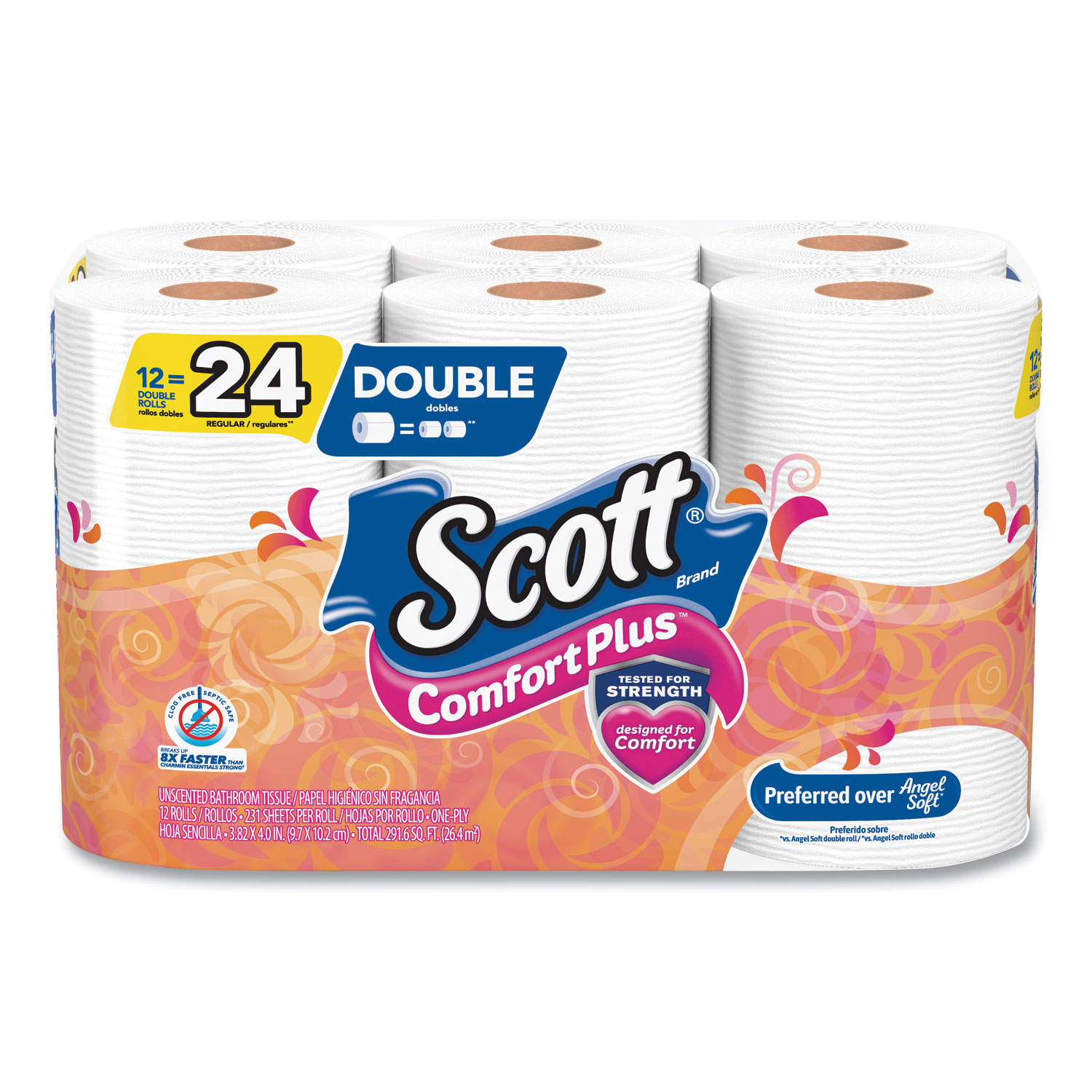
Integrating Septic-Safe Choices into Your Personal Finance Plan
For homeowners with septic systems, budgeting for household supplies should include a conscious decision to prioritize septic-safe products. This is part of responsible homeownership and property asset management. It’s about proactive financial protection rather than reactive crisis management. When evaluating cleaning products, detergents, and especially toilet paper, always ask: “Is this safe for my septic system, and am I protecting my significant financial investment in this property?” The answer to “what is septic safe toilet paper” isn’t merely a product description; it’s a fundamental lesson in personal finance for any homeowner reliant on a septic system.
aViewFromTheCave is a participant in the Amazon Services LLC Associates Program, an affiliate advertising program designed to provide a means for sites to earn advertising fees by advertising and linking to Amazon.com. Amazon, the Amazon logo, AmazonSupply, and the AmazonSupply logo are trademarks of Amazon.com, Inc. or its affiliates. As an Amazon Associate we earn affiliate commissions from qualifying purchases.