
For brands navigating the increasingly complex landscape of consumer expectations and environmental mandates, understanding the materials that comprise their products is no longer merely a technical exercise—it’s a strategic imperative. Recycled leather, often positioned as a cornerstone of sustainable branding, represents a fascinating intersection of innovation, ethics, and design. Far from a singular material, it encompasses a spectrum of processes that repurpose leather waste into new, viable textiles.
The Strategic Imperative for Brands: Defining Recycled Leather
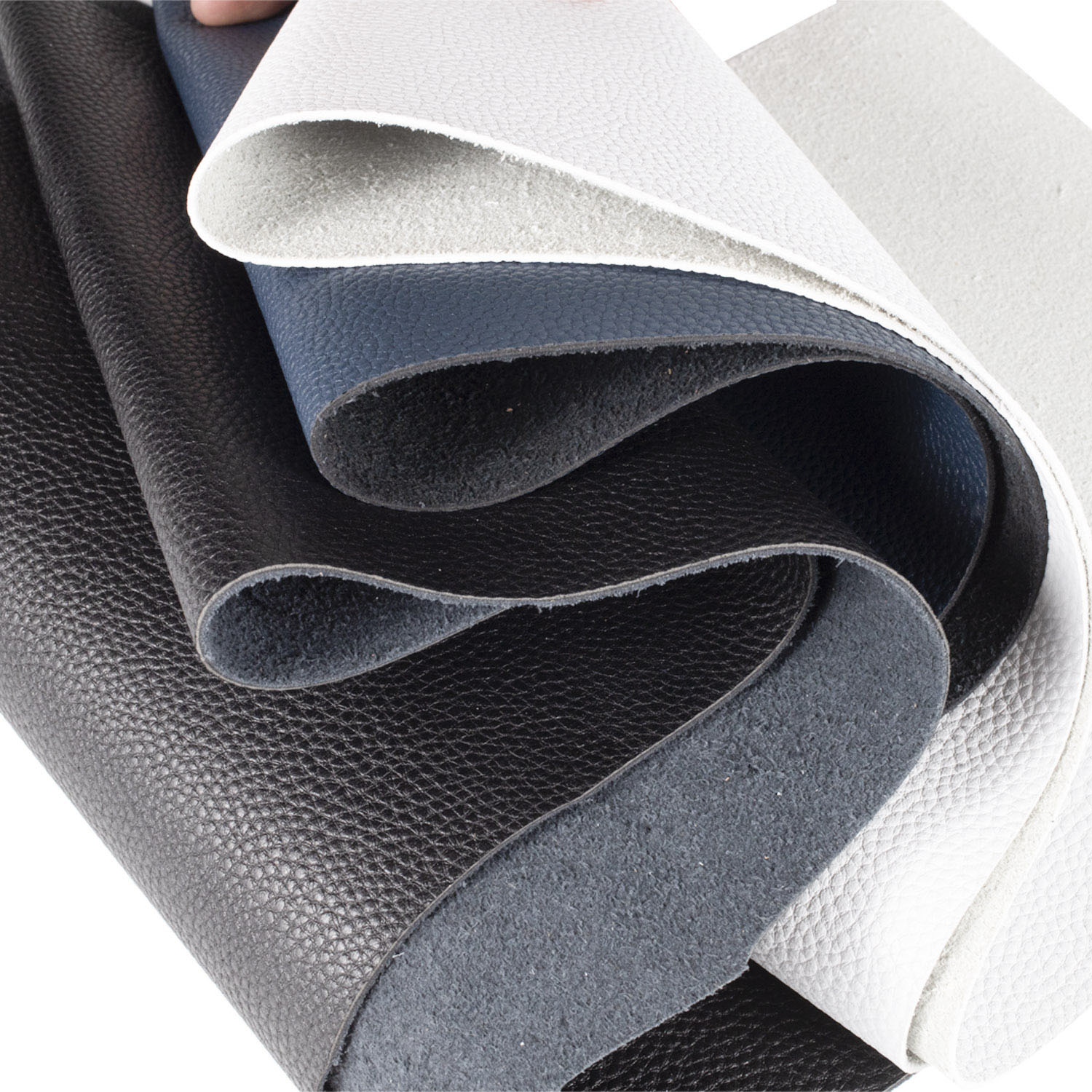
At its core, recycled leather refers to a material produced from discarded leather fibers, scraps, or offcuts, which are then reprocessed and often combined with bonding agents to create a new sheet material. This re-manufacturing process aims to reduce waste, conserve resources, and mitigate the environmental footprint associated with traditional leather production. For brands, accurately defining and understanding this material is crucial for both product integrity and transparent communication.

Composition and Manufacturing: A Brand’s Perspective
The precise composition of recycled leather can vary significantly, influencing its properties, aesthetics, and, critically, its brand narrative. Broadly, recycled leather can be categorized by its primary manufacturing methods:
- Bonded Leather (or Reconstituted Leather): This is perhaps the most common form. It typically involves grinding leather scraps and fibers into a pulp, which is then mixed with a bonding agent (often polyurethane or latex) and extruded onto a fabric backing. The percentage of actual leather fibers can range from 10% to 90%, a detail paramount for brands aiming for authenticity. The higher the leather content, the more it can genuinely claim to be “recycled leather,” impacting perceived quality and sustainability credentials.
- Leather Fiber Composites: These materials are produced by mechanically or chemically processing leather waste into fibers, which are then compressed and bonded, sometimes with natural binders, to create durable sheets. These often retain a more “natural” leather feel and scent, which can be a significant selling point for brands that value sensory experience in their products.
- Upcycled Leather: While not always “recycled” in the strict sense of fiber reprocessing, some brands utilize larger leather offcuts or even post-consumer leather items (like old jackets or furniture) that are cleaned, repaired, and cut into new products. This method emphasizes resourcefulness and craftsmanship, offering a distinct narrative for brands focused on artisan or limited-edition lines.
From a brand’s standpoint, the chosen manufacturing method and the resulting composition directly influence claims of durability, appearance, and environmental impact. A brand must be acutely aware of these distinctions to avoid greenwashing allegations and to build a credible, trustworthy identity.
Differentiating Recycled Leather from Alternatives
Understanding what recycled leather is not is equally important for brand differentiation and consumer education.
- Genuine Leather: This refers to products made from animal hide that has undergone tanning and finishing processes. While durable and luxurious, its production is resource-intensive and often associated with significant environmental and ethical concerns. Brands choosing recycled leather often do so to offer an alternative that retains a leather-like aesthetic without the full environmental impact of virgin leather.
- Vegan Leather (or Faux Leather/PU Leather): These materials are entirely synthetic, typically made from plastics like polyurethane (PU) or polyvinyl chloride (PVC). While they avoid animal products, many traditional vegan leathers raise their own sustainability questions regarding petrochemical reliance, biodegradability, and microplastic shedding. Brands must highlight that recycled leather, while often containing synthetic binders, leverages actual leather waste, providing a different sustainability profile from purely synthetic alternatives. The rise of bio-based vegan leathers (e.g., mushroom, pineapple, cactus) further complicates the landscape, offering distinct eco-advantages that brands must strategically compare when positioning their recycled leather offerings.
For brands, the ability to articulate these differences transparently fosters trust and allows consumers to make informed choices that align with their values.
Elevating Brand Identity Through Sustainable Material Choice
The integration of recycled leather into a product line extends beyond mere material selection; it is a profound statement about a brand’s values, commitment to sustainability, and forward-thinking corporate identity. In an era where consumers increasingly scrutinize the ethical and environmental footprint of their purchases, recycled leather can be a powerful tool for enhancing a brand’s image.
Enhancing Corporate Social Responsibility (CSR) Messaging
By opting for recycled leather, brands can significantly bolster their CSR initiatives. This choice demonstrates a tangible commitment to:
- Waste Reduction: Diverting leather scraps from landfills or incineration, reducing the demand for virgin raw materials.
- Resource Conservation: Lowering the consumption of water, energy, and chemicals often associated with the tanning of new leather.
- Circular Economy Principles: Embracing a model where materials are kept in use for as long as possible, rather than following a linear “take-make-dispose” path.
Brands can weave these benefits into compelling narratives that resonate with a growing demographic of environmentally conscious consumers, showcasing their proactive role in addressing global environmental challenges. This isn’t just about PR; it’s about embedding sustainability deep within the brand’s operational ethos.
Resonating with Eco-Conscious Consumers
Today’s consumers, particularly younger generations, are not just buying products; they are buying into brands that align with their ethical frameworks. A brand’s decision to use recycled leather speaks directly to this segment. It offers:
- Guilt-Free Consumption: Providing an option that reduces the ethical dilemmas associated with traditional leather production.
- Alignment with Values: Allowing consumers to support brands that mirror their commitment to sustainability.
- Perceived Innovation: Positioning the brand as a leader that embraces novel solutions to environmental problems, contributing to a modern and responsible brand image.
This translates into increased brand loyalty, positive word-of-mouth, and a competitive edge in crowded markets where product quality is often a given, and values-based purchasing becomes the differentiator.
The Design and Aesthetics of Recycled Leather in Branding
Beyond its environmental merits, recycled leather presents unique design possibilities that can enhance a brand’s aesthetic identity. While traditionally, there might have been concerns about the quality or feel of recycled materials, advancements in manufacturing have significantly improved recycled leather’s tactile and visual properties.
- Uniformity and Consistency: Depending on the manufacturing process, recycled leather can offer a more uniform and consistent finish than natural leather, which can vary due to natural imperfections. This can be advantageous for brands seeking a consistent aesthetic across mass-produced items.
- Color and Texture Versatility: Recycled leather can be dyed in a vast array of colors and embossed with various textures more readily than some natural leathers, allowing designers greater creative freedom. This flexibility enables brands to experiment with innovative product designs and distinct color palettes, reinforcing a unique brand look.
- Perceived Modernity: Products crafted from recycled leather can implicitly signal a brand’s commitment to modern design and sustainable innovation, appealing to a contemporary sensibility that values both form and function, underpinned by ethical production.
Brands like Stella McCartney, Adidas, and some automotive manufacturers have successfully integrated recycled or alternative leathers into their high-end product lines, proving that sustainability does not equate to a compromise on luxury or design appeal.
Marketing Recycled Leather: Crafting a Compelling Narrative
Marketing recycled leather requires more than simply labeling a product “eco-friendly.” It necessitates a nuanced approach, built on transparency, education, and storytelling, to truly connect with consumers and establish lasting brand credibility.
Transparency and Authenticity in Messaging
In a market saturated with green claims, authenticity is paramount. Brands marketing recycled leather must:
- Be Specific about Composition: Clearly state the percentage of recycled content and the nature of any bonding agents. Avoid vague terms that could mislead.
- Detail the Recycling Process: Educate consumers on how the material is made, highlighting the waste reduction and resource conservation benefits. Diagrams or short videos can be highly effective.
- Certifications and Standards: If applicable, leverage third-party certifications (e.g., GRS – Global Recycled Standard) to validate claims and build trust. These external validations provide an objective seal of approval that can significantly enhance brand credibility.
Transparent messaging helps to build a foundation of trust, transforming recycled leather from a mere material into a testament to a brand’s integrity.
Overcoming Misconceptions and Building Trust
Despite its advantages, recycled leather can face consumer skepticism, stemming from past experiences with inferior “bonded leather” products or confusion with synthetic alternatives. Brands must proactively address these challenges:
- Educational Content: Develop blog posts, FAQs, and product descriptions that explain the material’s benefits, durability, and unique characteristics compared to both virgin leather and purely synthetic options.
- Highlighting Performance: Showcase product longevity, maintenance ease, and aesthetic appeal to dispel myths about recycled materials being of lower quality. Testimonials and expert reviews can be powerful tools.
- Storytelling: Humanize the recycling process. Share stories of innovation, the skilled craftspeople involved, and the environmental impact of choosing recycled materials. A compelling narrative can transform a technical detail into an emotional connection.
By demystifying the material and proactively addressing potential concerns, brands can convert skepticism into confidence.
Case Studies: Brands Successfully Integrating Recycled Leather
Numerous brands across various sectors have successfully integrated recycled leather, demonstrating its versatility and market appeal:
- Fashion Accessories: Brands like FREITAG, known for upcycling truck tarpaulins, often explore recycled leather for components, aligning with their overarching circular economy ethos. Others, like Matt & Nat, while primarily vegan, demonstrate how a commitment to ethical materials can define a brand’s core offering. When they venture into recycled leather, it reinforces their sustainability pledge.
- Footwear: Companies such as Timberland have incorporated recycled leather into their shoe designs, using it as a key component to highlight their sustainability goals while maintaining their rugged aesthetic. Their marketing often explicitly details the recycled content.
- Automotive Interiors: Several luxury car manufacturers are exploring recycled leather for interior trim, offering an eco-conscious option to discerning buyers. This application highlights the material’s durability and ability to meet high aesthetic standards.
These examples illustrate that successful integration of recycled leather is not just about the material itself, but how it is strategically positioned within the brand’s overall identity, product portfolio, and marketing narrative.
Navigating Challenges and Future Directions for Brand Adoption
While recycled leather offers significant advantages for brands, its widespread adoption also comes with challenges that necessitate careful strategic navigation and an eye towards future innovation.
Quality Perception vs. Sustainability Goals
One of the primary hurdles for brands is managing consumer perception of quality. While advancements have made recycled leather increasingly durable and aesthetically pleasing, a lingering association with lower-cost, lower-quality bonded leathers can persist. Brands must:
- Invest in Premium Recycled Leather: Partner with manufacturers who prioritize high-quality recycling processes and materials to ensure the end product meets or exceeds expectations.
- Educate on Durability: Provide clear information on product testing, care instructions, and expected lifespan to build consumer confidence in the material’s performance.
- Strategic Pricing: Position recycled leather products not just as a cheaper alternative, but as a premium, sustainable option that justifies its price point through environmental value and design integrity.
Balancing the desire for sustainability with the demand for perceived quality is a delicate act that requires consistent brand messaging and product excellence.
Supply Chain Integration and Brand Scalability
Integrating recycled leather into a brand’s supply chain requires careful planning and collaboration. Challenges include:
- Consistent Supply: Ensuring a reliable and consistent supply of high-quality leather waste and recycled leather material.
- Traceability: Establishing robust systems to trace the origin of recycled content to verify sustainability claims.
- Manufacturing Expertise: Working with factories equipped to handle and produce products with recycled leather, which may require different processes than virgin materials.
For brands looking to scale their use of recycled leather, building strong relationships with innovative suppliers and investing in supply chain transparency are critical. This ensures that their sustainability claims are not just aspirational but are deeply embedded in their operational reality.

The Evolving Landscape of Sustainable Material Innovation
The field of sustainable materials is rapidly evolving. Brands must remain agile and forward-thinking to stay at the forefront:
- Continuous Research and Development: Investing in or partnering with R&D efforts for next-generation recycled leather, exploring new bonding agents, higher recycled content, or enhanced performance characteristics.
- Hybrid Solutions: Considering recycled leather in conjunction with other innovative materials, such as bio-based synthetics or plant-derived leathers, to create even more sustainable product lines.
- Closed-Loop Systems: Aspiring towards fully circular models where products made from recycled leather can themselves be recycled at the end of their life, minimizing waste indefinitely.
For brands, recycled leather is more than just an eco-friendly material; it’s a strategic asset that can redefine corporate identity, resonate with modern consumers, and pave the way for a more sustainable future in product design and manufacturing. Its successful integration demands transparency, education, and an unwavering commitment to both quality and environmental stewardship.
aViewFromTheCave is a participant in the Amazon Services LLC Associates Program, an affiliate advertising program designed to provide a means for sites to earn advertising fees by advertising and linking to Amazon.com. Amazon, the Amazon logo, AmazonSupply, and the AmazonSupply logo are trademarks of Amazon.com, Inc. or its affiliates. As an Amazon Associate we earn affiliate commissions from qualifying purchases.