
Reinforced Concrete Pipe (RCP) stands as a foundational material in modern infrastructure, a critical component underpinning the functionality and longevity of countless municipal and industrial systems. For investors, developers, and public sector financial officers, understanding RCP pipe extends far beyond its physical properties; it delves deep into questions of long-term financial viability, capital expenditure efficiency, and sustained asset value. As a primary conduit for stormwater drainage, sewage systems, and irrigation projects, RCP’s selection represents a significant financial commitment, demanding a comprehensive evaluation of its economic impact, lifecycle costs, and strategic fit within large-scale financial planning frameworks. This exploration will dissect RCP pipe through the lens of business finance, investment strategy, and economic sustainability, illustrating why its intrinsic characteristics translate directly into critical financial decision-making for various stakeholders.
The Financial Imperative of Infrastructure Materials
The choice of materials in infrastructure projects is never a trivial matter; it is a direct reflection of strategic financial planning, risk mitigation, and long-term investment horizons. For RCP pipe, its widespread adoption is intrinsically linked to its predictable financial performance and robust durability, making it a cornerstone for fiscally responsible infrastructure development. Understanding “what is RCP pipe” in a financial context means evaluating its total cost of ownership, its contribution to public asset management, and its role in fostering sustainable economic growth within communities.
Understanding RCP’s Core Value Proposition
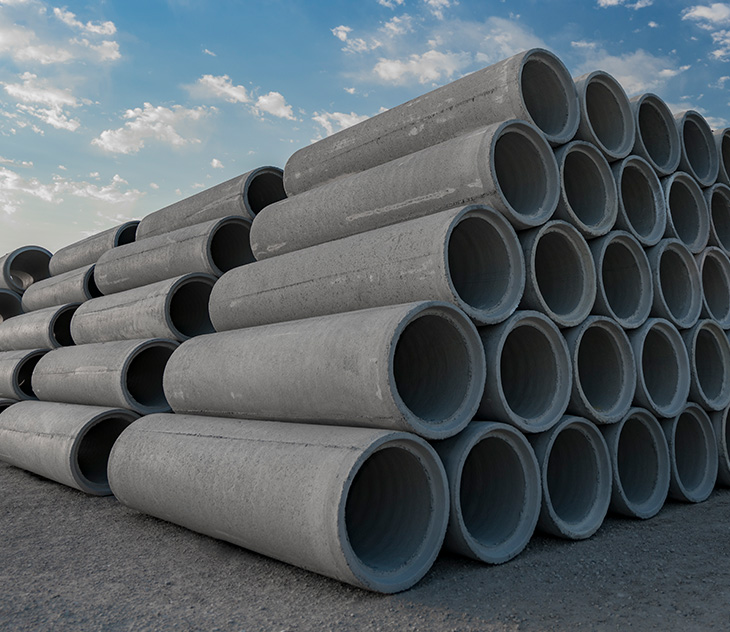
At its most fundamental, Reinforced Concrete Pipe is a composite material consisting of concrete strengthened by steel reinforcement bars or wire mesh. This combination imparts high compressive strength from the concrete and excellent tensile strength from the steel, making it exceptionally resilient against external pressures, internal flow forces, and environmental degradation. From a financial perspective, this inherent durability translates into several critical benefits. First, it implies a reduced likelihood of premature failure, which directly mitigates the financial risks associated with unexpected repairs, costly system downtime, and potential environmental remediation expenses. Second, the predictable long service life of RCP – often exceeding 100 years – offers a superior return on initial capital investment compared to materials with shorter lifespans requiring more frequent replacement. This longevity is a key metric for calculating the true cost-effectiveness over the asset’s entire utility, aligning perfectly with long-term capital improvement plans and public budgeting cycles.
Lifecycle Cost Analysis and ROI
For any significant capital outlay in infrastructure, a rigorous lifecycle cost analysis (LCA) is paramount. RCP pipe consistently performs well in LCAs due to its low maintenance requirements and extended operational life. While the initial procurement and installation costs of RCP can sometimes be higher than alternative materials like plastic pipes for certain applications, its superior resistance to abrasion, corrosion, and external loads significantly reduces ongoing operational expenditures. Factors such as lower inspection frequencies, minimal repair needs, and resistance to flotation or shifting due to hydrostatic pressure contribute to a substantially lower total cost of ownership over decades. For municipalities and private developers, this translates directly into a higher return on investment (ROI) over the asset’s lifespan. The avoided costs from fewer interventions, coupled with the consistent, reliable service, bolster the fiscal health of the responsible entity and secure the public’s investment in vital services. Financial tools frequently employed in these decisions, such as net present value (NPV) and internal rate of return (IRR), often favor the robust and long-lived characteristics of RCP when accounting for future cash flows and discount rates.
Business Finance and Production Economics
The manufacturing and distribution of RCP pipe form a significant segment of the heavy construction materials industry, operating under distinct business finance principles. The capital intensity of RCP production, coupled with the localized nature of its markets, shapes the financial strategies of companies in this sector. Understanding the economics behind RCP’s supply chain offers insights into its pricing, availability, and overall market stability, crucial considerations for project budgeting and procurement.
Capital Investment in Manufacturing
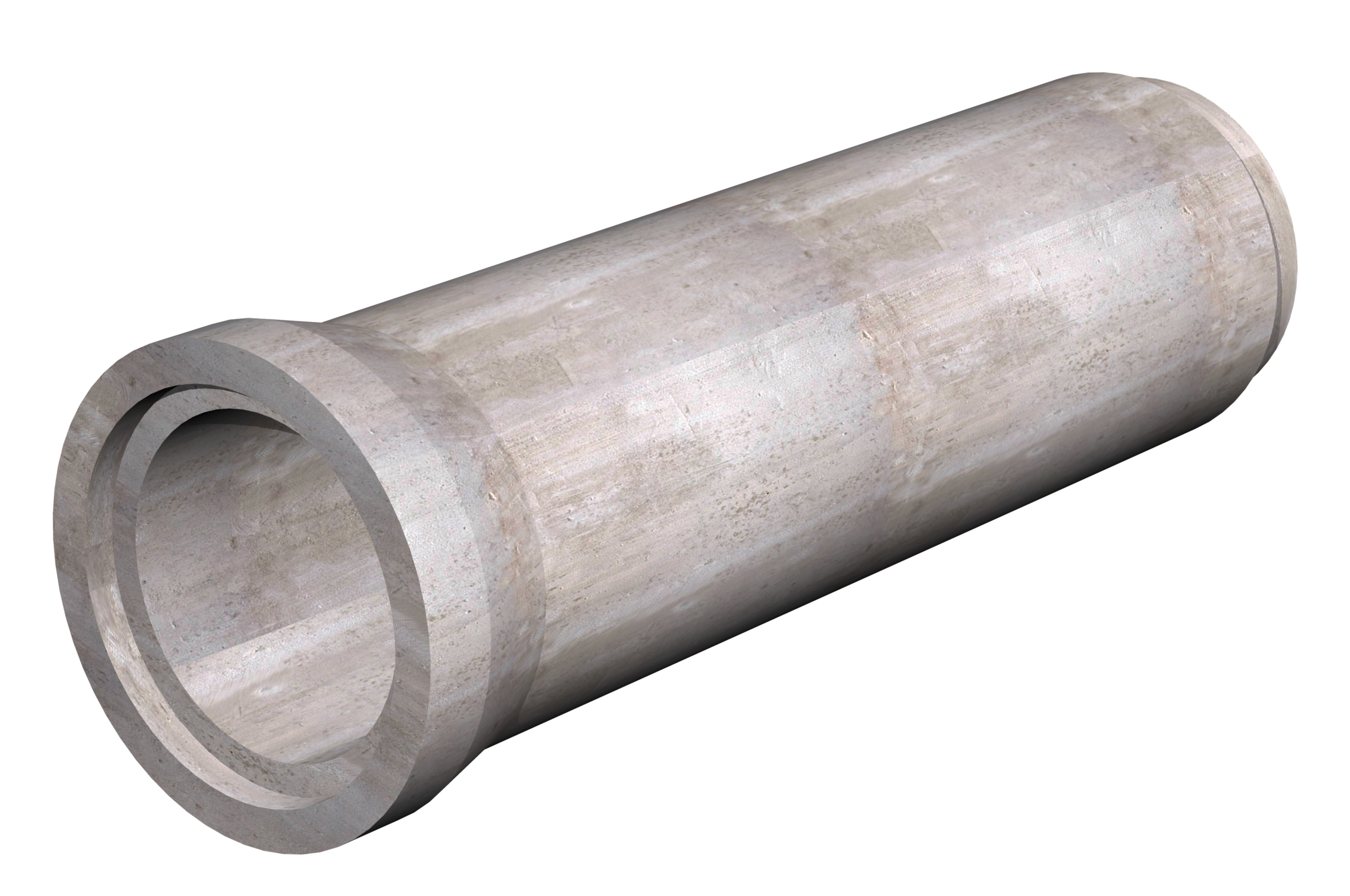
Producing RCP is a capital-intensive endeavor, requiring substantial upfront investment in specialized machinery, large-scale plant facilities, and sophisticated quality control systems. Concrete mixing plants, pipe-forming machines (such as cage rollers, packer heads, or vertical vibratory casting equipment), curing chambers, and heavy material handling equipment represent significant fixed assets on a manufacturer’s balance sheet. This high capital expenditure necessitates robust financial planning, including debt financing, equity investment, and strategic reinvestment of earnings. For manufacturers, economies of scale are vital to achieve profitability, requiring consistent demand and efficient operational management to maximize asset utilization. The capital allocation decisions made by these businesses directly influence their capacity to supply projects and their competitiveness in the market, ultimately impacting the pricing and availability of RCP for end-users.
Market Dynamics and Pricing Strategies
The market for RCP pipe is often regional, influenced by local aggregate availability, transportation costs, and the concentration of infrastructure development projects. Pricing strategies are complex, factoring in raw material costs (cement, aggregates, steel reinforcement), energy expenses for production, labor costs, and freight. Manufacturers employ diverse strategies, from cost-plus pricing to value-based pricing, depending on competitive landscapes and project specificities. The long lead times often associated with custom or large-diameter RCP orders also introduce financial risk and require robust inventory management and production scheduling. For project developers and public entities, understanding these market dynamics is essential for accurate budget forecasting, securing favorable procurement contracts, and mitigating supply chain risks that could impact project timelines and financial expenditures. Strategic sourcing and long-term supply agreements can offer financial stability and price predictability, safeguarding large infrastructure investments from market volatility.
Investment in Durability: A Long-Term Financial Play
Choosing RCP pipe is, in essence, an investment in durability and resilience. This choice carries profound long-term financial implications, offering safeguards against future costs and contributing to the sustained value of public and private assets. For financial managers overseeing vast portfolios of infrastructure, RCP represents a strategic allocation of capital that pays dividends in reliability and reduced future liabilities.
Mitigating Future Financial Risks
The robust nature of RCP pipe serves as a powerful tool for mitigating future financial risks associated with infrastructure failure. Failures in critical pipelines can lead to catastrophic costs, including emergency repairs, property damage, environmental fines, public health crises, and severe economic disruption. By selecting a material known for its strength, impermeability, and resistance to common degradation mechanisms – such as corrosion from acidic soils, abrasion from high-velocity flows, or chemical attack from wastewater constituents – stakeholders significantly reduce the probability of these costly events. This proactive risk management aligns with sound financial governance, protecting budgets from unforeseen expenditures and safeguarding public funds. Moreover, the inherent fire resistance of concrete adds another layer of financial protection in certain applications, further solidifying its value proposition.

Asset Value and Public Sector Investments
For public sector entities, particularly municipalities and water authorities, infrastructure assets like pipelines represent substantial portions of their balance sheets. The choice of RCP directly contributes to the long-term asset value of these entities. Durable RCP systems require less frequent capital injection for replacement, preserving precious public funds for other community development priorities. This longevity also ensures the continuous provision of essential services, which underpins local economies and enhances the overall quality of life, contributing to broader socio-economic stability. From an accounting perspective, a longer-lasting asset depreciates over a more extended period, reflecting a sustained book value. Furthermore, effective asset management, heavily reliant on the longevity of materials like RCP, can positively impact credit ratings for municipal bonds, potentially lowering borrowing costs for future infrastructure projects. Thus, “what is RCP pipe” ultimately converges on its role as a stable, long-term financial asset that supports both immediate project goals and the enduring fiscal health of public and private sector operations.
aViewFromTheCave is a participant in the Amazon Services LLC Associates Program, an affiliate advertising program designed to provide a means for sites to earn advertising fees by advertising and linking to Amazon.com. Amazon, the Amazon logo, AmazonSupply, and the AmazonSupply logo are trademarks of Amazon.com, Inc. or its affiliates. As an Amazon Associate we earn affiliate commissions from qualifying purchases.