
In the vast landscape of global institutions, the Catholic Church stands as a singular entity with a brand identity forged over two millennia. Its reach, recognition, and resonance are unparalleled, built not merely on doctrine but on a meticulously crafted system of engagement, community, and initiation. Central to this enduring brand strategy, particularly for new adherents, is the Rite of Christian Initiation of Adults (RCIA). While often understood solely as a theological and pastoral process, RCIA functions as a sophisticated corporate identity program, a strategic marketing funnel, and a meticulously designed onboarding journey that reinforces and perpetuates the Catholic brand across diverse cultures and generations.
Forging Corporate Identity Through Structured Initiation
RCIA is, at its core, a structured process for individuals to learn about and eventually become full members of the Catholic Church. From a branding perspective, it serves as the primary mechanism through which the Church communicates its corporate identity to potential new “stakeholders.” This isn’t merely about transmitting information; it’s about embedding a profound sense of belonging, purpose, and adherence to a distinct global entity.
Defining Core Values and Mission
Every successful brand articulates a clear set of values and a mission statement. For the Catholic Church, these are rooted in its theological tenets and historical tradition. RCIA meticulously unpacks these core values – faith, charity, community, sacrament, and service – through a phased educational process. Candidates are introduced to the Church’s foundational narratives, its ethical framework, and its understanding of the human condition. This systematic exposure ensures that every new member understands the “why” behind the brand, fostering an alignment between personal beliefs and institutional identity. Without this structured immersion, the brand message could become diluted or misinterpreted, weakening the collective identity of its members. RCIA acts as a quality control mechanism for brand understanding, ensuring that new members are not just joining a group, but assenting to a clearly defined set of principles and practices that form the bedrock of the Catholic identity.
The Consistent Brand Experience
A strong corporate identity relies on consistency. RCIA, while administered locally by individual parishes, operates under a universal liturgical framework established by the Vatican. This ensures a remarkably consistent brand experience, regardless of geographical location. The stages of initiation—Inquiry, Catechumenate, Purification and Enlightenment, and Mystagogy—are designed to deliver a uniform journey of discovery and integration. This consistency is vital for a global brand; it means that an individual initiated in Rome will share fundamental understandings and experiences with someone initiated in New York or Manila. This standardization prevents fragmentation of the brand message, reinforcing the idea of a singular, universal Church. It’s akin to a global corporation ensuring its flagship product or service delivers the same core experience and quality worldwide, thereby strengthening overall brand recognition and trust. The rites and rituals themselves are standardized “brand touchpoints” that evoke specific meanings and emotions, binding participants to a shared institutional narrative.
RCIA as a Strategic Marketing and Engagement Funnel
In contemporary marketing, a funnel represents the journey a potential customer takes from awareness to conversion. RCIA functions remarkably similarly, acting as a sophisticated, long-term engagement funnel designed to convert “brand-curious” individuals into committed “brand loyalists.”
Attracting the Brand-Curious
The initial “Inquiry” phase of RCIA serves as the top of the funnel. It’s an open-ended invitation for anyone interested in the Catholic Church to explore without immediate commitment. This low-barrier entry is a shrewd marketing tactic, allowing individuals to “kick the tires” and ask questions in a welcoming, non-pressured environment. People might be drawn by spiritual curiosity, the example of a friend, or an existing connection to Catholic culture. RCIA provides a structured entry point that captures this initial interest, preventing potential adherents from being lost due due to a lack of clear pathway. This phase acts as an initial “awareness campaign,” making the Catholic “product” accessible and understandable to a broader audience without requiring immediate commitment.
Educating on the “Product” and Community
As inquirers progress, they enter the “Catechumenate” phase, which is an intensive education period. Here, the “product” – the Catholic faith, its teachings, sacraments, and moral life – is thoroughly presented. This isn’t just about dogma; it’s about illustrating the practical application of the brand in daily life. Participants learn about the Church’s history, its social teachings, and its liturgical practices. Simultaneously, they are introduced to the “community” aspect of the brand, integrating into parish life, meeting existing members, and beginning to form social bonds. This prolonged engagement is crucial for deep assimilation. It allows potential members to understand the full scope of the Catholic brand, its benefits, and its responsibilities, ensuring that their decision to join is informed and intentional. It’s a comprehensive “customer education” program, designed to clarify the value proposition and foster a sense of belonging long before formal commitment. This strategic immersion reduces post-conversion dissonance and increases the likelihood of long-term brand adherence.
The Onboarding Journey: Building Brand Loyalty and Adherence
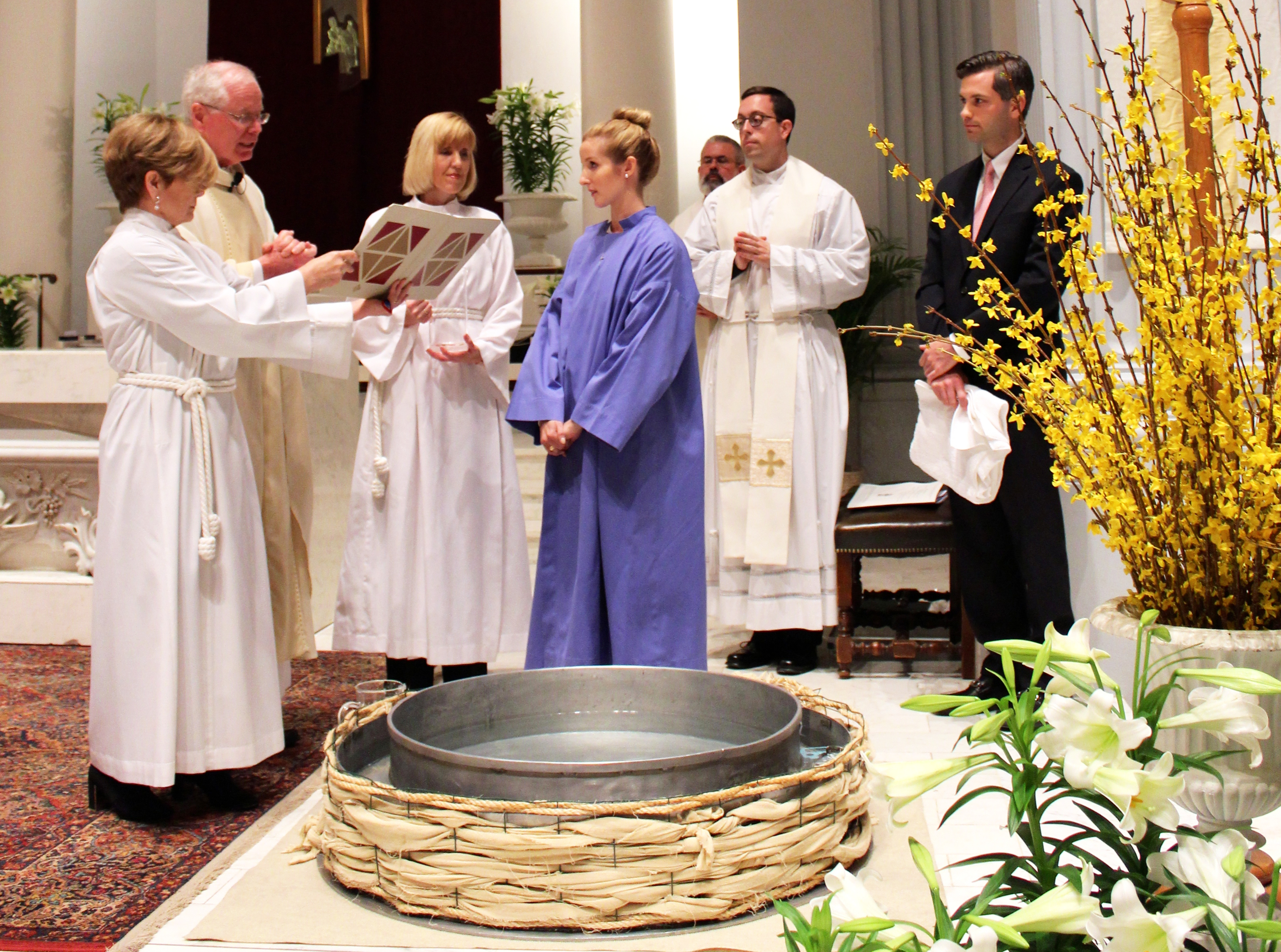
Beyond marketing and identity, RCIA is a robust onboarding program designed to seamlessly integrate new members and cultivate deep, lasting brand loyalty. It recognizes that true commitment requires more than just understanding; it demands experience and assimilation.
A Phased Approach to Integration
The journey through RCIA is characterized by distinct phases and public rites (Scrutinies, Presentations) that mark progression. These milestones act as psychological anchors, acknowledging the candidate’s commitment and reinforcing the Church’s acceptance. This phased approach mirrors best practices in onboarding, where new employees or customers are gradually introduced to increasing levels of responsibility or engagement. It prevents overwhelm and allows for organic growth in understanding and attachment. The culminating Sacraments of Initiation – Baptism, Confirmation, and Eucharist – are the ultimate “brand commitments,” signifying full adoption and integration. These are not mere administrative procedures but profound ceremonial experiences designed to emotionally bind the individual to the Catholic identity. They represent the “activation” of a new member, empowering them with the full rights and responsibilities of the “corporate citizen.”
Cultivating Long-Term Commitment
The “Mystagogy” phase, occurring after initiation, is dedicated to deepening the new Catholic’s understanding of the mysteries they have now received. This post-conversion support is critical for long-term brand loyalty. It addresses the common challenge of integrating new members into an existing community, providing ongoing education and spiritual guidance. Just as a brand offers post-sale support or community forums, Mystagogy ensures new members feel supported and continue to grow within the Catholic framework. It helps prevent “churn” by solidifying their place within the community and encouraging continued engagement with the “product” (faith) and the “brand” (Church). By fostering ongoing participation in parish life and continuous learning, RCIA aims to create not just members, but active, committed evangelists for the Catholic brand.
Ritual and Symbolism: Designing the Brand Experience
Effective brand strategy goes beyond messaging; it involves the deliberate design of experiences that evoke specific feelings and reinforce identity. RCIA, deeply rooted in liturgy, expertly employs ritual and symbolism as powerful tools for brand experience design.
Sacraments as Brand Touchpoints
The sacraments administered within RCIA – particularly Baptism, Confirmation, and Eucharist – are not just religious rites; they are potent brand touchpoints. They are multisensory experiences involving water, oil, bread, wine, light, and specific verbal formulas, all rich with meaning and tradition. These elements are consistent globally, creating a universal, recognizable experience that reinforces the Church’s timeless identity. Each sacrament visually and viscerally communicates core aspects of the Catholic brand: purification, spiritual strength, communion, and sacrifice. They are the ultimate embodiment of the Church’s value proposition, delivered through a carefully orchestrated, deeply symbolic ceremony that leaves a lasting impression on the participant.
Visual and Verbal Cues of Identity
Throughout the RCIA process, candidates encounter a wealth of visual and verbal cues that reinforce the Catholic brand. From the architecture and artwork of churches to the vestments worn by clergy, the precise language of prayers, and the structure of liturgical seasons, every detail contributes to a cohesive brand aesthetic. The consistent use of symbols like the cross, the fish, and Marian imagery, alongside specific theological terminology, builds a unique vocabulary and visual language that is unmistakably Catholic. RCIA systematically introduces these elements, teaching candidates to “read” and understand the implicit and explicit messages embedded in the Catholic experience. This comprehensive design ensures that new members are fully immersed in and understand the brand’s unique semiotics, enabling them to navigate and participate authentically within the Catholic corporate culture.
Sustaining the Global Brand Through Local Programs
The Catholic Church is a global entity with a centralized leadership structure, yet its daily operations are executed through millions of local parishes. RCIA is a prime example of a global brand strategy being effectively implemented at the local level, ensuring consistent identity while adapting to local contexts.

Decentralized Execution, Centralized Identity
While the principles and rites of RCIA are universally mandated, the practical implementation, the tone, and the community dynamics of each program are shaped by the local parish. This decentralized execution model allows for adaptability and relevance, fostering a sense of ownership among local leaders and volunteers. Yet, the core curriculum and liturgical rites ensure that the fundamental Catholic identity remains intact. This balance between global guidelines and local adaptation is a hallmark of successful international branding. It allows the Catholic Church to maintain its universal brand message while effectively engaging diverse local “markets.” RCIA, therefore, is not just a program; it is a testament to the Catholic Church’s enduring brand strategy: a meticulously designed system for initiating new members that ensures the continuity, consistency, and strength of one of the world’s most ancient and widespread brands. It’s a masterclass in how a vast, enduring institution sustains its corporate identity and expands its community through structured, intentional engagement.
aViewFromTheCave is a participant in the Amazon Services LLC Associates Program, an affiliate advertising program designed to provide a means for sites to earn advertising fees by advertising and linking to Amazon.com. Amazon, the Amazon logo, AmazonSupply, and the AmazonSupply logo are trademarks of Amazon.com, Inc. or its affiliates. As an Amazon Associate we earn affiliate commissions from qualifying purchases.