
“Pay in lieu” refers to a financial payment made to an individual in place of something else they would ordinarily be entitled to or perform. While the concept can apply to various situations, its most prevalent and financially significant application occurs in the context of employment termination, specifically as “Pay In Lieu Of Notice” (PILON). This payment mechanism serves as a critical financial instrument for both employers managing workforce transitions and employees navigating post-employment income. Understanding pay in lieu, its nuances, and its financial implications is essential for sound personal finance management and robust business financial planning.
Decoding “Pay in Lieu”: A Fundamental Concept in Employment Finance
At its core, “pay in lieu” means “payment instead of.” In the realm of employment, it represents a monetary sum provided by an employer to an employee to compensate for something that the employee would otherwise have received or done. The primary motivation for such payments is often to achieve a clean break or to simplify administrative processes, ensuring that financial entitlements are met without requiring specific actions or conditions to be fulfilled.
Definition and Core Purpose
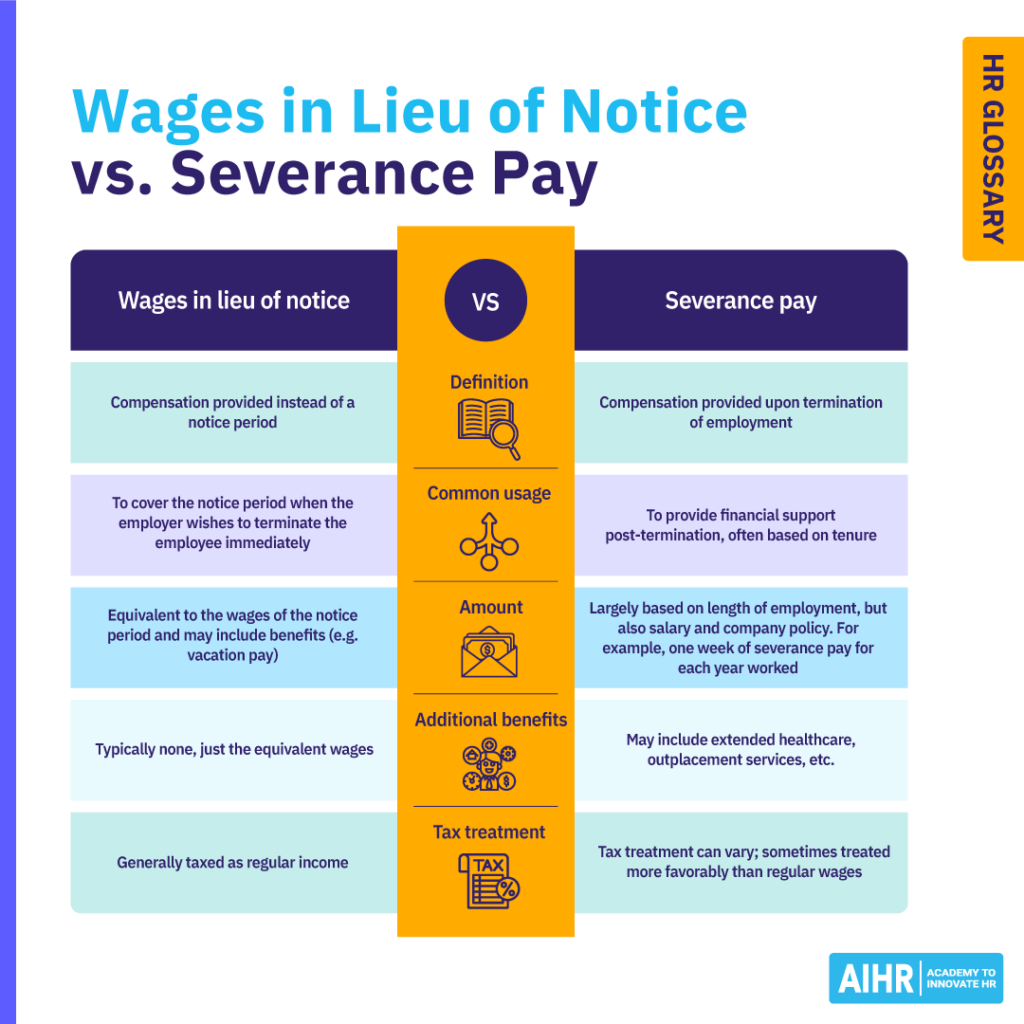
A “pay in lieu” arrangement typically arises when an employer decides to terminate an employee’s contract but prefers not to have the employee work through their notice period. Instead of working, the employee receives a lump sum payment equivalent to the salary and sometimes benefits they would have earned during that notice period. The core purpose of this financial transaction is to allow for immediate separation, prevent potential disruption, protect sensitive company information, or simply to streamline the departure process, while still fulfilling the employer’s contractual or statutory obligations regarding notice.
Common Scenarios for Pay in Lieu
While PILON is the most common manifestation, “pay in lieu” can also apply to other financial arrangements within employment:
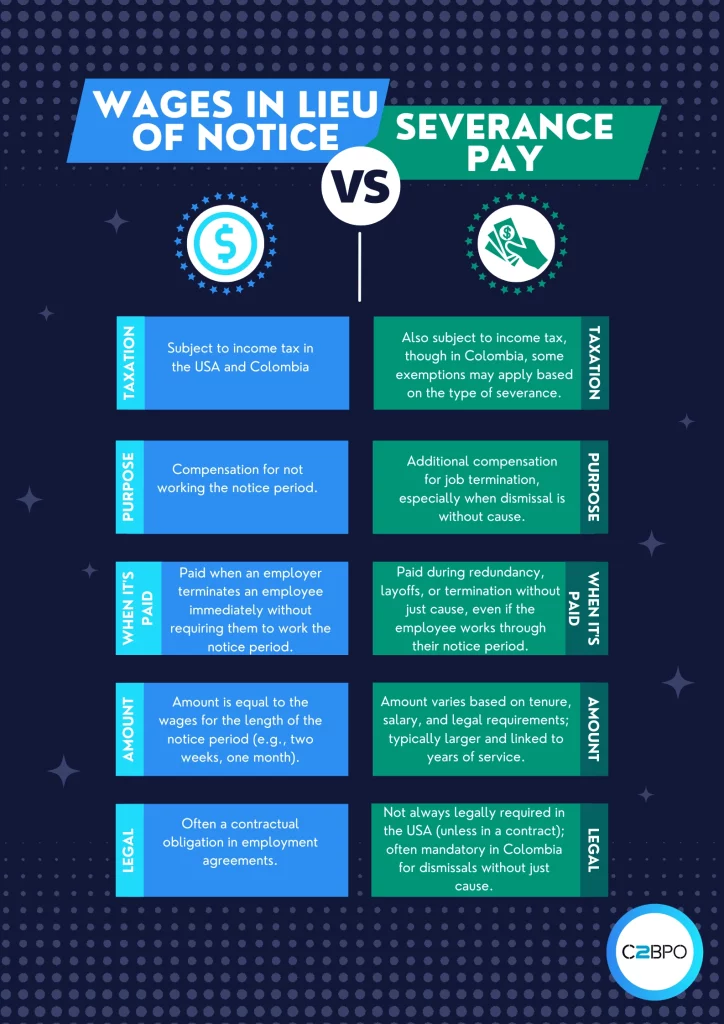
- Pay In Lieu Of Notice (PILON): This is by far the most frequent scenario. When an employer terminates an employee’s contract, they are often required to provide a notice period, either as stipulated in the employment contract or by statutory law. If the employer wishes the employee to leave immediately, they can offer a PILON, paying the employee for the duration of the notice period without requiring them to work.
- In Lieu of Benefits: In some cases, a payment might be made in lieu of specific benefits. For instance, an employee might receive a cash allowance in lieu of a company car, health insurance, or pension contributions if their contract allows for such an exchange. This converts a non-cash benefit into a taxable monetary payment.
- Untaken Vacation/Annual Leave: Upon termination, employees are typically entitled to be paid for any accrued but unused vacation days. This payment, often calculated at the employee’s standard daily rate, is a form of pay in lieu of the time off they were entitled to but did not take. This is usually treated as standard taxable income.
Pay in Lieu of Notice (PILON): The Dominant Application
PILON is a critical financial and legal consideration in workforce management. It allows employers flexibility in managing departures while providing employees with financial security during a transition period. However, its implementation carries specific financial and tax implications that both parties must thoroughly understand.
Contractual vs. Non-Contractual PILON
The legal and financial treatment of PILON payments can differ significantly based on whether the right to make such a payment is explicitly stated in the employment contract.
- Contractual PILON: If the employment contract contains a “PILON clause,” the employer has a contractual right to make a payment in lieu of notice. In this scenario, the payment is typically considered taxable income, subject to standard income tax and social security contributions (such as National Insurance in the UK or FICA in the US). From a financial planning perspective, this is usually straightforward, as it’s treated as earnings from employment.
- Non-Contractual/Common Law PILON: This occurs when an employer makes a PILON payment despite there being no explicit clause in the employment contract allowing them to do so. Legally, this can be considered a breach of contract by the employer. Historically, and in some jurisdictions, such payments were sometimes treated as damages for breach of contract rather than earnings, potentially leading to different tax treatment (e.g., in some countries, the first portion of damages might be tax-exempt). However, tax authorities in many regions have increasingly moved to treat all PILON payments, regardless of their contractual basis, as earnings for tax purposes. This area is legally complex and requires careful consideration of local tax laws.
Calculation of PILON
The calculation of a PILON payment involves more than just the basic salary for the notice period. A comprehensive PILON package should aim to compensate the employee for all earnings and benefits they would have received had they worked their notice period.
- Base Salary: This is the foundational component, covering the employee’s regular salary for the entirety of the notice period.
- Inclusion of Other Benefits: Crucially, a fair PILON often includes the monetary value of other benefits that would have been received during the notice period. This can encompass:
- Pension Contributions: Both employer and employee contributions.
- Health Insurance Premiums: The cost of continuing coverage or an equivalent payment.
- Company Car Allowance: The monetary value of the car or an equivalent allowance.
- Bonuses and Commissions: If there was a reasonable expectation of earning these during the notice period, their pro-rata value might be included.
- Other Perquisites: Any other contractual benefits with a measurable financial value.
The calculation must be precise, as underpaying an employee could lead to legal disputes, while overpaying might create unnecessary financial strain for the employer.
Strategic Considerations for Employers
Employers strategically use PILON for various reasons, all with financial implications:
- Mitigating Risk: An immediate departure can prevent a disgruntled employee from accessing sensitive company data, engaging in competitive activities, or causing disruption within the workplace during their notice period. The financial cost of PILON is often weighed against the potential financial and reputational risks associated with a working notice period.
- Smooth Transitions: For high-level positions or roles involving critical projects, a PILON can facilitate a quicker handover to a successor or allow for a more controlled announcement of departure without an extended period of limbo.
- Cost-Benefit Analysis: Employers must perform a financial analysis comparing the cost of an employee working their notice (salary, benefits, potential productivity loss, risk) versus the cost of a PILON payment. This helps determine the most financially prudent approach.

Employee Perspective and Implications
For the employee, receiving PILON offers both immediate financial security and the flexibility to seek new employment without the obligation of working out a notice period. However, it also has implications:
- Immediate Income: PILON provides a lump sum that bridges the gap until new employment is secured, offering financial stability.
- Job Search Flexibility: Employees can dedicate their full attention to job hunting without the demands of their current role.
- Benefit Continuity: Understanding how PILON impacts the continuation of benefits (e.g., health insurance, life assurance) is vital for financial planning. Employees might need to arrange interim coverage.
- Garden Leave as an Alternative: Sometimes, an employer might opt for “garden leave” instead of PILON. In this scenario, the employee remains employed and receives their full salary and benefits for the notice period but is asked not to come to work and typically barred from working for a competitor. This maintains the employer’s control over the employee’s actions while fulfilling contractual obligations.
Financial and Tax Implications of Pay in Lieu
The financial and tax treatment of pay in lieu is arguably the most complex and critical aspect, often requiring professional guidance. Misunderstanding these implications can lead to unexpected tax liabilities for employees and non-compliance penalties for employers.
Tax Treatment
The tax treatment of PILON payments is highly jurisdiction-specific and can be a source of confusion.
- As Earnings: In many jurisdictions, especially for contractual PILON, the payment is treated as regular employment income. This means it is subject to standard income tax, social security contributions (e.g., National Insurance, FICA), and other statutory deductions. From a personal finance perspective, this payment will contribute to the employee’s taxable income for the year.
- As Damages (Historical/Specific Circumstances): As mentioned, non-contractual PILON was historically sometimes treated as “damages for breach of contract” rather than earnings. In certain legal systems, a portion of damages might be exempt from income tax up to a specific threshold (e.g., the £30,000 exemption in the UK for certain termination payments). However, tax laws have evolved, and tax authorities generally aim to tax all payments arising from employment cessation. It is crucial to verify the current regulations in the relevant jurisdiction, as this is a frequently misinterpreted area.
- Payment for Untaken Leave: Payments for accrued but untaken annual leave are almost universally treated as ordinary employment income, subject to full tax and social security deductions.
- Reporting: Employers are legally obligated to report PILON payments correctly to tax authorities, typically via payroll systems. Employees should receive payslips and year-end tax statements reflecting these payments.
Impact on Benefits and Pensions
The receipt of a PILON payment can have further financial implications for an employee’s benefits and pension arrangements:
- Pension Contributions: If the PILON is treated as earnings, does it count towards pensionable earnings, allowing for continued employer and employee contributions for the notice period? This varies by pension scheme rules and local regulations.
- Health and Life Insurance: Does the PILON include a payment to cover the loss of company-provided health insurance, life assurance, or disability benefits during the notice period? If not, employees will need to budget for private coverage to avoid a lapse, which is a critical personal finance consideration.
- Other Employee Benefits: Access to employee assistance programs, discounted services, or other non-cash benefits usually ceases immediately upon termination, regardless of PILON.
Severance vs. Pay in Lieu
It’s important to distinguish between PILON and a broader severance package.
- PILON: Specifically compensates for the notice period not worked.
- Severance Package: A more comprehensive financial agreement upon termination, especially in redundancy situations. This might include PILON, statutory redundancy pay, ex-gratia payments (payments made voluntarily by the employer), and outplacement support. The tax treatment of these different components can vary significantly. For instance, statutory redundancy pay and ex-gratia payments might benefit from tax exemptions up to a certain threshold in some countries, unlike contractual PILON. Careful financial analysis is needed to understand the total financial impact and tax liability of a complete termination package.
Navigating Pay in Lieu: Best Practices and Expert Advice
Given the financial, legal, and tax complexities surrounding pay in lieu, both employees and employers benefit greatly from understanding best practices and seeking professional guidance.
For Employees
- Review Your Contract: Before accepting any termination terms, thoroughly review your employment contract for any clauses related to notice periods and PILON. This helps you understand your baseline entitlements.
- Understand the Breakdown: Request a clear, itemized breakdown of any proposed pay in lieu payment. Ensure it accounts for all components you would have received had you worked your notice (salary, benefits, potential bonuses).
- Seek Independent Advice: For larger sums or complex situations, consult an employment lawyer or a tax advisor. They can clarify your rights, analyze the proposed payment, and advise on the most tax-efficient way to manage the funds.
- Budget and Plan: Understand the net amount you will receive after taxes and plan your personal finances accordingly. Consider how this lump sum will cover living expenses during your job search, potential benefit gaps, and any long-term financial goals.
For Employers
- Ensure Contractual Clarity: Include clear, unambiguous PILON clauses in employment contracts. This provides legal certainty and simplifies the process if termination becomes necessary.
- Consult Legal Counsel: Always seek legal advice before implementing a non-contractual PILON or when dealing with complex termination scenarios to ensure compliance with labor laws and to mitigate legal risks.
- Accurate Calculation: Implement robust processes for accurately calculating all components of a PILON payment, including pro-rata benefits, to avoid disputes.
- Transparent Communication: Clearly communicate the details of the PILON payment to the departing employee, explaining how it was calculated and its tax implications.
- Tax Compliance: Ensure all PILON payments are correctly reported to tax authorities and that appropriate tax and social security contributions are deducted and remitted. Failure to do so can result in significant financial penalties.
The Importance of Professional Consultation
Due to the intricate interplay of employment law, financial accounting, and tax regulations, general advice on pay in lieu can only go so far. For specific circumstances, the counsel of HR specialists, employment lawyers, and qualified tax advisors is indispensable. These professionals can provide tailored guidance, ensuring that both employers and employees navigate the financial landscape of pay in lieu compliantly and advantageously. Properly managed, pay in lieu can provide a fair and efficient mechanism for ending employment relationships, safeguarding the financial interests of all parties involved.
aViewFromTheCave is a participant in the Amazon Services LLC Associates Program, an affiliate advertising program designed to provide a means for sites to earn advertising fees by advertising and linking to Amazon.com. Amazon, the Amazon logo, AmazonSupply, and the AmazonSupply logo are trademarks of Amazon.com, Inc. or its affiliates. As an Amazon Associate we earn affiliate commissions from qualifying purchases.