
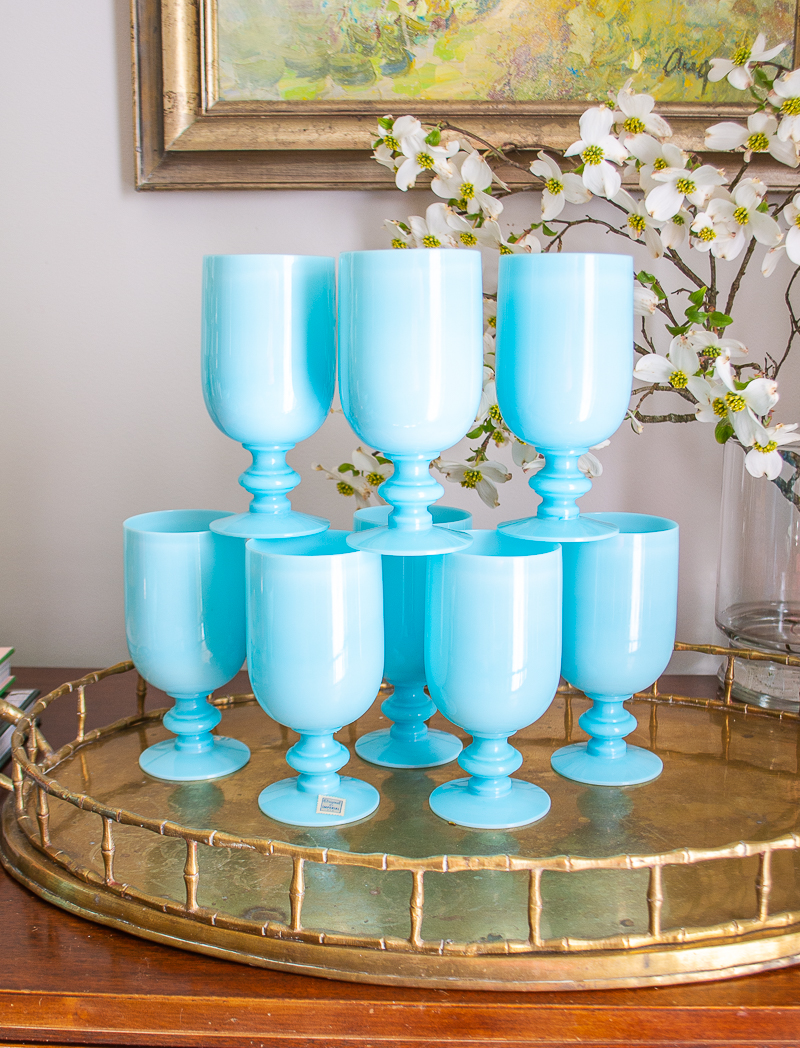
Opaline glass, a captivating and often undervalued segment within the decorative arts, represents more than just a specific manufacturing technique; it embodies a rich history intertwined with luxury, craftsmanship, and a compelling market for collectors and investors. Understanding “what is opaline glass” is crucial for anyone looking to navigate its financial landscape, from identifying valuable pieces to comprehending its place in the broader collectibles market. At its core, opaline glass refers to a semi-opaque, translucent glass, typically milky white, but also produced in delicate shades of blue, pink, green, and yellow, resembling opals or porcelain. Primarily crafted in France from the early 19th century through the Second Empire (1800s-1870s), with notable production also occurring in Bohemia and other European regions, its allure lies in its subtle luminescence, smooth finish, and elegant forms, often embellished with gilt or enameling. This unique aesthetic and historical context contribute directly to its financial standing today.
The Economic Allure and Distinctive Characteristics of Opaline Glass
The intrinsic value of opaline glass in the collectibles market stems directly from its distinctive characteristics and the economic environment of its production. Unlike common glassware, opaline glass was a luxury item, primarily patronized by the affluent bourgeoisie and aristocracy, reflecting trends in decorative arts and interior design. This historical positioning as a high-end product immediately elevates its baseline value as a collectible.
Defining its Financial Appeal Through Craftsmanship
Opaline glass derives its characteristic milky appearance from the addition of bone ash, tin oxide, or arsenic to the molten glass mixture during production. This specific chemical composition, combined with the mastery required to achieve consistent color and transparency, meant production was not cheap or easily replicated. Early pieces, especially those exhibiting exceptional clarity, even coloration, and intricate decorative work such as hand-painted scenes or applied gilt bronze mounts, command higher prices due to their rarity and the labor-intensive processes involved. The subtle iridescence and porcelain-like finish of true opaline distinguish it from later, mass-produced milk glass, a critical distinction for appraisal and investment purposes. The quality of the finish, the thickness of the glass, and the sophistication of any embellishments are direct indicators of the original production cost and, consequently, its present-day market value.
Historical Context and Market Origins
The initial popularity of opaline glass coincided with the Neoclassical and Empire styles, followed by the Romantic and Rococo Revival periods. These eras were marked by a burgeoning market for luxury household items, driven by industrial advancements and increased disposable income among the upper classes. Manufacturers such as Baccarat, Moser, and Clichy, among others, capitalized on this demand, producing exquisite vases, decanters, perfume bottles, and decorative objects. The association with these renowned houses and their documented production histories significantly boosts the provenance and, therefore, the financial value of specific pieces. For instance, a documented Baccarat opaline piece from the mid-19th century will invariably fetch a higher price than an unmarked piece of similar aesthetic quality from an unknown maker, purely due to brand recognition and historical authenticity.
Opaline Glass as an Investment and Collectible Asset
For those with an eye on alternative investments, opaline glass presents a fascinating segment. Its market is influenced by factors common to all fine art and antiques: rarity, condition, provenance, and aesthetic appeal, but also by more specific dynamics related to its material and historical context.
Factors Driving Valuation and Scarcity
The investment potential of opaline glass is heavily reliant on several key factors. Rarity is paramount; limited production runs, unique forms, or pieces with specific historical significance (e.g., those commissioned for royal households) are inherently more valuable. Condition is another critical determinant; flawless pieces without chips, cracks, repairs, or significant wear to the gilding or enamel are highly sought after. Even minor damage can substantially diminish value. Provenance, or the documented history of ownership, can dramatically increase a piece’s worth, particularly if it was owned by a notable figure or was part of a prestigious collection. Lastly, aesthetic appeal plays a subjective yet powerful role. Pieces that align with current interior design trends or possess timeless beauty tend to attract broader interest and higher bids. Understanding these factors is essential for evaluating potential acquisitions from a financial perspective.

Influential Manufacturers and Their Economic Footprint
Certain manufacturers hold a privileged position in the opaline glass market due to their established reputations for quality and design innovation. French houses like Baccarat, Moser, and Choisy-le-Roi were pioneers, often setting trends for color palettes, forms, and decorative techniques. Their pieces are frequently signed or documented, making identification and authentication easier, which in turn reinforces their market premium. For instance, a rare Baccarat opaline desk set or an exceptionally large Moser opaline vase can be a significant investment, appreciating steadily over time if well-maintained. Conversely, unmarked pieces, while potentially beautiful, carry a higher risk of misattribution and thus generally command lower prices unless they exhibit extraordinary quality or unique characteristics that point to a premium origin. Researching manufacturer marks, production periods, and signature styles is a critical due diligence step for any serious collector or investor.
Navigating the Market: Investment Strategy and Appraisal
Engaging with the opaline glass market requires a strategic approach, whether one is buying for personal enjoyment, as a long-term investment, or considering liquidation. Understanding market trends and appraisal methodologies is vital for maximizing financial returns and avoiding pitfalls.
Market Dynamics and Price Fluctuations
The market for opaline glass, like many antique segments, is cyclical. While not as volatile as some financial markets, it is influenced by prevailing tastes, economic conditions, and the availability of high-quality pieces. Over the past few decades, there have been periods of intense interest, particularly in the late 20th century, followed by more stabilized growth. Currently, there is a renewed appreciation for historically significant and aesthetically pleasing decorative arts, which bodes well for premium opaline pieces. Investors should monitor auction results, consult with reputable dealers, and follow market reports from leading antique publications to gauge current demand and pricing trends. Investing in pieces that are both historically significant and visually appealing often provides the most robust long-term value, as they appeal to both collectors and interior designers.
The Critical Role of Provenance and Authenticity in Valuation
For high-value opaline glass, provenance is not merely an interesting anecdote; it is a fundamental pillar of its valuation. A documented history of ownership from a prominent collection, or verifiable ties to a specific historical event or figure, can significantly elevate a piece’s worth. Authenticity is equally crucial. The market is not immune to fakes or misattributions, particularly with items that lack clear maker’s marks. Professional appraisal by an expert with deep knowledge of 19th-century European glass is indispensable. These experts can discern genuine opaline from later imitations, identify specific manufacturers, assess the quality of decoration, and evaluate condition, all of which directly impact the financial assessment. For insurance purposes, estate planning, or potential sale, a detailed, expert appraisal is a non-negotiable step.
Financial Considerations for Collectors and Dealers
Acquiring and managing a collection of opaline glass requires careful financial planning, from the initial purchase to long-term preservation and potential liquidation. These considerations ensure that the assets retain and potentially increase in value over time.
Strategic Acquisition and Liquidation Channels
When acquiring opaline glass, investors have several avenues: reputable antique dealers, specialized auctions, and online marketplaces. Each has distinct financial implications. Dealers often offer authenticated pieces with guarantees, though at a premium. Auctions can yield significant finds, but require careful bidding strategy and an understanding of buyer’s premiums. Online platforms offer broader access but demand heightened vigilance regarding authenticity and condition verification. For liquidation, the same channels apply. Consigning to a reputable auction house or selling through a well-connected dealer can ensure fair market value and reach the right buyers, albeit with associated fees. For lower-value pieces, direct online sales might be more cost-effective. Diversifying acquisition methods and understanding selling costs are key to a financially sound approach.

Insurance, Preservation, and Long-Term Value Protection
Protecting the financial value of an opaline glass collection extends beyond the purchase price. Adequate insurance is critical to safeguard against loss, damage, or theft. Policies should be reviewed regularly and adjusted as the collection’s value appreciates. Beyond insurance, proper preservation is paramount. Opaline glass, while durable, is susceptible to damage from impacts, extreme temperature fluctuations, and harsh cleaning agents. Storing pieces in stable environments, handling them with care, and using appropriate cleaning methods (typically mild soap and water) are essential for maintaining their pristine condition. Investment in proper display cases, archival storage materials, and professional restoration (when necessary and carefully considered for its impact on value) can protect the asset and ensure its long-term financial viability and appreciation.
In conclusion, opaline glass is far more than an aesthetic curiosity; it is a tangible asset with a discernible place in the world of collectibles and alternative investments. Its unique properties, historical context, and the economic forces that shaped its production and consumption all contribute to its financial standing. For those looking to invest in or simply understand the value of decorative arts, understanding “what is opaline glass” from a financial lens provides a robust framework for informed decisions.
aViewFromTheCave is a participant in the Amazon Services LLC Associates Program, an affiliate advertising program designed to provide a means for sites to earn advertising fees by advertising and linking to Amazon.com. Amazon, the Amazon logo, AmazonSupply, and the AmazonSupply logo are trademarks of Amazon.com, Inc. or its affiliates. As an Amazon Associate we earn affiliate commissions from qualifying purchases.