
In the complex landscape of modern business operations, ensuring a safe, productive, and compliant workplace is paramount to financial stability and sustained growth. A critical component of this strategy, particularly in safety-sensitive industries, is the implementation of robust drug screening programs. Among the various testing protocols, the 5-panel drug screen stands as a foundational and widely adopted standard. Understanding precisely what this test entails and its far-reaching financial implications is essential for any organization committed to effective risk management and sound business finance.
The Foundation of Workplace Compliance and Risk Management
A 5-panel drug screen is not merely a formality; it is a strategic tool designed to identify the presence of substances that can significantly impair judgment, motor skills, and overall employee performance. For businesses, the risks associated with an impaired workforce extend beyond individual safety incidents, impacting productivity, legal liability, insurance premiums, and ultimately, the bottom line. This standard test focuses on the most commonly abused substances, providing a cost-effective yet comprehensive initial screening.

Understanding the Standard 5-Panel Test
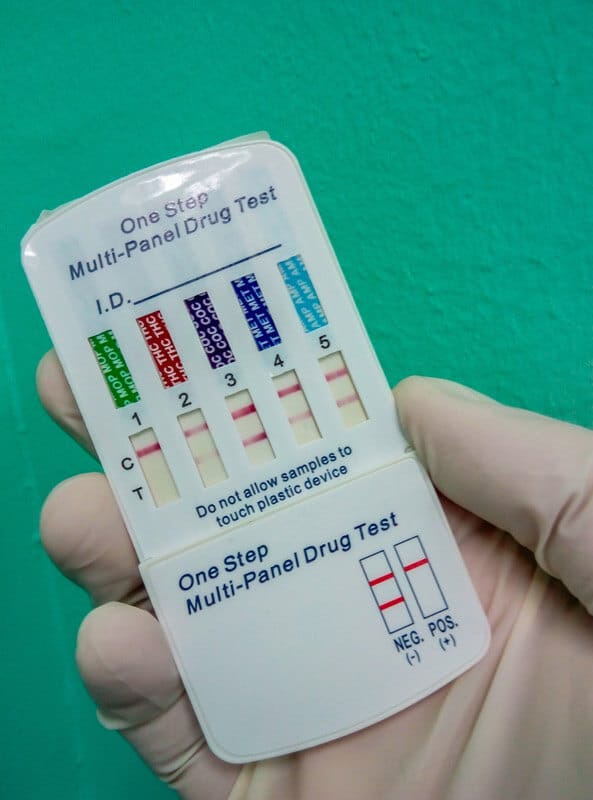
The “5 panel” refers to the five distinct classes of illicit or misused prescription drugs that the test is designed to detect. These include:
-
Amphetamines: This category encompasses stimulants such as methamphetamine, amphetamine, and ecstasy (MDMA). From a financial perspective, employees under the influence of amphetamines can exhibit erratic behavior, poor decision-making, increased aggression, and extended periods of wakefulness followed by severe crashes. These effects can lead to critical errors, workplace accidents, property damage, and heightened liability, all contributing to significant financial losses through injury claims, lost productivity, and potential legal fees.
-
Cocaine Metabolites: Cocaine, a powerful and highly addictive stimulant, poses an immediate financial threat through impaired judgment, decreased coordination, and increased impulsivity. Its use can lead to serious safety hazards, particularly in roles requiring precision, focus, or operation of heavy machinery. The financial burden includes not only accident-related costs but also increased absenteeism, decreased productivity, and the potential for costly employee assistance programs if addiction takes hold.
-
Opiates/Opioids: This panel screens for natural opiates like morphine, codeine, and heroin, as well as semi-synthetic and synthetic opioids such as oxycodone, hydrocodone, and fentanyl, which are prevalent in the current opioid crisis. The financial risks associated with opioid use are immense. Sedation, impaired cognitive function, and diminished motor skills significantly elevate the risk of workplace accidents, injuries, and fatalities. Businesses face soaring workers’ compensation claims, increased healthcare costs, disability benefits, and the profound economic impact of lost human capital and potential wrongful death lawsuits.
-
Phencyclidine (PCP): PCP, a dissociative anesthetic, can induce unpredictable and dangerous behaviors, including delusions, paranoia, and violence. An employee under the influence of PCP is an extreme safety hazard, capable of causing severe harm to themselves, colleagues, and company property. The financial ramifications include massive liability exposure, damage to reputation, potential civil and criminal charges, and the high costs associated with managing a crisis, including legal defense and potential business disruption.
-
Marijuana Metabolites (THC): Despite evolving legal statuses in various jurisdictions, marijuana (THC) remains a significant concern for many employers, particularly in federally regulated industries or roles demanding critical safety performance. Impairment from marijuana use can result in decreased reaction time, poor coordination, and altered perception, increasing the likelihood of errors and accidents. Financially, this translates to increased accident rates, higher insurance premiums, decreased output, and potential challenges in maintaining a drug-free workplace culture, impacting overall operational efficiency and profitability.
Legal and Regulatory Frameworks Impacting Business Finance
Beyond the direct risks, employers must navigate a complex web of federal and state regulations governing drug testing. Agencies like the Department of Transportation (DOT) mandate specific drug testing protocols for safety-sensitive positions, with severe financial penalties for non-compliance. Failing to adhere to these regulations can result in hefty fines, loss of contracts, operational shutdowns, and significant legal expenses. Conversely, implementing a well-defined and legally compliant drug screening program serves as a critical financial safeguard, protecting the business from costly litigation, reputational damage, and regulatory enforcement actions. Investing in legal counsel to establish a robust and compliant drug-testing policy is a prudent financial decision, preventing more substantial expenses down the line.
Financial Implications of a Comprehensive Screening Program
Implementing a drug screening program, including the standard 5-panel test, involves a range of direct and indirect costs, but these are often outweighed by the substantial financial benefits of maintaining a drug-free workplace. Understanding these financial dynamics is crucial for strategic budgeting and demonstrating return on investment.
Direct Costs: Testing, Administration, and Follow-Up
The most obvious financial outlays are the direct costs associated with the tests themselves. These include the fees for laboratory analysis, collection site services, medical review officer (MRO) services to interpret results, and potentially specialized confirmatory testing if an initial screen yields a non-negative result. Beyond the per-test cost, businesses must factor in administrative expenses related to scheduling, record-keeping, and managing the overall program. For instances where an employee tests positive, there may be additional costs for employee assistance programs (EAPs), rehabilitation referrals, or the expense of recruiting and training a replacement, which can be considerable. However, these direct costs are often a fraction of the potential financial losses incurred if drug use goes unchecked.
Indirect Costs: Productivity, Absenteeism, and Turnover
The indirect financial costs of drug abuse in the workplace are often far greater than the direct testing expenses. Employees struggling with substance abuse typically exhibit lower productivity, make more errors, and have higher rates of absenteeism and tardiness. This leads to missed deadlines, decreased output quality, and a strain on other team members who must pick up the slack. High turnover rates, often associated with unaddressed drug issues, result in substantial recruitment, onboarding, and training costs for new employees. Each departure and subsequent hire represents a significant investment of time and capital, directly impacting a company’s financial performance and operational efficiency. Moreover, the morale of other employees can suffer, subtly eroding overall productivity and increasing the risk of further turnover.
Insurance Premiums and Workers’ Compensation
One of the most compelling financial arguments for drug screening programs lies in their impact on insurance premiums and workers’ compensation claims. A workforce with a higher incidence of drug use is inherently more prone to accidents and injuries. This elevated risk directly translates to higher premiums for general liability, property, and most notably, workers’ compensation insurance. Insurers often offer discounts or more favorable rates to companies that implement comprehensive drug-free workplace policies, including pre-employment and random drug testing. By reducing the frequency and severity of workplace accidents, businesses can significantly lower their workers’ compensation payout exposure, mitigate legal fees associated with claims, and maintain healthier insurance profiles, leading to substantial long-term savings.
Mitigating Financial Risk Through Informed Policy Development
Effective financial risk mitigation regarding drug use in the workplace begins with a clear, compliant, and consistently enforced policy. This policy acts as a framework, guiding both employer and employee behavior and ensuring that drug screening programs are implemented fairly and effectively.
Crafting a Clear and Compliant Drug-Free Workplace Policy
Developing a comprehensive drug-free workplace policy is a critical financial and operational imperative. This policy must clearly outline the company’s stance on drug use, the circumstances under which testing will occur (e.g., pre-employment, reasonable suspicion, post-accident, random), the substances tested (including the 5-panel), and the consequences of a positive test or refusal to test. Crucially, the policy must comply with all relevant federal, state, and local laws, including those pertaining to privacy, disability, and medical marijuana. Legal consultation during policy development is an investment that safeguards against future legal challenges and associated financial penalties. A well-communicated policy fosters a transparent environment, reducing ambiguity and supporting a culture of safety and accountability, which directly contributes to financial stability.
The Role of HRIS and Financial Tools in Management
Modern Human Resources Information Systems (HRIS) and other financial management tools play an indispensable role in streamlining the administration of drug screening programs and managing their associated costs. Integrated HRIS platforms can automate test scheduling, track results, manage employee records securely, and ensure compliance with regulatory reporting requirements. By leveraging these tools, businesses can reduce manual administrative burdens, minimize errors, and gain valuable data insights into program effectiveness. From a financial perspective, this efficiency translates into lower administrative costs, better resource allocation, and a more robust audit trail, which can be critical in demonstrating compliance and defending against legal challenges. Financial planning software can also help forecast the costs of screening programs against the potential savings from reduced accidents, lower insurance premiums, and improved productivity, offering a clear financial justification for ongoing investment.
Long-Term Financial Benefits of a Strategic Approach
Beyond immediate cost savings and risk mitigation, a strategic approach to drug screening through a 5-panel test contributes significantly to the long-term financial health and sustainable growth of an organization. It’s an investment in human capital, operational efficiency, and brand equity.
Enhancing Employee Well-being and Retention
A workplace that actively promotes safety and discourages substance abuse sends a powerful message to its employees. It fosters a culture where well-being is valued, leading to higher morale, increased job satisfaction, and reduced stress. Employees who feel safe and supported are more likely to be engaged, productive, and committed to their roles. This positive environment directly contributes to improved employee retention, reducing the substantial financial costs associated with high turnover, including recruitment, training, and the loss of institutional knowledge. By proactively addressing drug use, businesses invest in the health and longevity of their workforce, a fundamental asset in any financial valuation.

Protecting Brand Reputation and Investor Confidence
A company’s reputation is an invaluable asset, directly impacting its market value, customer loyalty, and investor confidence. Workplace accidents, safety violations, or public scandals related to employee drug use can severely damage a brand’s image, leading to decreased sales, loss of market share, and a tangible hit to stock prices. Conversely, a demonstrated commitment to a safe and drug-free workplace enhances a company’s reputation as a responsible employer and a reliable business partner. This positive perception can attract top talent, build stronger customer relationships, and reassure investors of prudent risk management and sustainable operational practices. In a competitive market, such a strong brand image and stable financial outlook are critical for attracting capital and securing long-term financial success.
In conclusion, understanding what constitutes a 5-panel drug screen and its practical application is not merely about identifying substances; it is about grasping its profound role in a business’s financial strategy. From safeguarding against legal liabilities and controlling insurance costs to fostering a productive workforce and protecting brand equity, the strategic implementation of drug screening is a sound financial decision that underpins long-term operational resilience and profitability.
aViewFromTheCave is a participant in the Amazon Services LLC Associates Program, an affiliate advertising program designed to provide a means for sites to earn advertising fees by advertising and linking to Amazon.com. Amazon, the Amazon logo, AmazonSupply, and the AmazonSupply logo are trademarks of Amazon.com, Inc. or its affiliates. As an Amazon Associate we earn affiliate commissions from qualifying purchases.