
In the complex landscape of modern healthcare, understanding the financial implications of prescription drugs is crucial for sound personal finance. A key term that often surfaces, carrying significant weight for your wallet, is “non-formulary medication.” Far from a mere clinical designation, a non-formulary status can translate directly into substantial out-of-pocket expenses, impacting everything from your monthly budget to long-term financial stability. To effectively manage healthcare costs and make informed financial decisions, it’s essential to grasp what non-formulary means and how to navigate its challenges.
Understanding the Formulary System and Its Financial Backbone
At the core of prescription drug coverage lies the “formulary,” also known as a drug list. This is a comprehensive list of prescription drugs, both generic and brand-name, that are covered by a health insurance plan or another prescription drug plan. These lists are not arbitrary; they are meticulously developed by a committee of pharmacists and doctors who evaluate drugs based on their safety, efficacy, and, critically, their cost-effectiveness. The objective is to ensure that patients have access to a wide range of clinically appropriate and financially sustainable treatment options.

Formularies are dynamic documents, subject to regular review and updates. New medications enter the market, older ones become generic, and clinical guidelines evolve. A drug’s inclusion on a formulary signifies that the insurer has negotiated favorable pricing with the manufacturer, making it a preferred choice for both clinical outcomes and cost management. Conversely, a “non-formulary” medication is one that is not included on this preferred list.
The Role of Pharmacy Benefit Managers (PBMs)
Behind the scenes, Pharmacy Benefit Managers (PBMs) play a pivotal role in shaping formularies and, by extension, your medication costs. PBMs are third-party administrators contracted by health insurance companies, large employers, and other payers to manage prescription drug programs. Their responsibilities are vast, encompassing the negotiation of drug prices with pharmaceutical manufacturers, processing prescription claims, and developing and managing formularies.
From a financial perspective, PBMs wield significant influence. They leverage the collective purchasing power of their clients to secure rebates and discounts from drug companies. These negotiations directly impact which drugs make it onto a formulary and at what cost. For consumers, this means that the effectiveness of your PBM in securing favorable pricing can directly translate into lower co-pays or co-insurance for formulary drugs. When a drug is non-formulary, it often means the PBM either couldn’t secure an acceptable price, or there are equally effective, lower-cost alternatives available on the formulary. Understanding this process highlights why simply switching to a non-formulary drug without due diligence can have a profound and often negative financial impact.
Tiers and Cost Implications
Most formularies are structured into multiple tiers, each corresponding to a different level of cost-sharing for the patient. These tiers are a critical component of personal finance when managing healthcare expenses. While the specific number and names of tiers can vary between plans, a common structure includes:
- Tier 1: Generic Drugs: These are typically the lowest-cost options, with the smallest co-payment. They are chemically identical to brand-name drugs and are often the first choice for cost-conscious patients and clinicians.
- Tier 2: Preferred Brand-Name Drugs: These are brand-name medications that have been added to the formulary because the insurer has negotiated a favorable price. They carry a higher co-payment than generics but are less expensive than non-preferred brands.
- Tier 3: Non-Preferred Brand-Name Drugs: These are brand-name drugs that are covered but at a higher co-payment. Their inclusion often means there are preferred alternatives, but the drug may still be necessary for some patients.
- Tier 4 (or Specialty Tier): Specialty Drugs: These are typically high-cost, often injectable, medications used to treat complex or rare conditions. They usually come with the highest co-payment or a percentage-based co-insurance, making their financial impact significant.
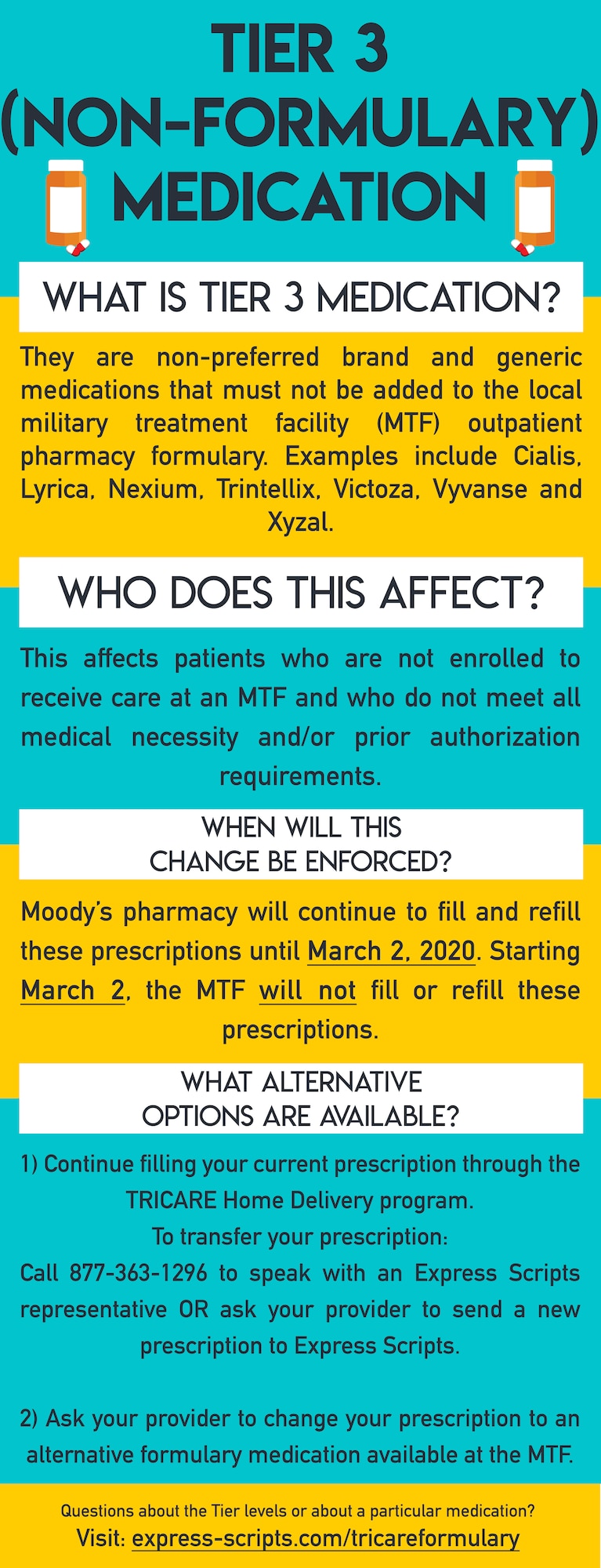
When a medication is non-formulary, it essentially exists outside of these tiered structures. This typically means that if your doctor prescribes a non-formulary drug, your insurance plan will either not cover it at all, or it will cover it at the highest possible out-of-pocket cost, often requiring you to pay the full retail price until you meet an extremely high deductible or pursue an exception. This immediate financial burden underscores the importance of understanding your plan’s formulary.
Navigating Non-Formulary Status: Financial Ramifications
Encountering a non-formulary prescription can trigger a ripple effect through your personal finances. The immediate concern is the increased cost, but the implications can extend to your overall financial planning and even your ability to adhere to essential treatment.
Direct Out-of-Pocket Expenses
The most apparent financial consequence of a non-formulary medication is the direct out-of-pocket expense. Without insurance coverage or with only minimal coverage, you could be responsible for the entire cash price of the drug. For many specialized or newer medications, this can amount to hundreds or even thousands of dollars per month. This unexpected expenditure can quickly derail a carefully constructed budget, forcing difficult choices between healthcare needs and other financial obligations like rent, groceries, or debt payments. For individuals or families already operating on thin margins, such costs can lead to significant financial distress and even medical debt.
Impact on Deductibles and Annual Limits
While paying full price for a non-formulary drug, you might wonder if these costs contribute to your annual deductible or out-of-pocket maximum. In most cases, if a non-formulary drug is entirely denied coverage, the amount you pay for it will not count towards your deductible or out-of-pocket maximum. This is a critical distinction, as it means you are bearing the full cost without any corresponding benefit towards meeting your annual limits, which typically trigger higher levels of insurance coverage. This situation can be particularly frustrating, as you are paying significant amounts for medication without advancing towards the point where your insurance begins to cover a larger share of your overall healthcare costs.
Conversely, if your plan offers some coverage for non-formulary drugs—perhaps at an extremely high co-insurance rate after an initial review—those costs typically would contribute to your deductible and out-of-pocket maximum. It is imperative to clarify with your insurance provider how non-formulary costs are treated in your specific plan.
Potential for Financial Strain
The financial strain imposed by non-formulary medications is not theoretical; it is a very real challenge for many. Patients may face the agonizing choice between paying for a prescribed, potentially life-saving medication and depleting their savings, taking on debt, or foregoing other necessities. This can lead to non-adherence, where patients skip doses or delay refilling prescriptions to save money, ultimately compromising their health outcomes. For those with chronic conditions requiring continuous medication, the ongoing cost of non-formulary drugs can be a relentless drain on resources, making it difficult to save for retirement, education, or other financial goals. Small businesses providing health benefits might also find themselves struggling with the higher costs associated with certain non-formulary drugs if their plans allow for exceptions, impacting their bottom line.
Strategies for Managing Non-Formulary Medication Costs
Facing a non-formulary prescription doesn’t automatically mean financial ruin. Several proactive strategies can help mitigate the financial burden and ensure you receive necessary treatment without jeopardizing your financial well-being.
Appealing to Your Insurance Provider
One of the most effective first steps is to initiate an appeal with your insurance company for a “formulary exception.” This process typically involves your doctor providing a medical justification explaining why the non-formulary drug is medically necessary and why formulary alternatives would be ineffective or harmful. Insurers have formal processes for these appeals, and while success is not guaranteed, a strong medical rationale significantly increases your chances. This can lead to the drug being covered, sometimes at a higher tier, but still preferable to paying the full retail price. Understanding your rights to appeal and working closely with your prescribing physician is paramount.
Exploring Alternative Medications
Always discuss formulary alternatives with your doctor. There might be an equally effective drug already on your plan’s formulary or a generic equivalent that could serve the same purpose. Your doctor can often review your plan’s formulary and prescribe a covered alternative, saving you significant costs. This collaboration between patient, doctor, and pharmacist is a cornerstone of responsible healthcare financial management.
Utilizing Patient Assistance Programs
Many pharmaceutical manufacturers offer patient assistance programs (PAPs) to help eligible individuals afford their medications, especially high-cost brand-name drugs. These programs often provide free or low-cost medication to uninsured or underinsured patients who meet specific income guidelines. Foundations and non-profit organizations also run programs that offer financial aid for prescription costs or help cover co-pays. Researching and applying for these programs can significantly reduce or even eliminate out-of-pocket expenses for non-formulary drugs.
Comparing Pharmacy Prices
Even if a drug is non-formulary, its cash price can vary significantly between pharmacies. Websites and apps designed for prescription price comparison can be invaluable tools. Services like GoodRx, SingleCare, or even calling local pharmacies can reveal substantial differences in cost. Warehouse clubs, independent pharmacies, and online pharmacies might offer better cash prices than traditional retail chains. This due diligence can yield considerable savings, making a non-formulary drug more affordable.
Health Savings Accounts (HSAs) and Flexible Spending Accounts (FSAs)
For those enrolled in high-deductible health plans (HDHPs), a Health Savings Account (HSA) is a powerful financial tool. Contributions to an HSA are tax-deductible, grow tax-free, and withdrawals for qualified medical expenses are also tax-free. An HSA can be an excellent way to save specifically for healthcare costs, including potentially high out-of-pocket expenses for non-formulary medications. Similarly, Flexible Spending Accounts (FSAs), available with many employer-sponsored plans, allow you to set aside pre-tax money for eligible healthcare expenses. While FSA funds typically expire at the end of the plan year (use-it-or-lose-it), they can still be a strategic way to cover anticipated medication costs. Maximizing these accounts is a smart long-term financial strategy for healthcare.
Long-Term Financial Planning for Healthcare Expenses
Beyond immediate strategies for non-formulary drugs, integrating healthcare costs into your broader financial plan is essential for sustained financial health.
Budgeting for Unexpected Medical Costs
While it’s impossible to predict every medical expense, creating an emergency fund specifically for healthcare can provide a crucial buffer. Allocate a portion of your monthly budget to build this fund. This ensures that an unexpected non-formulary prescription or other medical need doesn’t force you into debt or compromise your financial goals. Regularly reviewing your medical history and anticipating potential future needs can also inform your budgeting strategy.
Reviewing Insurance Plans Annually
Open enrollment periods are not just a formality; they are a critical opportunity to review your health and prescription drug coverage. Carefully examine the formulary of prospective plans, especially if you take specific medications. Consider how changes in your health or medication needs might align with different plan options, including their deductibles, co-pays, and out-of-pocket maximums. Choosing a plan with a more robust formulary for your specific needs, even if it has a slightly higher premium, could lead to significant overall savings if it means avoiding non-formulary costs.
Seeking Financial Counseling
For those facing complex or recurring high medication costs, seeking guidance from a financial advisor specializing in healthcare costs can be immensely beneficial. They can help you evaluate your insurance options, understand the tax advantages of HSAs, explore long-term care planning, and integrate medical expenses into your overall retirement and savings strategies.

The Broader Economic Impact of Prescription Drug Costs
The challenge of non-formulary medications extends beyond individual financial concerns; it reflects a broader economic issue within the healthcare system. High drug costs contribute to rising insurance premiums, increased national healthcare expenditures, and can even affect workforce productivity if individuals cannot afford necessary treatments. Governments, healthcare providers, and pharmaceutical companies are continuously grappling with finding sustainable models that balance innovation, patient access, and affordability. For the individual, understanding the “non-formulary” designation is a vital piece of the puzzle, empowering them to advocate for their health and financial well-being in a system often challenging to navigate.
aViewFromTheCave is a participant in the Amazon Services LLC Associates Program, an affiliate advertising program designed to provide a means for sites to earn advertising fees by advertising and linking to Amazon.com. Amazon, the Amazon logo, AmazonSupply, and the AmazonSupply logo are trademarks of Amazon.com, Inc. or its affiliates. As an Amazon Associate we earn affiliate commissions from qualifying purchases.