
Lipo cavitation represents a significant advancement in non-invasive body contouring, leveraging sophisticated ultrasonic technology to target and reduce localized fat deposits. Far from a surgical intervention, this procedure relies on the precise application of low-frequency sound waves to induce a physical phenomenon known as cavitation within adipose tissue. Understanding lipo cavitation fundamentally requires an exploration of the underlying technology, the specific devices employed, and the scientific principles that enable its fat-reducing effects. It’s a prime example of how physics and engineering converge to offer a technological solution in the realm of aesthetic enhancement, without the downtime and risks associated with traditional surgical methods.

The Technological Core: Understanding Ultrasonic Cavitation
At the heart of lipo cavitation is the controlled generation and application of ultrasound, a technology long utilized in various medical fields for both diagnostic imaging and therapeutic interventions. In the context of fat reduction, the specific application hinges on the phenomenon of “cavitation”—the formation and subsequent collapse of microscopic bubbles within a liquid medium, driven by pressure changes from sound waves.
The Science of Sound Waves
Ultrasonic waves are sound waves with frequencies higher than the upper audible limit of human hearing, typically ranging from 20 kHz to several megahertz. For lipo cavitation, the most common frequencies employed are in the lower range, often between 20 kHz and 70 kHz. This specific frequency range is crucial because it allows the ultrasonic energy to penetrate sufficiently into the subcutaneous fat layer while minimizing absorption by superficial tissues.
When these low-frequency ultrasound waves are directed at an area of fat, they pass through the skin and fluid-rich tissues. As the waves propagate, they create alternating phases of positive and negative pressure within the interstitial fluid surrounding fat cells. During the negative pressure phase, microscopic bubbles, also known as micro-cavities or vacuum bubbles, rapidly form and expand due to the vapor pressure within the fluid. During the positive pressure phase, these bubbles are compressed. The rapid oscillation between expansion and compression causes these bubbles to grow and eventually collapse with considerable force.
Mechanism of Fat Cell Disruption
The targeted application of specific low-frequency ultrasound triggers a process known as stable cavitation, where the bubbles expand and contract rhythmically, and eventually, transient cavitation, where they rapidly grow and then violently implode. This implosion generates localized shockwaves and shear forces. Within the fatty tissue, these mechanical forces are precisely calibrated to selectively disrupt the membranes of adipocytes (fat cells).
Fat cells, being particularly susceptible to these mechanical forces due to their larger size and more fragile membranes compared to surrounding tissues (like blood vessels, nerves, and muscle cells), are effectively fragmented. The intense, localized pressure from the collapsing bubbles causes the fat cell membranes to rupture, releasing their intracellular content, primarily triglycerides and fatty acids, into the interstitial fluid. This process is highly selective, leaving adjacent non-adipose cells largely unharmed, a key technological advantage that differentiates it from less specific thermal or chemical methods. Once released, these fatty acids and triglycerides are then processed by the body’s natural metabolic and lymphatic systems. The liver converts triglycerides into usable energy, and the lymphatic system efficiently drains away the cellular debris, ultimately leading to a reduction in the volume of the targeted fat layer.
Devices and Operational Technology
The efficacy and safety of lipo cavitation are largely determined by the sophistication and precise engineering of the devices used. These instruments are designed to deliver controlled ultrasonic energy, ensuring optimal fat reduction while safeguarding surrounding tissues.
Types of Cavitation Devices
Cavitation devices typically consist of a central unit and one or more transducers or applicators. These applicators house the ultrasonic emitters that generate the low-frequency sound waves. Devices vary significantly in their power output, frequency range, and the design of their transducers. Some systems use monopolar or bipolar radiofrequency (RF) energy in conjunction with cavitation, an advanced technological integration aimed at enhancing fat metabolism and skin tightening simultaneously. Multi-frequency devices are also emerging, allowing practitioners to select different frequencies to target various depths of fat layers more effectively. The choice of device often depends on the specific treatment goals, the area being treated, and the practitioner’s expertise, all underpinned by the technological capabilities of the equipment.
Key Technological Parameters: Frequency and Power
Two critical technological parameters govern the performance of a lipo cavitation device: frequency and power.
- Frequency: As discussed, frequencies between 20 kHz and 70 kHz are most common. Lower frequencies (e.g., 20-30 kHz) typically offer deeper penetration and more intense cavitation effects, making them suitable for thicker fat layers. Higher frequencies (e.g., 40-70 kHz) provide more superficial penetration and gentler cavitation, ideal for thinner fat deposits or finishing touches. Advanced devices allow for dynamic adjustment or simultaneous multi-frequency emission, optimizing treatment for diverse body areas and fat depths.
- Power: Measured in watts per square centimeter (W/cm²), power output determines the intensity of the ultrasonic waves. Higher power generally translates to more pronounced cavitation and potentially faster fat reduction, but it also necessitates more careful control to ensure safety. Modern devices incorporate sophisticated feedback mechanisms to modulate power output in real-time, adapting to tissue impedance and applicator movement to maintain consistent energy delivery and prevent localized overheating or excessive pressure.
Safety Features and Device Regulations
The technological design of lipo cavitation devices includes numerous safety features to protect both the client and the operator. These often include:
- Temperature sensors: To monitor the skin’s surface temperature and prevent burns, especially when combined with RF technology.
- Acoustic impedance matching: Ensuring efficient energy transfer into the tissue and minimizing reflections that could cause device overheating or inefficient treatment.
- Pre-programmed treatment protocols: Guiding the operator on appropriate power and frequency settings for different body areas and fat thicknesses, based on extensive clinical data.
- Emergency stop mechanisms: For immediate cessation of energy delivery if any adverse event is detected.
- Ergonomic applicator design: To ensure comfortable handling and consistent contact with the skin, optimizing energy delivery and minimizing operator fatigue.
Regulatory bodies globally oversee the manufacturing and marketing of these devices, often requiring rigorous testing and clinical validation to ensure their safety and efficacy. Compliance with these regulations is a hallmark of reputable cavitation technology.
The Procedure as a Technological Application
Lipo cavitation is not merely about possessing the technology; it’s about its intelligent and systematic application. The entire procedure can be viewed as a well-defined technological protocol, from initial assessment to the actual energy delivery and subsequent physiological responses.
Pre-Procedure Technological Assessment
Before initiating treatment, a thorough assessment is crucial. This often involves using diagnostic imaging technologies, such as ultrasound or even advanced body composition analysis devices, to accurately measure the thickness of the subcutaneous fat layer, identify areas of interest, and rule out any underlying medical conditions. This data helps the practitioner select the appropriate frequency settings, power levels, and applicator size for targeted and effective treatment. Skin elasticity and overall body composition are also digitally assessed, providing a baseline for tracking progress.
During the Session: Targeted Energy Delivery
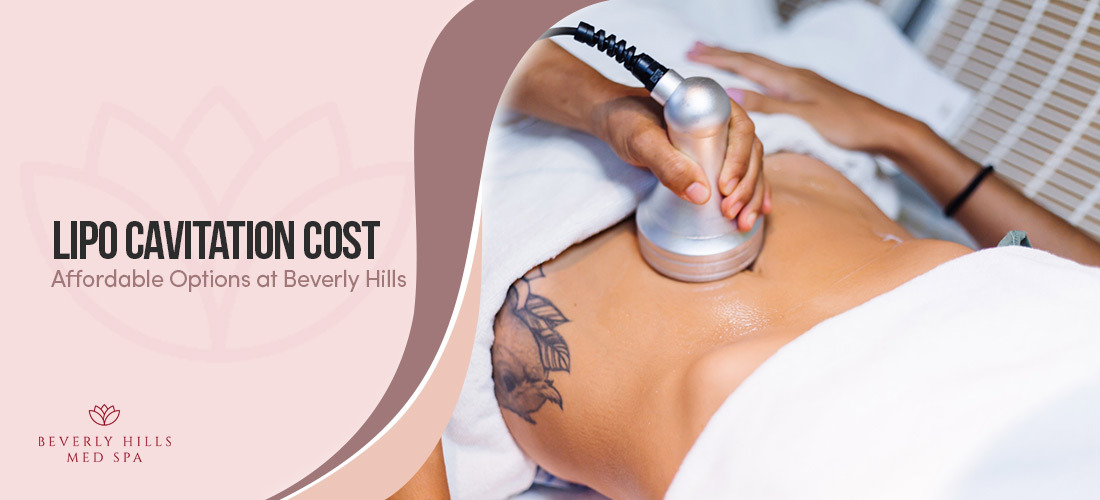
The actual treatment involves the precise application of the transducer head directly to the skin over the targeted fat area. A specialized ultrasound gel is applied to ensure optimal acoustic coupling, allowing the sound waves to penetrate efficiently without air pockets disrupting the energy transfer. The practitioner moves the applicator in a controlled, systematic pattern, ensuring uniform exposure of the fatty tissue to the ultrasonic waves.
Modern devices often include real-time feedback systems, displaying parameters such as elapsed time, energy delivered, and even skin temperature. These digital interfaces empower the practitioner to continuously monitor the treatment and make necessary adjustments, ensuring the cavitation effect is consistently and safely achieved across the entire treatment zone. The procedure typically lasts between 20 to 60 minutes per area, depending on the size of the target zone and the specific device technology employed. Clients often report a buzzing or ringing sensation in their ears during the session, which is a common auditory perception of the low-frequency ultrasound waves.
Post-Procedure Body’s Technological Response
Once the fat cells are disrupted, the body’s natural physiological mechanisms—which can be described as complex biological technologies—take over. The released triglycerides and fatty acids are primarily transported through the lymphatic system and subsequently processed by the liver. The liver then converts these fat components into usable energy, a process identical to how the body handles dietary fats. Therefore, post-procedure recommendations often include light exercise and increased water intake to support the lymphatic drainage and metabolic processes, optimizing the body’s natural “disposal system” for the emulsified fat. This integration of technological intervention with natural biological processes is key to the overall success of lipo cavitation.
Technological Advancement and Future Outlook
The field of non-invasive body contouring, driven by a continuous quest for enhanced efficacy, safety, and client comfort, is undergoing rapid technological evolution. Lipo cavitation is no exception, with ongoing research and development pushing the boundaries of what these devices can achieve.
Evolution of Cavitation Technology
Early cavitation devices were often bulky and less precise. Today’s systems are sleeker, more energy-efficient, and incorporate advanced software algorithms for refined control over ultrasound delivery. The transition from single-frequency to multi-frequency and even focused ultrasound (HIFU – High-Intensity Focused Ultrasound) technologies signifies a major leap. HIFU, while distinct from traditional cavitation in its mechanism (thermal instead of mechanical disruption), highlights the broader trend towards highly targeted and potent ultrasonic applications. Further advancements aim to improve transducer design for better acoustic coupling and more uniform energy distribution, minimizing hot spots and maximizing treatment consistency across varied body contours.
Integration with Other Technologies
The synergy between lipo cavitation and other complementary technologies is a significant area of development. As mentioned, the combination with radiofrequency (RF) energy is common, where RF is used for skin tightening by stimulating collagen production and enhancing the metabolic breakdown of fat. Devices now often integrate vacuum therapy, which not only assists in lymphatic drainage but also helps to draw the tissue closer to the transducer, improving contact and depth control. Laser therapy (low-level laser light) is another complementary technology being explored to enhance fat cell permeability and facilitate the release of their contents. These integrated platforms offer practitioners comprehensive solutions, addressing not just fat reduction but also skin laxity and overall body contour.

Future Directions in Non-Invasive Body Contouring Tech
The future of lipo cavitation technology is likely to see even greater personalization and automation. Imagine devices capable of conducting real-time, high-resolution imaging to dynamically adjust treatment parameters based on immediate tissue response and fat density. Artificial intelligence and machine learning could play a role in optimizing treatment protocols, learning from vast datasets of client responses to predict optimal settings for individual body types and fat distribution patterns. Furthermore, research into novel ultrasound wave patterns and delivery methods may unlock even more selective and efficient fat cell disruption. The goal remains to deliver increasingly precise, predictable, and comfortable non-invasive body contouring outcomes, making the technology more accessible and effective for a wider demographic.
aViewFromTheCave is a participant in the Amazon Services LLC Associates Program, an affiliate advertising program designed to provide a means for sites to earn advertising fees by advertising and linking to Amazon.com. Amazon, the Amazon logo, AmazonSupply, and the AmazonSupply logo are trademarks of Amazon.com, Inc. or its affiliates. As an Amazon Associate we earn affiliate commissions from qualifying purchases.