
The seemingly simple question, “what is lip balm used for,” unlocks a complex landscape of consumer needs, market segmentation, and sophisticated branding strategies within the personal care industry. Far from being a mere commodity, lip balm’s diverse applications are the bedrock upon which brands build their identity, differentiate their products, and forge lasting connections with their target audiences. Understanding these core uses is not just about product function; it’s about identifying opportunities for brand positioning, value proposition development, and strategic market capture.
The Core Utility: Protection and Hydration as Brand Pillars
At its fundamental level, lip balm serves as a protective and moisturizing agent for the delicate skin of the lips. This foundational utility is the primary driver for consumer purchase and, consequently, the central pillar for countless lip balm brands. Brands that successfully articulate and deliver on these basic promises establish trust and reliability, essential components of strong brand equity.
Defending Against Environmental Stressors: The Protective Brand Promise
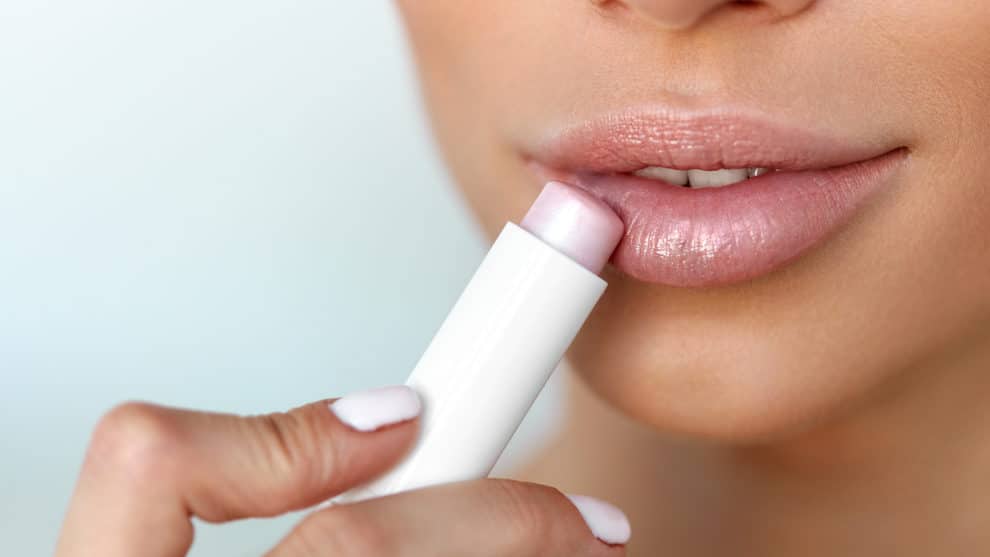
Lips are uniquely vulnerable to external elements due to their thin skin and lack of sebaceous glands. Wind, cold, sun exposure, and dry air can lead to chapping, cracking, and discomfort. Lip balms act as a physical barrier, sealing in moisture and shielding the lips from these harsh conditions. For brands, this translates into a powerful protective promise:
- Weather Defense: Brands like Blistex or ChapStick often emphasize their ability to protect lips in extreme weather, positioning themselves as essential items for outdoor enthusiasts, skiers, or anyone facing harsh climates. Their packaging and messaging typically feature robust, functional designs that convey resilience.
- Sun Protection (SPF): A significant segment of the market focuses on UV protection. Brands integrate SPF (Sun Protection Factor) into their formulations, marketing their products as crucial components of daily sun care routines. This extends their brand’s relevance beyond basic hydration to broader health and wellness, often aligning with the messaging of dermatological or sun care brands. The visual identity of these products frequently incorporates sun-related imagery or bold SPF indicators.
- Pollution Shield: As awareness of environmental pollutants grows, some innovative brands are beginning to explore positioning lip balm as a defense against urban pollution, offering another layer of protection that appeals to a health-conscious, metropolitan demographic.
Restoring Moisture and Preventing Chapping: The Hydration Narrative
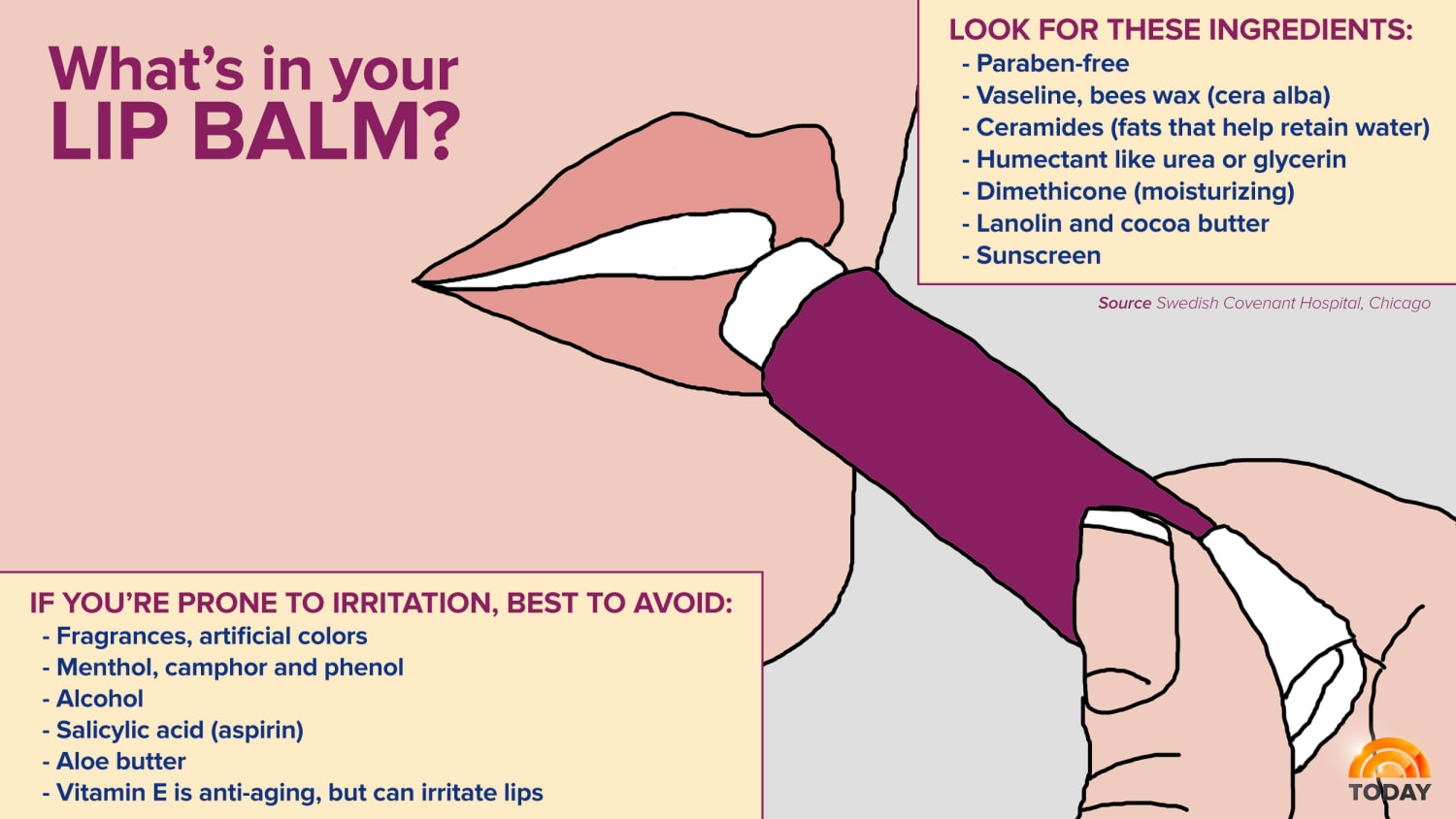
Beyond protection, the primary “use” of lip balm is to deliver and lock in moisture, treating and preventing dryness and chapping. Ingredients like petrolatum, beeswax, shea butter, and various oils are central to this function. This therapeutic aspect is a key brand differentiator:
- Healing & Repair: Many brands focus on the healing properties of their lip balms, targeting consumers with already chapped or damaged lips. Products with ingredients like allantoin, panthenol, or medicinal compounds are positioned as “medicated” or “intensive repair,” with packaging often reflecting a clinical or restorative aesthetic. Brands like Carmex built their empire on this very promise, becoming synonymous with healing relief.
- Preventative Hydration: For consumers who use lip balm proactively, brands emphasize daily hydration and maintenance. These products might contain lighter formulations, appealing scents, and attractive packaging, positioning themselves as everyday essentials or small luxuries. The messaging here is about maintaining softness and smoothness, often appealing to a younger, beauty-focused demographic.
- The Foundation for Product Claims and Benefits: The efficacy of a lip balm in providing protection and hydration forms the fundamental “why” for its existence. Brands leverage this by highlighting specific ingredients, long-lasting effects, or unique delivery systems. This core utility is not just a feature; it’s the non-negotiable baseline that allows brands to then build out more sophisticated value propositions and appeal to diverse consumer needs.
Beyond Basic Care: Expanding Uses and Market Segmentation
While protection and hydration are paramount, the versatility of lip balm extends far beyond basic care, allowing brands to segment the market and cater to a wider array of consumer desires. This expansion of utility is critical for brand growth and market penetration.
Cosmetic Enhancement: Tint, Shine, and Plumping Effects
The intersection of lip care and cosmetics has created a vibrant sub-category where lip balm transcends mere functionality to become a beauty accessory. Brands strategically position these products to appeal to consumers seeking both care and aesthetic appeal:
- Tinted Balms: Offering a sheer wash of color, tinted lip balms provide a subtle alternative to lipstick, appealing to consumers who prefer a natural look or require convenience. Brands like Burt’s Bees or Fresh (Sugar Lip Treatment) have masterfully blended natural ingredients with flattering tints, positioning their products as nourishing beauty enhancers that blur the line between skincare and makeup. Their branding often emphasizes natural beauty, effortless chic, and a ‘less is more’ philosophy.
- Gloss & Shine: Some lip balms are formulated to deliver a high-shine finish, akin to a lip gloss but with added moisturizing benefits. These products target consumers looking for a plump, healthy, and luminous look, often integrating plumping ingredients like hyaluronic acid or peppermint oil. Brands in this space focus on vibrant imagery, sleek packaging, and messaging that evokes glamour and allure.
- Plumping Balms: Capitalizing on the desire for fuller lips, a specific niche of lip balms incorporates ingredients designed to temporarily plump the lips. These brands often use scientific-sounding claims and before-and-after imagery to showcase their product’s transformative effects, appealing to a beauty-conscious segment willing to invest in instant gratification.
Medicated and Therapeutic Applications: Specialized Brand Positioning
For consumers experiencing more severe lip conditions, lip balm offers targeted therapeutic relief. This area demands a brand strategy rooted in efficacy, trust, and often, a more clinical or solution-oriented approach:
- Healing for Cold Sores & Cracks: Specialized balms contain antiviral agents (for cold sores) or intense healing ingredients (for deep cracks). Brands marketing these products typically use pharmaceutical-style packaging, clear messaging about relief and recovery, and endorsements (implied or explicit) from health professionals. Their brand identity is often one of a reliable, problem-solving remedy.
- Dermatological Solutions: Brands often collaborate with dermatologists or develop formulas specifically for sensitive skin, allergies, or chronic conditions. These products are positioned as safe, hypoallergenic, and highly effective, appealing to consumers seeking gentle yet potent solutions. The branding emphasizes clinical testing, gentle ingredients, and a focus on skin health.
- Pain Relief: Some medicated lip balms include analgesic ingredients to soothe pain associated with severely chapped or injured lips. The messaging for these products centers on immediate comfort and relief, often with a no-frills, functional brand presentation.
Specialty Formulations for Niche Markets: Differentiation Through Values
The diverse uses of lip balm also extend to catering to specific consumer values and lifestyles, allowing brands to carve out highly targeted niches:
- Organic & Natural: For environmentally conscious or health-focused consumers, brands offering organic, natural, or clean-ingredient lip balms hold significant appeal. Their branding emphasizes transparency, sustainability, and the purity of their ingredients, often using earthy tones, minimalist packaging, and certifications (e.g., USDA Organic) to build trust.
- Vegan & Cruelty-Free: Addressing ethical consumer concerns, vegan lip balms (free from animal products like beeswax) and cruelty-free options are gaining traction. Brands in this space use their ethical stance as a core part of their identity, communicating their commitment to animal welfare and sustainable practices through their marketing and certifications.
- Flavored & Scented: While not a “use” in the functional sense, flavors and scents elevate the lip balm experience, transforming it into a sensory indulgence. Brands use creative and appealing flavors (e.g., vanilla bean, mint, fruit) to target specific demographics, from playful teens to nostalgic adults. The emotional connection fostered by pleasant scents and tastes is a powerful tool for brand loyalty and differentiation.
How Understanding Uses Informs Brand Strategy and Marketing
A deep understanding of “what is lip balm used for” is not merely academic; it is the cornerstone of effective brand strategy. This knowledge allows brands to make informed decisions about product development, market positioning, messaging, and visual identity.
Identifying Target Audiences Based on Needs
Each specific use of lip balm corresponds to a distinct consumer need or desire. Brands must precisely identify these needs to define their target audience:
- Problem-Solvers: Those seeking relief from chapped lips or cold sores.
- Beauty Enthusiasts: Individuals looking for cosmetic enhancement and aesthetic appeal.
- Health & Wellness Advocates: Consumers prioritizing sun protection, natural ingredients, or specific dermatological solutions.
- Lifestyle Adherents: Shoppers who align with ethical stances (vegan, cruelty-free) or specific sensory experiences (flavors, scents).
By mapping uses to needs, brands can develop precise psychographic and demographic profiles for their ideal customers.
Crafting Unique Value Propositions and Messaging
Once target audiences are identified, brands can craft unique value propositions that clearly articulate “why” their product is the best solution for a particular use.
- “The ultimate weather shield for adventurous spirits.” (Protective)
- “Infused with botanical extracts for a naturally radiant pout.” (Cosmetic)
- “Dermatologist-recommended relief for sensitive, dry lips.” (Medicated)
This messaging is then consistently applied across all marketing channels, from website copy to social media campaigns, ensuring a clear and compelling brand narrative.
Packaging Design and Visual Identity to Communicate Use
Packaging is the silent salesperson, and its design must instantly communicate the product’s primary use and brand promise.
- Functional & Clinical: Medicated or protective balms often feature minimalist designs, clear typefaces, and colors (whites, blues, greys) that evoke reliability and efficacy.
- Playful & Vibrant: Flavored or cosmetic balms might use bright colors, illustrative elements, and unique shapes to convey fun, youthfulness, or luxury.
- Natural & Earthy: Organic or natural brands typically employ matte textures, muted colors, and nature-inspired motifs to reflect their ingredient story and sustainability values.
Every element, from the font choice to the material of the tube, reinforces the brand’s intended use and the experience it promises.
Building Brand Loyalty Through Diverse Applications and Consumer Experience
The emotional connection consumers form with a brand often stems from how well a product fulfills a perceived need and integrates into their daily lives. For lip balm, this involves transforming a functional item into an indispensable personal accessory.
The Role of Scent and Flavor in Brand Perception
While not a functional “use,” sensory elements like scent and flavor play a crucial role in enhancing the user experience and fostering brand loyalty. A brand’s signature scent can become instantly recognizable and evoke positive associations, creating a ritualistic aspect to application. Think of the distinct smell of certain medicated balms that signals relief, or the nostalgic flavors that bring comfort. Brands leverage these sensory cues to deepen emotional engagement and create memorable brand moments.
From Necessity to Lifestyle Accessory: Elevating the Product
Successful brands elevate lip balm from a simple necessity to a lifestyle accessory. By understanding the various contexts and aspirations linked to its use, brands can position lip balm as part of a beauty routine, a self-care ritual, an eco-conscious choice, or a fashion statement. Limited edition collaborations, premium packaging, or sustainable sourcing are strategies employed to align the product with broader lifestyle trends, making the brand resonate deeply with consumer identities. This transformation solidifies brand loyalty, encouraging repeat purchases and advocacy.
Case Studies in Effective Use-Based Branding
Consider the stark differences between brands like Carmex and Fresh Sugar Lip Treatment. Carmex leverages its medicated, healing properties, using practical, recognizable packaging to convey efficacy and reliability. Its brand identity is rooted in solving a problem directly. Fresh, on the other hand, positions its Sugar Lip Treatment as a luxurious blend of skincare and subtle cosmetics, emphasizing natural ingredients, sophisticated packaging, and a sensory experience that justifies a premium price point. Both are lip balms, but their distinct uses and target audiences dictate entirely different branding approaches, proving the power of a use-centric brand strategy.
The Future of Lip Balm: Innovation and Evolving Brand Narratives
As consumer behaviors and technological capabilities evolve, so too will the uses of lip balm, presenting new frontiers for brand innovation and narrative development.
Emerging Trends: Sustainable, Multi-functional, Smart Lip Care
Future uses for lip balm are likely to include:
- Hyper-Personalization: Balms formulated based on individual skin microbiomes or environmental exposure data.
- Multi-functional Powerhouses: Products offering advanced anti-aging, targeted spot treatment for lip lines, or even diagnostic capabilities (e.g., color changes indicating dehydration).
- Sustainability & Ethical Sourcing: A growing emphasis on refillable packaging, zero-waste formulations, and transparent supply chains will become a core “use” for ethically conscious consumers, compelling brands to integrate these values into their identity and operations.
Adapting Brand Stories to New Consumer Expectations
Brands that anticipate and adapt to these evolving uses will thrive. This means not just developing new products but also continually refining brand narratives to reflect new values and technologies. The brand story must evolve from simply stating “what it’s used for” to illustrating “how it enhances a modern, conscious lifestyle.” This proactive approach ensures that the relevance and resonance of lip balm brands continue to grow in an ever-changing market.
aViewFromTheCave is a participant in the Amazon Services LLC Associates Program, an affiliate advertising program designed to provide a means for sites to earn advertising fees by advertising and linking to Amazon.com. Amazon, the Amazon logo, AmazonSupply, and the AmazonSupply logo are trademarks of Amazon.com, Inc. or its affiliates. As an Amazon Associate we earn affiliate commissions from qualifying purchases.