
Understanding the myriad features of modern fitness equipment can significantly enhance a user’s workout experience and effectiveness. Among the most impactful innovations in treadmill technology is the adjustable incline, which simulates walking or running uphill. When a treadmill display indicates “Level 3 incline,” it refers to a specific gradient setting that elevates the walking or running surface. This seemingly simple numerical designation is underpinned by sophisticated engineering, precise calibration, and plays a crucial role in tailoring a user’s physical exertion and mimicking diverse terrains. Dissecting what “Level 3” truly represents involves delving into the mechanics of incline systems, the computational translations of these settings, and their practical implications for training and digital integration.
Deconstructing Treadmill Incline: The Core Technology
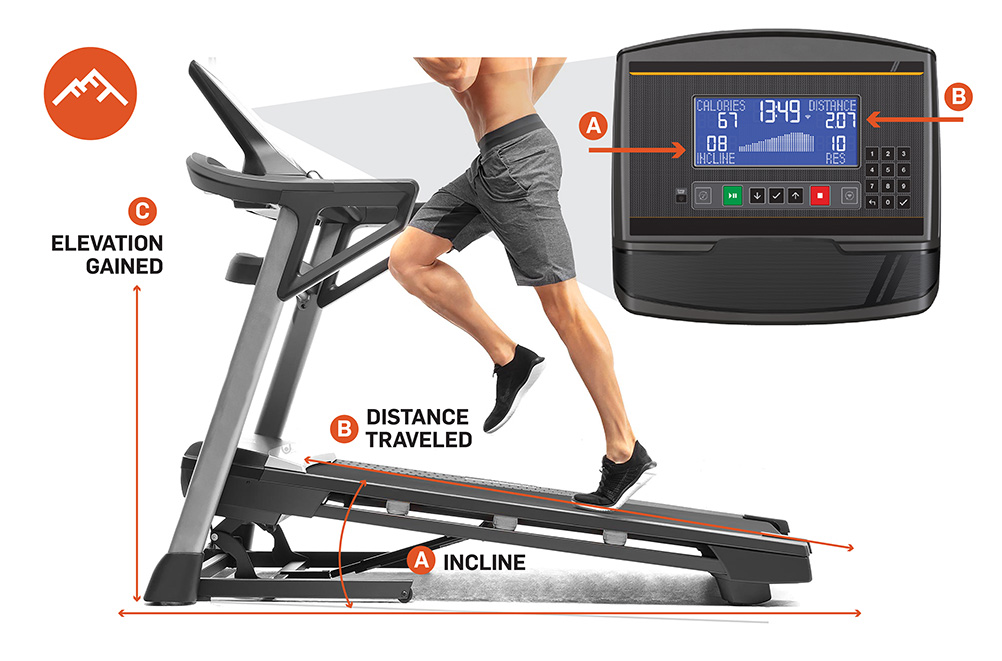
At its heart, treadmill incline is a feature that allows the deck of the machine to be raised or lowered, thereby changing the slope of the running surface. This is achieved through electromechanical systems that provide both precision and user convenience.
The Mechanics of Incline Adjustment
The physical mechanism for adjusting incline on most modern treadmills involves an electric motor, often referred to as an “incline motor,” and a lifting arm or actuator. When a user selects an incline level, whether via a console button, a touchscreen interface, or a program, an electrical signal is sent to this motor. The motor then drives a worm gear or a hydraulic piston system to physically raise the front of the treadmill deck. Sensors continuously monitor the angle of the deck, providing real-time feedback to the treadmill’s main control board, ensuring the deck reaches and maintains the precise desired angle. Advanced systems incorporate dampening technology to ensure smooth, quiet transitions between incline levels, minimizing disruption to the user’s stride or concentration. The robustness and responsiveness of this incline motor and its associated gearing are critical indicators of a treadmill’s quality and durability, particularly for machines designed for high-intensity or frequent incline training.
Standardized vs. Proprietary Incline Scales
While “Level 3” might seem straightforward, the actual percentage or degree of incline it represents can vary slightly between manufacturers, although a general industry standard does exist. Most treadmills express incline as a percentage grade, where a 1% incline means the running surface rises 1 unit vertically for every 100 units horizontally. So, a 10% incline would equate to a rise of 10 feet over a horizontal distance of 100 feet. Many consumer-grade treadmills offer incline settings from 0% to 10% or 12%, with some commercial or specialized models extending up to 15%, 20%, or even negative declines.
However, some brands opt for a simplified “level” system on their user interfaces, often spanning 1 to 10, 1 to 12, or even 1 to 20 levels. In these cases, “Level 3” typically translates to a specific percentage within that manufacturer’s scale. For instance, on a treadmill with a maximum incline of 12% across 12 levels, Level 3 would likely correspond to a 3% incline. If a treadmill has a maximum incline of 15% across 15 levels, Level 3 would also be 3%. However, on a system with 20 levels reaching a 15% max incline, Level 3 might be closer to 2-2.5%. Users are generally advised to consult their treadmill’s manual or console display to ascertain the precise percentage grade associated with each “level” setting for their specific model.
Digital Displays and Real-Time Feedback
Modern treadmill consoles are sophisticated digital interfaces that do more than just show speed and time. They actively manage and display incline settings, often in both “levels” and “percentage grade” simultaneously or with an option to toggle. High-resolution LCD or LED screens provide clear, numerical readouts, sometimes accompanied by graphical representations of the incline profile. This real-time feedback is crucial for users to understand their current exertion level and for trainers to program precise workout protocols. Advanced consoles may even integrate incline data into virtual running programs, adjusting the physical incline of the treadmill to match the simulated terrain on screen, offering a more immersive and dynamically challenging experience. The accuracy of these digital displays relies on precise sensor data from the incline motor and sophisticated software algorithms for smooth transitions and correct representation.
The Specifics of “Level 3”: Translation and Impact
Assuming a common treadmill scale where each “level” corresponds directly to a percentage point, “Level 3 incline” typically translates to a 3% grade. This seemingly modest adjustment carries significant implications for physical exertion and training methodology.
Converting Levels to Percentage Grades
For most standard treadmills, where the maximum incline is 10%, 12%, or 15% and the console uses a 1-to-1 mapping for levels to percentages, “Level 3 incline” explicitly means a 3% grade. This 3% grade signifies that for every 100 units of horizontal distance covered, the user is effectively ascending 3 units vertically. While this might sound minimal, it creates a noticeable difference in the biomechanics of walking or running compared to a flat surface. Physiologically, it recruits different muscle groups, particularly engaging the glutes, hamstrings, and calf muscles more intensely, mirroring the demands of outdoor hill climbing. For treadmills with more complex level systems, a user must consult the manufacturer’s specifications to get the exact percentage translation, but generally, Level 3 will represent a low to moderate incline, often considered an entry point for incline training.
Simulating Real-World Terrains
A 3% incline on a treadmill effectively simulates gently rolling hills or mild uphill sections encountered during outdoor walks or runs. It provides an excellent way to introduce variety into a workout without the severe intensity of steeper inclines. For urban runners or those in flat geographical areas, a treadmill at Level 3 incline can be a crucial tool for mimicking natural terrain, preparing them for races that involve elevation changes, or simply adding a dimension of challenge that flat ground cannot provide. The consistency of a treadmill’s incline, unlike natural terrain, allows for controlled and repeatable training sessions, making it ideal for performance tracking and specific strength development. This digital simulation aspect is a core technological advantage, offering accessible and replicable training environments irrespective of actual geographical location.
Caloric Expenditure and Cardiovascular Load at Level 3
Introducing a 3% incline significantly increases both caloric expenditure and cardiovascular demand compared to exercising on a flat surface at the same speed. The body has to work harder against gravity to propel itself forward and upward. This increased effort translates into a higher heart rate and greater oxygen consumption. Studies suggest that even a moderate incline can boost calorie burn by 20-30% compared to a flat surface workout. For individuals aiming for weight management or enhanced cardiovascular fitness, incorporating Level 3 incline into their routine offers an efficient way to achieve these goals in less time or with greater impact. From a technological standpoint, sophisticated algorithms within the treadmill’s software use speed and incline data to provide more accurate estimates of calories burned, a feature highly valued by users tracking their fitness metrics.
Leveraging Incline Technology for Enhanced Training
Modern treadmills integrate incline capabilities into a broader ecosystem of fitness technology, allowing for highly customized and effective training protocols.
Programming Incline Workouts
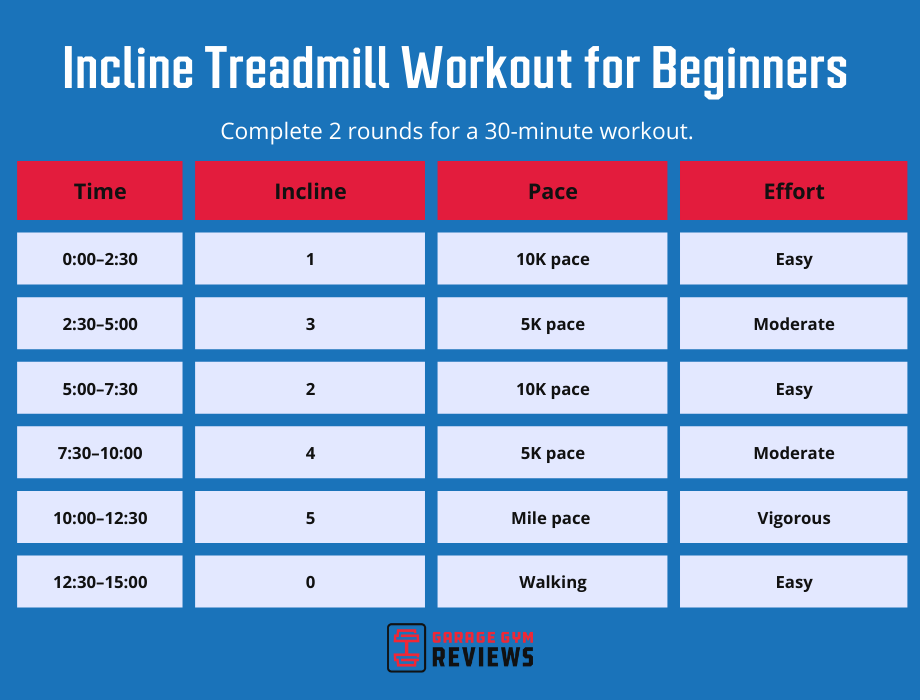
Treadmill consoles often come pre-programmed with a variety of workouts that automatically adjust speed and incline to follow specific profiles, such as “hill climbs,” “intervals,” or “random terrain.” Level 3 incline frequently appears in these programs as a baseline for moderate uphill segments or as part of a progressive increase in difficulty. Users can also manually program custom workouts, setting specific durations for each speed and incline level, including Level 3. This programmatic control over incline allows for precise overload, ensuring muscles are continually challenged in a structured manner. Many high-end treadmills also allow users to download new workout programs via Wi-Fi, expanding their training options and keeping their routines fresh. The underlying software architecture allows for complex sequence execution, ensuring smooth and safe transitions between settings.
Integration with Fitness Trackers and Apps
The data generated by a treadmill, including incline levels, speed, distance, and calories burned, can often be seamlessly integrated with third-party fitness trackers and mobile applications. Bluetooth or ANT+ connectivity allows treadmills to broadcast workout metrics to smartwatches, heart rate monitors, and popular fitness apps like MyFitnessPal, Strava, or Peloton. This interoperability creates a holistic view of a user’s fitness journey, enabling them to track progress, analyze performance, and share achievements. For incline training specifically, this integration means users can see how their heart rate responds to Level 3 incline over time, track cumulative elevation gain, and visualize their performance within the context of their overall training goals. This data exchange relies on standardized communication protocols and robust firmware within the treadmill itself.
Maintaining Treadmill Performance and Calibration
The consistent and accurate performance of the incline mechanism is vital for effective training. Over time, like any electromechanical system, the incline motor and its sensors can experience wear or minor misalignments. Modern treadmills often incorporate self-diagnostic features or provide error codes to alert users to potential issues. Regular maintenance, such as cleaning the incline motor housing and periodically calibrating the incline settings (a process often detailed in the user manual or performed by a technician), ensures that Level 3 consistently delivers a true 3% grade. Calibration involves digitally resetting the incline sensor to ensure its readings align with the physical angle of the deck, maintaining the integrity of the workout data and the safety of the user.
The Evolution of Incline Control: From Manual to Smart
The technology driving treadmill incline has seen significant advancements, moving from basic manual adjustments to sophisticated automated and adaptive systems.
Automated Incline Profiles and Virtual Routes
Beyond pre-programmed workouts, advanced treadmills now offer highly immersive experiences through virtual running routes. These systems display scenic outdoor trails or famous racecourses on large, high-definition screens integrated into the console. As the virtual runner navigates the terrain, the treadmill’s incline automatically adjusts in real-time to match the elevation changes of the depicted route. This dynamic adjustment is powered by GPS-mapped terrain data, which is translated into precise incline commands. Such technology transforms a static indoor workout into an engaging, interactive journey, where Level 3 incline might be just one segment of a continuously changing landscape. This synchronization requires powerful processors and graphic engines within the treadmill console to render rich visuals while simultaneously managing the electromechanical incline system.
AI-Driven Adaptive Incline
The frontier of treadmill incline technology involves artificial intelligence and machine learning. Future and some current high-end models are experimenting with AI-driven adaptive incline. These systems can learn a user’s fitness level, heart rate response, and historical performance data. Based on this analysis, the AI can intelligently adjust the incline (and speed) during a workout to optimize for specific goals, such as maintaining a target heart rate zone, maximizing calorie burn, or improving endurance without overtraining. For example, if a user’s heart rate drops below a target during an incline segment, the AI might subtly increase the incline from Level 3 to Level 4 to re-engage the cardiovascular system, providing a truly personalized and responsive training experience. This requires sophisticated sensor arrays, advanced algorithms, and cloud connectivity for data processing.

Future Trends in Treadmill Incline Technology
Looking ahead, treadmill incline technology is poised for even greater integration and personalization. We can anticipate:
- Haptic Feedback Integration: Combining incline changes with vibrational feedback on the deck to simulate uneven terrain or specific ground textures, enhancing immersion.
- Biometric Feedback Loops: More direct integration with real-time biometric data (e.g., muscle oxygenation, lactic acid thresholds) to automatically adjust incline for peak performance and injury prevention.
- Virtual Reality (VR) and Augmented Reality (AR) Enhancements: Seamlessly blending the physical incline changes with hyper-realistic VR/AR environments, creating fully immersive training simulations that react to user input and physiological state.
- Energy Recuperation Systems: Treadmills that can recover energy generated during decline phases, making them more energy-efficient and potentially powering onboard accessories.
Ultimately, “Level 3 incline” on a treadmill represents a calculated elevation of the running surface, typically a 3% grade, that significantly enhances workout intensity and simulates natural terrain. It is a testament to the blend of mechanical engineering, sensor technology, and digital programming that defines modern fitness equipment, offering users precise control and diverse training possibilities. As technology continues to evolve, the concept of incline will only become more integrated, intelligent, and immersive, pushing the boundaries of what an indoor workout can achieve.
aViewFromTheCave is a participant in the Amazon Services LLC Associates Program, an affiliate advertising program designed to provide a means for sites to earn advertising fees by advertising and linking to Amazon.com. Amazon, the Amazon logo, AmazonSupply, and the AmazonSupply logo are trademarks of Amazon.com, Inc. or its affiliates. As an Amazon Associate we earn affiliate commissions from qualifying purchases.