
“Leather air material” represents a fascinating intersection of material science, product design, and strategic branding. Far from being a mere fabric, it’s a carefully engineered composite designed to mimic the aesthetic and tactile qualities of genuine leather while often offering enhanced performance characteristics and cost efficiencies. For brands, understanding “leather air” goes beyond its chemical composition; it delves into how this material choice impacts corporate identity, marketing narratives, and ultimately, consumer perception and market positioning.
Defining Leather Air Material: A Brand’s Strategic Choice
At its core, leather air material is a synthetic upholstery fabric, typically a blend of polyurethane (PU) and polyester, engineered with a specific goal: to replicate the look, feel, and perceived luxury of natural leather while addressing some of its inherent limitations. The “air” in its name is a deliberate branding and design cue, often signifying qualities such as breathability, lightness, and enhanced comfort compared to older generations of synthetic leathers or even certain types of genuine leather.

Beyond Genuine Leather: The Rise of Alternatives
The demand for leather alternatives has grown significantly, driven by a confluence of factors: price sensitivity, ethical considerations (animal welfare), environmental concerns, and a desire for specific performance attributes (e.g., stain resistance, breathability) that natural leather may not inherently possess or may require extensive treatment to achieve. Brands operate within this evolving landscape, constantly seeking materials that align with their values, target market, and product specifications. Leather air material emerges as a compelling option, allowing brands to offer products with a premium aesthetic without the premium price point or the sourcing complexities often associated with genuine leather. It enables a broader appeal and often a more consistent supply chain, which are critical considerations for large-scale production and brand reliability.
Composition and Characteristics: Crafting a Brand Narrative
While the exact composition can vary between manufacturers, leather air material typically consists of a base fabric (often polyester for strength and stability) coated with multiple layers of polyurethane. Advanced manufacturing processes are employed to create a micro-perforated surface or a breathable membrane, which gives the material its “air” quality—allowing for air circulation and preventing the clammy feel sometimes associated with non-breathable synthetics.
Key characteristics that brands leverage in their narratives include:
- Softness and Suppleness: Modern formulations aim for a luxurious, soft hand-feel that rivals broken-in leather. This tactile quality is a significant selling point in furniture, automotive interiors, and accessories.
- Breathability: The “air” component is crucial. Unlike older PVC-based synthetics, leather air is designed to be more permeable, enhancing comfort, particularly in prolonged use scenarios like seating. Brands highlight this for comfort and user experience.
- Durability and Resilience: Often engineered for resistance to wear, tear, fading, and peeling, making it suitable for high-traffic environments or products requiring longevity. This allows brands to offer warranties and build trust.
- Ease of Maintenance: Typically water-resistant and easy to clean, a distinct advantage over genuine leather which often requires specialized care. This translates into convenience for the end-user and a lower total cost of ownership, a valuable brand message.
- Consistent Appearance: Unlike natural leather, which has inherent variations in grain and color, leather air offers a uniform look, simplifying manufacturing and ensuring product consistency across an entire line—a boon for brand aesthetics and quality control.
These attributes allow brands to craft compelling marketing messages, positioning products made with leather air as a smart, practical, and aesthetically pleasing choice that doesn’t compromise on style or comfort.
Design Implications and Product Aesthetics
The material chosen for a product is a cornerstone of its design, dictating not only its visual appeal but also its tactile experience, functional performance, and ultimately, its perceived value. Leather air material offers designers a versatile palette, influencing how a product looks, feels, and performs in the hands of the consumer.
Versatility in Form and Function
One of the significant advantages of leather air for product design is its inherent versatility. Unlike genuine leather, which comes in limited hide sizes and shapes, synthetic materials like leather air can be produced in continuous rolls, allowing for greater efficiency in cutting and manufacturing, reducing waste, and enabling more expansive or intricate designs without visible seams. Its consistent thickness and texture across large pieces simplify upholstery and fabrication processes.
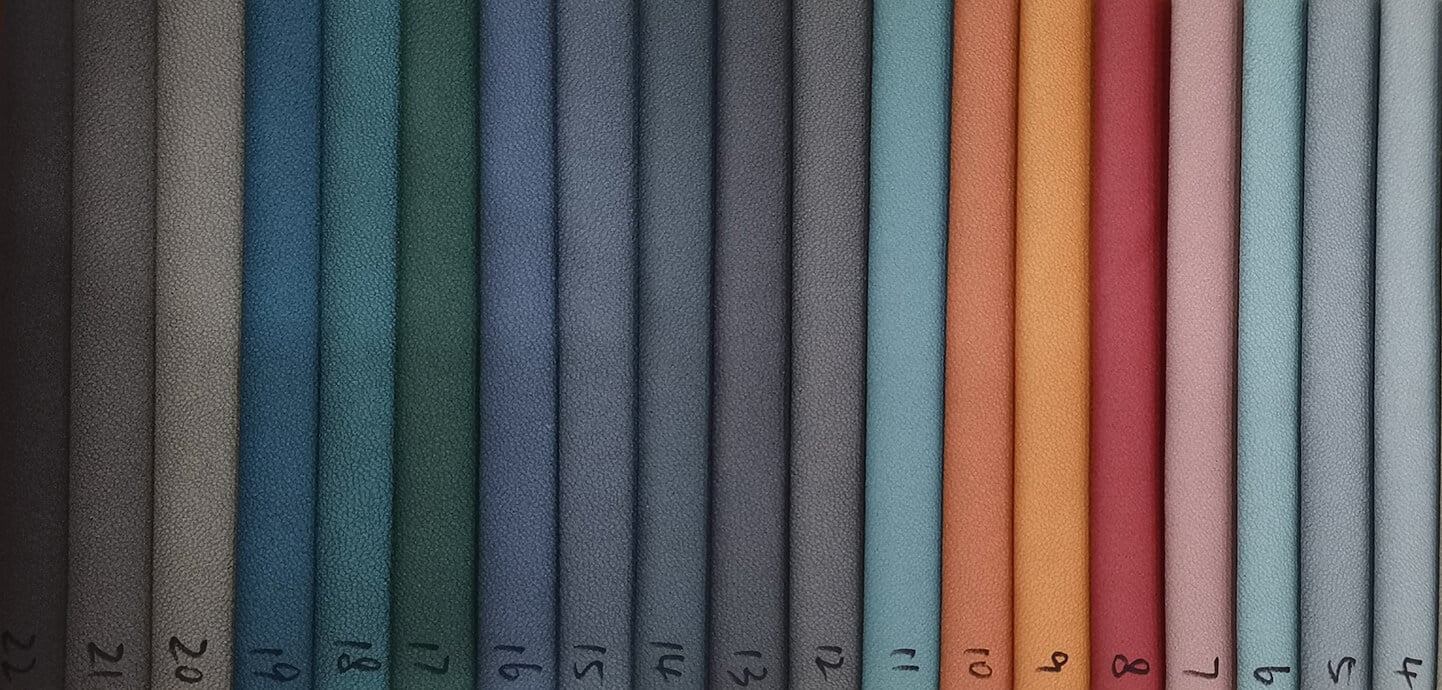
Designers can specify leather air in a vast array of colors, textures, and finishes that would be difficult or impossible to achieve with natural leather. This includes various grain patterns (from smooth to highly textured), matte or glossy finishes, and even specialized treatments for enhanced performance. This flexibility empowers brands to tailor products precisely to their target aesthetic, whether it’s a sleek, modern look or a more traditional, weathered appearance.
Aesthetic Appeal: Touch, Look, and Feel
The visual and tactile experience of a product is paramount to its brand appeal. Leather air is engineered to trick the senses, emulating the rich, deep colors and nuanced textures of genuine leather. Advanced printing and embossing techniques are used to create realistic grain patterns, including pebbled, smooth, or distressed looks.
The “hand” or feel of the material is equally critical. Modern leather air materials are designed to be soft, warm to the touch, and supple, avoiding the stiff, cold, or plastic-like feel associated with older synthetics. This attention to sensory detail ensures that products not only look premium but also feel premium, reinforcing a brand’s commitment to quality and user experience. This sensory branding creates an emotional connection, contributing significantly to customer satisfaction and loyalty.
Durability and Maintenance: Promises to the Consumer
A brand’s reputation is built on the promises it makes and keeps, and durability is often a key promise for products upholstered or finished with materials like leather air. The material’s resistance to scuffs, scratches, spills, and fading directly impacts product longevity and perceived value. Brands can leverage these attributes in their marketing, highlighting easy maintenance as a benefit that saves consumers time and effort, aligning with a lifestyle of convenience.
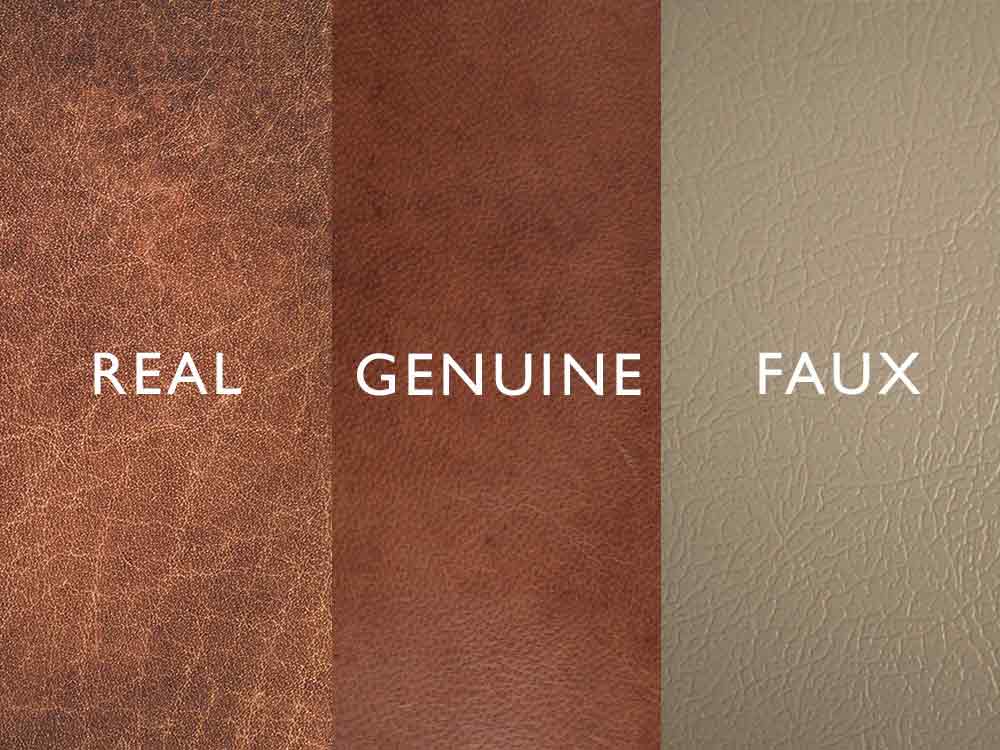
Furthermore, the uniform nature of leather air means that a brand can confidently ensure consistent performance across all units of a product line, reducing potential issues with customer complaints related to material wear or imperfections—a critical factor for maintaining a positive corporate identity and minimizing returns.
Marketing and Brand Positioning: Communicating Value
The nomenclature “leather air material” itself is a masterclass in brand positioning. It leverages the aspirational qualities associated with “leather” while introducing a perceived improvement or modern twist with “air.” For brands, effectively marketing products made from this material requires a clear understanding of its unique selling propositions and how they resonate with target audiences.
The “Air” Advantage: Storytelling and Perception
The term “air” conjures images of lightness, breathability, comfort, and modernity. Brands strategically use this to differentiate leather air from both genuine leather (which can be perceived as heavy or non-breathable) and older, less advanced synthetic leathers (which might be associated with a “plastic” feel). The narrative focuses on enhanced user experience: a cooler seating surface, a lighter accessory, or a more comfortable wear.
Marketing campaigns can highlight the material’s ability to resist temperature extremes, maintaining a comfortable touch in both hot and cold environments. This directly addresses common consumer pain points with traditional materials, positioning leather air as a superior, thoughtful choice from a design and comfort perspective. It’s about selling a feeling, not just a fabric.
Targeting Consumer Segments
Leather air allows brands to target diverse consumer segments. For the value-conscious consumer, it offers the luxury aesthetic of leather at a more accessible price point. For the practicality-driven buyer, its durability and easy maintenance are key selling points. For those with ethical or environmental concerns, it provides an alternative to animal products (though it’s important for brands to be transparent about its synthetic nature).
Brands can also appeal to a design-forward audience, showcasing the material’s versatility in color and texture to create contemporary or bespoke looks. By clearly articulating which benefits are most relevant to specific customer groups, brands can optimize their messaging and product placement, strengthening their market presence and customer loyalty.
Sustainability and Ethical Considerations
While leather air is synthetic and not derived from animal hides, its environmental impact isn’t inherently zero. Brands that choose this material often need to consider and communicate its full lifecycle. Some manufacturers are developing more sustainable versions of polyurethane, using bio-based content or incorporating recycled materials. For brands aiming to build an eco-conscious corporate identity, transparency about the material’s composition, manufacturing process, and end-of-life considerations is crucial. Highlighting durability as a form of sustainability (less frequent replacement) can also be a valid marketing angle. Ethical concerns regarding animal welfare are directly addressed by choosing a synthetic, allowing brands to appeal to a growing segment of consumers who prioritize cruelty-free products.
Corporate Identity and Market Differentiation
The choice of materials is a powerful statement about a brand’s values, quality standards, and innovation. Leather air material, when strategically adopted, can significantly contribute to a brand’s corporate identity and its competitive edge in the marketplace.
How Material Choices Shape Brand Perception
For a brand, using leather air isn’t just a cost-saving measure; it’s a strategic decision that shapes how the brand is perceived. A furniture company using high-quality leather air might position itself as innovative, practical, and offering “affordable luxury.” An automotive brand could emphasize the material’s durability and easy care, signaling reliability and family-friendliness.
The material selection reflects a brand’s commitment to specific attributes—be it luxury for all, sustainable alternatives, or advanced performance. When customers interact with products made from leather air, their experience directly feeds into their perception of the brand, influencing repurchase decisions and word-of-mouth recommendations. Consistent material quality and performance across a brand’s product range are vital for maintaining a strong, trustworthy corporate identity.
Cost-Benefit Analysis for Brands
From a business perspective, the decision to use leather air involves a comprehensive cost-benefit analysis. While the raw material cost might be lower than genuine leather, brands must also factor in processing costs, waste reduction potential, consistency in supply, and the impact on overall product pricing and market demand. The ability to offer a “leather-like” product at a more competitive price point can open up new markets and expand a brand’s customer base.
Moreover, the reduced maintenance requirements for end-users can translate into fewer customer service issues and higher customer satisfaction, leading to a stronger brand reputation and reduced operational costs associated with after-sales support. This holistic view of costs and benefits reinforces the strategic value of material selection in brand management.
Future Trends and Material Innovation
The landscape of material science is continuously evolving, and leather air material is no exception. Future innovations are likely to focus on further enhancing breathability, improving sustainability (e.g., using more plant-based polymers, closed-loop manufacturing), and achieving even greater replication of natural leather’s complex aesthetic and aging characteristics. Brands that stay abreast of these material advancements and strategically integrate them into their product lines will be better positioned to maintain a cutting-edge corporate identity, attract new consumers, and lead the market with innovative, desirable products that resonate with changing consumer values and expectations. The journey of leather air is one of continuous refinement, driven by brand aspirations and consumer demands for better, smarter material solutions.
aViewFromTheCave is a participant in the Amazon Services LLC Associates Program, an affiliate advertising program designed to provide a means for sites to earn advertising fees by advertising and linking to Amazon.com. Amazon, the Amazon logo, AmazonSupply, and the AmazonSupply logo are trademarks of Amazon.com, Inc. or its affiliates. As an Amazon Associate we earn affiliate commissions from qualifying purchases.