
Lady Grey Tea, often recognized as a sophisticated sibling to the ubiquitous Earl Grey, is much more than just a blend of tea leaves and flavorings; it is a meticulously crafted brand identity within the global beverage market. Understanding “what Lady Grey tea is” requires a deep dive into its unique positioning, its deliberate differentiation, and the strategic elements that have cultivated its distinct appeal among consumers. It represents a masterclass in brand evolution, taking a familiar concept and refining it to carve out its own niche.
The Genesis of a Distinct Identity
The story of Lady Grey tea is intrinsically linked to its predecessor, Earl Grey, yet its very existence is a testament to strategic brand differentiation. While Earl Grey has a long and storied history, Lady Grey emerged later, specifically designed to appeal to a slightly different palate and carve out a unique space in the crowded tea market. This wasn’t an accidental discovery but a purposeful act of brand creation.
Earl Grey’s Shadow and Lady Grey’s Emergence
For decades, Earl Grey stood as the pinnacle of flavored black teas, renowned for its distinctive aroma and taste derived from bergamot oil. Its success, however, also presented a challenge: how to innovate without diluting the core brand equity of such a beloved classic. The solution, pioneered by Twinings of London in the 1990s, was not to alter Earl Grey but to introduce a complementary, yet distinct, offering. Lady Grey tea was conceived as a “lighter” or “mellower” alternative for those who found the citrus punch of traditional Earl Grey too strong or sought a more nuanced flavor profile. This strategic move expanded the brand’s potential audience without cannibalizing its flagship product, a shrewd demonstration of market segmentation. By naming it “Lady Grey,” the brand leveraged the established recognition of “Grey” tea while subtly communicating a different, perhaps more refined or gentle, persona.
The Sensory Signature: Bergamot, Orange, and Lemon
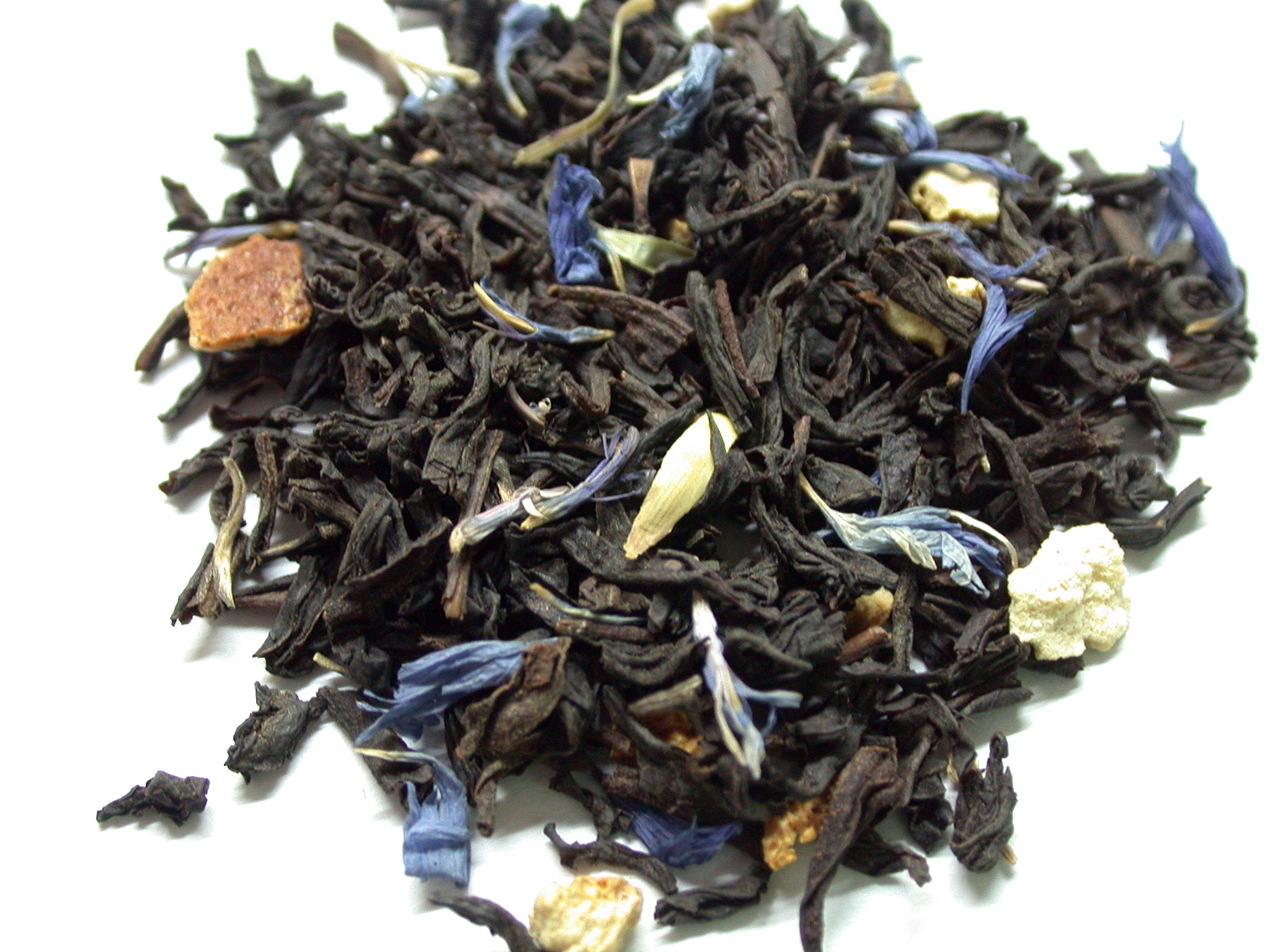
The core of Lady Grey’s brand identity lies in its unique flavor composition. While bergamot remains a foundational element, aligning it with its Earl Grey heritage, Lady Grey distinguishes itself through the addition of orange and lemon peel. These citrus notes are not merely ingredients; they are deliberate brand attributes that define the sensory experience consumers associate with the product. The addition of these elements serves several strategic purposes:
- Differentiation: It immediately sets Lady Grey apart from Earl Grey, offering a milder, more aromatic, and brighter citrus profile that appeals to those seeking less intensity.
- Broader Appeal: The more rounded citrus notes can be more approachable for new tea drinkers or those who prefer a less assertive flavor.
- Perceived Sophistication: The subtle interplay of multiple citrus flavors can be marketed as a more complex and refined blend, elevating its status.
- Brand Promise: This specific blend delivers on the implicit promise of a “Lady Grey” experience – elegant, gentle, and uniquely refreshing. The careful balance of these natural flavorings creates a proprietary taste profile that is difficult to replicate precisely, thus contributing to its unique brand equity.
Crafting the Brand Experience
Beyond its ingredients, Lady Grey’s brand strength is built on a holistic experience that encompasses sensory appeal, visual identity, and the emotions it evokes. Every aspect, from the aroma to the packaging, is designed to reinforce its unique position in the market.
The Flavor Profile as a Core Brand Asset
The unique taste of Lady Grey tea is arguably its most critical brand asset. It’s not just about the individual notes of bergamot, orange, and lemon; it’s about their harmonious interaction, creating a signature that is immediately recognizable and enjoyable. This consistent flavor profile builds trust and loyalty, turning first-time drinkers into repeat customers. Marketers often highlight this specific blend, emphasizing its balance and refreshing qualities as core benefits. The taste becomes a shorthand for the brand’s quality and its promise of a particular drinking experience – one that is bright, invigorating, and subtly luxurious. Consumers develop an expectation for this taste, and meeting that expectation consistently is fundamental to maintaining brand integrity.
Packaging and Presentation: Visual Identity
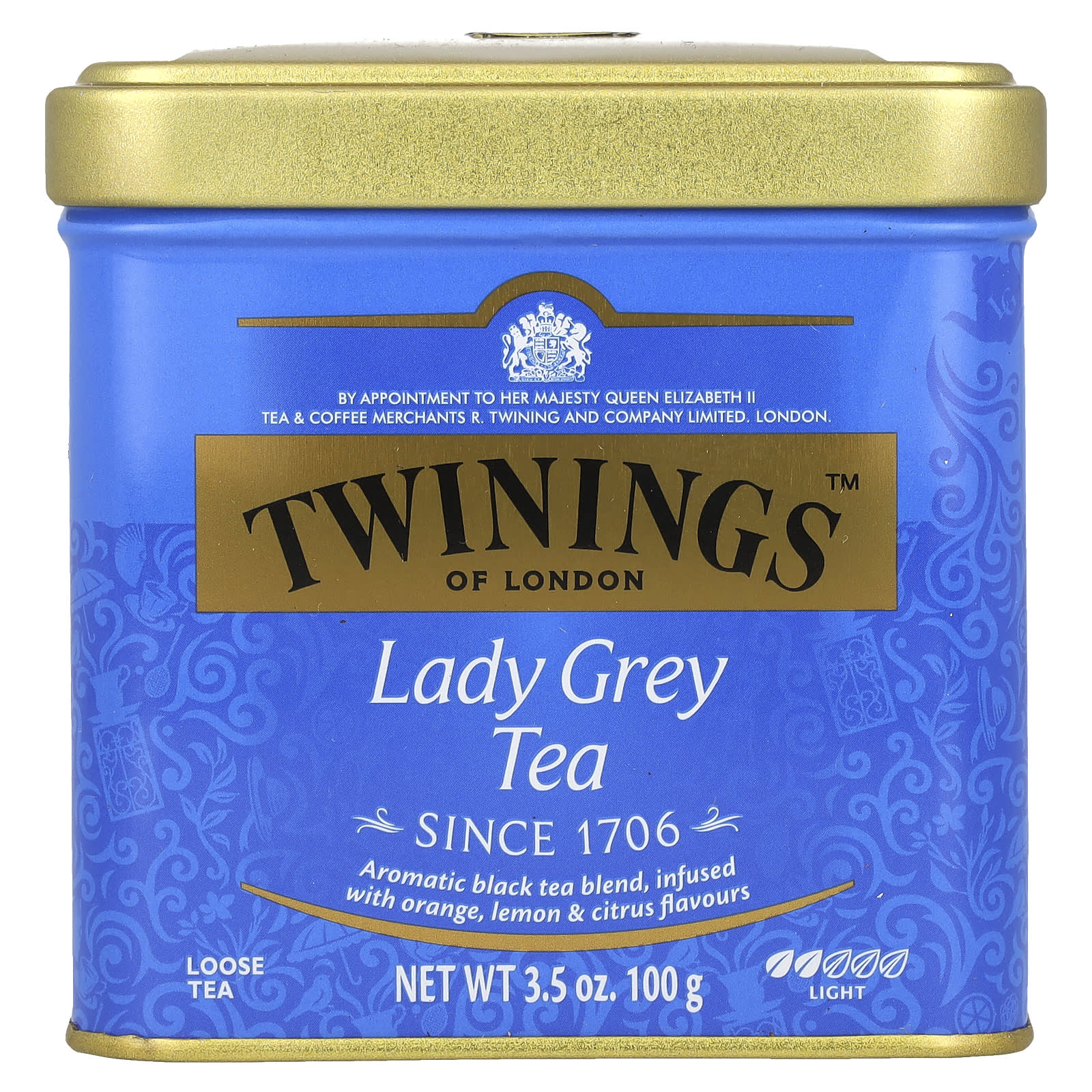
The visual identity of Lady Grey tea plays a crucial role in reinforcing its brand message. Typically, packaging for Lady Grey features elegant designs, often incorporating muted pastel colors, floral motifs, or sophisticated typography. These visual cues are carefully chosen to evoke feelings of refinement, tranquility, and understated luxury, aligning perfectly with the “Lady” aspect of its name. The packaging differentiates it on the shelf, drawing in consumers who are looking for a product that aligns with these aesthetic values. The choice of packaging materials, whether premium tea bags or loose-leaf tins, also communicates brand quality and perceived value. The overall presentation is designed to appeal to a demographic that appreciates subtlety and sophistication, reflecting the “gentler” nature of the tea itself compared to its more assertive Earl Grey counterpart.
Marketing the Mystique: Positioning and Perception
The success of Lady Grey tea lies not just in its intrinsic qualities but in how it has been strategically positioned and perceived by consumers. Its marketing efforts focus on creating a narrative that elevates it beyond a mere beverage, transforming it into a lifestyle choice.
Targeting the Discerning Palate
Lady Grey is not marketed as a mass-market commodity; rather, it targets a discerning palate – individuals who appreciate nuances in flavor and seek a sophisticated alternative to more conventional teas. The marketing often highlights the “delicate” and “refreshing” aspects, appealing to those who may find other flavored teas too strong or one-dimensional. This strategic targeting helps to cultivate a premium image and justify its price point. It’s often presented as an ideal accompaniment for an afternoon break, a moment of personal indulgence, or a welcoming gesture for guests, thus associating the brand with positive emotional experiences and specific consumption occasions. The narrative encourages consumers to view Lady Grey as a choice for moments requiring a touch of elegance and calm.
Storytelling and Brand Narrative
Effective branding often involves compelling storytelling, and Lady Grey is no exception. While its exact origin story might be less steeped in legend than some older teas, its creation as a deliberate, refined alternative provides its own powerful narrative. Marketing campaigns often subtly emphasize its European heritage, its connection to the “Grey” lineage, and its unique blend as a testament to craftsmanship and innovation. The “Lady” in its name itself implies a narrative of elegance, grace, and perhaps a touch of mystery. This narrative helps to build an emotional connection with consumers, making the brand feel more personal and aspirational. It sells not just a tea, but an experience, a mood, and a perceived identity.
Lady Grey in the Global Tea Market
In a highly competitive global beverage market, Lady Grey has successfully carved out a recognizable presence, demonstrating the power of consistent branding and a clear value proposition.
Competing in a Crowded Landscape
The global tea market is saturated with thousands of brands and countless varieties. Lady Grey competes not only with other black teas but also with herbal infusions, green teas, and an ever-expanding array of coffee products. Its strategy of differentiation and targeting a specific niche has been key to its survival and growth. By positioning itself as a distinct, milder alternative within the bergamot-flavored tea category, it avoids direct, head-on competition with the much larger Earl Grey market, while still benefiting from its association. This smart market positioning allows it to capture a loyal segment of consumers who specifically seek its unique flavor profile, rather than simply being another generic black tea.
Cultivating Brand Loyalty
Brand loyalty for Lady Grey tea is cultivated through consistent quality, effective communication of its unique benefits, and the emotional connections consumers form with the product. When consumers consistently find the same refreshing taste and quality they expect, it builds trust. The sophisticated branding and narrative further reinforce this loyalty, making consumers feel that choosing Lady Grey is a reflection of their own refined taste. Moreover, the brand’s availability across various retailers and formats (tea bags, loose leaf) ensures accessibility, reinforcing convenience and cementing its place in daily rituals. This loyalty is a valuable asset, leading to repeat purchases and word-of-mouth recommendations, which are crucial drivers of long-term brand success.
Evolving the Brand: Adaptations and Future
Even established brands like Lady Grey must continuously adapt to maintain relevance and appeal in a changing consumer landscape. This involves innovation, responsiveness to trends, and a commitment to core values.
Innovation in Product Lines
To keep the brand fresh and engaging, Lady Grey has seen limited, but strategic, innovation. While the core blend remains sacrosanct, variations or extensions might include organic versions, decaffeinated options, or even ready-to-drink iced teas that carry the “Lady Grey” essence. These adaptations allow the brand to reach new segments of consumers or cater to evolving preferences without diluting the strength of the original. Each new product extension must carefully align with the existing brand identity – maintaining the “delicate,” “refreshing,” and “sophisticated” attributes that define Lady Grey. This controlled innovation ensures that the brand evolves purposefully, rather than haphazardly.

Sustaining the Brand’s Legacy
The future of Lady Grey tea, like any successful brand, depends on its ability to sustain its legacy while remaining pertinent. This involves continuing to emphasize its unique blend, its sensory experience, and its positioning as a refined choice. In an era where consumers are increasingly conscious of sourcing and sustainability, brands like Lady Grey may also explore how to integrate these values into their narrative, further enhancing their appeal. Ultimately, Lady Grey tea stands as a testament to the power of thoughtful branding – taking a simple product and imbuing it with a distinct personality, a clear value proposition, and a carefully curated experience that resonates deeply with its target audience. It is not just a tea; it is an identity, a choice, and a segment of the global tea brand landscape.
aViewFromTheCave is a participant in the Amazon Services LLC Associates Program, an affiliate advertising program designed to provide a means for sites to earn advertising fees by advertising and linking to Amazon.com. Amazon, the Amazon logo, AmazonSupply, and the AmazonSupply logo are trademarks of Amazon.com, Inc. or its affiliates. As an Amazon Associate we earn affiliate commissions from qualifying purchases.