
In the intricate world of real estate and property ownership, every structural component plays a role in the long-term financial health of an asset. While grand architectural features often capture attention, it is the unsung heroes of building envelopes that frequently dictate maintenance costs, insurance premiums, and ultimately, property value. Among these critical yet often overlooked elements is kick out flashing, a seemingly minor detail with profound financial implications for homeowners, investors, and property managers alike. Understanding its function is not merely a matter of construction knowledge; it is a fundamental aspect of prudent financial management for any property asset.
The Financial Imperative of Proper Water Management
Water is arguably the single greatest threat to a building’s structural integrity and its accompanying financial value. Uncontrolled water intrusion can lead to a cascade of expensive problems, from cosmetic damage to systemic structural failures. For anyone with a vested interest in a property, mitigating this risk is paramount to safeguarding their investment.
Understanding the Cost of Water Damage
The financial ramifications of water damage are extensive and often underestimated. Small leaks can quickly escalate into major issues, including:
- Structural Rot: Water saturation in wood framing, sheathing, and trusses leads to rot, compromising the building’s stability and requiring costly repairs or even partial demolition and reconstruction.
- Mold and Mildew Infestations: Persistent moisture creates ideal conditions for mold growth, which not only poses health risks but also necessitates specialized, expensive remediation efforts. Insurance companies may be hesitant to cover mold if it’s attributed to long-term neglect.
- Damage to Interior Finishes: Drywall, paint, flooring, insulation, and electrical systems can all be ruined by water, leading to significant replacement costs and disrupting daily life or rental income.
- Reduced Property Value: Properties with known water damage issues or signs of past problems often command lower prices in the market, as potential buyers factor in the cost of necessary repairs and future risks.
- Increased Insurance Premiums: Repeated water damage claims can lead to higher insurance premiums or even policy cancellation, impacting the financial viability of owning the property.
How Kick Out Flashing Mitigates Risk
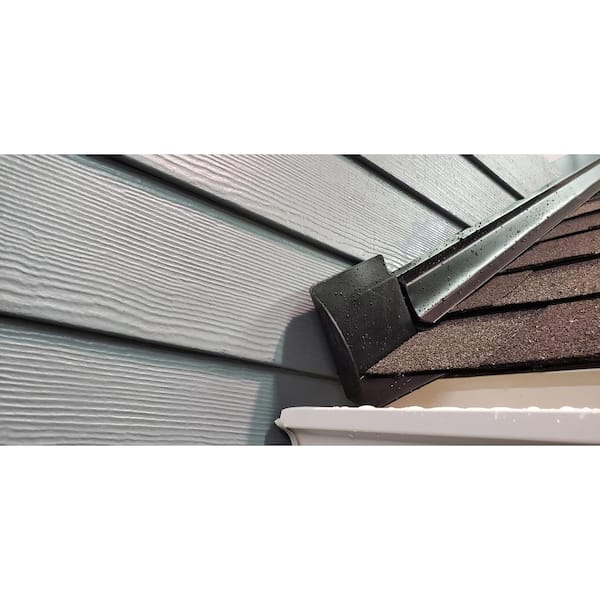
Kick out flashing, also known as diverter flashing, is a specialized piece of sheet metal or composite material designed to effectively divert rainwater away from a wall-to-roof intersection, particularly where a roof slopes towards a vertical wall. Its critical role is to prevent water from running down the roof edge, hitting the wall, and then migrating behind the siding into the wall cavity. By forcing water out and away, it acts as a decisive barrier against the insidious and costly ingress of moisture, directly protecting the property’s financial stability.
Demystifying Kick Out Flashing: A Critical Investment
While often overlooked, kick out flashing is not merely a recommended best practice; in many regions, it is a code requirement. Its simple design belies its immense importance in preventing long-term financial liabilities for property owners.
Anatomy and Function
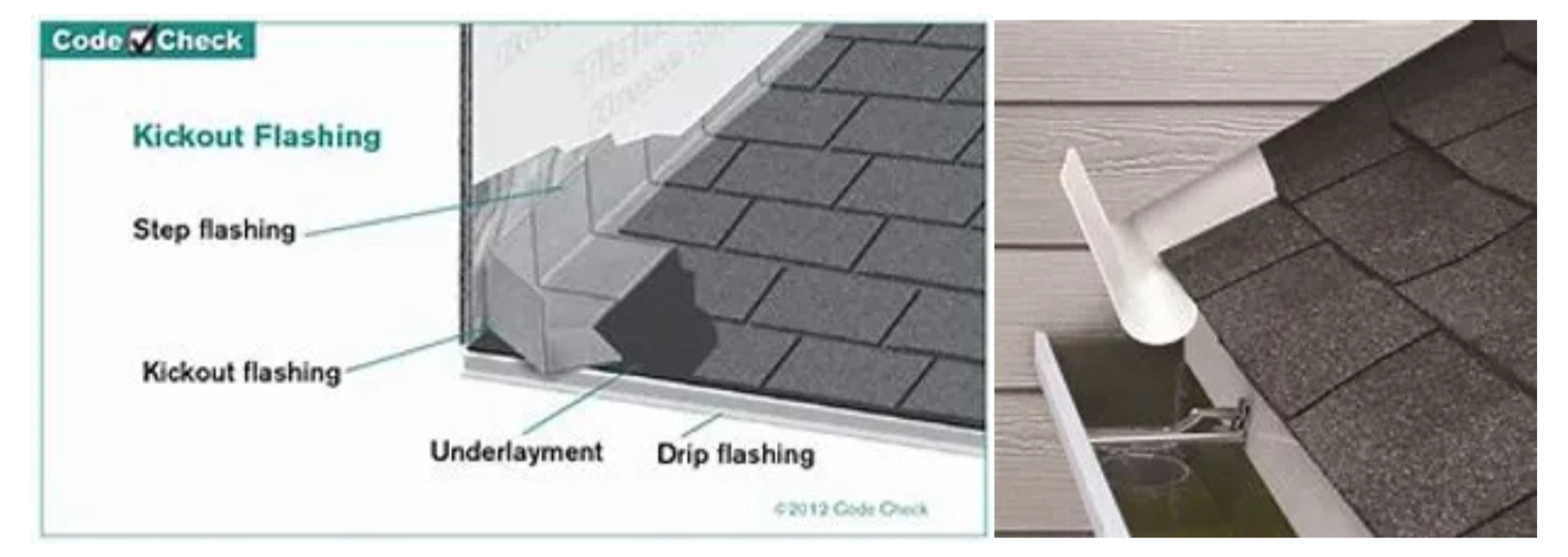
Kick out flashing typically consists of a pre-formed or custom-bent piece of metal (aluminum, copper, galvanized steel) shaped like a small, angled trough or a “kick-out” extension. It is strategically installed at the lowermost edge of a roof-to-wall intersection, directly below the gutter system or where the drip edge ends.
Its primary function is to:
- Collect Water: It catches water that runs down the roof edge.
- Divert Water: It then directs this water horizontally, away from the wall, ensuring it falls directly into the gutter or off the roof safely, rather than creeping behind the siding.
Without this crucial diverter, water cascades down the roof, hits the perpendicular wall, and follows gravity, often finding its way into vulnerable wall cavities, leading to the expensive water damage outlined previously. It’s a small investment that yields significant returns in asset protection.
Where It’s Required and Why
Kick out flashing is essential anywhere a sloped roof terminates into a vertical wall, particularly at eaves where gutters are present. Common locations include:
- Dormer Walls: Where a dormer roof meets the main house wall.
- Chimneys: At the base of a chimney on the roof slope.
- Interior Valleys: Where two roof planes meet to form a valley, and that valley terminates into a wall.
- Any Roof-to-Wall Intersections: Especially critical in areas prone to heavy rainfall or snowmelt.
Building codes, such as those governed by the International Residential Code (IRC), increasingly mandate the use of kick out flashing. This legal requirement underscores its recognized importance in preventing structural damage and ensuring the longevity and safety of buildings. For property owners, adherence to these codes is not just about compliance; it’s about avoiding potential litigation, ensuring insurability, and preserving the asset’s value against future financial burdens.
The Long-Term Financial Benefits
Considering the initial outlay for quality kick out flashing and professional installation, it represents an investment that provides substantial returns over the lifespan of a property. These returns manifest in direct cost savings and enhanced financial security.
Preserving Property Value
A well-maintained property free from water damage commands a higher market value. Evidence of past water intrusion, such as stains, warped siding, or mold odors, immediately raises red flags for potential buyers and appraisers, often leading to reduced offers or extended time on the market. By proactively installing and maintaining kick out flashing, property owners safeguard their asset’s aesthetic appeal and structural integrity, thereby protecting its market value and ensuring a more favorable sale price when the time comes. This preventative measure is a direct contributor to the capital appreciation of real estate.
Reducing Maintenance and Repair Expenditures
The most tangible financial benefit of kick out flashing is the direct reduction in future repair costs. Preventing water from entering wall cavities eliminates the need for:
- Siding replacement due to rot or delamination.
- Structural framing repairs.
- Interior drywall and paint remediation.
- Mold removal services.
- Replacement of compromised insulation.
These repairs are not only expensive in materials and labor but also disruptive, potentially impacting rental income or personal living arrangements. A few dollars spent on proper flashing can save thousands or tens of thousands in corrective actions down the line.
Insurance Implications
Insurance policies are designed to cover unforeseen damages, but they often have exclusions for damage resulting from gradual deterioration or poor maintenance. If water damage is deemed to be preventable through proper building practices—such as the installation of required flashing—an insurance claim could be denied or its payout significantly reduced. Furthermore, a history of water-related claims can lead to higher premiums or difficulty securing coverage. By installing kick out flashing, property owners demonstrate due diligence in maintaining their asset, potentially ensuring better insurance coverage terms and avoiding costly out-of-pocket expenses when unforeseen events occur. It’s a proactive step in managing financial risk.
Installation: A Prudent Expenditure
The financial wisdom of kick out flashing extends to its installation process. While the component itself is relatively inexpensive, proper installation is key to its effectiveness and, therefore, its financial benefit.
Professional Installation vs. DIY Risks
While some property owners might consider a DIY approach to save money upfront, the complexities of proper flashing installation often warrant professional expertise. Incorrectly installed flashing can be worse than no flashing at all, as it can trap water, creating new pathways for moisture intrusion. Professionals understand roof pitch, material compatibility, sealing techniques, and building code requirements.
- Professional Advantages: Ensures correct placement, proper integration with roofing and siding materials, watertight seals, and adherence to local building codes. This expertise minimizes the risk of future water damage and associated financial liabilities.
- DIY Risks: Potential for leaks, improper material choices, voided warranties, and ultimately, the need for costly rework by a professional, negating any initial savings. For a property owner, this translates to deferred costs and increased risk.
Cost-Benefit Analysis of Installation
The cost of installing kick out flashing, whether during new construction or as a retrofit, is a minor percentage of overall construction or renovation budgets. A typical installation for a single location might range from a few hundred dollars to slightly more depending on complexity, materials, and labor rates. When weighed against the potential costs of structural repairs, mold remediation, and diminished property value—which can easily run into thousands or tens of thousands of dollars—the financial return on investment for proper kick out flashing is exceptionally high. It is a classic example of a small preventative expense averting a massive reactive cost.
Identifying and Addressing Deficiencies: Protecting Your Asset
For existing properties, particularly older ones, it’s crucial to assess the presence and condition of kick out flashing. Neglecting this inspection can lead to hidden financial drains that only surface once significant damage has occurred.
Signs of Failure and Potential Costs
Property owners and investors should be vigilant for signs that kick out flashing may be absent, improperly installed, or failing:
- Water Stains: On exterior siding below a roof-to-wall intersection, especially after rain.
- Peeling Paint or Deteriorated Siding: In specific areas where water would naturally collect.
- Mold or Mildew Growth: On the exterior wall or, more alarmingly, on interior walls near the roof line.
- Sagging or Deteriorated Fascia/Soffit: Indicating water egress into the eaves.
- Soft Spots in Wall Sheathing: Discovered during inspections.
The financial cost of addressing these issues escalates rapidly from localized repairs to full wall system replacements, often involving extensive interior renovations if water has penetrated deeply. Catching these signs early, or preventing them entirely with proper flashing, is a direct financial gain.

Proactive Inspections as a Financial Safeguard
Regular property inspections, particularly focused on the roof and exterior envelope, are a non-negotiable aspect of sound financial stewardship. Professional inspectors can identify missing or failing kick out flashing before it leads to extensive and expensive water damage. Including kick out flashing as a specific point of inspection for any property investment—whether a primary residence, a rental unit, or a commercial building—is a wise financial strategy. Addressing these deficiencies promptly is a preventative maintenance cost that secures the long-term value and financial viability of the asset. In essence, understanding and prioritizing kick out flashing is not merely a construction detail; it’s a critical component of robust property financial planning and risk management.
aViewFromTheCave is a participant in the Amazon Services LLC Associates Program, an affiliate advertising program designed to provide a means for sites to earn advertising fees by advertising and linking to Amazon.com. Amazon, the Amazon logo, AmazonSupply, and the AmazonSupply logo are trademarks of Amazon.com, Inc. or its affiliates. As an Amazon Associate we earn affiliate commissions from qualifying purchases.