
Starter fluid, often seen as a quick fix for balky engines, is a precisely engineered chemical blend designed to kickstart internal combustion engines, particularly in cold or damp conditions. Far from a simple accelerant, its composition is a testament to applied chemistry and materials science, aimed at achieving rapid ignition while minimizing potential harm to complex engine technologies. Understanding the specific components and their roles reveals a sophisticated approach to overcoming mechanical friction and environmental resistance, ensuring vital machinery operates efficiently when traditional starting mechanisms falter.
The Chemistry of Instant Ignition
At its core, starter fluid is formulated to provide an easily combustible vapor that can ignite at a lower temperature than standard fuel, allowing an engine to build compression and draw in its primary fuel source. This immediate flammability is critical for overcoming the challenges of cold starts, where fuel vaporization is poor and battery cranking power is reduced. The selection and proportion of chemicals are carefully balanced to achieve this rapid ignition without causing damage to sensitive engine components.

Key Chemical Propellants
The primary active ingredient in most starter fluids is diethyl ether, commonly known simply as “ether.” Ether is highly volatile, meaning it readily evaporates into a gas, even at very low temperatures. This property is crucial for cold starts because cold fuel does not vaporize effectively, making it difficult for an engine to ignite. Ether’s low autoignition temperature—the minimum temperature required to ignite a fuel-air mixture without an external ignition source—makes it an ideal choice for this purpose. When sprayed into the engine’s intake, it creates a highly combustible mixture with the air, which can be ignited by a weak spark from a cold battery, initiating the combustion cycle.
Alongside ether, many formulations include other volatile hydrocarbons such as heptane or similar light petroleum distillates. These components contribute to the overall flammability and extend the combustion process slightly, providing a more sustained “push” for the engine to catch. While ether provides the initial explosive ignition, these secondary hydrocarbons help to smooth the transition until the engine can run on its primary fuel. The precise blend of these propellants is often a proprietary balance, optimized for a broad range of engine types and environmental conditions.
Beyond Flammability: Additives and Enhancers
Modern starter fluids are more than just a blend of highly flammable liquids. To protect engine technology and enhance performance, manufacturers often incorporate a range of specialized additives. These components address various concerns, from lubrication to corrosion prevention, ensuring that the act of jump-starting an engine doesn’t inadvertently cause long-term damage.
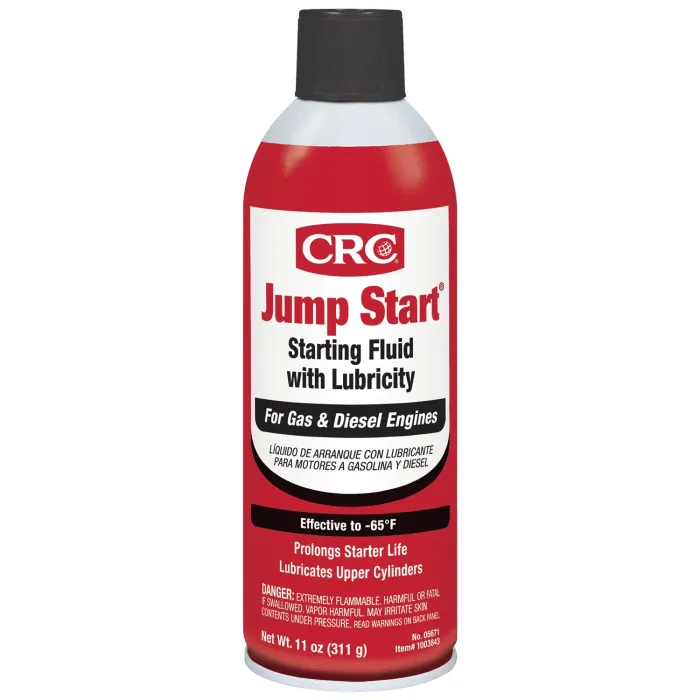
One common additive is an upper cylinder lubricant. While starter fluid’s primary function is ignition, the rapid, dry combustion of highly volatile chemicals like ether can strip away vital lubrication from cylinder walls and piston rings. Lubricating additives help to mitigate this effect, providing a temporary film that protects these critical moving parts during the brief period the engine runs on the fluid. This is particularly important for older engines or those that have sat dormant, where oil may have drained away from cylinder surfaces.
Additionally, some starter fluids include corrosion inhibitors. Engines are complex systems of metals and alloys, susceptible to rust and degradation, especially when exposed to moisture or extreme temperatures. While starter fluid is not a long-term protective agent, these inhibitors help to prevent any immediate corrosive action that might occur due to the chemical reaction or the presence of moisture introduced during the starting process. The goal is to ensure the intervention of starter fluid is a benign one, preserving the integrity of the engine’s internal components.
Engineering for Engine Longevity and Performance
The development of starter fluid is a prime example of chemical engineering principles applied to mechanical systems. The aim is to create a product that effectively solves a common operational problem—difficulty in starting engines—without introducing new ones. This involves a deep understanding of combustion dynamics, material science, and engine mechanics to ensure compatibility and protection.

Formulating for Diverse Engine Types
Engines vary widely in design, compression ratios, fuel delivery systems, and materials. A universal starter fluid must therefore be engineered to perform across a spectrum of gasoline, diesel, and even some small two-stroke engines without adverse effects. This necessitates a careful formulation that provides sufficient ignition power without being so aggressive as to cause pre-ignition (knocking or pinging) in high-compression engines, or incomplete combustion that could foul spark plugs or fuel injectors.
The concentration of ether, for instance, is a critical parameter. Too high a concentration, while ensuring rapid ignition, could lead to excessive cylinder pressure or an overly lean mixture once the engine begins to run on its primary fuel, potentially causing damage. Manufacturers carefully calibrate these concentrations, often incorporating diluents like light oils or less volatile hydrocarbons to moderate the burn rate and ensure a smoother transition to regular engine operation. This calibration is a key technological challenge, balancing efficacy with safety across a broad operational envelope.
Mitigating Environmental Impact
As technology advances and environmental regulations become stricter, the formulation of starter fluids also evolves. The use of certain volatile organic compounds (VOCs) is being scrutinized, leading to the exploration of alternative propellants and less harmful additives. While ether remains highly effective, research into bio-based solvents and less environmentally persistent compounds is ongoing. This push for “greener” chemistry in what might seem like a niche product underscores a broader trend in chemical engineering: achieving performance while minimizing ecological footprint.
Furthermore, the design of the aerosol delivery system itself is a technological consideration. Canister integrity, nozzle design, and propellant gases (often inert compressed gases like CO2) are engineered to ensure safe storage, precise application, and maximum product delivery without wastage. These elements contribute to the overall usability and effectiveness of the product, extending its utility within a wide range of mechanical systems, from lawnmowers to heavy machinery.
Safety Protocols and Technological Advances in Handling
The very properties that make starter fluid effective—its high flammability and volatility—also necessitate stringent safety measures in its design, packaging, and recommended use. Understanding these safety aspects is as crucial as understanding its chemical composition, safeguarding both the operator and the engine technology.
Managing Volatility and Flammability
The primary safety concern with starter fluid is its extreme flammability. Diethyl ether has a very low flash point, meaning it can ignite from even a minor spark or static discharge. This mandates that starter fluids are packaged in robust, sealed aerosol cans designed to prevent leaks and unintended exposure to ignition sources. The canisters are typically pressurized with an inert gas, which helps to propel the fluid out while also reducing the risk of air ingress, which could create a more dangerous mixture within the can.
Users are always cautioned to use starter fluid in well-ventilated areas, away from open flames, sparks, or excessive heat. The rapid evaporation of the fluid means that concentrated vapors can quickly accumulate, posing an explosion risk if ignited. Advanced warning labels and safety data sheets (SDS) are integral parts of the product, providing clear, concise instructions and hazard information to users, reflecting regulatory standards and best practices in chemical safety.
Impact on Engine Electronics and Sensors
Modern engines are equipped with sophisticated electronic control units (ECUs), oxygen sensors, catalytic converters, and various other sensors that monitor engine performance and emissions. The incorrect or excessive use of starter fluid can potentially impact these sensitive electronic components. For instance, an overly rich application of starter fluid could temporarily confuse oxygen sensors or lead to unburnt residue passing into the catalytic converter, potentially reducing its lifespan or efficiency.
Manufacturers of starter fluid formulate their products to burn cleanly and completely to minimize such risks. However, user discretion is paramount. The general recommendation is to use the smallest effective amount, sprayed directly into the air intake or carburetor, and to avoid prolonged or repeated use. This approach protects both the user and the intricate electronic systems that govern today’s advanced engine technologies, ensuring that the quick fix doesn’t lead to costly repairs down the line. The precise delivery mechanisms, often in the form of fine aerosol sprays, are engineered to deliver a controlled amount, preventing over-application and ensuring optimal distribution within the air intake system. This meticulous engineering ensures that even a potentially volatile compound can be applied safely and effectively within a complex technological ecosystem.
aViewFromTheCave is a participant in the Amazon Services LLC Associates Program, an affiliate advertising program designed to provide a means for sites to earn advertising fees by advertising and linking to Amazon.com. Amazon, the Amazon logo, AmazonSupply, and the AmazonSupply logo are trademarks of Amazon.com, Inc. or its affiliates. As an Amazon Associate we earn affiliate commissions from qualifying purchases.