
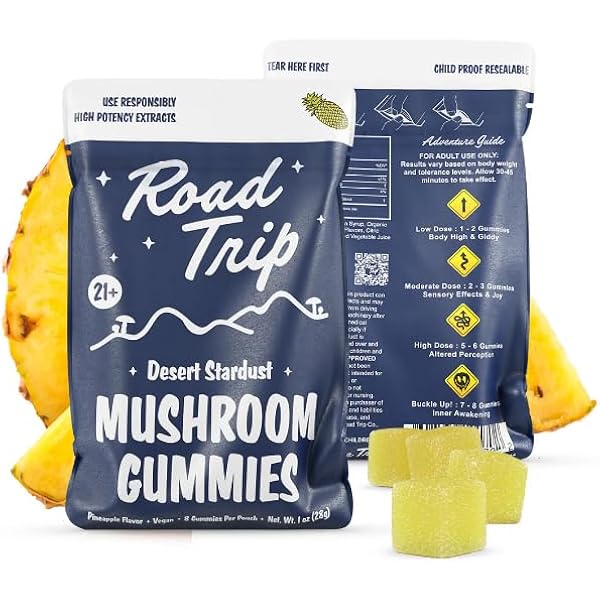
The burgeoning market for functional foods and supplements, particularly those incorporating adaptogenic and nootropic mushrooms, presents a unique landscape for brand development. For products like “road trip mushroom gummies,” understanding the precise composition is not merely a matter of product development; it’s a fundamental aspect of brand strategy, market positioning, consumer trust, and regulatory compliance. What goes into these gummies dictates the brand’s narrative, its perceived value, and its ability to connect with a specific target audience.
Decoding the Core Ingredients for Brand Positioning
The specific blend of ingredients in a mushroom gummy is the bedrock upon which its brand identity is built. Each component offers distinct advantages and challenges for marketing and consumer perception. Brands must carefully select and articulate these ingredients to carve out a unique space in a competitive market.

Functional Fungi and Their Brand Narratives
The primary ingredients, the mushrooms themselves, are the heroes of the product and form the core of the brand’s story. Different mushroom species offer unique functional benefits, allowing brands to target specific consumer needs and craft distinct brand narratives:
- Lion’s Mane (Hericium erinaceus): Often branded for cognitive enhancement, focus, and nerve support. Brands utilizing Lion’s Mane can position their gummies for consumers seeking mental clarity during long drives, enhanced focus for work-related travel, or general brain health. The brand message here revolves around intellectual vitality and sharp awareness, ideal for the “conscious traveler.”
- Reishi (Ganoderma lucidum): Known as the “mushroom of immortality,” Reishi is celebrated for its adaptogenic properties, promoting calm, stress reduction, and immune support. Brands incorporating Reishi can appeal to consumers looking for relaxation during stressful travel, improved sleep post-journey, or an overall sense of well-being. The brand identity leans towards tranquility, resilience, and holistic health.
- Cordyceps (Cordyceps sinensis/militaris): Associated with energy, stamina, and athletic performance, Cordyceps allows brands to target an active demographic. For road trip gummies, this translates to sustained energy without jitters, endurance for exploring new destinations, or combating travel fatigue. The brand narrative here is about vitality, exploration, and sustained adventure.
- Chaga (Inonotus obliquus): Valued for its antioxidant properties and immune support, Chaga can position a brand as a protector of health. For travelers exposed to varied environments, a Chaga-infused gummy offers a proactive health defense, building a brand identity around resilience and preventative wellness.
- Other Medicinal Mushrooms: Varieties like Turkey Tail (immune modulation) or Shiitake (cardiovascular health) can be integrated to create niche offerings, allowing brands to diversify and appeal to highly specific health-conscious segments. The careful selection of these primary fungi defines the functional promise and subsequent marketing angle.
Complementary Botanicals and Flavor Profiles
Beyond the mushrooms, the auxiliary ingredients play a crucial role in enhancing efficacy, improving palatability, and shaping the overall brand experience.
- Sweeteners and Flavors: The choice of sweeteners (e.g., cane sugar, stevia, monk fruit) and natural or artificial flavors profoundly impacts a brand’s health perception and target demographic. A brand aiming for a natural, premium image will prioritize organic fruit extracts and natural sweeteners, aligning with a wellness-focused consumer base. Conversely, a brand focusing on broad appeal might opt for more conventional, familiar flavor profiles. The “road trip” aspect often implies a desire for enjoyable, easy-to-consume snacks, making flavor a significant differentiator.
- Carrier Ingredients: Pectin or gelatin bases, along with fruit purees or vegetable juices, affect texture, mouthfeel, and dietary suitability (e.g., vegan vs. non-vegan). Brands targeting environmentally conscious or plant-based consumers will prominently feature pectin-based, vegan options, reinforcing their ethical brand stance.
- Enhancers and Synergistic Compounds: Ingredients like Vitamin C (for absorption and immune support), ginger (for digestive comfort), or other adaptogens (e.g., ashwagandha, rhodiola) can be added to amplify the core mushroom benefits or address secondary travel-related concerns like motion sickness or mild anxiety. These additions provide additional talking points for marketing, demonstrating a comprehensive approach to traveler well-being and strengthening the brand’s functional claims.
Transparency and Trust: Building a Brand on Ingredient Integrity
In the wellness space, consumer skepticism is high, making transparency about ingredients a non-negotiable aspect of brand building. For mushroom gummies, where the active compounds and their benefits might be less familiar to the average consumer, clarity fosters trust and establishes brand credibility.
Regulatory Compliance and Brand Credibility
The regulatory environment for mushroom supplements can be complex and varies by region. Brands that proactively adhere to, and often exceed, industry standards signal responsibility and integrity.
- Clear Labeling: Detailed ingredient lists, including the specific mushroom species, their extract ratios (e.g., 10:1 extract), and active compound concentrations (e.g., polysaccharides, triterpenes), are vital. A brand that educates its consumers about standardized extracts and effective dosages differentiates itself from competitors offering less potent or vaguely defined products. This transparency builds a brand image of scientific rigor and commitment to efficacy.
- Third-Party Testing: Independent laboratory testing for purity, potency, and the absence of contaminants (heavy metals, pesticides, microbial impurities) is a powerful marketing tool. Brands that proudly display Certificates of Analysis (CoAs) on their websites or packaging instill confidence, demonstrating a commitment to safety and quality. This acts as a tangible proof point for premium pricing and positions the brand as a leader in product integrity.
- Sourcing Information: Providing information about where and how mushrooms are cultivated (e.g., organic, wild-harvested, specific geographical regions) can enhance a brand’s narrative around naturalness, sustainability, and ethical sourcing. This resonates with a consumer base increasingly concerned with environmental and social responsibility, strengthening the brand’s emotional connection.
Educating the Consumer: A Marketing Imperative
The “what is in” question extends beyond a simple list of ingredients; it encompasses the “why” and “how” these ingredients contribute to well-being. Brands have a critical role in educating their audience.
- Demystifying Mushrooms: Many consumers are still unfamiliar with the specific benefits of different functional mushrooms. Brand content (blogs, social media, packaging copy) that clearly explains the science behind each mushroom, its traditional uses, and how it contributes to the “road trip” experience can empower consumers and build brand loyalty.
- Benefit-Oriented Messaging: While ingredients are key, the brand’s marketing should translate these ingredients into tangible benefits. For a “road trip” gummy, this means linking Lion’s Mane to maintaining focus on long drives, Reishi to unwinding after a day of travel, or Cordyceps to sustained energy for exploring. This benefit-centric communication makes the product relevant and desirable.
- Managing Expectations: Openly communicating what the gummies can and cannot do helps build realistic expectations, preventing disappointment and fostering long-term trust. Brands that are honest about the subtle, cumulative nature of adaptogenic benefits, rather than promising instant miracles, cultivate a more credible and sustainable relationship with their customers.

Marketing the ‘Road Trip’ Experience: From Formulation to Consumer Appeal
The “road trip” aspect of these gummies is a powerful branding element, moving the product beyond a mere supplement into a lifestyle accessory. The ingredient profile must align seamlessly with this aspirational positioning.
Lifestyle Alignment and Target Audience Identification
The ingredients chosen should directly support the desired “road trip” experience the brand wishes to evoke.
- Adventure and Exploration: Ingredients like Cordyceps that boost energy and endurance align with a brand targeting adventurous travelers, hikers, or those who embrace active exploration during their trips. The marketing would feature dynamic imagery and testimonials from users conquering new landscapes.
- Relaxation and Mindfulness: Reishi-infused gummies cater to the traveler seeking calm amidst the journey, aiming for a stress-free experience or a peaceful evening unwind. The brand identity would be serene, perhaps featuring scenic views and moments of quiet contemplation.
- Focus and Productivity: Lion’s Mane positions the brand for individuals who need to stay alert and mentally sharp, whether driving long distances, working remotely on the road, or engaging in mentally stimulating travel activities. This brand might appeal to digital nomads or business travelers.
The ingredient selection, therefore, is not just about what is biologically active but what narrative it enables the brand to tell about the consumer’s journey and aspirations.
Crafting Brand Messaging Around Efficacy and Safety
The specific ingredients dictate the claims a brand can credibly make. Marketing efforts must translate ingredient science into compelling, yet responsible, messaging.
- Science-Backed Claims: Brands should highlight peer-reviewed research or traditional use cases for their chosen mushrooms, providing a scientific foundation for their efficacy claims. This elevates the brand from anecdotal claims to evidence-based assurance, critical for a product designed for well-being.
- Safety and Dosage: Clear instructions on dosage and any potential interactions or contraindications are crucial, particularly for functional mushrooms. A responsible brand includes these details prominently, reinforcing its commitment to consumer safety and establishing itself as a trustworthy authority.
- Storytelling: Beyond the science, brands can weave compelling stories around their ingredients – their origin, cultivation, and traditional significance. This humanizes the product and creates an emotional connection, making the gummies more than just a functional item but a part of a larger wellness journey. For a “road trip” brand, this might involve stories of the ingredients supporting travelers through various terrains and challenges.
Differentiating Your Brand in a Maturing Market
As the market for mushroom gummies grows, differentiation becomes paramount. The “what is in” aspect offers fertile ground for creating unique selling propositions and fostering long-term brand loyalty.
Unique Formulations as a Competitive Advantage
Simply listing common mushrooms may not suffice as the market becomes saturated. Brands must innovate in their formulations.
- Synergistic Blends: Combining multiple mushrooms or adding other complementary adaptogens/nootropics can create unique, proprietary blends that address a wider range of needs or offer enhanced effects. For example, a “Road Trip Focus & Calm” gummy could blend Lion’s Mane for alertness with a touch of Reishi for gentle stress moderation, providing a balanced experience that stands out.
- Bioavailability Enhancements: Innovations in extraction methods or the inclusion of bioavailability enhancers (e.g., piperine from black pepper extract) can boost the effectiveness of the mushrooms, allowing a brand to claim superior absorption and impact. This technical differentiation can appeal to sophisticated consumers who prioritize efficacy.
- Novel Mushroom Varieties: Exploring less common but equally potent functional mushrooms can open new market segments and create a sense of exclusivity around the brand’s offerings.
Sustaining Brand Loyalty Through Quality and Innovation
Long-term brand success in the functional food space hinges on consistent quality and a commitment to evolution.
- Consistent Quality Control: The “what is in” must remain consistent batch after batch. Brands that invest in robust quality control processes and maintain transparency about these efforts build deep consumer trust and minimize brand risk.
- Product Line Expansion: Based on initial success and consumer feedback, brands can expand their “road trip” line with variations targeting different times of day (e.g., morning energy, evening relaxation) or specific travel challenges (e.g., jet lag support). This demonstrates innovation and caters to evolving consumer needs, keeping the brand relevant and exciting.
- Community Building: Engaging with consumers about their “road trip” experiences and how the gummies enhance them creates a community around the brand. This feedback loop can inform future ingredient choices and product development, ensuring the brand remains attuned to its audience and strengthens its market position.
Ultimately, “what is in road trip mushroom gummies” is not just a question for product developers; it is a strategic inquiry for brand managers. Every ingredient, from the primary mushroom extract to the flavorings, contributes to the brand’s identity, its promise to the consumer, and its long-term viability in a competitive and rapidly evolving wellness market.
aViewFromTheCave is a participant in the Amazon Services LLC Associates Program, an affiliate advertising program designed to provide a means for sites to earn advertising fees by advertising and linking to Amazon.com. Amazon, the Amazon logo, AmazonSupply, and the AmazonSupply logo are trademarks of Amazon.com, Inc. or its affiliates. As an Amazon Associate we earn affiliate commissions from qualifying purchases.