
The pursuit of aesthetic enhancement often involves significant financial consideration, and lipo injections are no exception. Beyond the immediate results, understanding “what is in” these injections provides crucial insight into the value proposition, the costs involved, and the potential return on investment for both the individual consumer and the businesses offering these services. This exploration delves into the financial anatomy of lipo injections, dissecting their components from a monetary viewpoint.
The Anatomy of an Aesthetic Investment: Decoding the Ingredients’ Value
At the core of any lipo injection procedure lies a specific formulation designed to achieve fat reduction or body contouring. The financial implications of these ingredients are multifaceted, influencing pricing, efficacy, and ultimately, the perceived value of the treatment.

Understanding the Active Compounds and Their Market Value
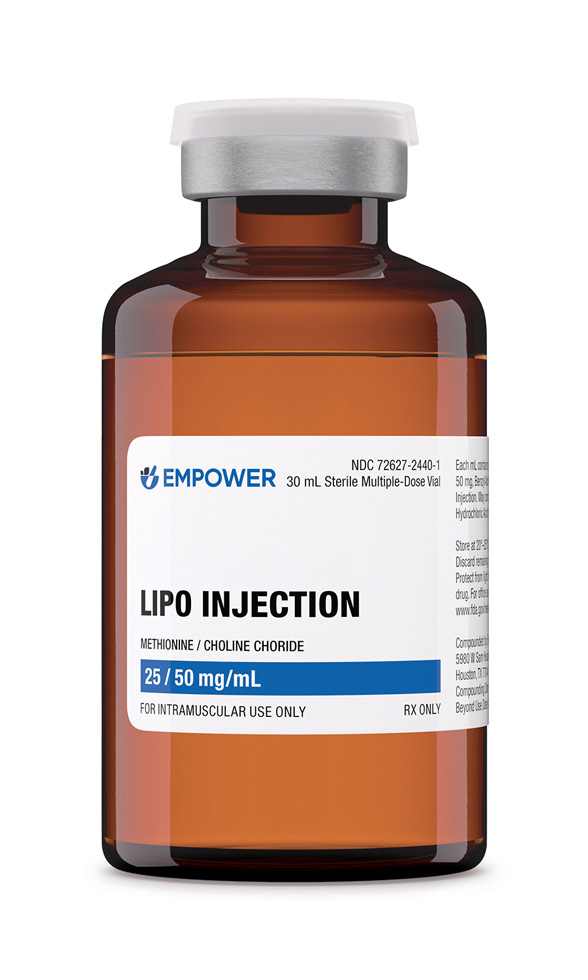
The primary active ingredients in most commercially available lipo injections are typically synthetic deoxycholic acid or a combination of phosphatidylcholine and deoxycholate (PPC/DC).
Deoxycholic acid, a naturally occurring molecule in the body, aids in the breakdown and absorption of dietary fat. Its synthetic counterpart, when injected into subcutaneous fat, destroys fat cells, which are then naturally cleared away by the body. Brands like Kybella (in the US) utilize synthetic deoxycholic acid. The development, regulatory approval, and proprietary nature of such pharmaceutical-grade compounds carry substantial research and development costs. These costs are ultimately reflected in the wholesale price paid by clinics, and subsequently, in the retail price charged to patients. The intellectual property and rigorous testing required for FDA (or equivalent) approval for a prescription drug like deoxycholic acid represent a significant upfront investment by pharmaceutical companies, justifying a higher per-dose cost.
PPC/DC solutions, while widely used in some regions, often fall into a different regulatory category, sometimes considered “compounded” or “off-label” in certain markets. While the raw materials (phosphatidylcholine, a lecithin derivative, and deoxycholate, a bile salt) might be less expensive to acquire than proprietary synthetic deoxycholic acid, their combination and preparation into an injectable solution still incur formulation and quality control costs. The market value of these compounds fluctuates based on supply chain dynamics, pharmaceutical purity requirements, and the scale of production. For businesses, selecting between these different active compounds involves a critical financial decision, balancing ingredient cost against regulatory compliance, perceived efficacy, and marketing positioning.
Ancillary Costs Beyond the Core Solution
The direct cost of the active compound is only one piece of the financial puzzle. Each treatment session requires several other consumables, which contribute to the overall expense. These include sterile syringes, needles, antiseptic wipes, local anesthetics (like lidocaine), and potentially post-procedure soothing agents or dressings. While individually inexpensive, these items accumulate, especially across multiple treatment areas or sessions. From a business finance perspective, efficient procurement and inventory management of these ancillary supplies are crucial for maintaining profitability. For the patient, these costs are bundled into the overall price, representing the clinic’s operational expenditure passed on to the consumer. Furthermore, proper disposal of medical waste adds another layer of cost, as clinics must adhere to strict environmental and health regulations for hazardous materials.
Deconstructing the Cost: Ingredients vs. Expertise and Overhead
When a patient pays for lipo injections, they are not merely purchasing a vial of solution. A significant portion of the cost is attributed to the professional services, clinical environment, and regulatory compliance that ensure safety and efficacy.
The Price Tag of Pharmaceutical-Grade Compounds
As discussed, the active ingredients themselves, especially proprietary formulations, command a premium due to R&D, manufacturing, and regulatory hurdles. For clinics, this represents a direct cost of goods sold. The volume purchased, supplier relationships, and market competition can influence the per-vial or per-dose cost. A clinic needs to price its services to cover these material costs while maintaining a healthy profit margin. This makes ingredient selection a strategic financial decision; opting for cheaper, less regulated alternatives might lower upfront costs but could carry greater risks in terms of patient outcomes and potential liabilities, ultimately impacting long-term business viability and reputation. Conversely, investing in premium, FDA-approved ingredients allows for higher pricing points, justified by superior safety profiles and marketing advantages, but requires careful market analysis to ensure patient affordability and demand.
Valuing Professional Administration and Clinic Infrastructure
Perhaps the most substantial component of the cost, beyond the ingredients, is the professional expertise required for safe and effective administration. Lipo injections are medical procedures that demand a trained and licensed healthcare professional—typically a dermatologist, plastic surgeon, or a registered nurse under physician supervision—to perform them. The cost incorporates:
- Professional Fees: This includes the practitioner’s time, skill, medical training, and ongoing education. Highly specialized practitioners command higher fees, reflecting their experience, reputation, and the value of their precision and judgment.
- Medical Liability Insurance: Due to the inherent risks of any medical procedure, clinics carry extensive medical malpractice insurance, a significant annual expense that is factored into service pricing.
- Clinic Overhead: The cost of maintaining a sterile, safe, and professional clinical environment is substantial. This includes rent/mortgage for the facility, utilities, specialized equipment (e.g., examination tables, lighting, emergency supplies), sterilization equipment, administrative staff salaries, cleaning services, and adherence to stringent health and safety regulations. These fixed and variable operational costs are amortized across all services offered, including lipo injections.
- Consultation and Follow-up: The initial consultation, where patient suitability and expectations are assessed, and subsequent follow-up appointments to monitor progress and address concerns, are integral parts of the service and are factored into the overall cost. These interactions are crucial for patient safety and satisfaction, mitigating risks and ensuring proper financial planning for the full treatment course.

From a business finance perspective, optimizing the balance between professional fees, overhead costs, and material costs while maintaining competitive pricing is key to profitability and market sustainability.
The Return on Aesthetic Investment: Tangible vs. Intangible Value
For individuals considering lipo injections, the financial outlay is an investment, with an expected return. This return can be both tangible (measurable outcomes) and intangible (personal benefits). Understanding these dimensions is crucial for sound personal financial decision-making.
Quantifying Efficacy and Longevity for Financial Planning
The primary tangible return on investment for lipo injections is the reduction of localized fat deposits and improved body contour. The degree of efficacy can vary based on the individual, the injection technique, and the specific product used. Financially, understanding the longevity of the results is paramount. While the fat cells destroyed by the injections are permanently removed, remaining fat cells can still enlarge if a healthy lifestyle is not maintained. This means the initial investment requires ongoing management (diet, exercise) to preserve the aesthetic and financial return. If results are short-lived due to lifestyle factors, the initial financial investment yields a lower long-term return. Therefore, financial planning for such a procedure should include an assessment of one’s commitment to post-procedure maintenance. This also implies that “cheaper” options that may offer less effective or less durable results could, in the long run, prove to be a more costly investment if repeat treatments or alternative procedures become necessary.
Assessing Non-Monetary Returns: Confidence and Well-being
Beyond the physical changes, a significant portion of the return on investment from cosmetic procedures is intangible. These non-monetary returns include:
- Increased Self-Confidence: Feeling better about one’s appearance can lead to improved self-esteem, which can positively impact social interactions, career prospects, and overall quality of life. While difficult to quantify in monetary terms, this psychological uplift is often a primary driver for seeking such treatments.
- Enhanced Body Image: Achieving a desired physique can alleviate body image concerns, reducing stress and fostering a more positive self-perception. This can have downstream effects on mental health and well-being.
- Motivation for Healthier Lifestyles: For some, the initial investment in lipo injections acts as a catalyst for adopting healthier eating habits and regular exercise, thereby creating a virtuous cycle that enhances the initial investment’s value.
While these benefits don’t directly translate to dollars, they contribute significantly to an individual’s perceived value of the procedure and should be weighed against the financial cost during personal financial planning. It’s an investment in oneself, where the currency is often personal happiness and psychological comfort.
Navigating the Financial Landscape of Cosmetic Enhancements
Making an informed financial decision about lipo injections requires careful consideration of costs, financing, and due diligence to ensure the investment aligns with personal financial goals and expectations.
Budgeting for Lipo Injections: Short-term vs. Long-term Considerations
The cost of lipo injections can vary widely based on the treatment area, the number of sessions required, the type of product used, and the clinic’s location and reputation. Individuals should obtain a clear, itemized quote that covers all aspects of the treatment plan, including any potential follow-up appointments or necessary retouches. Budgeting should account for the total cost of the treatment course, not just a single session. From a personal finance perspective, this means evaluating whether the expenditure fits within discretionary income, savings goals, or requires specific allocation within a financial plan. It’s crucial to consider the opportunity cost: what other financial goals might be deferred or sacrificed for this aesthetic investment? For businesses, transparent pricing and clear communication about payment structures are vital for patient trust and financial management.
Financing Options and Due Diligence for Your Wallet
Many clinics offer various financing options, including in-house payment plans, medical credit cards, or third-party financing solutions. While these can make the procedure more accessible, it’s imperative for consumers to understand the interest rates, repayment terms, and total cost implications of such agreements. Comparing different financing options and calculating the total cost over the repayment period is essential to avoid unforeseen financial burdens.
Furthermore, conducting thorough due diligence extends beyond the financial aspects to the credibility of the provider. Researching the practitioner’s qualifications, experience with lipo injections, patient reviews, and the clinic’s safety record is paramount. A seemingly “cheaper” option might come with hidden costs if it involves an unqualified practitioner, substandard products, or a less sterile environment, potentially leading to complications that require further medical (and financial) intervention. Investing in a reputable provider ensures not only a higher likelihood of satisfactory results but also minimizes the financial risk associated with potential adverse outcomes. Understanding “what is in” lipo injections, coupled with a keen financial lens, empowers both consumers and businesses to make sound, value-driven decisions in the evolving landscape of aesthetic medicine.
aViewFromTheCave is a participant in the Amazon Services LLC Associates Program, an affiliate advertising program designed to provide a means for sites to earn advertising fees by advertising and linking to Amazon.com. Amazon, the Amazon logo, AmazonSupply, and the AmazonSupply logo are trademarks of Amazon.com, Inc. or its affiliates. As an Amazon Associate we earn affiliate commissions from qualifying purchases.