
The concept of “halal bacon” represents a fascinating intersection of culinary tradition, dietary law, and modern brand innovation. Far from being a mere oxymoron, it embodies a strategic approach by food brands to cater to evolving consumer demands, expand market reach, and build trust within specific demographic segments. Understanding “what is halal bacon” from a brand perspective involves dissecting the intricate strategies employed in product development, certification, marketing, and the broader implications for corporate identity and market positioning.
The Strategic Imperative: Addressing Underserved Markets
The emergence of products like halal bacon is a direct response to a growing global Muslim consumer base seeking products that align with their dietary principles while also satisfying contemporary culinary preferences. For brands, this represents a significant market opportunity. The term “halal” signifies adherence to Islamic dietary laws, prohibiting pork and requiring specific methods for the slaughter of permissible animals (such as beef, lamb, or poultry). Bacon, traditionally derived from pork belly, presents a challenge and an opportunity: how can brands deliver the experience of bacon—its texture, flavor profile, and culinary versatility—without violating halal tenets?

This challenge necessitates a brand strategy focused on innovation, authenticity, and clear communication. Brands entering this space must navigate not just the production logistics but also the cultural and religious sensitivities inherent in their target market. The success of halal bacon products hinges on a brand’s ability to convincingly convey that their alternative not only meets the strict halal criteria but also delivers a sensory experience comparable to, or even exceeding, traditional expectations.
Brand Innovation: Crafting the Halal Bacon Experience
Developing a product like halal bacon is a complex exercise in brand innovation, requiring a multi-faceted approach that spans sourcing, formulation, and certification. It’s not just about creating a substitute; it’s about crafting a distinct product identity that resonates with the consumer.
Sourcing and Certification: The Foundation of Brand Trust
At the core of any halal product is its authenticity, which is inextricably linked to its sourcing and certification. For halal bacon, this typically means utilizing permissible meats such as beef, lamb, turkey, or even plant-based ingredients, prepared and processed according to Islamic law.
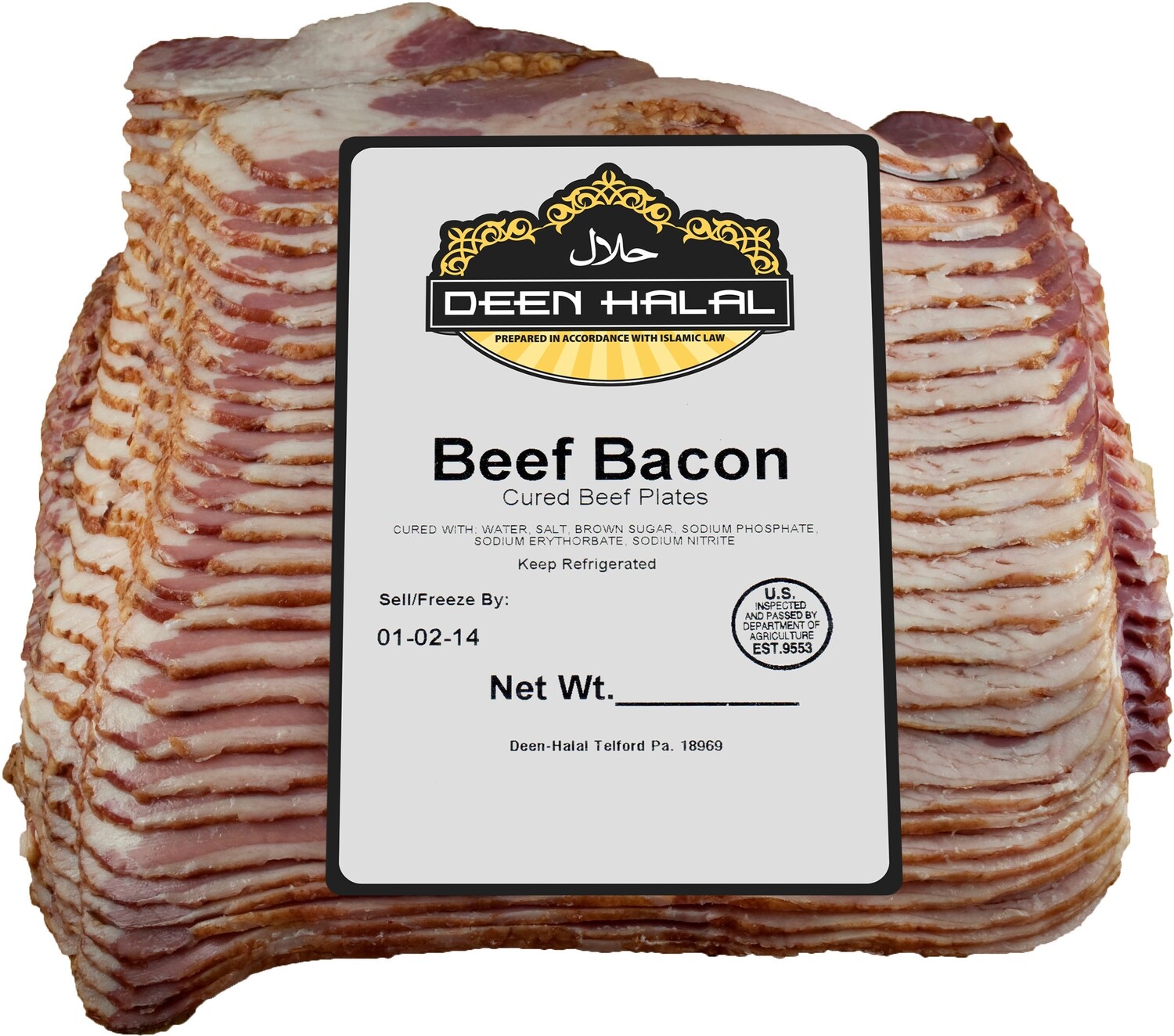
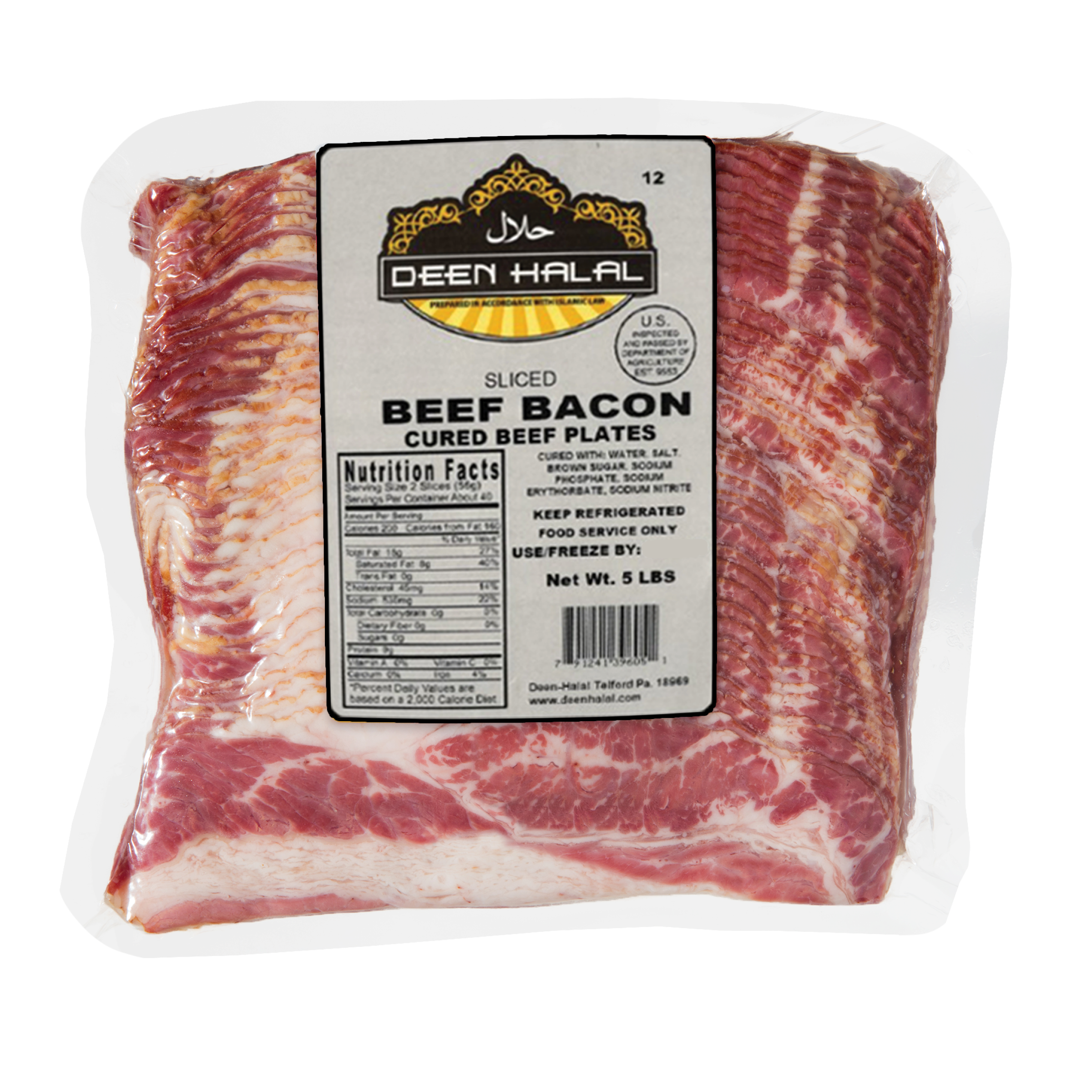
- Meat Selection: Brands meticulously select cuts from halal-certified animals. For example, “beef bacon” is often derived from beef navel or short plate, while “turkey bacon” comes from cured, smoked turkey thigh meat. The brand’s commitment to sourcing only from certified halal suppliers is paramount. This extends beyond the primary meat to include all ingredients, such as marinades, curing agents, and processing aids, which must also be halal.
- Processing Standards: The manufacturing facilities themselves must adhere to strict halal guidelines, preventing cross-contamination with non-halal products. This often involves dedicated production lines, thorough cleaning protocols, and rigorous oversight.
- Third-Party Certification: Crucially, brands seek certification from recognized halal authorities. These independent bodies verify every step of the production process, from farm to fork, ensuring compliance with Islamic dietary laws. The presence of a reputable halal certification logo on packaging is a powerful trust signal, assuring Muslim consumers of the product’s authenticity and integrity. For brands, investing in and prominently displaying this certification is a non-negotiable aspect of their brand promise within this niche. It transforms a generic meat product into a specifically branded halal offering.
Product Development and Sensory Experience: Meeting Expectations
Once sourcing is secured, the brand’s focus shifts to product development—how to replicate the cherished attributes of bacon using alternative ingredients. This involves extensive research and development to achieve the desired flavor, texture, and aroma.
- Flavor Profile: The smoky, savory, and often slightly sweet notes of traditional bacon are highly distinctive. Brands employ various techniques, including specific curing agents, natural smoke flavorings, and spice blends, to mimic this profile. The goal is to create a flavor that is both familiar and appealing, without relying on pork-derived ingredients.
- Texture and Mouthfeel: Bacon’s crispiness when cooked and its fatty, chewy texture are key sensory attributes. For beef or lamb bacon, brands might focus on cuts with appropriate fat content and marbling. For turkey or plant-based versions, the challenge is to engineer a texture that crisps up appealingly and provides a satisfying mouthfeel. This often involves innovative processing techniques and ingredient combinations.
- Cooking Performance: Consumers expect bacon to cook in a certain way, whether pan-fried, baked, or microwaved. Brands must ensure their halal alternatives perform similarly, delivering consistent results that meet culinary expectations. The ability of a brand’s halal bacon to deliver a satisfying cooking and eating experience directly contributes to its perceived value and encourages repeat purchases.
Packaging and Labeling: Communicating Authenticity and Appeal
The packaging of halal bacon products plays a critical role in communicating the brand’s value proposition. It must convey both authenticity and appetite appeal.
- Clear Halal Labeling: The halal certification mark must be prominently displayed. Alongside this, clear text indicating “Halal Certified” or “Suitable for Halal Diets” reassures consumers.
- Ingredient Transparency: A full list of ingredients, emphasizing the permissible animal or plant source, builds trust. Brands might highlight key flavor components or unique preparation methods.
- Visual Appeal: The visual design of the packaging should evoke the familiar imagery of bacon—crispy strips, rich color—while clearly distinguishing it from pork products. High-quality photography and appealing graphics enhance the product’s shelf presence and attract consumers.
- Educational Messaging: Some brands use packaging to briefly explain what makes their product halal or how it achieves its distinct flavor and texture, educating new consumers and reinforcing their commitment to quality. This educational aspect helps in building a stronger brand narrative.
Marketing Halal Bacon: Navigating Cultural Sensitivities and Expanding Reach
Marketing halal bacon effectively requires a nuanced approach that respects cultural sensitivities while broadly appealing to a diverse consumer base. It’s about more than just selling a product; it’s about building an inclusive brand identity.
Target Audience Identification: Beyond the Obvious
While the primary target market is obviously Muslim consumers, brands also recognize the broader appeal of alternative bacon products.
- Muslim Consumers: This segment prioritizes halal certification and authenticity. Messaging focuses on compliance with Islamic law, quality ingredients, and the pleasure of enjoying a familiar food item within dietary restrictions.
- Health-Conscious Consumers: Turkey bacon, for instance, often appeals to those seeking lower-fat alternatives, regardless of religious dietary needs. Brands can market these products on their health benefits, aligning with broader wellness trends.
- Flexitarians and Vegans (for plant-based options): Plant-based halal bacon alternatives tap into the growing demand for sustainable and cruelty-free options, expanding the potential market significantly beyond traditional religious consumers.
- Curious Consumers: There’s a segment of consumers simply interested in trying new culinary experiences or exploring alternatives, which brands can cater to with engaging and informative marketing.
Messaging Strategy: Balancing Authenticity and Allure
The brand’s message for halal bacon must carefully balance religious compliance with culinary desirability.
- Emphasize Authenticity: Highlighting the strict adherence to halal standards and reputable certification builds trust and credibility. This is often the foundational message.
- Focus on Flavor and Experience: Beyond being halal, the product must taste good. Messaging should celebrate the savory, smoky taste and versatility of the product, positioning it as a delicious alternative rather than just a compromise. Brands often use evocative language to describe the sensory experience.
- Inclusive Language: Marketing materials should be inclusive, welcoming all consumers to try the product, while respectfully acknowledging its halal designation. Avoid language that might alienate non-Muslim consumers, unless specifically targeting a religious audience through niche channels.
- Highlight Versatility: Showcase how halal bacon can be used in various dishes, from breakfast to sandwiches and salads, demonstrating its broad culinary application. This reinforces its value proposition beyond a niche item.
Distribution Channels: Reaching the Right Consumers
Effective distribution is key to market penetration and brand visibility.
- Ethnic Grocery Stores: These are vital for reaching the core Muslim consumer base, where the product’s presence aligns with existing shopping habits.
- Mainstream Supermarkets: Placing halal bacon alongside traditional bacon products in major retailers increases visibility for a wider audience, including those seeking alternatives or healthy options. This signals mainstream acceptance and availability.
- Foodservice Sector: Supplying restaurants, hotels, and catering services, particularly those catering to diverse clientele or offering halal options, expands brand reach and introduces the product to consumers in a prepared format.
- Online Retail: E-commerce platforms offer direct access to consumers nationwide, allowing brands to bypass geographical limitations and reach niche markets more effectively. This also enables direct brand storytelling and customer engagement.
The Impact on Brand Perception and Market Expansion
A brand’s venture into products like halal bacon has significant implications for its overall perception and future market trajectory.
Building Brand Loyalty through Inclusivity
By offering halal options, brands demonstrate a commitment to inclusivity and understanding of diverse consumer needs. This can foster deep loyalty within the Muslim community, who appreciate brands that cater to their specific requirements. This perceived empathy translates into positive brand sentiment and repeat purchases. It positions the brand as forward-thinking and culturally sensitive.
Competitive Advantage and Market Share
In an increasingly competitive food landscape, offering niche products like halal bacon can carve out a unique competitive advantage. It allows brands to tap into previously underserved markets, establishing an early leadership position in a growing segment. This differentiation can also protect market share against competitors who are slower to adapt.
Global Market Potential and Cultural Adaptation
The principles behind creating and marketing halal bacon are scalable to other global markets with significant Muslim populations. Brands that successfully navigate this niche gain valuable experience in cultural adaptation, product localization, and international market entry strategies. This knowledge becomes a critical asset for broader global expansion into diverse consumer segments. Furthermore, it sets a precedent for addressing other dietary needs, such as kosher, gluten-free, or vegan, reinforcing the brand’s adaptability and commitment to diverse consumer segments.
In conclusion, “what is halal bacon” transcends a simple product definition. It represents a strategic branding exercise in identifying and serving niche markets, demonstrating innovation, building trust through authenticity and certification, and engaging in culturally sensitive marketing. Brands that successfully execute this strategy not only expand their market share but also enhance their corporate identity as inclusive, innovative, and responsive players in the global food industry.
aViewFromTheCave is a participant in the Amazon Services LLC Associates Program, an affiliate advertising program designed to provide a means for sites to earn advertising fees by advertising and linking to Amazon.com. Amazon, the Amazon logo, AmazonSupply, and the AmazonSupply logo are trademarks of Amazon.com, Inc. or its affiliates. As an Amazon Associate we earn affiliate commissions from qualifying purchases.