
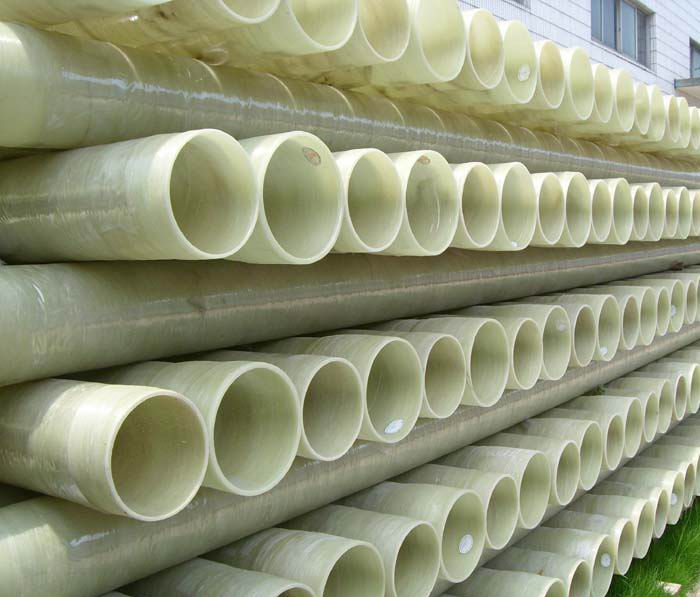
Glass Reinforced Polyester (GRP), often also referred to as Fiberglass or Fibre-Reinforced Polymer (FRP), stands as a cornerstone material in a vast array of modern technological applications. It is a composite material formed by reinforcing a polyester resin matrix with glass fibers. This fusion leverages the distinct properties of both constituents, resulting in a material that offers an exceptional balance of strength, lightweight characteristics, and durability, making it indispensable across numerous industries from aerospace and automotive to construction and marine. Understanding GRP involves delving into its composition, manufacturing methods, unique properties, and its extensive impact on contemporary engineering and design.
The Fundamentals of GRP: A Composite Material Defined
At its core, GRP is a triumph of material science, designed to overcome the limitations of traditional materials. It is a true composite, meaning it combines two or more distinct materials to create a new material with superior properties to its individual components.
Defining the Composite Structure
The strength of GRP lies in its synergistic structure. The glass fibers, typically in the form of woven roving, chopped strand mat, or continuous rovings, provide the primary structural reinforcement, bearing the majority of mechanical stress. These fibers are strong and stiff but brittle on their own. The polyester resin matrix, on the other hand, encapsulates and binds these fibers together, protecting them from environmental damage, distributing applied loads evenly among them, and providing shape and rigidity to the final product. Without the resin, the fibers would simply fray and lose their structural integrity; without the fibers, the resin would be too brittle and weak for many demanding applications. This interplay results in a material that is robust, resilient, and highly adaptable.
Key Components: Glass Fibers and Polyester Resin
Glass Fibers: The reinforcing element in GRP is typically made from specialized glass formulations. E-glass (electrical glass) is the most common type due to its high strength, stiffness, and excellent electrical insulation properties. Other types like S-glass (structural glass) offer even higher tensile strength but are more expensive, used in specialized, high-performance applications. These fibers are manufactured through a process where molten glass is extruded through tiny orifices, drawn into thin filaments, and then often bundled into rovings or woven into fabrics. Their high tensile strength is critical for GRP’s load-bearing capabilities.
Polyester Resin: The matrix material is a thermosetting polymer, meaning it hardens permanently when cured. Unsaturated polyester resins are preferred for their cost-effectiveness, good mechanical properties, ease of processing, and chemical resistance. When combined with a catalyst (like methyl ethyl ketone peroxide, MEKP) and an accelerator, the liquid resin undergoes a chemical reaction, cross-linking to form a rigid, solid polymer. Various additives can be incorporated into the resin to enhance specific properties such as UV resistance, flame retardancy, or color, allowing for extensive customization to meet diverse application requirements.
Manufacturing Processes and Design Versatility
The versatility of GRP extends significantly to its manufacturing processes, which can be adapted to produce a wide range of shapes, sizes, and quantities, from intricate components to large-scale structures. The choice of manufacturing method often depends on the desired mechanical properties, production volume, complexity of the part, and cost considerations.
Hand Lay-Up and Spray Lay-Up
These are among the simplest and most widely used GRP manufacturing techniques, especially for prototyping, low-volume production, or very large structures like boat hulls. In hand lay-up, layers of glass mat or fabric are manually placed onto a mold, impregnated with resin, and then consolidated using rollers to remove air bubbles. Spray lay-up is a mechanized version where chopped glass fibers and catalyzed resin are simultaneously sprayed onto the mold surface. Both methods offer high design flexibility and low tooling costs but are labor-intensive and quality can be highly dependent on operator skill.
Pultrusion and Filament Winding
For continuous profiles with consistent cross-sections, pultrusion is the method of choice. Dry glass fibers are pulled through a resin bath, then through a heated die that shapes and cures the composite profile. This process yields parts with very high fiber volume fractions and excellent unidirectional strength, ideal for beams, rods, and structural members. Filament winding is used for hollow, rotational structures like pipes, tanks, and pressure vessels. Continuous glass rovings are precisely wound onto a rotating mandrel that has been coated with resin. The winding angle can be adjusted to optimize strength in specific directions, leading to extremely high strength-to-weight ratios.
Compression Moulding and Resin Transfer Moulding (RTM)
These methods are geared towards higher volume production of complex, dimensionally accurate parts. Compression moulding involves placing pre-impregnated glass mat (SMC or BMC) into a heated mold cavity, which is then closed under pressure, causing the material to flow and cure. It’s excellent for intricate parts with good surface finish. Resin Transfer Moulding (RTM) uses a closed mold where dry fiber preforms are placed. The mold is then closed, and resin is injected under pressure, saturating the fibers before curing. RTM offers good control over fiber architecture, produces parts with excellent surface finish on both sides, and has lower volatile emissions compared to open molding techniques.
Distinctive Properties and Technological Advantages
GRP’s widespread adoption in technological applications is driven by its unique combination of properties that often surpass those of traditional materials like steel, aluminum, or wood.
Strength-to-Weight Ratio
One of GRP’s most significant advantages is its exceptional strength-to-weight ratio. It can achieve tensile strengths comparable to steel while being significantly lighter. This characteristic is invaluable in applications where weight reduction is critical, such as in aerospace components, automotive parts, and marine vessels, directly translating to improved fuel efficiency, reduced emissions, and enhanced performance. Lighter structures also simplify handling and installation, reducing labor and equipment costs.
Corrosion and Chemical Resistance
Unlike many metals, GRP does not corrode or rust when exposed to moisture, chemicals, or harsh environmental conditions. This inherent resistance makes it an ideal material for environments where chemical exposure is common, such as wastewater treatment plants, chemical storage tanks, industrial piping, and offshore platforms. Its ability to withstand aggressive chemicals ensures long service life and reduces maintenance requirements, proving more cost-effective over the lifespan of a product.
Electrical Insulation and Thermal Properties
GRP is an excellent electrical insulator, making it safe and effective for components in electrical infrastructure, utility poles, radomes, and enclosures for sensitive electronics. It prevents the conduction of electricity, thereby protecting equipment and personnel. Additionally, GRP exhibits good thermal insulation properties, resisting heat transfer. While not a high-temperature material like ceramics, its thermal stability and low thermal conductivity are beneficial in applications where thermal bridges need to be minimized, such as in window frames and building panels, contributing to energy efficiency.
Design Flexibility and Aesthetics
The ability to mold GRP into virtually any shape or size, along with its capacity to incorporate color pigments and various finishes, offers unparalleled design flexibility. This freedom allows engineers and designers to create complex geometries, smooth aerodynamic surfaces, and integrated features that would be difficult or impossible with metals or other conventional materials. This aesthetic and functional versatility enables innovative product designs that are both high-performing and visually appealing.
Wide-Ranging Applications in Modern Technology
The properties of GRP make it a material of choice across diverse technological sectors, enabling innovation and improving performance.
Infrastructure and Construction
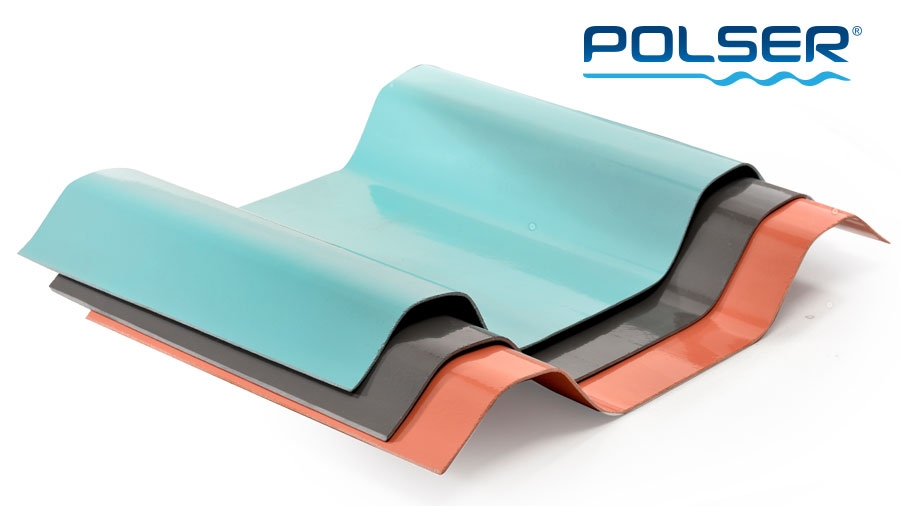
In construction, GRP is used for architectural cladding, roofing, structural beams, bridge decks, utility poles, and trench covers. Its lightweight nature simplifies transportation and installation, while its durability and resistance to weathering extend the lifespan of infrastructure projects, reducing the need for frequent repairs or replacements. It also plays a role in modern, modular construction techniques.
Automotive and Transportation
The automotive industry utilizes GRP for body panels, interior components, truck beds, and specialized vehicle parts. Its light weight contributes to improved fuel economy and reduced carbon emissions, aligning with contemporary environmental goals. In public transportation, GRP is found in train interiors, bus bodies, and specialized components for trams and subways, valued for its strength, impact resistance, and ease of maintenance.
Marine and Aerospace
Perhaps one of the most traditional and iconic uses for GRP is in the marine sector, for boat hulls, decks, and superstructures. Its corrosion resistance to saltwater, coupled with its ease of molding into complex hydrodynamic shapes, makes it ideal for vessels ranging from small dinghies to large yachts. In aerospace, where every gram counts, GRP is employed in non-structural components like interior panels, fairings, and radomes, benefiting from its lightweight nature and radar transparency.
Renewable Energy and Industrial Equipment
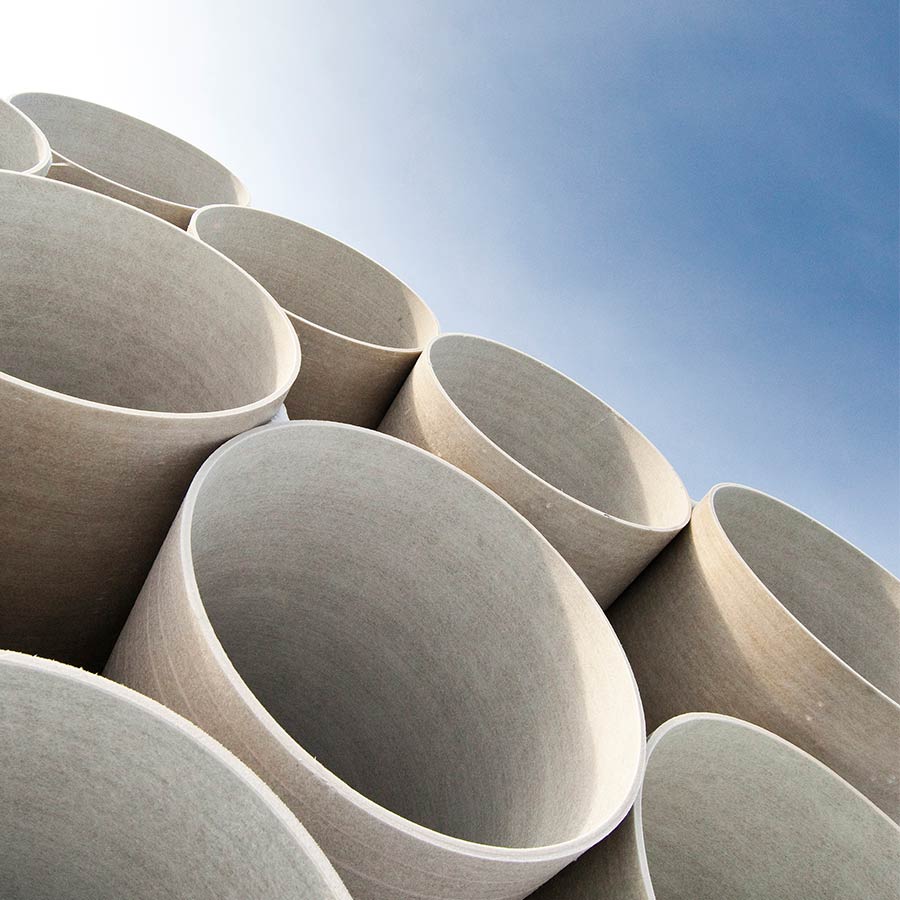
The renewable energy sector increasingly relies on GRP, particularly for the massive blades of wind turbines. The material’s combination of high strength-to-weight ratio, fatigue resistance, and ability to be molded into complex aerodynamic profiles is critical for capturing wind energy efficiently. In industrial settings, GRP is used for chemical storage tanks, piping systems, ductwork, and machinery housings due to its chemical resistance, durability, and lower installation costs compared to lined steel. Its non-conductive properties are also beneficial in environments requiring electrical safety.
In conclusion, Glass Reinforced Polyester is far more than just a material; it is a foundational technology that continues to push the boundaries of design and engineering. Its unique blend of strength, lightness, durability, and resistance across various challenging environments ensures its continued relevance and expansion into new technological frontiers, driving innovation in countless applications worldwide.
aViewFromTheCave is a participant in the Amazon Services LLC Associates Program, an affiliate advertising program designed to provide a means for sites to earn advertising fees by advertising and linking to Amazon.com. Amazon, the Amazon logo, AmazonSupply, and the AmazonSupply logo are trademarks of Amazon.com, Inc. or its affiliates. As an Amazon Associate we earn affiliate commissions from qualifying purchases.