
In the rapidly evolving landscape of technology, terms like “ecosystem” have moved beyond their biological origins to describe the intricate web of software, hardware, services, and communities that interact to create value. Understanding the concept of “ecological organization” within this tech context is crucial for developers, businesses, and users alike. It’s about recognizing the structured, interdependent, and adaptive nature of these technological environments, much like their natural counterparts. This perspective helps illuminate how components function individually and collectively, how they evolve, and how their interactions determine the health and sustainability of the entire system.
Understanding the Tech Ecosystem Metaphor
The metaphor of an “ecosystem” in technology is not merely a linguistic flourish; it provides a powerful framework for comprehending complex digital environments. Just as a biological ecosystem comprises distinct species interacting within a specific habitat, a tech ecosystem is made up of diverse components: operating systems, applications, APIs, cloud services, data platforms, development tools, and user communities, all operating within a shared infrastructure. “Ecological organization” in this sense refers to the inherent structure, the division of labor, the flow of resources (data, computation, innovation), and the regulatory mechanisms that govern these interactions.
This organizational understanding moves beyond simply listing components. It delves into the relationships: who relies on whom, what drives innovation, where vulnerabilities might emerge, and how changes in one part ripple through the entire system. For instance, an application ecosystem built around a core platform (like iOS or Android) exhibits a clear ecological organization, with the platform acting as the keystone species, defining the environment and setting the rules for the myriad apps, developers, and users that thrive within it. The organization dictates the pathways for data exchange, the protocols for interoperability, and the mechanisms for growth and evolution.
Hierarchical Layers of Tech Organization
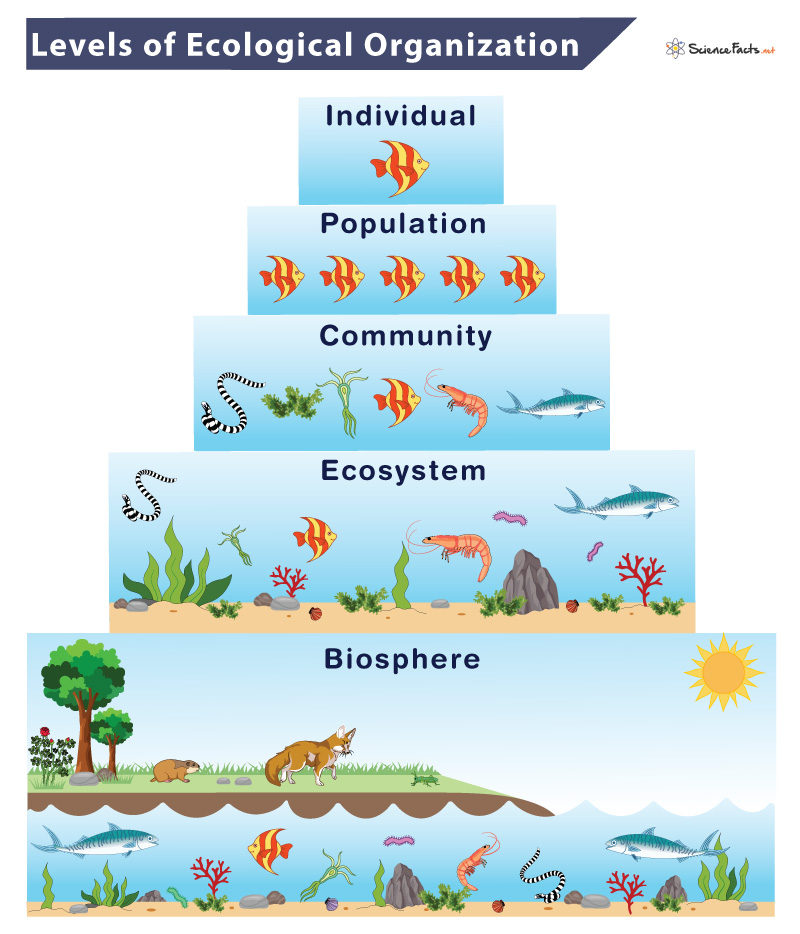
Just as natural ecologies exhibit clear hierarchical levels—from individual organisms to populations, communities, ecosystems, and the biosphere—technology ecosystems also feature distinct, interconnected layers of organization. Understanding these hierarchies is fundamental to grasping the overall structure and functionality.
Individual Components and Microservices
At the most granular level, we find individual software components, microservices, or specific hardware units. These are the “organisms” of the tech ecosystem, each designed to perform a specific function. A single API endpoint, a database service, or a small module of code represents this foundational layer. Their organization involves internal structure, defined inputs and outputs, and a clear purpose within a larger context.
Applications and Platforms
Moving up, these individual components often coalesce to form larger applications or services. A mobile app, a web service, or a specialized data processing tool combines multiple granular units into a functional whole. These applications often reside on platforms, which act as broader habitats providing shared resources, development frameworks, and a marketplace for interaction. Operating systems like Windows or macOS, cloud platforms like AWS or Azure, and social media platforms are prime examples. The organization here involves how applications integrate with the platform, adhere to its standards, and leverage its services.
Interconnected Ecosystems and Super-Ecosystems
Beyond individual platforms, multiple ecosystems can interconnect to form even larger “super-ecosystems.” For example, the financial technology (FinTech) ecosystem is a complex tapestry of banking platforms, payment gateways, regulatory compliance software, and user-facing apps, all interacting and relying on each other. Similarly, the Internet of Things (IoT) comprises myriad device ecosystems, cloud platforms, data analytics services, and user interfaces. The organizational principles at this level involve standards for cross-platform communication, data interoperability frameworks, and broad security protocols that ensure the entire fabric remains cohesive and functional. The organization dictates how value flows, how data is aggregated, and how distributed intelligence is harnessed.
Interdependence and Symbiosis in Tech Ecosystems
A defining characteristic of ecological organization, both natural and technological, is interdependence. No component exists in isolation; its function and survival are intricately linked to others. This network of dependencies creates complex feedback loops and fosters symbiotic relationships that drive innovation and stability.
Mutualistic Relationships
Many tech interactions are mutualistic, where two or more components benefit from their association. For instance, a cloud provider benefits from applications built on its infrastructure, while those applications benefit from the cloud’s scalability and reliability. An open-source project thrives on contributions from a community of developers, who in turn gain from using and improving the shared codebase. This mutual dependence creates resilience and drives collective improvement, akin to how different species in an ecosystem might co-evolve for mutual benefit.

Resource Flow and Niche Specialization
Just as energy and nutrients flow through a natural ecosystem, data, computational power, and innovation flow through a tech ecosystem. A data analytics platform might consume data from multiple sources, process it, and output insights that fuel decision-making in other applications. This flow is organized through APIs, data pipelines, and messaging queues. Within this flow, components often develop niche specializations – some excel at data storage, others at machine learning, others at user interface. This specialization optimizes resource utilization and ensures that tasks are handled by the most efficient components, mirroring the specialized roles organisms play in their environment.
Predator-Prey Dynamics (Competition and Monopolies)
While not destructive in the biological sense, competition within tech ecosystems can resemble predator-prey dynamics. A dominant platform might “consume” smaller innovations by acquiring startups, or a new, disruptive technology might displace older, less efficient solutions. This competitive pressure, while sometimes leading to monopolies, also drives innovation and efficiency. Understanding these competitive “organizational” forces helps predict market shifts and strategize for sustainable growth.
Adaptation, Resilience, and Evolution
A robust ecological organization, whether natural or technological, is characterized by its ability to adapt, maintain resilience against disturbances, and evolve over time. Static systems rarely survive in dynamic environments.
Continuous Adaptation
Tech ecosystems are constantly adapting to new user demands, emerging technologies, security threats, and regulatory changes. This adaptation is evident in continuous software updates, the migration to new architectural patterns (e.g., monolith to microservices), and the embrace of new paradigms (e.g., on-premise to cloud, traditional AI to generative AI). The organizational structure must be flexible enough to absorb these changes without collapsing, often by modularizing components and establishing clear interfaces. This ensures that individual parts can be upgraded or replaced without disrupting the entire system.
Building Resilience
Resilience in tech organization refers to the system’s capacity to absorb shocks and failures while maintaining core functionality. This is achieved through redundancies (e.g., data backups, replicated services), fault-tolerant architectures, and robust monitoring systems that allow for quick detection and recovery from anomalies. A well-organized tech ecosystem plans for failure, distributing resources and capabilities to prevent single points of failure, much like biodiversity helps a natural ecosystem withstand disease or environmental shifts.
Evolutionary Pathways
Tech ecosystems are not static; they evolve. This evolution can be gradual, through iterative improvements and feature additions, or punctuated, through disruptive innovations that fundamentally change the landscape (e.g., the advent of smartphones, the rise of the internet). The organizational principles must support this evolution, allowing for new components to emerge, old ones to be deprecated, and the overall architecture to transform. This often involves adopting open standards, fostering innovation through developer communities, and maintaining backward compatibility where possible, ensuring that the ecosystem can gracefully transition to future states.
Designing for Sustainable Tech Organization
Understanding ecological organization isn’t just an academic exercise; it has practical implications for designing and managing sustainable tech systems. Conscious design choices can foster healthier, more resilient, and more innovative ecosystems.
Modular Architecture and Open Standards
Promoting modularity allows for easier component replacement, upgrades, and innovation without affecting the entire system. Coupled with open standards and APIs, this fosters interoperability and reduces vendor lock-in, creating a more open and adaptable ecosystem where various “species” can thrive. This organizational principle encourages collaboration and a healthy competitive landscape.
Governance and Resource Management
Effective governance is crucial. This involves defining clear rules for interaction, resource allocation (e.g., API rate limits, cloud budget management), security protocols, and dispute resolution. Just as environmental regulations protect natural ecosystems, robust governance frameworks ensure the fair and efficient operation of tech ecosystems, preventing exploitation and promoting long-term health.

Fostering Diversity and Collaboration
A diverse tech ecosystem, with a variety of tools, platforms, and perspectives, is inherently more resilient and innovative. Encouraging a wide range of developers, startups, and established players to contribute fosters new ideas and solutions. Organizational structures that promote collaboration, knowledge sharing, and community building lead to stronger, more vibrant ecosystems. This can manifest in open-source initiatives, developer conferences, and integrated development environments that streamline team efforts.
In conclusion, viewing technology through the lens of ecological organization provides invaluable insights into its complexity, dynamism, and potential. By recognizing the hierarchies, interdependencies, adaptive capacities, and evolutionary pathways within our digital worlds, we can design, build, and manage tech ecosystems that are not only powerful and efficient but also sustainable, resilient, and capable of endless innovation. It’s about understanding that every piece of software, every device, and every user plays a role in a larger, living system.
aViewFromTheCave is a participant in the Amazon Services LLC Associates Program, an affiliate advertising program designed to provide a means for sites to earn advertising fees by advertising and linking to Amazon.com. Amazon, the Amazon logo, AmazonSupply, and the AmazonSupply logo are trademarks of Amazon.com, Inc. or its affiliates. As an Amazon Associate we earn affiliate commissions from qualifying purchases.