
In the intricate world of taxation, understanding the nuances of various tax mechanisms is paramount for both individuals and businesses to ensure compliance and optimize financial planning. One such critical concept is creditable withholding tax (CWT). Far from being a mere administrative burden, CWT plays a significant role in tax collection, cash flow management, and ultimately, a taxpayer’s final liability. Grasping its definition, purpose, and application is essential for anyone navigating personal or business finance.
Unpacking the Basics of Withholding Tax
Before diving into the “creditable” aspect, it’s crucial to first understand the fundamental concept of withholding tax itself. At its core, withholding tax is a mechanism where a portion of an individual’s or entity’s income is deducted at the source by the payer and remitted directly to the tax authorities on behalf of the payee. This process effectively converts the recipient of income into a “taxpayer,” and the payer into a “withholding agent.”
Defining Withholding Tax
Withholding tax is essentially an advance payment of income tax. Instead of the recipient receiving their full payment and then later calculating and remitting their tax liability, a portion is held back by the payer. This applies to various forms of income, including salaries, professional fees, rents, interests, royalties, and dividends, among others. The payer, having withheld the tax, is then obligated to remit these funds to the government, often on a regular basis (e.g., monthly or quarterly), along with proper documentation.
The Purpose of Withholding Tax
The rationale behind implementing a withholding tax system is multifaceted, serving both the government and, in some ways, the taxpayers themselves.
Firstly, it significantly enhances tax compliance and collection efficiency for the government. By collecting taxes at the source, it reduces the likelihood of tax evasion and ensures a steady stream of revenue throughout the fiscal year, rather than relying solely on large, lump-sum payments at year-end. This predictable cash flow is vital for government operations and budgeting.
Secondly, from the taxpayer’s perspective, withholding tax can simplify the tax payment process. For employees, it means their income tax is gradually paid throughout the year, preventing a large, unexpected tax bill during tax season. For businesses, it ensures that taxes on specific income streams are accounted for as they are earned.
Common Types of Withholding Taxes
Withholding taxes manifest in various forms depending on the nature of the income. Common examples include:
- Withholding Tax on Compensation: This is perhaps the most familiar type, where employers deduct income tax from their employees’ salaries and wages.
- Withholding Tax on Professional Fees: Fees paid to self-employed professionals (e.g., doctors, lawyers, consultants) often have a portion withheld.
- Withholding Tax on Rentals: Landlords receiving rental income may have a percentage withheld by their tenants (if the tenant is a designated withholding agent).
- Withholding Tax on Interest and Dividends: Banks and corporations often withhold tax on interest earned from deposits or dividends distributed to shareholders.
The “Creditable” Distinction: Understanding its Significance
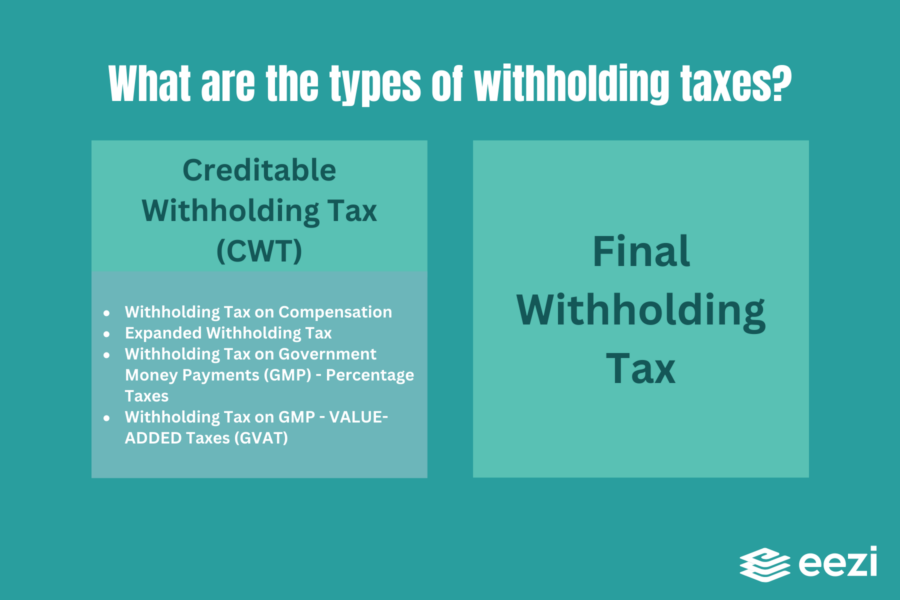
While all withholding taxes involve a deduction at the source, the crucial distinction lies in whether that tax is “creditable” or “final.” Understanding this difference is fundamental to accurate tax calculation and financial reporting.
What Makes a Withholding Tax “Creditable”?
A creditable withholding tax (CWT) is a tax that is withheld at the source and is then allowed as a credit against the income tax liability of the recipient for the same taxable period. This means that the amount already withheld is treated as an advance payment toward the total income tax that the taxpayer eventually owes. When the taxpayer files their annual income tax return, they will sum up all their CWTs throughout the year and subtract this total from their computed income tax due.
The “creditable” nature implies that the tax withheld is not the final tax on that income. Instead, it’s a prepayment, and the actual tax liability will be determined when the taxpayer consolidates all their income and applicable deductions at the end of the tax year.
How Creditable Withholding Tax (CWT) Works in Practice
Imagine a freelance consultant who charges a client for services. If the client is a designated withholding agent, they might withhold 5% of the consultant’s fee as CWT before paying the net amount. This 5% is then remitted to the tax authority by the client. For the consultant, this 5% is not lost; instead, it is recorded as an advance payment of their income tax.
At the end of the year, when the consultant computes their total income tax liability based on all their earnings and expenses, they will subtract all the CWTs that were withheld from them throughout the year. If their total CWTs exceed their final tax liability, they might be eligible for a tax refund or can carry over the excess credit to future tax periods, depending on the tax jurisdiction’s rules.
Non-Creditable Withholding Taxes (Final Withholding Taxes)
To fully appreciate CWT, it helps to briefly contrast it with non-creditable or “final” withholding taxes (FWT). Final withholding taxes are those for which the tax withheld at source is considered the full and final tax due on that particular income. The recipient of the income does not need to declare this income again in their annual income tax return, nor can they claim the withheld amount as a credit against any other tax liability. FWT is typically applied to certain passive income streams, such as interest on bank deposits or capital gains from specific transactions, where the government wants to simplify collection and provide a definitive tax treatment at the point of income generation.
Benefits and Challenges for Taxpayers and Businesses
Creditable withholding tax, while a robust system for tax collection, presents both advantages and administrative complexities for the parties involved.
Advantages for Taxpayers
For the ultimate recipient of income (the taxpayer), CWT offers several notable benefits:
- Smoother Tax Season: By prepaying taxes throughout the year, CWT mitigates the shock of a large, single tax payment during the annual filing season. This promotes better financial planning and reduces the burden on cash flow.
- Reduced Risk of Penalties: Consistent withholding reduces the chances of underpayment of estimated taxes, which can otherwise lead to penalties.
- Improved Cash Flow Planning: Businesses and individuals can factor in these advance payments when forecasting their annual financial obligations, allowing for more accurate budgeting.
Administrative Burden for Withholding Agents
While beneficial for the government and payee, the responsibility of withholding tax primarily falls on the “withholding agent” (the payer). This role comes with specific administrative duties and compliance requirements:
- Accurate Calculation: Agents must correctly compute the amount of tax to be withheld based on prevailing tax rates and regulations.
- Timely Remittance: Withheld taxes must be remitted to the tax authorities within specified deadlines. Delays can result in significant penalties.
- Documentation and Reporting: Agents are required to issue withholding tax certificates to the payees and submit regular reports to the tax authority detailing all amounts withheld and remitted. This includes maintaining meticulous records for audit purposes.
- Staying Updated: Tax laws and rates can change, requiring agents to stay informed to ensure continuous compliance.
Potential Pitfalls: Over-withholding and Refunds
A common challenge, particularly for businesses and professionals whose income or expenses might fluctuate, is the possibility of over-withholding. If the total CWTs withheld throughout the year exceed the taxpayer’s final computed income tax liability, the taxpayer has effectively overpaid their taxes. In such scenarios, the taxpayer typically has two options:
- Claim a Tax Refund: The excess CWT can be claimed as a refund from the tax authority. The refund process can sometimes be lengthy and require additional documentation.
- Carry-over to Future Periods: Many jurisdictions allow taxpayers to carry over the excess CWT as a tax credit to offset future tax liabilities, providing a practical solution for ongoing businesses.
Practical Application: How to Account for CWT
Effective management of CWT requires diligent record-keeping and strategic financial planning.
Documentation is Key
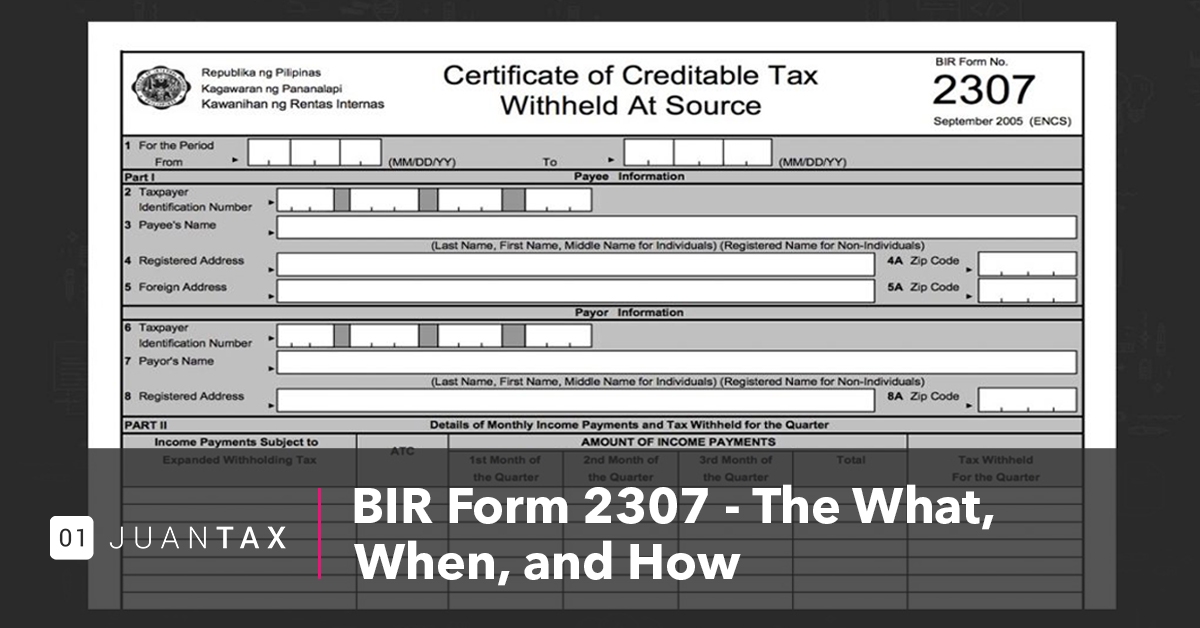
For the payee, retaining all official withholding tax certificates (often called Form 2307 in the Philippines, Form 1099-MISC/NEC in the US, or similar documents in other countries) is absolutely critical. These certificates serve as proof of the tax withheld and are indispensable when filing the annual income tax return. Without proper documentation, the taxpayer may not be able to claim the credit, effectively losing the benefit of their advance payment.
For the withholding agent, maintaining detailed records of all payments made, taxes withheld, and remittances to the tax authority is equally vital for audit purposes and to correctly issue certificates to payees.
Integrating CWT into Financial Statements
Businesses must accurately integrate CWT into their accounting records. On the income statement, gross revenues should be reported, with CWT impacting the cash received rather than the revenue figure itself. On the balance sheet, CWT can initially appear as a current asset (if too much has been withheld, representing a receivable from the government) or a current liability (for the withholding agent, representing taxes owed to the government). Proper journal entries are essential to reflect these movements correctly.
Strategic Tax Planning with CWT
Businesses and individuals can leverage their understanding of CWT for strategic tax planning:
- Forecasting: By estimating annual income and potential CWT deductions, taxpayers can project their final tax liability more accurately, aiding in cash flow management.
- Maximizing Credits: Ensuring all CWT certificates are collected and recorded prevents leaving money on the table.
- Avoiding Penalties: Withholding agents need robust internal controls to ensure timely remittance and accurate reporting, thereby avoiding penalties and interest charges for non-compliance.
Regulatory Landscape and Compliance
The framework surrounding creditable withholding tax is dictated by specific tax laws and regulations, which vary by jurisdiction.
Key Regulatory Bodies
Each country has its primary tax authority responsible for setting and enforcing withholding tax rules. For example, the Internal Revenue Service (IRS) in the United States, Her Majesty’s Revenue and Customs (HMRC) in the United Kingdom, and the Bureau of Internal Revenue (BIR) in the Philippines all oversee various aspects of withholding tax. These bodies publish guidelines, tax rates, and filing deadlines that businesses and individuals must adhere to.
Penalties for Non-Compliance
Failure to comply with CWT regulations can result in severe penalties for withholding agents. These may include:
- Failure to Withhold: The agent may be held liable for the unwithheld tax, often in addition to fines.
- Late Remittance: Delays in remitting withheld taxes typically incur interest charges and monetary penalties.
- Failure to File/Incorrect Reporting: Penalties can also be imposed for not submitting required forms or for submitting inaccurate information.
These penalties underscore the critical importance of meticulous compliance for all entities acting as withholding agents.

Best Practices for Withholding Agents
To navigate the complexities of CWT, withholding agents should adopt several best practices:
- Due Diligence: Always verify the tax status of payees and understand the applicable withholding rates for different types of income.
- Software Solutions: Utilize accounting or payroll software that automates withholding calculations and facilitates report generation.
- Internal Controls: Implement strong internal processes for recording, tracking, and remitting withheld taxes.
- Professional Advice: Consult with tax accountants or financial advisors, especially for complex transactions or if operating in multiple jurisdictions, to ensure full compliance and optimize tax strategies.
In conclusion, creditable withholding tax is more than just a deduction; it’s a fundamental component of the tax system designed to streamline collection and manage cash flow for both the government and taxpayers. A comprehensive understanding and diligent application of CWT principles are indispensable for sound financial management in today’s economic landscape.
aViewFromTheCave is a participant in the Amazon Services LLC Associates Program, an affiliate advertising program designed to provide a means for sites to earn advertising fees by advertising and linking to Amazon.com. Amazon, the Amazon logo, AmazonSupply, and the AmazonSupply logo are trademarks of Amazon.com, Inc. or its affiliates. As an Amazon Associate we earn affiliate commissions from qualifying purchases.