
The phrase “what happened to dead body after burial” conjures images steeped in tradition, faith, and perhaps a touch of the macabre. For centuries, burial has been the dominant method of post-mortem disposition, a solemn ritual intertwined with cultural beliefs and the natural cycle of life and death. While the spiritual and emotional aspects of burial are deeply personal, the physical reality of what transpires beneath the soil is a fascinating subject that intersects surprisingly with the realms of science, technology, and even the digital world.
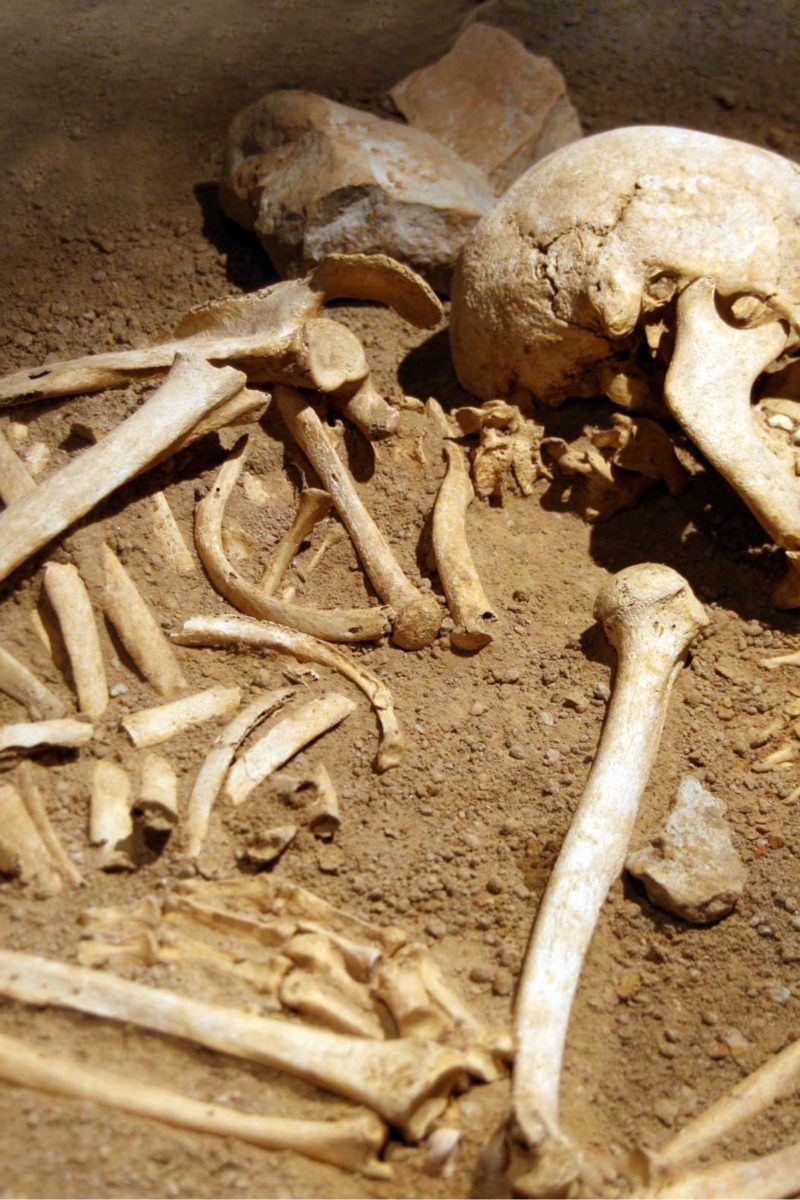
This exploration delves into the biological processes of decomposition, the environmental factors influencing them, and how modern advancements, particularly in technology, are reshaping our understanding and even our practices surrounding death and remembrance. From the microscopic world of microorganisms to the grand sweep of environmental impact, we’ll unpack the scientific journey of a buried body, and then, crucially, examine how the digital age is leaving its own indelible mark on how we remember those who have passed.
The Unseen Transformation: The Biological and Environmental Journey
Once a body is interred, a complex and multifaceted process of decomposition begins. This isn’t a singular event but rather a series of biological and chemical changes that break down the organic matter into its fundamental components. Understanding this process requires a look at both the internal biological mechanisms and the external environmental influences.
Autolysis and Putrefaction: The Body’s Internal Breakdown
The initial stages of decomposition are driven by the body’s own internal processes.
Autolysis: The Self-Digestion
Within hours of death, cells begin to break down. This is a natural process called autolysis, where the body’s own enzymes, released from lysosomes within the cells, start to digest cellular components. This leads to a softening of tissues and the release of fluids. Think of it as the body beginning to unravel itself from the inside out. This process is accelerated by factors like body temperature at the time of death and the presence of certain microbes.
Putrefaction: The Microbial Invasion
Soon after autolysis, putrefaction sets in, a decomposition process driven by bacteria. The gastrointestinal tract, teeming with bacteria even during life, becomes a prime source. These bacteria, along with those present on the skin and in the environment, begin to multiply and consume the body’s tissues. This leads to the characteristic changes we associate with decomposition: bloating due to gas production, discoloration (often a greenish hue as blood pigments break down), and the eventual liquefaction of soft tissues. The smell of decomposition is also a direct result of the volatile organic compounds released during this bacterial breakdown.
Environmental Factors: The External Influence on Decay
The rate and nature of decomposition are significantly influenced by the surrounding environment. Burial conditions play a critical role in how quickly and thoroughly these biological processes occur.
Soil Composition and Moisture: The Foundation of Decay
The soil itself is a dynamic ecosystem. Its composition – whether it’s sandy, clay-rich, or loamy – affects drainage and oxygen availability. Well-drained, aerated soil generally promotes faster decomposition by allowing aerobic bacteria to thrive and by facilitating the escape of gases. Conversely, waterlogged or compacted soil can create anaerobic conditions, slowing down decomposition and leading to different preservation outcomes, such as adipocere formation (a waxy substance formed from body fat in the absence of oxygen).
Moisture is another crucial factor. While some moisture is necessary for microbial activity, excessive moisture can saturate the soil, leading to anaerobic conditions and slowing down decay. Too little moisture, on the other hand, can dry out the body, a process known as mummification, which also preserves the tissues, albeit in a desiccated state.
Temperature: The Accelerator of Decomposition
Temperature is arguably one of the most significant environmental factors. Higher temperatures accelerate the metabolic activity of bacteria and enzymes, leading to much faster decomposition. In warmer climates or during summer months, the process can be significantly quicker than in colder regions or during winter. Conversely, extreme cold can significantly slow down or even halt decomposition, allowing for a form of preservation.
Presence of Insects and Scavengers: The Natural Clean-Up Crew
Nature has its own efficient mechanisms for dealing with organic matter. Insects, such as flies and beetles, are often among the first responders to a deceased body, laying eggs that hatch into larvae which then consume soft tissues. This process, known as forensic entomology, can provide valuable clues about the time of death and the conditions the body has been exposed to. In terrestrial environments, scavengers can also play a role in breaking down and dispersing remains, further contributing to the decomposition process.

Beyond Biological Decay: The Broader Impact and Modern Perspectives
The impact of burial extends beyond the individual body. It has environmental implications, and increasingly, technological advancements are offering new perspectives and even alternatives to traditional burial practices.
Environmental Considerations: The Footprint of Burial
While often perceived as a natural and eco-friendly option, traditional burial can have a notable environmental footprint.
Resource Consumption and Land Use
Traditional casket burials, especially when involving embalming fluids and non-biodegradable materials, consume significant resources. The manufacturing of caskets, headstones, and the upkeep of cemeteries require energy and materials. Furthermore, cemeteries represent a substantial allocation of land, which could otherwise be used for agriculture, housing, or natural habitats. The use of embalming fluids, which contain chemicals like formaldehyde, can also pose a risk to groundwater if not managed properly.
The Rise of Green Burial and Natural Burial
In response to these concerns, green burial and natural burial practices are gaining traction. These methods prioritize environmental sustainability. Green burials typically involve the use of biodegradable caskets or shrouds, eschewing embalming fluids and concrete burial vaults. The goal is to allow the body to decompose naturally and return to the earth with minimal environmental impact. Natural burial goes a step further, often involving designated natural areas where the land is maintained in its natural state, allowing for decomposition without markers or extensive landscaping.
Technological Evolution: Reshaping Our Relationship with Death
The digital age has profoundly impacted many aspects of our lives, and death and remembrance are no exception. Technology is not only influencing how we understand the physical processes of decomposition but also how we memorialize and connect with the deceased.
Forensic Science and Decomposition Research
Technological advancements have revolutionized our understanding of decomposition. Forensic science utilizes a range of tools and techniques to study the processes occurring after death. From advanced imaging technologies that can analyze tissue degradation to sophisticated chemical analysis that identifies the compounds released during decomposition, science is providing a more detailed and objective understanding of what happens to a buried body. Researchers are also using sophisticated models and simulations to predict decomposition rates under various environmental conditions, aiding in both forensic investigations and our broader understanding of ecological cycles.
Digital Memorialization and Legacy
Perhaps the most transformative impact of technology is in the realm of digital memorialization. In an era where much of our lives are documented online, it’s natural that our remembrance of loved ones would extend into the digital sphere.
Online Memorials and Virtual Cemeteries
Websites and platforms now exist to create online memorials for the deceased. These virtual spaces can host obituaries, photos, videos, and shared memories, allowing friends and family from around the globe to connect and pay their respects. Some platforms are even developing virtual cemeteries, offering a digital space to “visit” and reflect, creating a sense of continuity and presence in the digital realm.
The Evolving Concept of Legacy
The concept of legacy is also being reshaped. Beyond physical possessions and family stories passed down through generations, individuals can now curate their digital legacy. This might include their social media profiles, blogs, digital artwork, or even carefully planned online messages to be released at a future date. The question of what happens to our digital footprint after we die is becoming as important as what happens to our physical remains. This raises complex issues around digital inheritance, data privacy, and the ethical considerations of managing a deceased person’s online presence.

AI and the Future of Remembrance
Looking further ahead, Artificial Intelligence (AI) is beginning to play a role in how we remember. AI-powered tools are being developed that can analyze a deceased person’s digital content – emails, social media posts, writings – to create AI-driven chatbots or virtual personas that can interact with loved ones, offering a semblance of conversation or a way to revisit past interactions. While this technology is still in its nascent stages and raises significant ethical questions, it points towards a future where our memories and connections with the departed can be experienced in entirely new ways, blurring the lines between the physical and the digital, and the living and the remembered.
In conclusion, while the biological processes of decomposition are a natural and inevitable part of what happens to a dead body after burial, our understanding and engagement with this phase of life are evolving. Science is illuminating the intricate details of decay, while technology is offering new paradigms for environmental stewardship and profoundly transforming how we preserve, share, and experience the memories of those who have passed. The journey from the earth to the digital ether is a testament to humanity’s enduring need to process loss, celebrate life, and ensure that legacies endure.
aViewFromTheCave is a participant in the Amazon Services LLC Associates Program, an affiliate advertising program designed to provide a means for sites to earn advertising fees by advertising and linking to Amazon.com. Amazon, the Amazon logo, AmazonSupply, and the AmazonSupply logo are trademarks of Amazon.com, Inc. or its affiliates. As an Amazon Associate we earn affiliate commissions from qualifying purchases.