
Cast-in-place concrete, often referred to as site-cast or in-situ concrete, is a foundational construction method where wet concrete is poured directly into temporary molds, known as formwork, at the construction site. This process allows the concrete to cure and harden, forming monolithic structural elements precisely shaped and dimensioned as per architectural and engineering designs. Unlike precast concrete, which is manufactured off-site and then transported, cast-in-place offers unparalleled flexibility in design, allowing for complex geometries, seamless integration with existing structures, and the creation of continuous, robust elements like foundations, walls, columns, beams, and slabs. While the core principle remains consistent across centuries, modern cast-in-place concrete construction has been profoundly transformed by a host of technological advancements, from sophisticated digital design tools to innovative material science and automated site processes, pushing the boundaries of efficiency, sustainability, and structural integrity.
The Technological Evolution of a Timeless Method
The essence of cast-in-place concrete lies in its adaptability, a trait significantly amplified by contemporary technological integration. What was once a labor-intensive, often imprecise method has been refined through decades of innovation, leveraging digital tools and advanced engineering to achieve superior results. The evolution spans from the preliminary design phase to the final curing, with technology acting as the central nervous system for precision and performance.
Advanced Formwork Systems
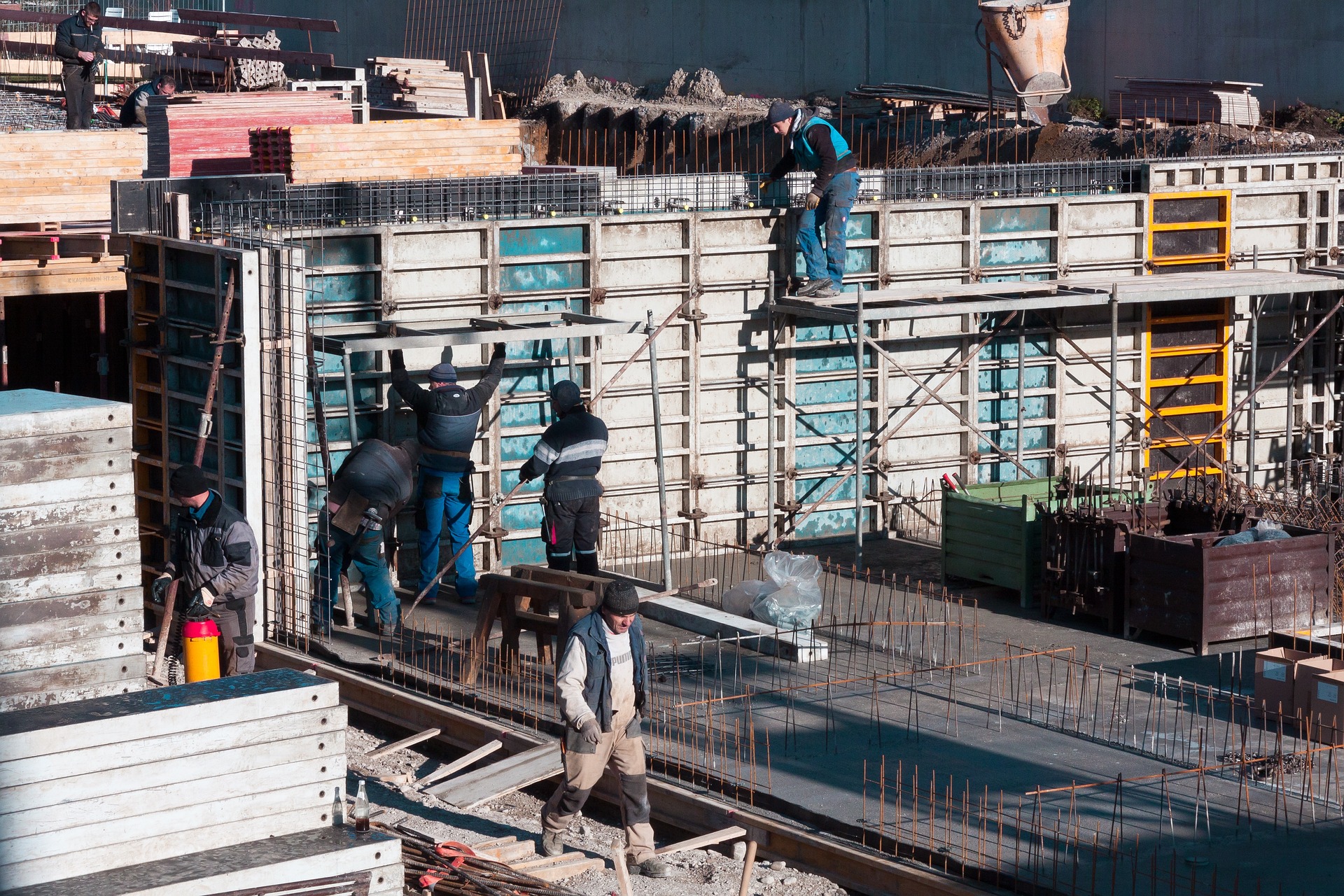
Formwork, the temporary mold that shapes the wet concrete, is paramount to the success of cast-in-place construction. Historically, formwork relied on timber and manual assembly, often leading to inconsistencies. Today, formwork technology has evolved dramatically, incorporating a variety of materials and smart systems. Steel and aluminum modular formwork systems offer high reusability, precision, and faster erection times, drastically reducing waste and labor. Self-climbing and jump form systems automate the vertical progression of formwork for high-rise structures, synchronizing with concrete pours to ensure continuous construction cycles. Furthermore, specialized formwork, such as flying forms for slabs, enables large sections to be stripped, moved, and reset with minimal effort, significantly accelerating project timelines. Advanced materials like fiberglass and engineered plastics are also used for complex architectural shapes, allowing designers to realize highly intricate and aesthetically demanding concrete forms with precision that was previously unattainable. The integration of sensors within formwork can monitor pressure, temperature, and concrete setting times, providing real-time data crucial for optimizing pour rates and ensuring structural integrity.
Digital Design and Pre-construction Planning
The pre-construction phase of cast-in-place concrete projects has been revolutionized by Building Information Modeling (BIM) and other digital design tools. BIM software allows architects, engineers, and contractors to create a comprehensive 3D digital model of the structure, including every concrete element. This digital representation facilitates precise dimensioning, clash detection, and accurate quantity take-offs, minimizing errors and reworks on site. Parametric design tools can generate complex concrete geometries efficiently, allowing for optimization based on structural performance, material use, and constructability. Simulation software enables engineers to analyze stress distribution, thermal behavior, and seismic performance of concrete elements before a single yard of concrete is poured, leading to safer, more resilient designs. Furthermore, digital planning tools integrate scheduling, logistics, and resource allocation, optimizing the delivery and placement of concrete, formwork, and labor, thereby streamlining operations and improving project predictability.
Smart Materials and Mix Design Innovations
While the basic components of concrete (cement, aggregate, water) remain, the science behind concrete mix design has undergone significant technological advancements. Modern concrete is not a singular material but a spectrum of engineered composites tailored for specific performance requirements, driven by innovations in chemistry and material science.
High-Performance and Self-Consolidating Concrete
The development of High-Performance Concrete (HPC) and Ultra-High-Performance Concrete (UHPC) has expanded the structural capabilities of cast-in-place elements. These advanced mixes incorporate supplementary cementitious materials (SCMs) like fly ash, slag, and silica fume, along with superplasticizers and specialized aggregates, to achieve extraordinary strength, durability, and resistance to environmental degradation. UHPC, in particular, offers compressive strengths several times greater than conventional concrete, along with enhanced ductility, allowing for thinner, lighter, and more elegant structural forms.
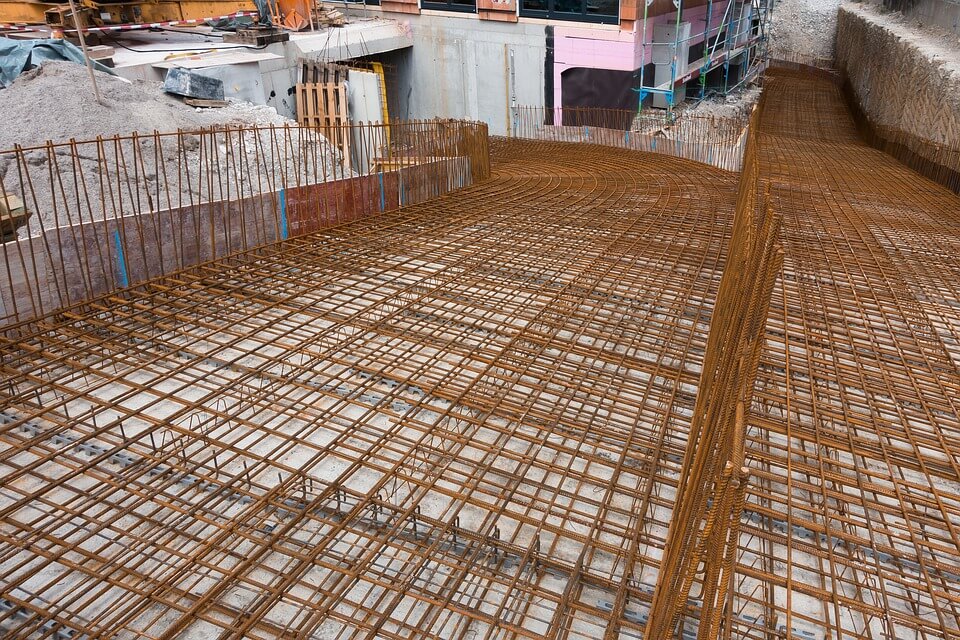
Self-Consolidating Concrete (SCC) represents another significant technological leap. SCC is a highly flowable concrete that can spread into place, fill formwork, and encapsulate reinforcement without any mechanical vibration. This is achieved through a precise balance of mix constituents and the use of specialized admixtures that reduce internal friction. SCC significantly improves construction efficiency, reduces labor costs associated with vibration, and leads to superior surface finishes while enhancing the integrity of concrete in congested rebar areas. Its use is particularly beneficial in complex architectural designs and in areas with limited access, ensuring uniform compaction and eliminating voids.
Sustainable Concrete Technologies
Sustainability is a growing imperative in construction, and cast-in-place concrete technology is responding with innovative solutions. Green concrete initiatives focus on reducing the carbon footprint associated with cement production, a major contributor to global CO2 emissions. This includes the increased use of SCMs, which replace a portion of the high-carbon clinker in cement, and the development of alternative binders. Recycled aggregates from construction and demolition waste are increasingly being incorporated into concrete mixes, diverting waste from landfills and conserving natural resources. Furthermore, technologies for carbon capture and utilization are being explored, where CO2 is injected into concrete during curing, sequestering carbon and potentially enhancing concrete strength. Pervious concrete, another technological innovation, allows water to filter through it, reducing stormwater runoff and replenishing groundwater, making it an excellent choice for pavements and urban landscapes.
Monitoring and Automation in the Field
The construction site itself has become a hub for technological implementation, transforming how cast-in-place concrete is monitored, placed, and finished. These advancements enhance safety, quality control, and operational efficiency.
Real-time Curing and Structural Health Monitoring
The curing process is critical for concrete strength development and durability. Traditional methods of estimating curing progress were often imprecise. Today, smart sensors embedded within the concrete provide real-time data on temperature, humidity, and strength gain. These wireless sensors transmit data to cloud-based platforms, allowing engineers to monitor concrete maturity, predict compressive strength accurately, and determine optimal formwork stripping times. This data-driven approach minimizes premature formwork removal risks, accelerates construction schedules, and ensures the structural integrity of newly poured elements. Beyond curing, Structural Health Monitoring (SHM) systems, employing acoustic emission, strain gauges, and fiber optics, can continuously assess the long-term performance of concrete structures, detecting potential defects or stresses before they become critical issues. This proactive monitoring extends the lifespan of infrastructure and enhances public safety.
Robotic and Automated Placement
While fully autonomous concrete placement is still evolving, significant strides have been made in automating aspects of the cast-in-place process. Robotic total stations and laser-guided screeds are employed for precise leveling and finishing of concrete slabs, ensuring flatness and uniformity with greater accuracy and speed than manual methods. Automated concrete pumps with advanced controls can deliver concrete to exact locations with greater efficiency and reduced spillage. Research and development are actively exploring robotic arms and drones for inspection, precise placement of reinforcement, and even 3D printing of concrete structures, which promises to revolutionize intricate and custom cast-in-place elements. These nascent technologies aim to reduce labor intensity, improve safety in hazardous environments, and achieve unprecedented levels of precision.

The Future of Cast-in-Place Construction: Integrated Digital Workflows
The trajectory for cast-in-place concrete is moving towards increasingly integrated and intelligent digital workflows. The convergence of BIM with site-based IoT sensors, advanced robotics, and AI-driven analytics will create self-optimizing construction processes. Digital twins of structures will allow for real-time comparison between as-designed and as-built conditions, providing immediate feedback for quality control and adaptation. Predictive analytics, fueled by vast datasets from past projects and real-time site data, will enable contractors to anticipate challenges, optimize material usage, and enhance project timelines with greater certainty. The synergy between material science, digital fabrication, and automation will unlock new possibilities for cast-in-place concrete, making it an even more versatile, sustainable, and technologically advanced method for building the infrastructure of tomorrow.
aViewFromTheCave is a participant in the Amazon Services LLC Associates Program, an affiliate advertising program designed to provide a means for sites to earn advertising fees by advertising and linking to Amazon.com. Amazon, the Amazon logo, AmazonSupply, and the AmazonSupply logo are trademarks of Amazon.com, Inc. or its affiliates. As an Amazon Associate we earn affiliate commissions from qualifying purchases.