
The economic landscape has undergone a profound transformation, moving beyond traditional employment models and hierarchical business structures. At the forefront of this evolution is the consumer-to-consumer (C2C) job, a dynamic segment of the modern economy that empowers individuals to transact directly with one another, often facilitated by digital platforms. Far from being merely a transactional model, C2C represents a significant avenue for online income, side hustles, and even full-time entrepreneurial ventures, directly impacting personal finance and business finance for countless individuals. Understanding “what is a C2C job” requires delving into its unique characteristics, diverse applications, and the financial implications for those who engage in it.
Understanding the Consumer-to-Consumer (C2C) Model
At its core, the C2C model describes a business or economic transaction facilitated directly between two or more consumers. Unlike traditional commerce where a business entity acts as an intermediary or supplier, C2C interactions remove or significantly reduce the corporate layer, allowing individuals to exchange goods, services, or even digital assets directly. This model thrives on connectivity and trust, often leveraging technological platforms to bridge geographical distances and foster secure exchanges.
Distinguishing C2C from B2C and B2B
To fully grasp the essence of C2C, it’s helpful to contrast it with its more established counterparts: Business-to-Consumer (B2C) and Business-to-Business (B2B).
- Business-to-Consumer (B2C): This is the most familiar model, involving a company selling products or services directly to individual end-users. Think of a retail store, an online e-commerce giant like Amazon selling directly to you, or a service provider like a utility company. In B2C, the power dynamic often favors the business, which sets prices, terms, and conditions.
- Business-to-Business (B2B): In a B2B transaction, one business sells goods or services to another business. Examples include a software company selling enterprise solutions to a corporation, a manufacturer supplying raw materials to another factory, or a marketing agency serving another company. These transactions are typically larger, more complex, and often involve long-term contracts.
- Consumer-to-Consumer (C2C): Here, the roles of buyer and seller are both occupied by individuals. The key differentiator is the absence of a formal business entity on either side of the core transaction. While a platform might facilitate the exchange (e.g., eBay, Etsy, Uber), the actual product or service is provided by one individual to another. This model democratizes commerce, enabling anyone with a skill or a product to become a micro-entrepreneur. From a financial perspective, C2C blurs the lines between personal transactions and business income, presenting unique considerations for taxation and financial planning.
The Rise of the C2C Economy
The proliferation of the C2C economy is inextricably linked to advancements in digital technology and shifting societal attitudes towards consumption and work. The internet, mobile technology, and secure online payment systems have dismantled geographical barriers, making it feasible for individuals worldwide to connect and transact. Furthermore, a growing desire for flexible work, supplementary income, and the efficient utilization of personal assets has fueled the C2C surge. Platforms like eBay pioneered this model, enabling individuals to sell used goods. Today, the C2C economy encompasses a vast array of activities, from selling handmade crafts on Etsy to offering rides on Uber, freelancing on Upwork, or renting out spare rooms on Airbnb. For individuals, these platforms represent accessible entry points into generating online income without the overhead of establishing a traditional business, profoundly impacting personal financial strategies and fostering entrepreneurial spirit at a grassroots level.
Types of C2C Jobs and Income Streams
The versatility of the C2C model means that “C2C job” can refer to a broad spectrum of income-generating activities. These jobs typically fall into categories based on the nature of what is being exchanged: goods, services, or digital assets. Each offers unique pathways for individuals to leverage their skills, assets, or inventory to earn money directly from other consumers.
Online Marketplaces for Goods
Perhaps the most recognizable form of C2C activity involves the sale of physical goods between individuals. These marketplaces provide platforms for sellers to list items and buyers to browse and purchase them, often handling payment processing and sometimes shipping logistics.
- Used Goods & Collectibles: Platforms like eBay, Craigslist, and Facebook Marketplace allow individuals to sell anything from used electronics and furniture to vintage clothing and rare collectibles. This taps into the circular economy, extending the life cycle of products and providing affordable options for buyers, while offering sellers a way to declutter and monetize unwanted items. The financial benefit here is often about recovering capital or generating extra cash from existing assets.
- Handmade & Custom Products: Etsy is a prime example of a C2C marketplace focused on unique, handmade, or vintage items. Artists, crafters, and small-scale producers can reach a global audience, transforming hobbies into profitable ventures. For these sellers, C2C is not just about selling goods, but about building a micro-brand and a sustainable income stream from their creative skills.
Peer-to-Peer Service Platforms
Beyond tangible goods, C2C jobs extensively cover the provision of services. These platforms connect individuals who possess specific skills or available resources with those who need them, fostering a gig economy where services are exchanged directly.
- Ride-Sharing & Delivery: Companies like Uber, Lyft, and DoorDash exemplify C2C service jobs where individuals use their personal vehicles and time to provide transportation or delivery services to other consumers. These roles offer significant flexibility, making them popular for side hustles or even primary income, directly impacting the drivers’ personal earnings.
- Freelancing & Skill-Based Services: Platforms such as Upwork, Fiverr, and TaskRabbit enable individuals to offer professional services like writing, graphic design, web development, virtual assistance, or even local errands to other consumers or small businesses that operate on a consumer scale. These platforms facilitate direct negotiation and payment, allowing skilled individuals to build client bases and manage their own financial portfolios.
- Accommodation Sharing: Airbnb has revolutionized travel by allowing individuals to rent out spare rooms, apartments, or entire homes to other travelers. This C2C model enables homeowners to monetize underutilized assets, generating significant passive or semi-passive income, which requires careful financial planning regarding maintenance, bookings, and taxation.
Digital Content Creation and Monetization
The rise of the creator economy has also spawned a significant number of C2C opportunities where individuals create and monetize digital content, directly appealing to other consumers.
- Subscription-Based Content: Platforms like Patreon allow content creators (artists, podcasters, writers) to receive direct financial support from their audience (consumers) through recurring subscriptions. This model provides creators with a stable income stream directly from their fans, bypassing traditional media intermediaries.
- Online Courses & Tutorials: Experts can create and sell online courses or tutorials on platforms like Teachable or Udemy, teaching skills directly to other individuals seeking knowledge. This is a powerful way to leverage specialized expertise into a scalable income source, often requiring an understanding of digital marketing and sales strategies.
Collaborative Consumption and Sharing Economy
This category encompasses C2C activities focused on sharing or renting assets rather than outright ownership, promoting resource efficiency and creating income opportunities.
- Tool & Equipment Rental: Platforms exist where individuals can rent out their personal tools, camping gear, or other equipment to neighbors or local community members. This provides a direct income stream from underutilized assets and offers affordable access for renters.
- Parking Space Rental: In urban areas, individuals can rent out their private parking spaces to others, generating a consistent income from an otherwise static asset.
Each of these C2C job types highlights the diversity of ways individuals can engage in direct consumer-to-consumer transactions, turning personal assets, skills, or time into valuable income streams.
Advantages and Challenges of C2C Work
Engaging in C2C jobs offers a unique blend of financial opportunities and operational considerations that individuals must weigh. While the model provides unparalleled flexibility and access to income, it also comes with its own set of responsibilities and potential pitfalls.
Benefits for the Individual
The appeal of C2C work stems from several significant advantages, particularly for those seeking alternative income sources or entrepreneurial freedom.
- Low Barrier to Entry: One of the most compelling benefits is the minimal upfront investment required. Unlike traditional businesses that demand significant capital for infrastructure, inventory, or employees, many C2C jobs can be started with existing assets (e.g., a car for ride-sharing, a spare room for Airbnb) or skills (e.g., writing, design). This accessibility democratizes entrepreneurship, allowing a wider range of individuals to generate income.
- Flexibility and Autonomy: C2C workers typically enjoy considerable control over their schedules, workload, and pricing. This flexibility is invaluable for those balancing other commitments, seeking supplementary income, or preferring to work on their own terms. The autonomy allows individuals to tailor their work life to their personal financial goals and lifestyle preferences.
- Direct Income Generation: Income from C2C jobs is often directly tied to effort and output, with payments frequently processed quickly through digital platforms. This immediate gratification and direct financial reward can be highly motivating and beneficial for managing personal cash flow.
- Monetization of Underutilized Assets/Skills: C2C provides an efficient mechanism for individuals to leverage assets that might otherwise sit idle (e.g., a car, a spare bedroom, specialized equipment) or skills that aren’t utilized in their primary employment. This enhances personal financial efficiency by turning latent resources into active income streams.
- Market Reach and Customer Access: Digital C2C platforms provide access to a vast market of potential buyers or clients that would be difficult or costly for an individual to reach independently. This broad exposure is crucial for building a sustainable C2C income stream.
Potential Pitfalls and Considerations
Despite the advantages, C2C jobs are not without their complexities and challenges, particularly concerning financial stability and operational management.
- Income Volatility and Instability: Unlike a fixed salary, C2C income can be highly unpredictable. Demand fluctuations, seasonal trends, platform algorithm changes, and competition can lead to significant swings in earnings, making financial planning and budgeting more challenging. Individuals must often manage multiple C2C gigs or maintain robust emergency savings.
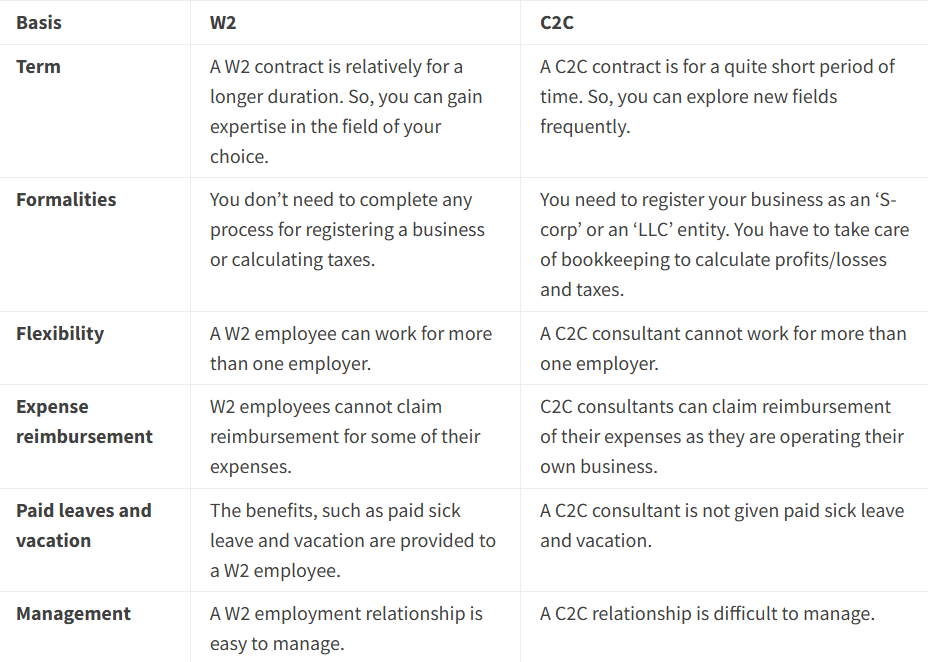
- Lack of Traditional Employee Benefits: C2C workers are typically independent contractors, meaning they do not receive traditional employee benefits such as health insurance, paid time off, retirement contributions, or unemployment benefits. This necessitates proactive personal financial planning to cover these essential needs, often through self-funded insurance and savings plans.
- Self-Employment Taxes and Financial Management: As independent contractors, C2C workers are responsible for calculating and paying their own self-employment taxes (which include Social Security and Medicare contributions), income taxes, and potentially local business taxes. This requires diligent record-keeping, understanding tax obligations, and often setting aside a significant portion of earnings for future tax payments. Incorrect financial management can lead to penalties and unexpected tax bills.
- Competition and Platform Dependence: The ease of entry into many C2C markets also means high competition. Workers often compete on price, quality, and reputation, which can drive down earnings. Furthermore, dependence on a single platform for income exposes individuals to risks associated with platform policy changes, commission increases, or even platform failure.
- Customer Service and Reputation Management: In a C2C environment, individual reputation is paramount. Dealing with difficult customers, managing disputes, and maintaining high service standards directly impacts ratings and future income opportunities. This personal investment in customer relations adds another layer of responsibility beyond simply performing the job.
Navigating these advantages and challenges requires a proactive, financially literate approach. C2C work can be incredibly rewarding, but it demands a strategic mindset towards income stability, benefits planning, and tax obligations to ensure long-term financial success.
Navigating the Financial and Regulatory Landscape
Engaging in C2C jobs, while offering significant flexibility and income potential, also introduces a distinct set of financial and regulatory responsibilities. Individuals transitioning into or expanding their C2C activities must develop robust financial literacy to ensure compliance, maximize profitability, and secure their financial future.
Income Reporting and Taxation
Perhaps the most critical financial aspect of C2C work is understanding and fulfilling tax obligations. Unlike W-2 employees whose taxes are withheld by an employer, C2C workers are typically classified as independent contractors or self-employed individuals.
- Self-Employment Tax: C2C income is subject to self-employment tax, which covers Social Security and Medicare contributions. This rate is 15.3% on net earnings up to a certain threshold (and 2.9% for Medicare on all net earnings), in addition to regular income tax. It’s crucial for individuals to set aside a percentage of every payment received to cover these taxes, as they are not withheld at the source.
- Estimated Taxes: If C2C income is expected to exceed a certain threshold, individuals are generally required to pay estimated taxes quarterly. Failing to do so can result in penalties. Tools and financial software can assist in tracking income and expenses to accurately calculate these payments.
- Deductible Expenses: A significant advantage for C2C workers is the ability to deduct legitimate business expenses, which reduces taxable income. These can include platform fees, supplies, home office expenses, mileage, equipment, and professional development directly related to their C2C activity. Meticulous record-keeping is essential to substantiate these deductions.
- Form 1099-K and 1099-NEC: C2C platforms may issue Form 1099-K if transactions exceed certain thresholds, or Form 1099-NEC for service-based income. Regardless of whether a form is received, all income from C2C activities must be reported to the tax authorities.
Pricing Strategies and Profitability
Effective pricing is central to the financial viability of any C2C job. Setting prices too low can lead to burnout and insufficient profit, while setting them too high can deter potential customers.
- Cost Analysis: Before setting a price, individuals must accurately calculate all costs associated with their C2C offering. For goods, this includes materials, shipping, and platform fees. For services, it involves the value of time, specialized skills, and any tools or software used. Overlooking hidden costs can severely erode profitability.
- Market Research: Understanding what competitors charge for similar goods or services is vital. Researching average rates and identifying a competitive range helps in positioning. However, C2C workers can differentiate themselves through unique value propositions, quality, or customer service, potentially justifying higher prices.
- Value-Based Pricing: Instead of solely focusing on cost, consider the perceived value your product or service provides to the customer. If your offering solves a significant problem or provides exceptional quality, you may be able to command a premium.
- Time Value: For service-based C2C jobs, accurately valuing your time is paramount. Determine an hourly rate that not only covers expenses but also provides a living wage and accounts for unpaid administrative tasks, marketing, and skill development.
- Dynamic Pricing: Some C2C models, particularly in the sharing economy (e.g., ride-sharing, accommodation), utilize dynamic pricing, where rates fluctuate based on demand, time of day, or location. Understanding how to leverage or respond to these mechanisms can significantly impact earnings.

Building Trust and Reputation in a C2C Environment
In a decentralized C2C market, trust and reputation are invaluable currencies, directly impacting an individual’s financial success and sustainability. High ratings and positive reviews lead to more sales, higher demand, and potentially the ability to charge more.
- Consistency and Quality: Delivering consistent quality in products or services is the cornerstone of a strong reputation. Meeting or exceeding customer expectations fosters positive feedback and repeat business.
- Transparent Communication: Clear, honest, and timely communication with buyers or clients builds confidence. This includes setting realistic expectations, promptly addressing inquiries, and being upfront about any potential delays or issues.
- Customer Service Excellence: Going the extra mile for customers can transform a one-time transaction into a loyal relationship. Resolving issues amicably, offering personalized experiences, and being responsive to feedback are crucial.
- Platform Adherence: Strictly following the rules and guidelines of C2C platforms helps maintain a good standing and avoids penalties that could harm reputation or even lead to account suspension.
- Financial Integrity: Accurate pricing, transparent billing, and reliable payment processing reinforce trust. Any perceived dishonesty in financial dealings can quickly tarnish a reputation and deter future business.
Effectively navigating the financial and regulatory landscape, coupled with strategic pricing and diligent reputation management, transforms C2C activities from mere side hustles into legitimate, sustainable income streams and even substantial business ventures. It requires a blend of entrepreneurial spirit and sound financial discipline.
aViewFromTheCave is a participant in the Amazon Services LLC Associates Program, an affiliate advertising program designed to provide a means for sites to earn advertising fees by advertising and linking to Amazon.com. Amazon, the Amazon logo, AmazonSupply, and the AmazonSupply logo are trademarks of Amazon.com, Inc. or its affiliates. As an Amazon Associate we earn affiliate commissions from qualifying purchases.