
The Evolution of Orthodontic Technology
The quest for a perfect smile has driven significant innovation in orthodontic technology, moving far beyond rudimentary metal bands. Today’s primary contenders, traditional braces and clear aligners like Invisalign, represent distinct technological philosophies in achieving dental alignment. Understanding “what is better” necessitates a deep dive into the engineering, materials science, and digital tools that underpin each system.
Traditional Braces: Engineered Mechanics and Material Science
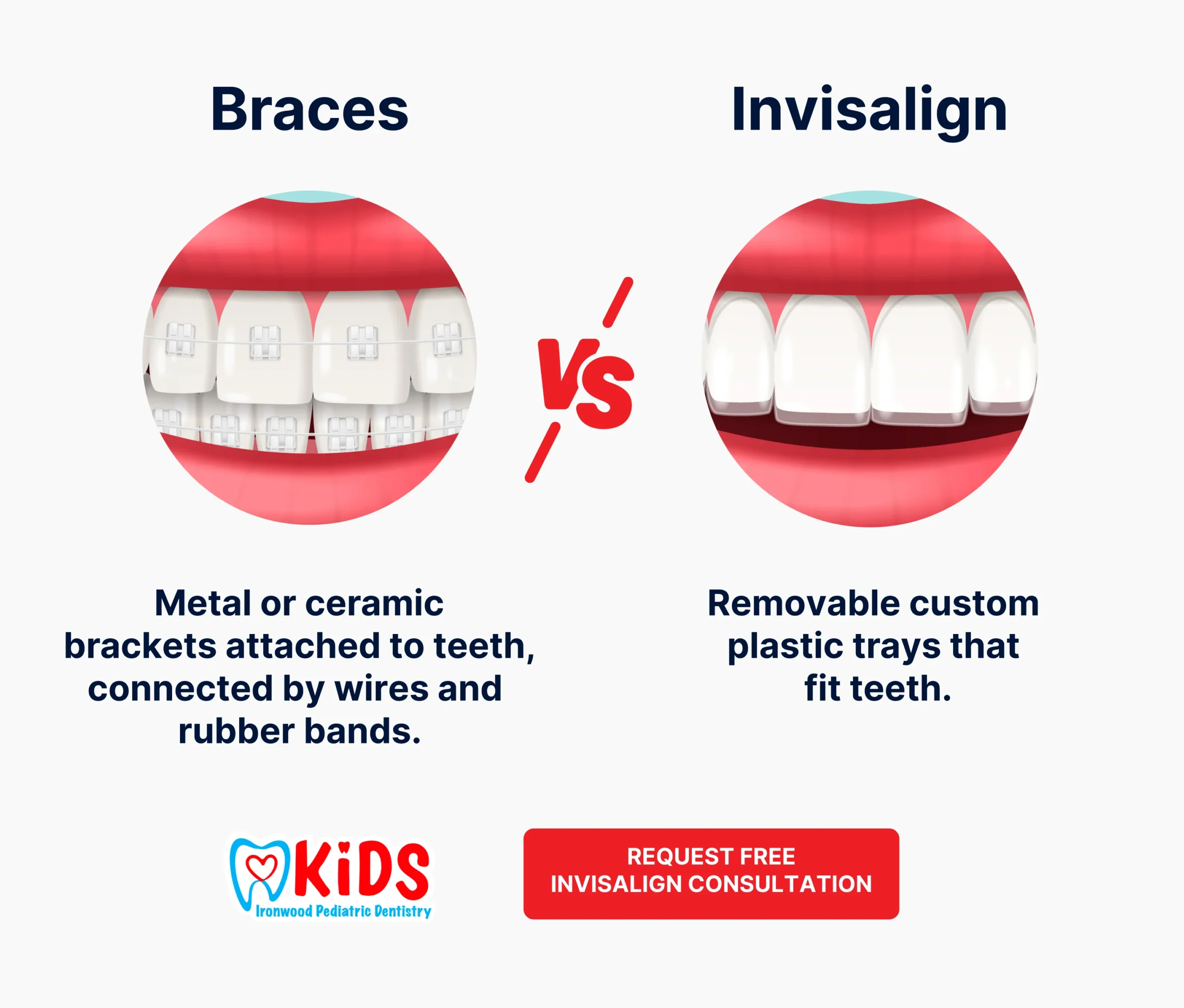
Traditional braces, while appearing conventional, are sophisticated biomechanical systems. At their core is the precise application of force to guide teeth into new positions. The technology here is in the materials and the ingenious engineering of the system. Brackets, traditionally made from medical-grade stainless steel, have evolved to include ceramic and even gold options, each chosen for specific aesthetic and mechanical properties. These brackets are bonded to the teeth and act as anchors for archwires.
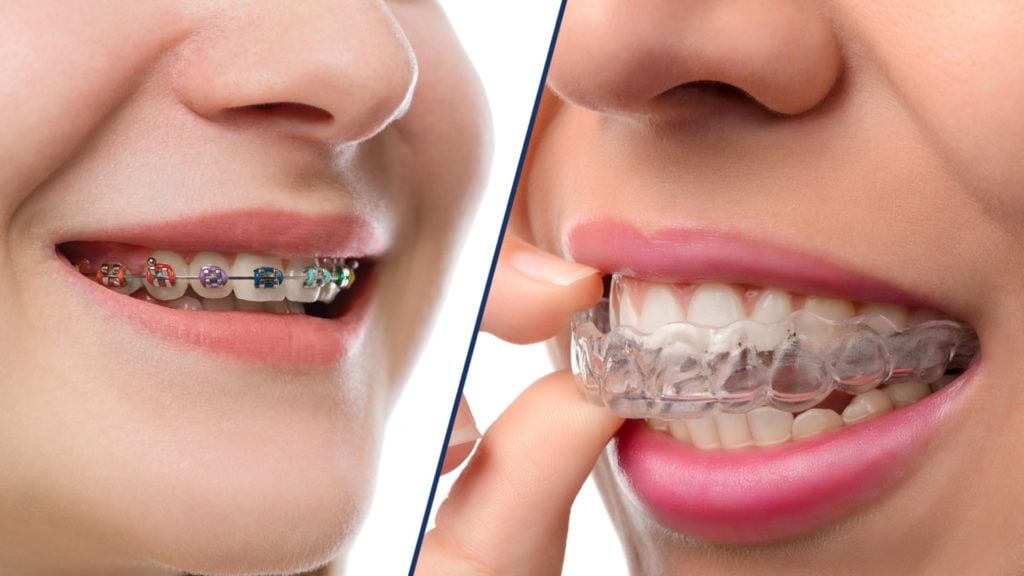
The archwires themselves are marvels of material science. Early wires were basic steel, but modern orthodontics utilizes nickel-titanium (NiTi) alloys, renowned for their superelasticity and shape memory. These wires, when heated to body temperature, exert continuous, gentle force, gradually moving teeth. This constant, controlled force is crucial for effective and biologically safe tooth movement. Ligatures, either elastic or fine wire, secure the archwire to the brackets. Self-ligating bracket systems represent another technological leap, integrating a tiny clip or door into the bracket itself, eliminating the need for elastic ties and potentially reducing friction, which can lead to faster and more comfortable treatment. The technological advancement in traditional braces is incremental, focusing on refining force application, enhancing patient comfort, and improving aesthetics through discreet materials. They are a robust, tried-and-true mechanical system, continuously optimized for efficiency and predictability.
Invisalign: Digital Innovation and Biomechanical Precision
Invisalign, introduced in the late 1990s, disrupted the orthodontic landscape by leveraging advanced digital technology. It represents a paradigm shift from manual bracket placement and wire bending to a entirely digital, software-driven treatment plan. The process begins with a high-resolution 3D scan of the patient’s teeth, eliminating traditional messy impressions. This digital model is then uploaded into proprietary CAD/CAM software.
Orthodontists use this software to meticulously plan the entire tooth movement sequence, from the initial malocclusion to the final desired alignment. This digital planning allows for unparalleled precision, enabling the visualization of every stage of treatment. A series of custom-made, clear plastic aligners are then fabricated using advanced 3D printing and thermoforming technologies. Each aligner is slightly different, designed to gradually shift teeth incrementally. The material science of Invisalign aligners is also critical; they are made from a patented thermoplastic material designed for optimal clarity, comfort, and the ability to exert controlled forces on the teeth. SmartTrack material, for instance, is engineered for more predictable and comfortable tooth movement. The core innovation here is the integration of diagnostic imaging, predictive software algorithms, and advanced manufacturing to create a customized, removable appliance that offers both aesthetic appeal and effective biomechanical force delivery.
A Deep Dive into Technology and User Experience
The choice between braces and Invisalign often hinges on the interplay between the underlying technology and the resulting user experience. Each system offers a distinct approach to treatment, impacting daily life, maintenance, and overall comfort.
Hardware vs. Software: Physical Brackets vs. Digital Aligners
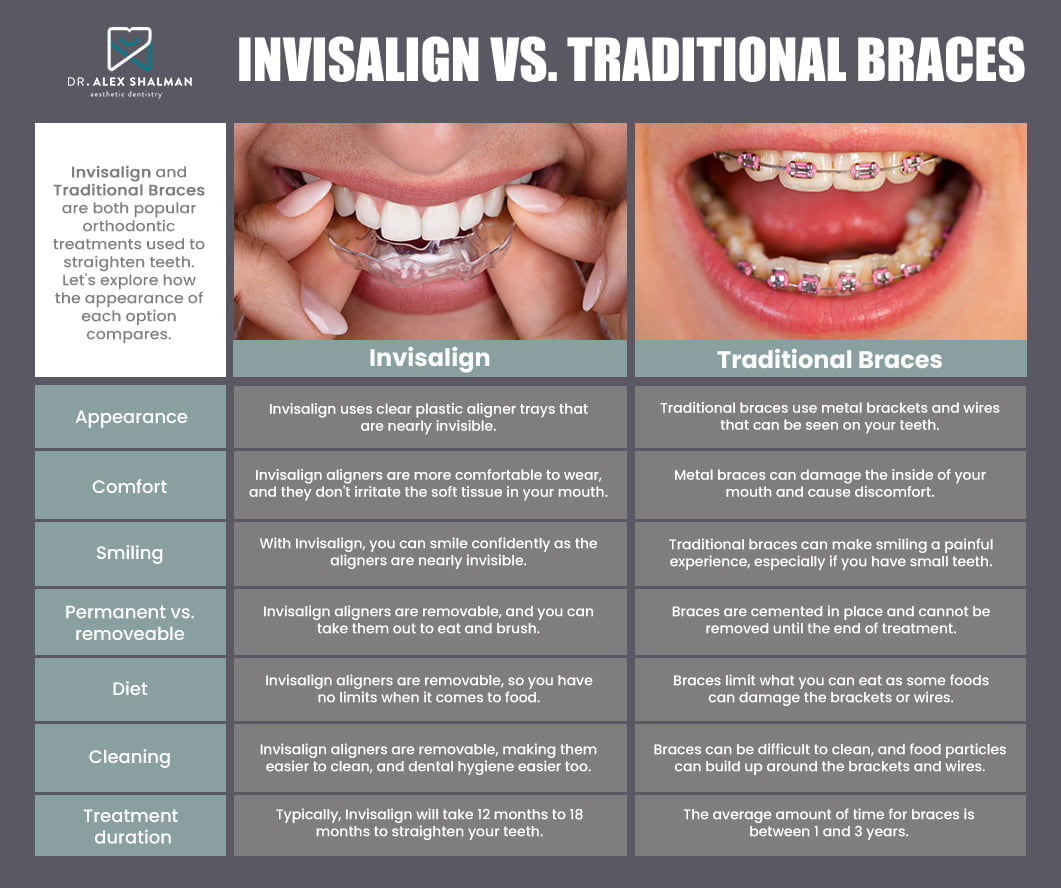
Traditional braces can be likened to a robust, fixed hardware system. Once installed, they are a permanent fixture for the duration of treatment. The physical presence of brackets and wires means a fixed interface with the patient’s mouth. Adjustments are physical interventions by the orthodontist, involving tightening or replacing wires and elastic bands. This hardware-centric approach is highly effective for complex movements and provides continuous force, making compliance less of an issue for the patient, as the system is always “on.” However, the physical components can sometimes cause irritation to soft tissues and present challenges for oral hygiene.
Invisalign, by contrast, operates more like a sophisticated software system with removable hardware components. The “brain” of the treatment lies in the digital plan created on the computer, which dictates the precise sequence of aligners. The aligners themselves are the tangible output of this digital blueprint. The removable nature of the aligners significantly enhances the user experience, allowing for easy eating, brushing, and flossing, which are often cited as major advantages. However, this flexibility also demands high patient compliance; aligners must be worn for 20-22 hours per day to be effective. The interface is smoother, less abrasive than brackets, and virtually invisible, making it a preferred choice for adults and adolescents concerned about aesthetics. The iterative nature of aligner changes, typically every one to two weeks, also means a fresh, clean appliance is regularly introduced, potentially improving hygiene over fixed devices.
The Interface: Adjustments, Comfort, and Oral Hygiene Tools
The user interface for traditional braces involves periodic visits to the orthodontist for adjustments. These appointments are crucial for the ongoing “tuning” of the system, where wires are changed or tightened to continue the tooth movement sequence. Patients often report temporary discomfort or soreness after adjustments as the new forces begin to act on the teeth. Oral hygiene requires specialized tools like interdental brushes and floss threaders to navigate around wires and brackets, making cleaning more time-consuming and challenging. Food restrictions are also a common aspect of the user experience, as certain hard or sticky foods can damage brackets or wires.
Invisalign’s interface is characterized by its removability and the series of prescribed aligners. Patients change their aligners at home, following the digital plan, with less frequent check-up appointments needed than traditional braces. While initial discomfort or pressure is common with each new aligner set, it typically subsides within a day or two. The most significant user advantage is the ability to remove aligners for eating, drinking anything other than water, brushing, and flossing. This allows for normal oral hygiene routines and eliminates food restrictions. Specialized cleaning solutions or tablets can be used for the aligners themselves, simplifying their maintenance. This aspect of the interface significantly enhances comfort and convenience, impacting lifestyle choices during treatment.
Data-Driven Treatment: Predictive Models and Customization
The technological sophistication of both systems allows for increasingly data-driven treatment and customization. For traditional braces, advanced imaging (X-rays, cephalometric analyses) and diagnostic models inform the orthodontist’s manual planning. Modern orthodontists often use digital scanning to create virtual models for precise bracket placement, even for traditional braces, enhancing customization. Finite Element Analysis (FEA) can model the stresses and strains on teeth and bone under different forces, aiding in treatment planning.
Invisalign takes data-driven treatment to another level with its ClinCheck software. This platform utilizes predictive algorithms to simulate tooth movement, allowing orthodontists to fine-tune the treatment plan before aligner fabrication. Every aligner in the series is a custom-fabricated output based on this digital model. The system also incorporates “attachments” – small, tooth-colored composite bumps bonded to specific teeth – that act as anchors for the aligners, giving them additional grip for complex movements. These attachments are precisely placed based on the digital plan, demonstrating the deep level of customization. Furthermore, data collected from millions of successful Invisalign cases contributes to refining future algorithms, making the system increasingly sophisticated and predictive over time. This continuous feedback loop of real-world results feeding into software improvements is a hallmark of modern tech development.
Performance Metrics: Speed, Efficacy, and Predictability
Evaluating “what is better” also involves an assessment of the performance of each technology against key metrics like treatment speed, overall efficacy, and the predictability of outcomes. Both systems have evolved to excel in different scenarios, leveraging their inherent technological strengths.
Comparing Movement Mechanics and Case Suitability
Traditional braces, with their fixed nature and the ability to apply complex, multi-directional forces through archwires, are generally considered highly effective for a wide range of orthodontic cases, including severe malocclusions, significant rotations, and bite corrections. The orthodontist has direct control over each tooth’s movement through manual wire bending and adjustments, offering high versatility. The continuous force application ensures consistent movement, and the fixed nature eliminates patient compliance as a variable in force delivery. For very complex movements requiring significant root tipping or extrusion/intrusion, the mechanical advantage of brackets and wires often makes them the preferred technology.
Invisalign’s efficacy has expanded significantly since its inception. While initially suited for mild to moderate cases, advancements in aligner material, attachment technology, and digital planning software (like SmartForce features) have enabled it to treat increasingly complex conditions, including many that previously required traditional braces. The precision of the digital plan allows for controlled, sequential movements. However, for certain extreme cases requiring extensive anchorage or complex skeletal adjustments, traditional braces may still offer a more robust mechanical solution. The predictability of Invisalign lies in its digital roadmap; patients and orthodontists can visualize the entire treatment journey before it even begins, though biological responses can sometimes lead to deviations that require refinement. Both systems rely on the fundamental biological response of bone remodeling, but their mechanical and digital approaches to initiating and guiding that response differ.
Maintenance and Long-Term Digital Archiving
The maintenance aspect extends beyond daily hygiene to the long-term management of treatment data. For traditional braces, maintenance is largely physical: ensuring brackets and wires remain intact, addressing any breakages promptly, and diligent oral hygiene. The records of treatment are often physical models, X-rays, and photos, supplemented by digital scans if available. The long-term retention phase typically involves a physical retainer, either removable or fixed.
Invisalign offers a unique advantage in digital archiving. Since the entire treatment plan is digitally stored, it provides a comprehensive, permanent record of the patient’s tooth movements. If a patient loses an aligner or needs a mid-course correction, new aligners can be rapidly fabricated based on the existing digital model. This digital blueprint can also be invaluable for future reference, such as if a patient requires a new retainer years down the line, as a perfect digital replica of their final smile is readily accessible. This digital continuity not only streamlines replacement processes but also provides a superior long-term data asset for both patient and practitioner, leveraging the power of digital records in healthcare.
Future Trends: AI Integration and Personalized Orthodontics
The trajectory of orthodontic technology points towards even greater personalization and efficiency, heavily influenced by artificial intelligence and advanced manufacturing. Both braces and aligners stand to benefit from these converging trends.
What’s Next for Orthodontic Gadgets and Services?
The next generation of orthodontic “gadgets” and services will likely see a deeper integration of AI and machine learning. Imagine AI-powered software that not only plans tooth movements but also predicts individual biological responses to different force systems, optimizing treatment plans for each unique patient. This could lead to truly personalized biomechanics, where the system adapts in real-time based on patient data, potentially reducing treatment times and improving outcomes.
Smart aligners or “smart braces” could incorporate tiny sensors to monitor compliance, force application, or even biological markers in saliva, transmitting data back to the orthodontist for real-time adjustments or alerts. Tele-orthodontics, already gaining traction, will become more sophisticated, with AI assisting in remote monitoring and virtual check-ups, potentially reducing the need for physical appointments. Further advancements in materials science could lead to even more aesthetic, comfortable, and efficient components for both fixed and removable appliances. Biodegradable materials, drug-delivery systems embedded in aligners or brackets, and self-adjusting mechanisms are all within the realm of possibility.
The convergence of advanced imaging, AI-driven diagnostics, predictive analytics, and personalized manufacturing will redefine “better” in orthodontics. The future will likely offer a spectrum of highly customized, technologically advanced solutions, allowing patients and orthodontists to choose the system that best aligns with their specific needs, preferences, and biological profiles, moving beyond a simple “braces vs. Invisalign” debate to a truly integrated, smart orthodontic experience.
aViewFromTheCave is a participant in the Amazon Services LLC Associates Program, an affiliate advertising program designed to provide a means for sites to earn advertising fees by advertising and linking to Amazon.com. Amazon, the Amazon logo, AmazonSupply, and the AmazonSupply logo are trademarks of Amazon.com, Inc. or its affiliates. As an Amazon Associate we earn affiliate commissions from qualifying purchases.