
Bed linen, often perceived merely as functional fabric for sleep, is in the realm of brand strategy and corporate identity, a critical touchpoint for consumer experience and a powerful vehicle for differentiation. Far beyond its basic utility, it embodies a brand’s commitment to quality, design philosophy, and understanding of consumer lifestyle. For brands operating in the home goods sector, deciphering “what is bed linen” is less about a dictionary definition and more about how these textile ensembles shape brand perception, market positioning, and ultimately, consumer loyalty.
Defining Bed Linen in the Context of Brand Identity
At its core, bed linen refers to the textiles used to cover a bed, including sheets, duvet covers, pillowcases, and sometimes bedspreads or blankets. However, from a brand perspective, it represents a cohesive collection of items meticulously designed to create an immersive sleep experience and contribute to a room’s aesthetic. A brand’s choice of materials, construction, and design elements for its bed linen range directly communicates its values, whether they emphasize luxury, sustainability, affordability, or contemporary minimalism.
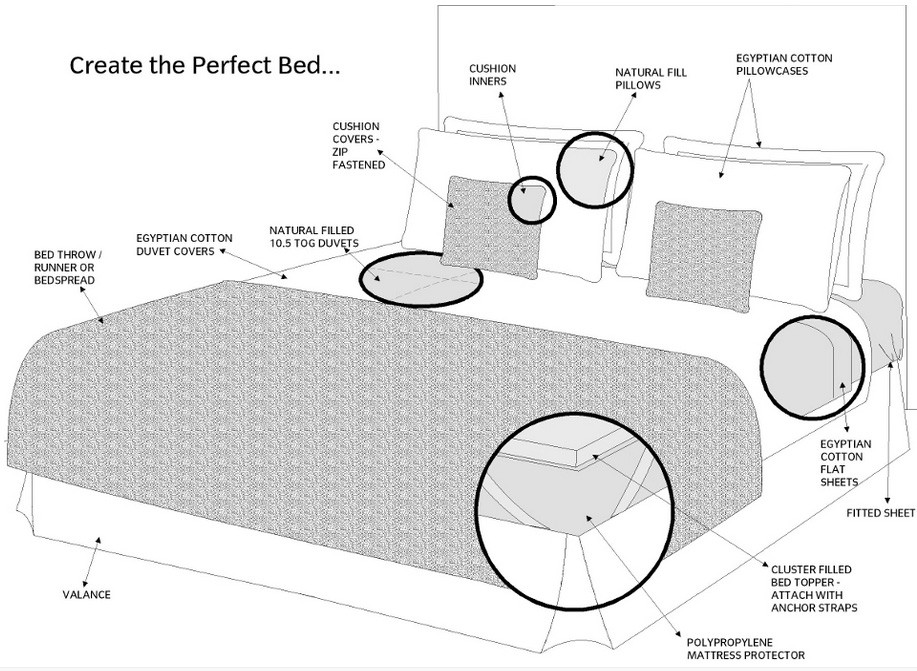
The very definition of bed linen for a brand extends to its capacity to evoke emotion and comfort. It’s not just fabric; it’s a promise of restful sleep, a statement of personal style, and an integral part of home decor. Brands leverage the inherent sensory qualities of bed linen—softness, texture, visual appeal—to craft a distinct identity in a competitive market. Understanding these elements is paramount for developing a cohesive corporate identity and an effective marketing strategy that resonates with target demographics.
The Core Components: A Brand’s Foundation
Each component of bed linen offers an opportunity for brand expression and functional differentiation:
- Flat Sheets and Fitted Sheets: These are the foundation. A brand might choose Egyptian cotton for its luxurious feel, organic cotton for its eco-conscious appeal, or a high-performance blend for its durability and wrinkle resistance. The thread count, weave (e.g., percale for crispness, sateen for silky smoothness), and depth of the fitted sheet’s pockets are subtle but significant differentiators that speak to a brand’s attention to detail and understanding of consumer needs.
- Duvet Covers and Quilts: These are often the visual centerpiece of a bed, offering the largest canvas for a brand’s design aesthetic. Patterns, colors, and textures here are crucial for establishing a room’s mood and reflecting broader interior design trends. A brand focused on minimalist Scandinavian design will offer crisp whites and muted grays, while a bohemian brand might feature intricate prints and vibrant hues.
- Pillowcases and Shams: Complementing duvet covers, pillowcases and shams complete the ensemble. Their design and material must align perfectly with the overall brand narrative. Shams, with their decorative flanges, often add an extra layer of sophistication, allowing brands to upsell and enhance the perceived luxury or design coherence of their collections.
- Optional Extras (Bedspreads, Blankets, Throws): These elements provide additional opportunities for texture, warmth, and layering, allowing brands to offer comprehensive collections that cater to varying climates and styling preferences, further cementing their design authority.
Collectively, these components must present a unified front, each contributing to a clear brand promise and aesthetic. The consistency across these items reinforces a brand’s identity and makes it easily recognizable and desirable.
Material Innovation and Brand Differentiation
The tactile experience of bed linen is critical, making material selection a cornerstone of brand differentiation. Brands strategically choose fabrics not only for comfort and durability but also for their ability to tell a story and appeal to specific consumer values.
- Natural Fibers (Cotton, Linen, Silk): These often form the basis for premium and sustainable brands.
- Cotton: From standard upland cotton to luxurious Pima and Egyptian cotton, brands select specific grades to communicate varying levels of softness, breathability, and price points. Organic cotton certifications (like GOTS) are pivotal for brands targeting eco-conscious consumers, signaling environmental responsibility and ethical sourcing.
- Linen: Known for its natural coolness, durability, and relaxed aesthetic, linen is favored by brands aiming for a rustic-chic, European, or minimalist feel. Its inherent wrinkles are embraced as part of its charm, defining a certain lifestyle.
- Silk: The epitome of luxury, silk is chosen by high-end brands for its incredibly smooth feel, temperature-regulating properties, and hypoallergenic benefits. Marketing silk bed linen focuses on indulgence, skincare benefits, and a superior sleep experience.
- Synthetic Fibers (Polyester, Microfiber): Brands catering to value, durability, or specific performance needs often utilize synthetics. Polyester blends can offer wrinkle resistance, quick drying, and affordability. Microfiber, known for its softness and stain resistance, appeals to practical consumers or those seeking specific textures. While traditionally associated with lower price points, innovations in synthetic fabric technology allow brands to position these materials as high-performance, easy-care alternatives.
- Blends: Many brands create proprietary blends (e.g., cotton-lyocell, cotton-bamboo) to combine the best attributes of different fibers, achieving a unique balance of softness, strength, and sustainability. These blends often allow brands to innovate and carve out a niche with unique product benefits.
The Story of Fabric: Crafting a Brand Narrative
Beyond the fiber type, the construction and finish of the fabric itself are potent brand communicators. Thread count, while often a marketing buzzword, indicates the density of threads, which can correlate with softness and durability. However, weave patterns (percale, sateen, twill) have a more significant impact on feel and appearance. A brand emphasizing crispness will lean towards percale, while one focusing on a silky drape will choose sateen.
Innovative finishes, such as garment washing for a lived-in feel, anti-microbial treatments for hygiene, or specialized dyeing techniques for unique color depth, all become part of a brand’s unique selling proposition. Sustainable practices, from water-saving dyeing processes to fair-trade certifications, are increasingly integrated into the brand narrative, attracting consumers who prioritize ethical consumption. By meticulously crafting their fabric story, brands can communicate tangible benefits and align with the values of their target audience.
Design, Aesthetics, and Corporate Identity in Home Textiles
Design is where a brand’s vision truly comes to life in bed linen. The chosen color palettes, patterns, and textures are not merely decorative; they are fundamental elements of a brand’s visual identity and a key driver of consumer choice. A brand’s design language in bed linen should be consistent with its broader corporate identity, ensuring that its offerings are instantly recognizable and align with its overall market positioning.
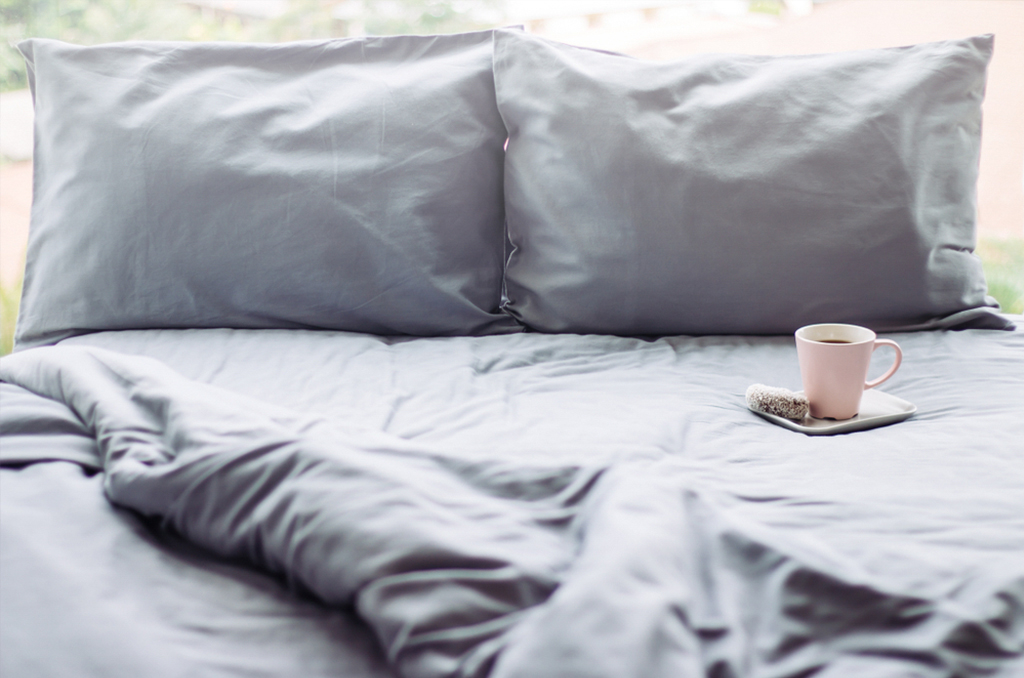
For instance, a brand focused on classic elegance might stick to neutral tones, subtle jacquards, and timeless damask patterns. In contrast, a modern, eclectic brand might experiment with bold geometric prints, vibrant color blocking, and unexpected material combinations. The texture, whether it’s the crispness of percale, the subtle sheen of sateen, the relaxed weave of linen, or the plushness of velvet, contributes significantly to the overall aesthetic and tactile experience a brand aims to deliver.
This design consistency extends to the entire product lifecycle—from packaging that reflects the brand’s premium or eco-friendly stance, to photography that evokes the desired lifestyle, to in-store displays that curate an aspirational bedroom environment.
From Product to Experience: The Role of Design in Branding
Ultimately, bed linen design transcends the product itself to become an integral part of the “bedroom experience” a brand promises. A well-designed collection doesn’t just cover a bed; it transforms a space, influences mood, and contributes to overall well-being. Brands that succeed in this space understand that consumers aren’t just buying sheets; they are investing in comfort, style, and a sense of sanctuary.
Cohesive collections, where sheets, duvet covers, and pillowcases are designed to mix and match seamlessly, offer consumers flexibility while maintaining a strong brand aesthetic. This approach empowers consumers to personalize their space within the brand’s curated framework, fostering a deeper connection and repeat purchases. Design, therefore, becomes a powerful tool for building brand loyalty and cultivating a distinctive market presence.
Marketing Bed Linen: Crafting Consumer Perception
Effective marketing of bed linen hinges on understanding its intrinsic qualities and translating them into compelling consumer benefits. Brands move beyond simply listing features (e.g., “100% cotton”) to crafting narratives that resonate emotionally with their audience. The marketing strategy should articulate how the specific bed linen contributes to a better lifestyle, enhanced sleep, or a more beautiful home.
This involves sophisticated messaging that highlights benefits such as breathability for a cooler sleep, softness for ultimate comfort, durability for longevity, or hypoallergenic properties for sensitive individuals. For brands with a sustainability focus, marketing efforts emphasize ethical sourcing, organic certifications, and reduced environmental impact, appealing to conscious consumers.
Communicating Value: Beyond Thread Count
While thread count has historically been a primary metric, modern bed linen marketing increasingly focuses on a holistic value proposition. Brands educate consumers about the nuances of weave, fiber length, and finishing processes, demonstrating how these factors collectively contribute to a superior product. Storytelling plays a crucial role, whether it’s the journey of cotton from field to fabric, the artisanal techniques used in weaving, or the testimonials of customers who have experienced transformative sleep.
Lifestyle marketing is particularly effective, showcasing bed linen in aspirational bedroom settings that depict relaxation, luxury, or family comfort. This approach helps consumers visualize how the product integrates into their own lives and contributes to their desired aesthetic and emotional well-being. Ultimately, successful bed linen marketing builds a brand that represents not just a product, but a coveted experience and a trustworthy promise of quality.
The Evolving Landscape: Adapting Brand Strategy
The definition of bed linen, and thus brand strategy, is not static. The home textile market is continually evolving, driven by consumer demand for greater sustainability, personalization, and innovative functionality. Brands must remain agile, adapting their product development and marketing to stay relevant.
Emerging trends include smart textiles with integrated technology for temperature regulation or sleep tracking, personalized design options, and an increasing focus on circular economy principles in manufacturing. For a bed linen brand to thrive, it must continually redefine “what is bed linen” in the context of these advancements, integrating new materials, technologies, and ethical practices into its core offerings and brand narrative.

Future-Proofing Bed Linen Brands
Future-proofing a bed linen brand involves more than just keeping up with trends; it requires foresight and a willingness to innovate. Brands should invest in research and development to explore novel fibers, advanced weaving techniques, and sustainable production methods. Collaborations with designers, artists, and technology firms can lead to groundbreaking products that differentiate a brand in a crowded market.
By maintaining a strong corporate identity rooted in quality, design, and ethical practices, while simultaneously embracing innovation and adapting to evolving consumer values, bed linen brands can ensure their longevity and continued relevance in the ever-changing landscape of home textiles. This forward-thinking approach ensures that their answer to “what is bed linen” remains compelling and aspirational for generations of consumers.
aViewFromTheCave is a participant in the Amazon Services LLC Associates Program, an affiliate advertising program designed to provide a means for sites to earn advertising fees by advertising and linking to Amazon.com. Amazon, the Amazon logo, AmazonSupply, and the AmazonSupply logo are trademarks of Amazon.com, Inc. or its affiliates. As an Amazon Associate we earn affiliate commissions from qualifying purchases.