
The Opal apple represents a compelling case study in modern brand strategy, transforming a natural product into a distinct and valuable market entity. In an increasingly competitive agricultural landscape, where generic commodities often struggle for consumer attention, the Opal apple has carved out a premium niche through astute branding, strategic marketing, and rigorous quality control. It exemplifies how intellectual property, targeted positioning, and a well-executed corporate identity can elevate a fruit from mere produce to a recognizable and sought-after brand. Understanding “what is an Opal apple” is therefore less about its botanical classification and more about its carefully constructed brand persona and market journey.
The Genesis of a Branded Fruit: Cultivation, Proprietary Rights, and Market Entry
The journey of the Opal apple from an experimental cultivar to a recognized brand begins with its unique genetic heritage and the strategic decision to protect and market this distinct variety. Originating from the cross between Golden Delicious and Topaz apples in Europe, the Opal (scientific name: ‘UEB 32642’) possesses inherent characteristics that lent themselves perfectly to differentiation. However, possessing unique traits alone is insufficient; the transformation into a brand requires a sophisticated approach to intellectual property and market introduction.
From Orchard to Intellectual Property: The Story of Topaz and the Opal Variant
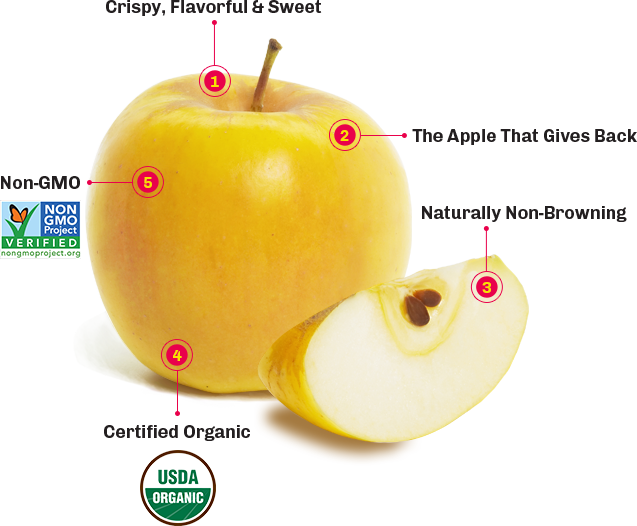
The Topaz apple, a parent of the Opal, is itself a product of specific breeding programs aimed at disease resistance and flavor. The Opal inherited many desirable traits, notably its vibrant yellow hue and crisp texture, but critically, it developed a natural resistance to oxidation, meaning it browns very slowly after being cut. This “non-browning” attribute is not just a biological quirk; it is a powerful differentiator and a cornerstone of the Opal brand’s unique selling proposition. To capitalize on such a characteristic, the variety was patented and trademarked, making it proprietary. This legal protection is fundamental to its brand strategy, granting exclusive rights to cultivate and market, thereby preventing commoditization and allowing for premium pricing. The control over propagation and distribution ensures that the brand remains consistent and scarce enough to maintain its perceived value.
Strategic Cultivation and Supply Chain Control
The brand integrity of the Opal apple is meticulously maintained through controlled cultivation and a disciplined supply chain. In the United States, First Fruits Marketing of Washington, partnered with Broetje Orchards, holds the exclusive rights to grow and market the Opal apple. This exclusive arrangement is not merely a distribution model; it is a critical component of the brand strategy. By limiting the number of growers and centralizing marketing efforts, the brand ensures consistent quality, flavor profile, and visual appeal across all fruits bearing the Opal name. This vertical integration or tightly managed network prevents dilution of the brand, guaranteeing that every Opal apple delivered to the consumer meets stringent standards, reinforcing its premium image. Such control allows for precise management of ripeness, handling, and storage, all of which contribute to the final consumer experience and brand perception.
Crafting the Opal Identity: Marketing a Differentiated Product
Beyond its inherent qualities and intellectual property protection, the Opal apple’s success as a brand is deeply rooted in a deliberate and effective marketing strategy. This strategy focuses on highlighting its unique attributes, creating a distinctive visual identity, and engaging consumers through various channels to build recognition and loyalty.
Unique Selling Propositions: Non-Browning, Flavor Profile, and Appeal
The core of the Opal apple’s brand messaging revolves around its distinct advantages. The non-browning characteristic is perhaps its most compelling unique selling proposition (USP). In a market saturated with apples, this feature directly addresses a common consumer pain point: discoloration in cut fruit for snacks, salads, and charcuterie boards. Marketing campaigns prominently feature this benefit, positioning Opal as the ideal choice for convenience, freshness, and aesthetic appeal. Alongside this, its specific flavor profile – a crisp texture combined with a balanced sweetness and a subtle tang – is consistently highlighted. Unlike generic apples, the Opal brand aims to deliver a predictable and delightful eating experience, a key element in establishing repeat purchases and brand preference. The bright yellow color is also leveraged visually, conveying freshness and uniqueness, further separating it from the dominant red and green apple varieties.
Visual Branding and Packaging: Communicating Premium Value
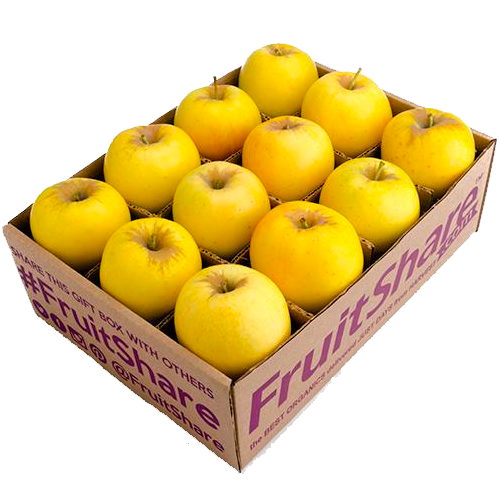
The visual identity of the Opal apple is carefully designed to communicate its premium status. Packaging plays a crucial role, often featuring elegant designs, clear branding, and sometimes even specific trays or bags that protect the fruit and enhance its presentation. The use of distinct color palettes and sophisticated typography on packaging helps differentiate it on crowded supermarket shelves. The brand logo itself is crafted to be memorable and evocative of its natural qualities. This attention to design goes beyond mere aesthetics; it signals quality, care, and a deliberate investment in the product, justifying its premium price point in the minds of consumers. The visual consistency across all marketing materials, from online advertisements to in-store displays, reinforces the corporate identity and ensures immediate recognition.
Digital and Experiential Marketing: Building Consumer Connections
In the digital age, the Opal brand extends its reach beyond physical packaging. Online presence, including a dedicated website, social media campaigns, and partnerships with food bloggers and influencers, plays a vital role in consumer engagement. These platforms are used to tell the brand story, educate consumers about its unique qualities, share recipe ideas that leverage its non-browning feature, and foster a sense of community around the product. Experiential marketing, such as in-store sampling and participation in food festivals, allows consumers to taste the difference firsthand, creating a memorable brand interaction. These direct and indirect marketing efforts work in concert to build a strong brand narrative, converting curious shoppers into loyal advocates who seek out the Opal apple specifically.
Market Positioning and Consumer Perception: The Premium Fruit Niche
The Opal apple’s brand strategy is fundamentally about market positioning – specifically, carving out a lucrative segment at the higher end of the produce market. This involves strategic pricing, careful communication of value, and a sustained effort to cultivate strong consumer perceptions that justify its premium status.
Pricing Strategy and Value Proposition
As a proprietary variety with exclusive marketing rights, the Opal apple commands a premium price compared to generic apple varieties. This pricing strategy is not arbitrary; it is an integral part of its brand identity, signaling quality, exclusivity, and the inherent value of its unique attributes. The brand effectively communicates this value proposition by emphasizing the benefits consumers receive: superior flavor, crispness, and most notably, the convenience and appeal of its non-browning characteristic. Consumers are willing to pay more for products that solve problems or offer a consistently superior experience. The Opal brand meticulously articulates why its product is worth the extra investment, framing it as a choice for discerning consumers who prioritize quality, convenience, and a delightful eating experience. This positions the Opal apple not merely as an alternative, but as a superior choice within its category.
Cultivating Loyalty in a Competitive Landscape
Building brand loyalty in the highly competitive produce sector is a significant challenge, yet it is central to the Opal apple’s long-term success. The brand achieves this by consistently delivering on its promises. Each Opal apple purchased is expected to meet the high standards set by its marketing – crisp, sweet, and slow to brown. This consistent quality builds trust, a critical component of brand loyalty. Furthermore, the brand actively works to foster an emotional connection with consumers. Through storytelling about its origins, its unique traits, and its versatility in culinary applications, it transcends being just a fruit; it becomes a preferred choice for specific occasions or everyday enjoyment. Loyalty programs, engaging social media content, and excellent customer service further reinforce this bond, turning one-time buyers into repeat customers who actively seek out the Opal brand over others, even in the presence of cheaper alternatives. This consistent experience and emotional resonance cement its place in the consumer’s mind.
Sustaining the Brand: Distribution, Innovation, and Corporate Stewardship
Maintaining a successful brand in the long term requires continuous effort in managing distribution, embracing innovation, and upholding strong corporate stewardship. For the Opal apple, these elements are crucial for sustaining its premium image and expanding its market reach.
Controlled Distribution Networks for Quality Assurance
The success of the Opal brand heavily relies on its controlled distribution network. First Fruits Marketing ensures that the apples are handled with care from harvest to retail shelves, minimizing bruising and ensuring optimal ripeness. This includes specialized packaging and transportation logistics designed to preserve the fruit’s integrity and prolong its shelf life, particularly for its key non-browning attribute. By working with a select group of retailers who understand and support the premium positioning of the Opal apple, the brand can maintain its image and ensure that the product is presented to consumers in the best possible light. This selective distribution strategy also helps to manage supply and demand, preventing oversupply which could devalue the brand, and ensuring that the fruit is available when and where it is most desired by its target demographic.
Brand Extensions and Future Directions in Branded Produce
While the Opal apple itself is a distinct variety, the concept of “branded produce” is dynamic. For the Opal brand, future growth may involve exploring brand extensions or innovations that build on its established reputation. This could include new product formats (e.g., pre-sliced Opal apples leveraging the non-browning feature), co-branding initiatives with other premium food products, or even introducing new apple varieties under a similar branding philosophy. The success of the Opal apple provides a blueprint for other specialized produce brands aiming to differentiate themselves in a crowded market. It demonstrates that by focusing on unique attributes, rigorous quality control, strategic marketing, and strong intellectual property protection, a natural product can transcend its commodity status to become a highly valued and recognizable brand in its own right, continually evolving to meet changing consumer preferences and market demands. This ongoing commitment to innovation and brand evolution ensures the Opal apple remains relevant and competitive.
aViewFromTheCave is a participant in the Amazon Services LLC Associates Program, an affiliate advertising program designed to provide a means for sites to earn advertising fees by advertising and linking to Amazon.com. Amazon, the Amazon logo, AmazonSupply, and the AmazonSupply logo are trademarks of Amazon.com, Inc. or its affiliates. As an Amazon Associate we earn affiliate commissions from qualifying purchases.