
The role of an associate teacher, often known by various titles such as teaching assistant, paraeducator, or instructional aide, is a foundational position within the education sector. While primarily defined by its supportive duties in the classroom, understanding “what is an associate teacher” fundamentally involves recognizing its significant financial implications, both for the individual pursuing the role and for the educational institutions employing them. Far from merely a stepping stone, this position offers a distinct financial pathway, career stability, and a practical entry point into a rewarding field with structured progression and associated economic benefits.
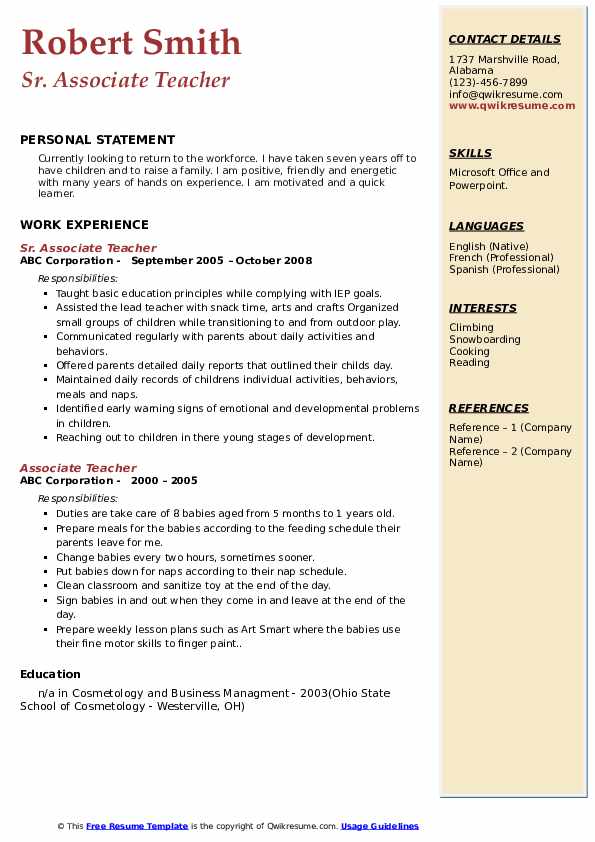
The Role and Its Financial Foundations
An associate teacher’s contribution extends beyond the classroom dynamics; it’s a role with clear financial underpinnings that shape an individual’s career trajectory and personal financial planning.
Defining the Associate Teacher Position
At its core, an associate teacher provides direct support to a lead classroom teacher, contributing to student instruction, classroom management, and the overall learning environment. Responsibilities can range from one-on-one student tutoring, small group instruction, preparing classroom materials, supervising students, and assisting with administrative tasks. The specific duties often depend on the school level (elementary, middle, high school), the subject area, and the needs of students, particularly those with special educational requirements.
From a financial perspective, the educational requirements for an associate teacher are typically less stringent than those for a fully certified lead teacher. Often, an associate’s degree, a certain number of college credits, or passing a paraprofessional exam is sufficient. This lower barrier to entry translates into reduced immediate educational costs for aspiring educators, making it a financially accessible starting point into the profession. The pragmatic nature of the role also means that individuals can gain invaluable, paid classroom experience while potentially continuing their own education, thus deferring the larger financial investment of a bachelor’s degree and full teaching certification.
Compensation Structure and Earning Potential
The compensation for an associate teacher varies significantly based on several key factors, directly impacting an individual’s personal finance strategy.
- Salary vs. Hourly Wages: Many associate teachers, particularly in public school districts, are paid an hourly wage, often ranging from $15 to $25 per hour, depending on the region and specific district budget. In contrast, some private institutions or full-time support roles may offer a fixed annual salary, which can provide more predictable income for budgeting.
- Factors Influencing Pay:
- Geographic Location: Urban and affluent districts typically offer higher pay scales due to higher cost of living and greater tax bases.
- Experience: Longevity in the role and a proven track record of effectiveness can lead to incremental pay increases.
- Educational Attainment: While not always required, possessing a bachelor’s degree or specialized certifications (e.g., in special education assistance) can command higher wages.
- Type of School: Public school districts generally have more standardized pay scales and often provide robust benefits. Private schools can have more variable compensation, sometimes offering higher pay for specific skills or less for others, depending on their financial models.
- Career Progression and Financial Incentives: While associate teacher salaries are generally lower than lead teacher salaries (which can range from $45,000 to $80,000+ annually), the role serves as a critical financial stepping stone. Gaining practical experience often qualifies individuals for higher-paying positions within the education system, making the initial investment in time at this level a sound financial decision for long-term career growth and increased earning potential.
Career Pathway as a Financial Investment
Viewing the associate teacher role through a financial lens reveals it as a strategic investment in one’s career capital, offering tangible returns in professional development and future earning capacity.
Stepping Stone to a Higher Earning Potential
For many, the associate teacher position is not an endpoint but a deliberate financial and professional strategy. It allows individuals to accumulate essential classroom experience, refine pedagogical skills, and confirm their passion for teaching before committing to the extensive educational and financial outlay required for full certification. This practical experience is highly valued by hiring committees for full-time teaching positions, often shortening the learning curve and accelerating career progression into higher-paying roles like lead teacher, department head, or instructional coach. By earning an income while gaining this experience, aspiring educators can mitigate the financial burden typically associated with career changes or professional development.
Educational Investment and ROI
The return on investment (ROI) for becoming an associate teacher can be significant. By starting in this role, individuals can:
- Reduce Immediate Educational Costs: Instead of immediately enrolling in an expensive master’s or post-baccalaureate certification program, one can work as an associate teacher, often requiring only an associate’s degree or a paraprofessional certification. This allows for a more staggered and manageable educational expenditure.
- Leverage Employer Support: Many school districts offer tuition reimbursement programs or professional development stipends for associate teachers who are pursuing full certification. This direct financial support can substantially lower the out-of-pocket costs for advanced degrees, directly increasing the net financial gain from their educational investment.
- Increase Earning Capacity While Learning: The ability to work and earn while pursuing further education is a powerful financial advantage. It means less reliance on student loans or personal savings, making the path to full certification more sustainable and less financially burdensome.
Benefits and Financial Perks
Beyond the base salary, associate teachers often have access to a suite of benefits that contribute significantly to their overall financial well-being:
- Health Insurance: Access to comprehensive medical, dental, and vision insurance plans, often subsidized by the employer, can represent substantial savings compared to purchasing individual plans.
- Retirement Plans: Public school employees, including associate teachers, typically participate in robust state pension plans or 403(b) retirement savings accounts, providing a vital component for long-term financial security. Employer contributions to these plans effectively increase the total compensation package.
- Paid Time Off: Paid holidays, sick days, and personal days are common, providing financial stability during periods away from work. School holidays, which align with academic calendars, can also offer extended periods of time off, though often unpaid for hourly staff, it can provide flexibility for other income-generating activities or personal pursuits.
- Professional Development: Opportunities for free or subsidized training, workshops, and conferences not only enhance skills but also contribute to an individual’s future earning potential and career advancement, representing an investment in human capital.

Associate Teaching for Financial Flexibility and Growth
The associate teacher role can also be strategically utilized for financial flexibility, offering avenues for supplemental income and providing a stable base for effective personal financial management.
Exploring Part-Time and Supplemental Income Opportunities
For individuals not seeking a full-time lead teaching position, or those looking to supplement their income, associate teacher roles can be ideal:
- Part-Time Opportunities: Many positions are part-time, allowing individuals to combine this work with other jobs, family responsibilities, or further education. This flexibility can be particularly attractive for those seeking to balance work with other life commitments without sacrificing a steady income stream.
- Side Hustle Potential: The skills gained as an associate teacher, such as tutoring, classroom management, and instructional support, are highly transferable to other education-related side hustles. Tutoring students privately, developing educational materials, or working in summer camps can significantly boost overall earnings.
- Career Transition: For those looking to transition into education from another field, working as an associate teacher provides a low-risk way to gain experience and assess compatibility with the profession before making a full financial commitment to a new career path.
Budgeting and Financial Planning for Associate Teachers
Effective financial planning is crucial for associate teachers to maximize their income and benefits:
- Income Management: For those on hourly wages, understanding the variability of income due to school breaks or varying assignments is key. Creating a budget that accounts for these fluctuations can help maintain financial stability.
- Student Loan Management: If pursuing further education, exploring income-driven repayment plans for student loans or utilizing employer tuition benefits can significantly ease financial pressure.
- Saving Strategies: Even with an entry-level salary, establishing an emergency fund, contributing to retirement accounts (especially if there’s an employer match), and setting specific financial goals (e.g., saving for a down payment, a car, or future education) is vital for long-term financial health.
Negotiating Your Worth and Advancement
While entry-level positions might have less room for negotiation, associate teachers can still enhance their financial standing:
- Highlighting Qualifications: Individuals with specialized skills (e.g., second language proficiency, experience with specific technologies, special education background) should highlight these during the hiring process to potentially negotiate a higher starting wage or specialized assignments that may come with additional pay.
- Performance-Based Increases: Demonstrating exceptional performance, taking on additional responsibilities, or contributing significantly to school initiatives can be leveraged during performance reviews to advocate for salary increases or opportunities for advancement into higher-paying roles.
- Understanding Pay Scales: Familiarizing oneself with the school district’s or institution’s pay scales and advancement structures can help chart a clear financial progression path and anticipate future earning potential.
Long-Term Financial Outlook and Career Stability
Beyond immediate income, the associate teacher role contributes to a long-term financial strategy through job stability and diverse opportunities within the resilient education sector.
Stability in the Education Sector
The demand for qualified educators and support staff remains relatively stable, irrespective of economic fluctuations. This inherent job security translates into a more predictable income stream and greater ease in long-term financial planning compared to more volatile industries. The consistent demand for associate teachers, particularly those specializing in high-need areas like special education or bilingual instruction, offers a reliable career path.
Diversifying Income Streams Within Education
Experience as an associate teacher opens doors to multiple income streams beyond the primary role:
- Private Tutoring: Associate teachers possess practical teaching skills directly applicable to private tutoring, a lucrative side hustle.
- Summer Programs: Many schools and community organizations hire associate teachers for summer school programs, camps, and extended learning initiatives, providing income during school breaks.
- Curriculum Development: With experience, associate teachers can contribute to or develop educational materials, which can be an additional source of income or lead to specialized roles.

The Full Financial Picture: Beyond the Paycheck
While salary is a critical component, the financial benefits of being an associate teacher extend beyond the immediate paycheck. The role often aligns with school schedules, providing consistent work-life balance that can reduce stress and associated healthcare costs. The inherent professional fulfillment derived from contributing to student growth and community well-being, while not directly monetary, contributes significantly to overall quality of life and job satisfaction, which indirectly impacts financial well-being by fostering loyalty and long-term commitment to a stable career. Ultimately, for those seeking a practical entry point into education, a means to supplement income, or a clear pathway to higher-earning teaching careers, the associate teacher role represents a financially sound and strategically viable option.
aViewFromTheCave is a participant in the Amazon Services LLC Associates Program, an affiliate advertising program designed to provide a means for sites to earn advertising fees by advertising and linking to Amazon.com. Amazon, the Amazon logo, AmazonSupply, and the AmazonSupply logo are trademarks of Amazon.com, Inc. or its affiliates. As an Amazon Associate we earn affiliate commissions from qualifying purchases.