
An anniversary ring, at its core, is a piece of jewelry specifically acquired and gifted to commemorate a significant milestone in a relationship, typically a marriage. While its sentimental value is paramount, understanding an anniversary ring from a financial perspective reveals it as a significant expenditure, a potential asset, and a decision requiring careful personal finance planning. It differs from an engagement ring or wedding band in its timing and purpose, often marking years of shared life rather than the beginning of a union. Financially, it represents a conscious allocation of capital towards a luxury item, making it imperative for individuals to approach its acquisition with the same fiscal prudence applied to other major life purchases.
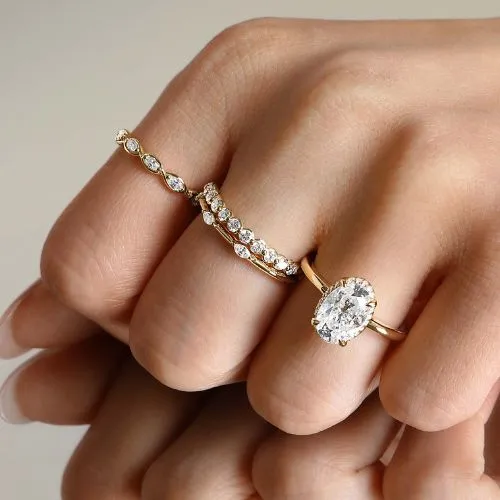
The Financial Significance of an Anniversary Ring
Beyond its emotional weight, an anniversary ring carries tangible financial implications. For many, it’s one of the larger discretionary purchases made, necessitating forethought regarding budgeting, asset management, and potential long-term value. This isn’t merely a fleeting expense; it’s a decision that impacts personal cash flow and, potentially, one’s net worth.
More Than a Gem: An Asset Perspective
While not traditionally viewed as a primary investment vehicle like stocks or real estate, a high-quality anniversary ring does possess characteristics of a tangible asset. Composed of precious metals (gold, platinum) and often featuring valuable gemstones (diamonds, sapphires, rubies), its intrinsic material value can be substantial. Understanding this asset dimension involves recognizing that while retail markup often means immediate depreciation upon purchase, the underlying materials retain value, particularly in inflationary environments. For estate planning or wealth transfer, a meticulously documented and well-maintained anniversary ring can represent a significant component of personal assets. Its value retention is heavily influenced by the quality of its components, market demand for specific stones or designs, and the global price fluctuations of precious metals. A financially astute approach considers the potential for this item to hold or even appreciate in intrinsic value over a very long term, rather than solely focusing on its initial retail price.
Navigating the Budget: A Prudent Approach
The decision to purchase an anniversary ring should be firmly rooted in a realistic assessment of one’s personal finances. Unlike essential expenditures, this is a discretionary purchase, and its cost can vary dramatically. A prudent approach involves setting a dedicated budget that aligns with current income, savings, and financial goals, without compromising financial stability or hindering progress towards other critical objectives like retirement savings or debt reduction. This often means planning months, if not years, in advance, allowing for systematic savings rather than resorting to high-interest financing. Couples might consider discussing this budget openly, ensuring mutual agreement on the financial commitment. Factors such as the number of years being celebrated, personal financial comfort levels, and other competing financial priorities all play a role in determining an appropriate and sustainable budget for such a significant purchase.
Understanding the Cost Spectrum and Value Drivers
The price of an anniversary ring can range from hundreds to tens of thousands of dollars, making it crucial to understand the primary factors that drive these costs. Each element contributes to the overall financial outlay and potential long-term value.
Factors Influencing Price: The 4 Cs and Beyond
For diamond anniversary rings, the “4 Cs” (Carat, Cut, Color, Clarity) are the foremost determinants of value and, consequently, price.
- Carat: This refers to the diamond’s weight, not its size. Higher carat weight diamonds are rarer and exponentially more expensive. A single large diamond often costs more than several smaller diamonds totaling the same carat weight, due to this rarity premium.
- Cut: The quality of a diamond’s cut dictates its brilliance, fire, and sparkle. A superior cut, even on a smaller diamond, can make it appear larger and more vibrant, thus commanding a higher price for its aesthetic and optical performance.
- Color: Diamonds are graded on a scale from D (colorless) to Z (light yellow or brown). Colorless diamonds are the most valuable and expensive. Subtle differences in color can translate to significant price variations.
- Clarity: This measures the absence of inclusions (internal flaws) and blemishes (external flaws). Flawless diamonds are exceedingly rare and expensive; most diamonds have some minor inclusions that may or may not be visible to the naked eye. The fewer and less noticeable the flaws, the higher the price.
Beyond diamonds, other gemstones like rubies, sapphires, and emeralds also have their own value drivers, including rarity, intensity of color, size, and origin. The certification of gemstones by reputable laboratories (e.g., GIA, AGS) adds to the transparency and perceived value, often at an additional cost, but provides a crucial layer of financial assurance regarding the gem’s quality.
Metal Choices and Their Financial Implications
The choice of metal for an anniversary ring significantly impacts its overall cost and durability.
- Gold (14k, 18k, 24k): Gold is a popular choice, with its price varying based on its purity (karatage). 24k is pure gold but too soft for jewelry, so it’s alloyed with other metals. 18k gold contains 75% pure gold, making it more expensive than 14k gold (58.3% pure gold). Different colors (yellow, white, rose) are achieved through varying metal alloys, but the gold content is the primary price driver.
- Platinum: Platinum is a naturally white, dense, and durable metal. It is significantly rarer and often more expensive than gold, both per gram and in finished jewelry, due to its density and higher melting point, which makes it more challenging to work with. It’s also hypoallergenic, adding to its appeal and sometimes its premium.
- Palladium: A member of the platinum group, palladium is also naturally white, lighter, and historically less expensive than platinum, though its price can fluctuate dramatically.
- Other Metals: While less common for anniversary rings, options like sterling silver are considerably more affordable but lack the durability and perceived value of gold or platinum for such a significant piece.
The choice of metal should balance aesthetic preference with budget and long-term maintenance considerations, as some metals require more frequent polishing or re-plating (like white gold).
Customization vs. Ready-Made: Cost-Benefit Analysis
Deciding between a ready-made anniversary ring and a custom-designed piece involves a financial trade-off.
- Ready-Made: Purchasing a ring off the shelf typically offers a more predictable price point and immediate acquisition. Jewelers can often offer competitive pricing due to economies of scale in manufacturing and bulk purchasing of components. This option is generally more budget-friendly and allows for easier comparison shopping.
- Custom-Designed: A custom ring allows for unique personalization, but this individuality often comes at a higher cost. The process involves design fees, specialized labor for crafting a one-of-a-kind piece, and potentially sourcing specific, rarer materials. While it can result in a deeply personal and unique item, the financial outlay is generally greater, and the lead time for creation is longer. From an asset perspective, a truly unique custom design might hold specific personal value but might not command a higher resale value than a classic design, unless it features exceptionally rare or high-quality components. A careful cost-benefit analysis is essential here, weighing the emotional value of uniqueness against the increased financial investment.
Financing Your Milestone: Options and Considerations
Acquiring an anniversary ring represents a significant financial commitment. How one chooses to finance this purchase can have lasting impacts on personal financial health. Strategic planning is key to ensuring the celebration doesn’t become a financial burden.
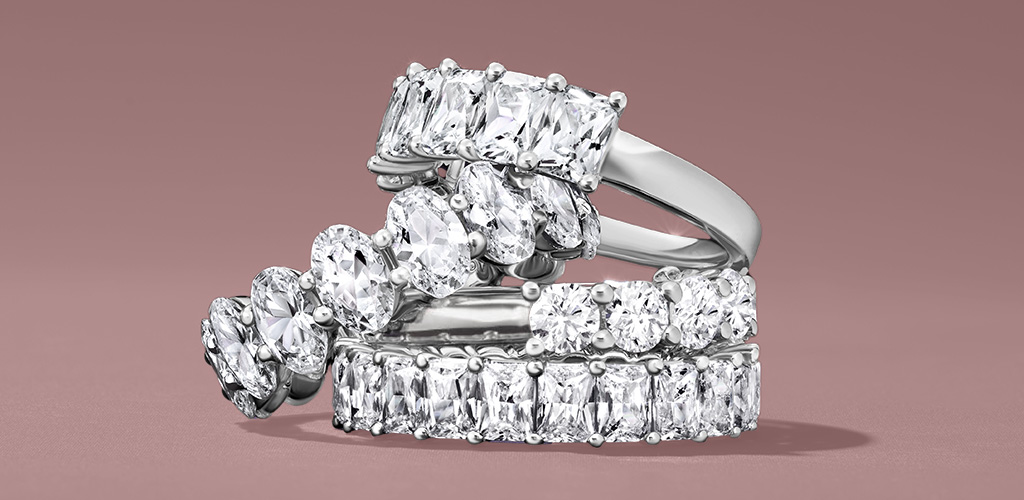
Saving Strategies for High-Value Purchases
The most financially sound approach to buying an anniversary ring is to save for it in advance. This avoids interest charges and allows for a more informed decision without the pressure of immediate payment.
- Dedicated Savings Account: Establish a separate savings account specifically for this purpose. Automate monthly transfers from your checking account to this savings account, treating it like a bill.
- Set Clear Milestones: Break down the total target amount into smaller, manageable savings goals over a realistic timeline.
- Prioritize and Adjust Spending: Temporarily reallocate discretionary spending (e.g., dining out, entertainment) to accelerate savings.
- Windfalls: Consider directing bonuses, tax refunds, or other unexpected income towards your anniversary ring fund.
By saving proactively, you maintain financial flexibility and prevent the purchase from impinging on other financial priorities or incurring unnecessary debt.
Evaluating Payment Plans and Credit Options
Should saving the full amount beforehand not be feasible, or if an unexpected opportunity arises, various financing options exist, each with its own financial considerations.
- Jeweler-Specific Payment Plans: Many jewelers offer interest-free financing for a set period (e.g., 6, 12, 18 months). These can be attractive if you are confident you can pay off the full balance before the promotional period ends, thereby avoiding deferred interest charges which can be substantial. Always read the fine print regarding interest rates applied if the balance isn’t paid off.
- Personal Loans: A personal loan from a bank or credit union might offer a lower, fixed interest rate compared to credit cards, particularly for individuals with strong credit scores. This provides a structured repayment schedule.
- Credit Cards: Using a credit card for an anniversary ring purchase can be viable if you have a card with a 0% introductory APR offer and are certain you can pay off the entire balance within that promotional period. Otherwise, high credit card interest rates can dramatically inflate the actual cost of the ring. Avoid carrying a balance on high-interest credit cards for luxury purchases.
- Layaway Plans: Some jewelers offer layaway, where you make regular payments over time, and the item is held until fully paid. While it avoids interest, you don’t receive the item until the final payment, and typically, payments are non-refundable if you don’t complete the purchase.
Always compare interest rates, fees, repayment terms, and potential penalties across all available options before committing. A thorough understanding of the total cost of borrowing is paramount.
Insuring Your Investment: Protecting Financial Value
Given the significant financial outlay for an anniversary ring, insuring it is a critical step in protecting your investment. This safeguards against loss, theft, or damage, preserving its financial value.
- Homeowner’s/Renter’s Insurance Rider: Many standard homeowner’s or renter’s insurance policies have limited coverage for valuable items like jewelry. You will typically need to add a “rider” or “floater” specifically for the ring. This usually requires an appraisal to establish the item’s value and often covers more scenarios than standard policy limits.
- Specialized Jewelry Insurance: Companies specializing in jewelry insurance offer comprehensive policies designed specifically for valuable pieces. These often provide broader coverage, sometimes including loss due to mysterious disappearance, and may have lower deductibles.
- Appraisal: A professional appraisal is almost always required by insurance companies to determine the ring’s current market value. This should be updated every few years, as market prices for precious metals and gemstones can fluctuate.
- Documentation: Keep all purchase receipts, diamond certificates, and appraisal documents in a secure place. These are vital for insurance claims and for verifying the ring’s authenticity and value.
The cost of insurance is a small annual premium compared to the potential financial loss of an uninsured valuable item. It’s a prudent financial decision that adds peace of mind.
The Long-Term Financial Perspective
An anniversary ring, as a tangible asset, holds a long-term financial dimension that extends beyond its initial purchase. Understanding its potential for resale, ongoing maintenance costs, and role in a financial legacy adds another layer to its overall financial analysis.
Resale Value and Asset Liquidity
The resale value of an anniversary ring is a complex aspect of its financial profile. Unlike real estate or stocks, jewelry typically depreciates significantly from its retail purchase price due to substantial retail markups and the nature of the secondary market. A ring sold shortly after purchase might only recoup a fraction of its original cost.
However, factors that can positively influence resale value include:
- High-Quality Components: Rings with certified, high-grade diamonds, precious gemstones, and substantial amounts of platinum or high-karat gold tend to retain more of their intrinsic material value.
- Classic Designs: Timeless designs often fare better on the secondary market than highly fashionable or niche styles.
- Brand Recognition: While less impactful than component quality, rings from prestigious jewelry houses can sometimes command a slight premium due to brand equity.
- Market Conditions: The fluctuating prices of gold, platinum, and diamonds globally will impact resale offers.
Liquidity for jewelry isn’t as high as for cash or easily traded assets. Selling an anniversary ring typically involves going through jewelers, pawn shops, or online consignment platforms, all of which will offer below-market prices to ensure their profit margin. Understanding this reality is crucial for managing financial expectations regarding the ring as an asset.
Maintenance Costs and Longevity
The financial commitment to an anniversary ring doesn’t end with its purchase; ongoing maintenance is necessary to preserve its beauty and structural integrity, thus protecting its value.
- Cleaning and Polishing: Regular professional cleaning (often free from the purchasing jeweler) helps maintain the ring’s luster.
- Repairs: Prongs can wear down, stones can loosen, and bands can scratch or dent. Periodic inspections and timely repairs (e.g., re-tipping prongs, replacing lost small stones) are essential to prevent further damage and more costly repairs down the line.
- Re-plating: White gold rings are typically rhodium-plated to enhance their bright white appearance. This plating wears off over time, requiring re-plating every 1-3 years at a cost.
- Appraisals: As mentioned earlier, updated appraisals every few years are a financial consideration for insurance purposes and to accurately track asset value.
These maintenance costs, while minor individually, accumulate over decades and should be factored into the overall long-term financial commitment. Neglecting maintenance can lead to irreversible damage or loss of components, significantly diminishing the ring’s value.
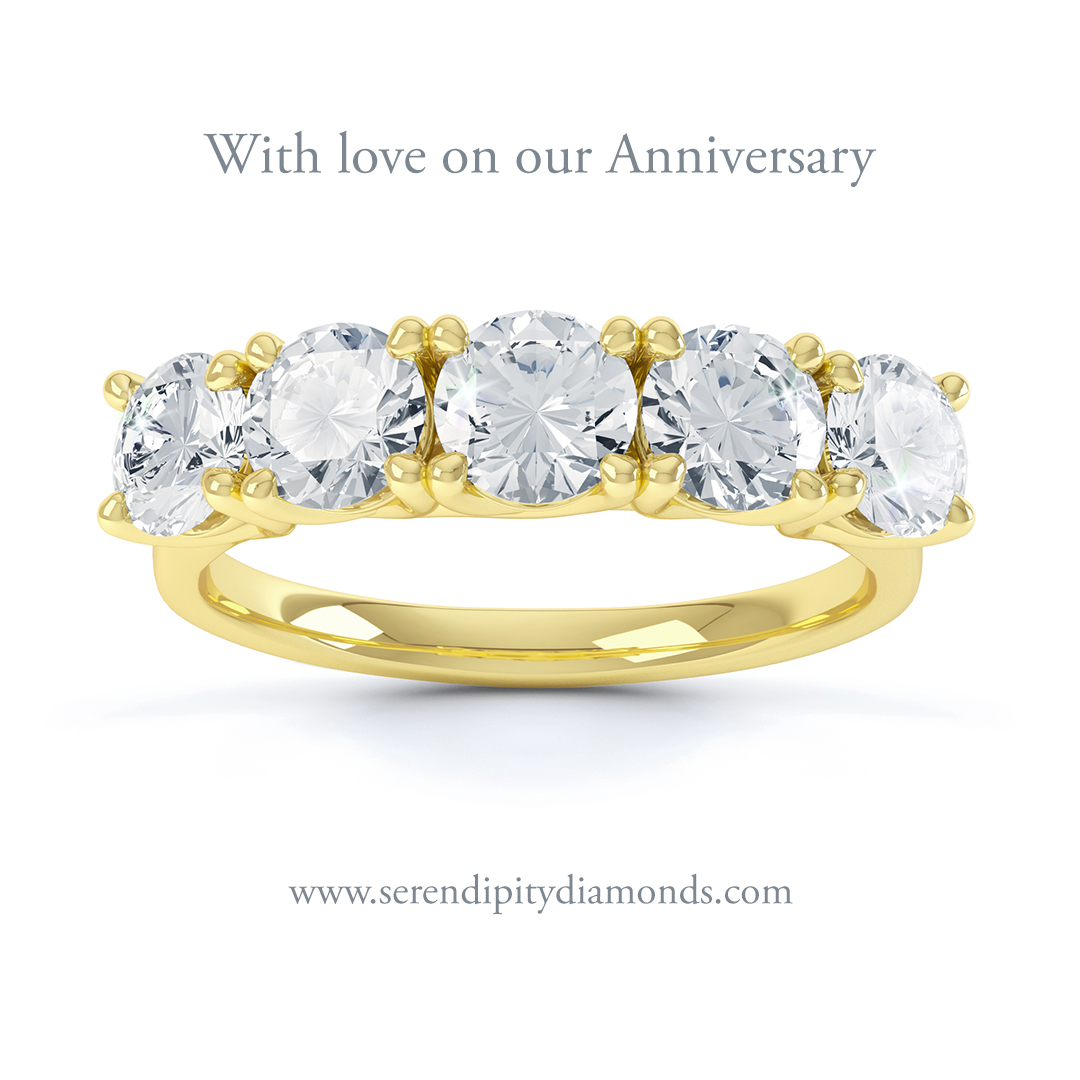
A Financial Legacy: Passing Down Value
For many families, an anniversary ring transcends its immediate financial worth to become a cherished heirloom, embodying a financial and sentimental legacy. From a financial perspective, passing down an anniversary ring can represent a tax-efficient way to transfer a valuable asset. The sentimental value often overshadows its market price at this stage, but the intrinsic financial worth remains.
- Estate Planning: Incorporating valuable jewelry into estate plans ensures its intended recipient and avoids potential disputes. Professional appraisals are critical for accurate valuation in estate planning.
- Family Trust: Placing significant jewelry into a family trust can manage its ownership and care across generations.
- Documenting Provenance: Keeping detailed records of the ring’s purchase, appraisals, and any significant repairs enhances its long-term financial and historical value as it passes through the family.
In this context, the initial financial outlay for an anniversary ring transforms into an enduring asset that can carry both economic and deeply personal significance through multiple generations, cementing its place as a unique item in personal finance.
aViewFromTheCave is a participant in the Amazon Services LLC Associates Program, an affiliate advertising program designed to provide a means for sites to earn advertising fees by advertising and linking to Amazon.com. Amazon, the Amazon logo, AmazonSupply, and the AmazonSupply logo are trademarks of Amazon.com, Inc. or its affiliates. As an Amazon Associate we earn affiliate commissions from qualifying purchases.