
The abaya, often perceived as a simple garment, holds a profound and multifaceted identity that transcends its basic function as an outer covering. In the realm of branding, it is a powerful symbol, a canvas for design innovation, and a product with a distinctive market presence. Understanding “what is abaya” from a branding perspective requires delving into its core identity, its evolving design language, its strategic positioning in the global market, and its role in personal expression. Far from being a uniform, the abaya is a dynamic entity, shaped by tradition, design acumen, and the aspirations of its wearers and creators.

The Abaya’s Enduring Identity: A Fusion of Modesty and Cultural Significance
At its heart, the abaya is an outer garment worn by women in many parts of the Muslim world, primarily in the Arabian Peninsula and North Africa. Its foundational identity is deeply rooted in principles of modesty, privacy, and spiritual devotion, reflecting cultural and religious values that have been upheld for centuries. Traditionally, it is a loose-fitting, cloak-like dress, often black, designed to cover the entire body except for the face, hands, and feet. This core form factor and purpose are the bedrock of its brand identity, a constant against which all variations and innovations are measured.
The significance of the abaya extends beyond mere fabric; it is a visible manifestation of cultural heritage and a testament to the wearer’s adherence to a particular set of values. This deep cultural anchoring provides an intrinsic brand equity that is both powerful and complex. Unlike a conventional product whose brand is built from scratch through marketing, the abaya carries a pre-existing cultural narrative. This narrative, rich with history and meaning, informs every design decision and market strategy. Its identity is thus less about a single corporate entity and more about a collective cultural understanding, an identity that resonates profoundly with its target demographic while simultaneously serving as an identifier to the wider world. The challenge for any brand engaging with abayas is to respect and leverage this inherent cultural identity while introducing elements that speak to modernity and individual expression, without diluting its core essence.
Design as a Brand Statement: Evolution and Aesthetics
While the traditional abaya emphasizes simplicity and uniformity, its design has undergone a significant evolution, transforming it into a versatile garment that makes a distinct brand statement. Modern abayas are far from monolithic; they represent a spectrum of styles, cuts, and embellishments, each contributing to a unique aesthetic identity. This evolution mirrors the broader trends in fashion branding, where product design is paramount in conveying a brand’s ethos and appeal.
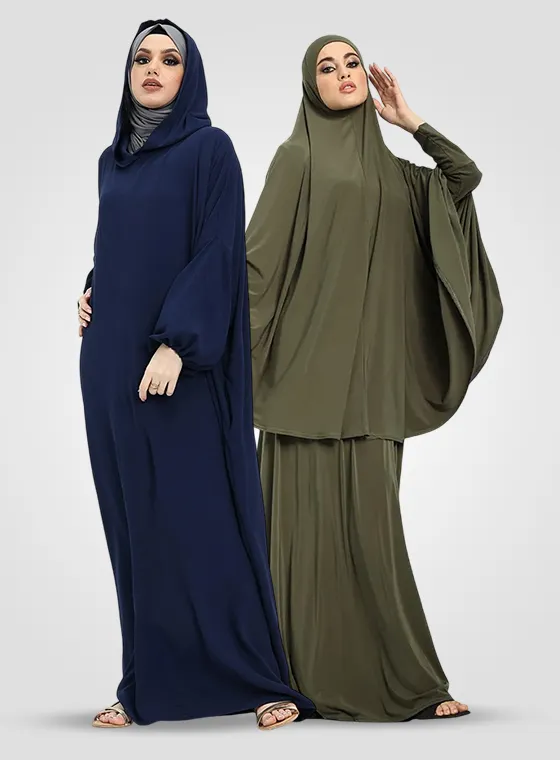
Designers have masterfully experimented with silhouettes, moving beyond the traditional A-line to incorporate contemporary cuts such as kimonos, butterfly sleeves, and tailored fits that flatter diverse body shapes. Fabric selection, once limited, now includes a luxurious array of materials like silk, crepe, chiffon, linen, and even denim, each chosen for its drape, texture, and how it contributes to the garment’s overall look and feel. The choice of material often communicates a brand’s positioning—a silk abaya suggests luxury and elegance, while a linen one might convey comfort and everyday practicality.
Furthermore, embellishments have become key differentiators, functioning almost as design ‘logos’ that signal a brand’s unique touch. Intricate embroidery, delicate lacework, crystal applications, beadwork, and carefully placed appliques transform a simple abaya into a work of art. These details are not merely decorative; they are integral to the garment’s brand identity, allowing designers to inject personality, modernity, and a sense of bespoke craftsmanship. The fusion of traditional modesty with contemporary design elements creates a powerful visual brand language that appeals to a diverse demographic, from those seeking understated elegance to those desiring bold fashion statements. The careful balance between honoring tradition and embracing innovation is a testament to the dynamic nature of abaya design as a potent branding tool.
The Abaya Market: Brand Strategy and Global Reach
The abaya, once a niche product, has burgeoned into a significant segment within the global modest fashion industry, demanding sophisticated brand strategies and market positioning. This expansion reflects a growing recognition of its cultural significance and its potential as a fashion item. Brands specializing in abayas employ diverse strategies to carve out their market share, ranging from high-end luxury labels to accessible ready-to-wear collections, all while navigating the complexities of cultural authenticity and modern appeal.
Luxury abaya brands often focus on exclusivity, bespoke services, and premium materials, positioning themselves at the zenith of the market. Their brand strategy emphasizes craftsmanship, limited editions, and collaboration with renowned designers, akin to haute couture houses. These brands build their identity around heritage, meticulous detail, and a clientele seeking unique, high-quality pieces that convey status and refined taste. Their marketing often leverages aspirational imagery and targets discerning consumers with significant purchasing power.
Conversely, mainstream and fast fashion brands cater to a broader audience, focusing on affordability, trend responsiveness, and variety. Their strategy revolves around mass production, efficient supply chains, and frequent new collections to keep pace with evolving tastes. These brands strive to make the abaya accessible and fashionable for everyday wear, emphasizing comfort, practicality, and current aesthetic trends. Digital marketing, particularly through social media influencers and e-commerce platforms, plays a crucial role in reaching their diverse consumer base and communicating their brand’s value proposition.
The global reach of the abaya market has also led to fascinating regional adaptations and brand localizations. An abaya designed for the GCC market might differ significantly in style, embellishment, and even material from one tailored for Southeast Asian or Western markets. Brands that succeed internationally understand the nuances of these cultural preferences, adapting their designs and marketing messages to resonate locally while maintaining a cohesive global brand identity. This strategic segmentation and cultural sensitivity are vital for effective brand building and sustained growth in the dynamic abaya market.
Personal Branding and the Abaya: An Expression of Identity
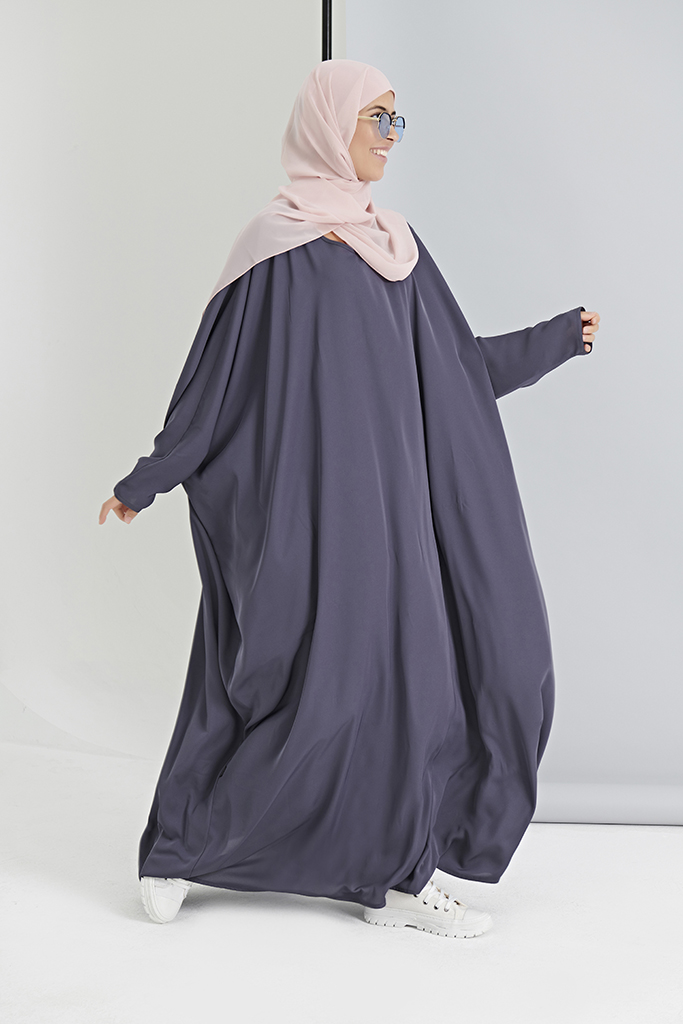
Beyond corporate or designer brands, the abaya serves as a powerful instrument for personal branding, allowing individual wearers to express their unique identity, values, and style within a framework of cultural and religious significance. For many women, choosing an abaya is a deliberate act of self-expression, a way to project a carefully curated image to the world. This personal branding aspect highlights the garment’s versatility and its capacity to transcend a singular, prescriptive meaning.
Women meticulously select abayas that align with their personal aesthetic, whether it’s minimalist elegance, vibrant modernism, or classic sophistication. The choice of color, fabric, cut, and accessories transforms the abaya from a mere covering into a reflection of one’s personality. A woman might opt for a sharply tailored abaya for a professional setting, conveying competence and seriousness, or a flowing, intricately embroidered one for a social gathering, signaling grace and artistic appreciation. This conscious selection process mirrors how individuals use fashion in general to communicate aspects of their identity—their confidence, creativity, or adherence to certain subcultures.
In the age of social media, the abaya’s role in personal branding has amplified. Influencers and everyday women alike showcase their abaya styles, mixing traditional garments with contemporary fashion accessories, creating unique looks that inspire others. This digital landscape has fostered a community where modest fashion is celebrated, and individual interpretations of the abaya contribute to a richer, more diverse narrative of Muslim women’s identities. Through these personal choices and public displays, the abaya becomes more than just clothing; it becomes a statement, a reflection of individual agency, and a powerful tool for personal branding that navigates tradition and modernity with grace and style.
aViewFromTheCave is a participant in the Amazon Services LLC Associates Program, an affiliate advertising program designed to provide a means for sites to earn advertising fees by advertising and linking to Amazon.com. Amazon, the Amazon logo, AmazonSupply, and the AmazonSupply logo are trademarks of Amazon.com, Inc. or its affiliates. As an Amazon Associate we earn affiliate commissions from qualifying purchases.