
For anyone considering entering the short-term rental market or already operating a property on Vrbo, understanding the intricacies of host fees is paramount to financial success. These fees directly impact your profitability, cash flow, and overall investment return. A Vrbo host fee is essentially the charge levied by the platform on property owners or managers for utilizing their services to list, market, and manage bookings for vacation rentals. Unlike some other platforms that may primarily charge guests, Vrbo has a distinct fee structure that directly affects the host’s earnings, making it a critical component of your financial planning.
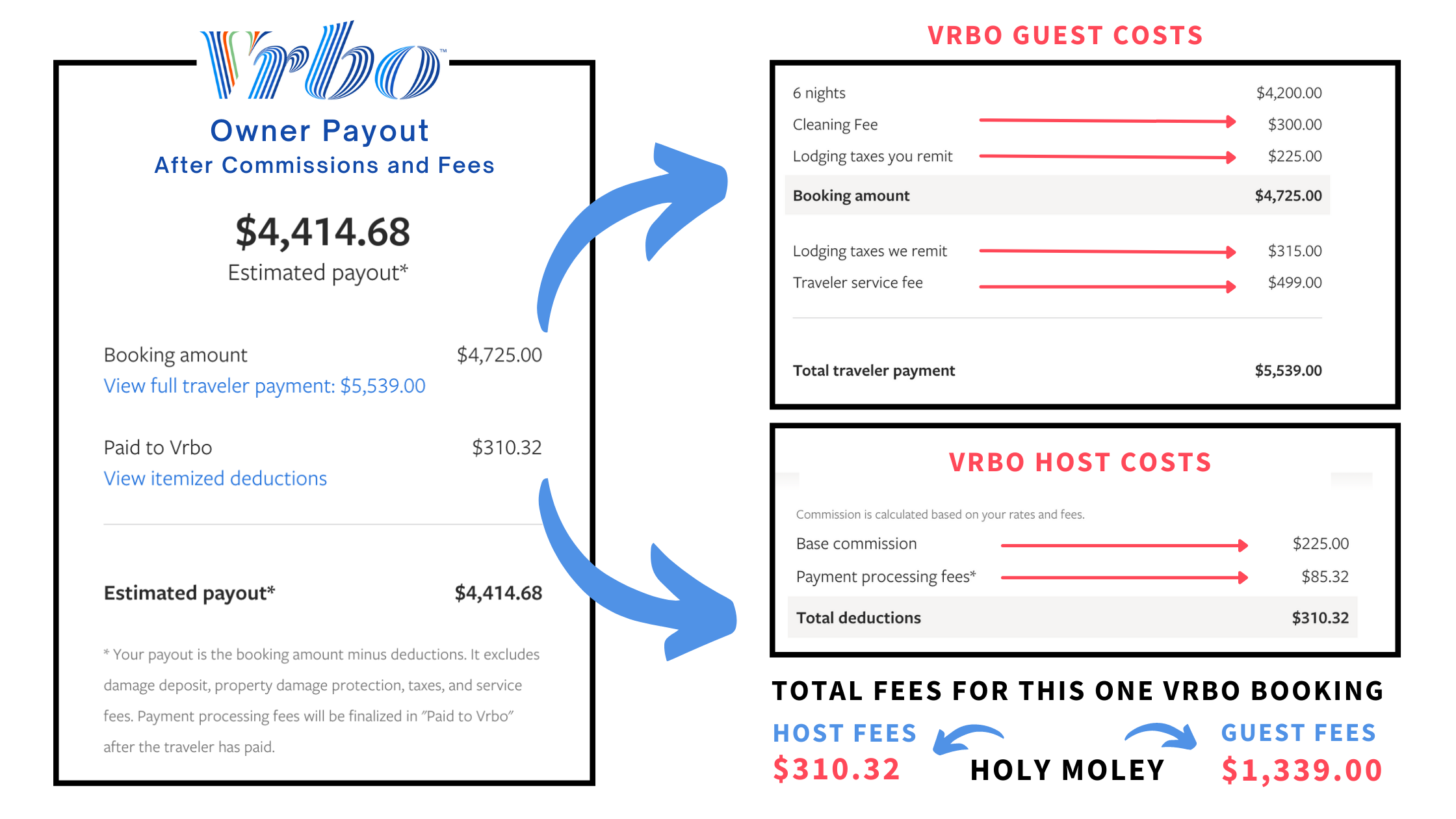
Navigating these charges requires a clear understanding of the models available, how they are calculated, and what other financial implications might arise. This knowledge empowers hosts to make informed decisions, optimize their pricing strategies, and ultimately enhance their net income from their rental properties. From understanding the percentage taken to factoring in payment processing charges, every detail contributes to the overarching financial picture of your Vrbo enterprise.
Understanding Vrbo’s Fee Structure for Hosts
Vrbo, like most online travel agencies (OTAs), implements a fee structure to sustain its operations, cover marketing costs, and provide essential services such as secure payment processing, customer support, and platform maintenance. For hosts, these fees are a direct cost of doing business, and understanding them is the first step toward accurate financial forecasting. Vrbo offers hosts two primary payment models, each with distinct financial implications.
The Two Primary Fee Models
Vrbo provides hosts with a choice between a subscription-based model and a commission-based (pay-per-booking) model. The optimal choice often depends on the host’s financial strategy, booking volume expectations, and the nature of their rental property.
- Commission-Based (Pay-Per-Booking) Model: This is the most common and often preferred model for hosts who are starting out or have properties with seasonal or unpredictable booking patterns. Under this model, hosts pay a percentage of each booking they receive through the Vrbo platform. This means you only incur a fee when your property generates income, offering a degree of financial flexibility and reduced upfront costs.
- Subscription-Based Model: This model involves an annual upfront payment regardless of how many bookings you receive. It’s typically favored by hosts with high booking volumes and consistent occupancy rates, as it can lead to lower overall fee percentages compared to the commission model once a certain revenue threshold is met.
Each model has its own financial advantages and disadvantages, necessitating a careful evaluation based on your specific operational context and financial projections.
How the Commission-Based Model Works
The commission-based model is straightforward: Vrbo charges a percentage of the total rental amount for each booking. This percentage typically ranges from 5% to 8% of the booking subtotal, which includes the rental rate and any additional fees charged to the guest, such as cleaning fees. It’s crucial to note that this percentage is applied to the entire amount collected from the guest before any taxes or Vrbo’s own guest service fees are deducted.
In addition to the commission percentage, hosts using this model are also subject to a 3% payment processing fee. This fee is levied on the total amount collected from the guest, covering the costs associated with processing credit card transactions and ensuring secure financial transfers. Therefore, when calculating your net income per booking, you must account for both the commission percentage and the payment processing fee. For example, a $1,000 booking might incur a $50-$80 commission and an additional $30 payment processing fee, totaling $80-$110 in Vrbo-related charges. This structure makes it easy for new hosts to get started without a large initial financial commitment, as fees are only incurred when revenue is generated.
How the Subscription-Based Model Works
For hosts who anticipate consistent, high-volume bookings, the subscription-based model can present a more financially attractive option. Under this model, hosts pay an annual fee, typically around $499 per year, to list their property on Vrbo. Once this annual fee is paid, hosts are generally only subject to the 3% payment processing fee on each booking. The standard commission percentage is waived, leading to potentially significant savings on higher revenue streams.
To determine if the subscription model is financially advantageous, hosts should calculate their projected annual revenue and compare the total fees under both models. For instance, if a host expects to generate $15,000 in rental income annually, paying a 5% commission would result in $750 in commission fees, plus processing fees. If the subscription fee is $499, the host would save $251 in commission fees, making the subscription model more profitable, assuming the processing fees remain constant. This model is particularly beneficial for full-time operators or those managing multiple properties, as it can simplify budgeting and lead to higher profit margins on a per-booking basis once the initial subscription cost is covered.
Factors Influencing Host Fees and Payouts
Understanding the basic fee structures is just the beginning. Several other factors can influence the actual amount Vrbo collects from your bookings and, consequently, your net payout. These elements range from fees charged to guests to payment processing nuances and how dynamic pricing strategies interact with the overall financial model. A comprehensive grasp of these factors is essential for accurate financial planning and maximizing your rental income.
Guest Service Fees and Their Impact
While the host fees directly impact your revenue, it’s also important to be aware of the “guest service fee” that Vrbo charges to travelers. This fee, typically between 6% and 15% of the booking subtotal (excluding taxes), is added to the guest’s total payment. While this fee is paid by the guest and does not directly come out of your advertised rental rate, it indirectly affects your property’s competitiveness and perceived value.
A high guest service fee could potentially deter some travelers, leading them to seek properties on platforms with lower overall guest costs. Financially, hosts need to consider whether their base pricing, combined with Vrbo’s guest service fee, positions their property attractively within the market. While not a direct host expense, its influence on booking demand makes it a relevant financial consideration for strategic pricing.
Dynamic Pricing and Booking Modifiers
Vrbo supports dynamic pricing strategies, which allow hosts to adjust nightly rates based on demand, seasonality, local events, and other market factors. While dynamic pricing aims to maximize revenue, it also directly impacts the calculated host fees. Since commission-based fees are a percentage of the total booking value, higher rates due to dynamic pricing will result in higher absolute fee amounts paid to Vrbo.
Similarly, booking modifiers such as discounts for longer stays or last-minute deals will reduce the total booking value, thereby reducing the absolute host fee. From a financial perspective, hosts must constantly weigh the increase in total revenue generated by dynamic pricing against the corresponding increase in fees. The goal is to optimize the net income, ensuring that pricing strategies not only attract bookings but also result in the most profitable outcome after all fees are accounted for. This requires meticulous financial analysis of various pricing scenarios.
Payment Processing and Currency Exchange
Beyond the standard 3% payment processing fee, hosts must also consider potential costs related to currency exchange if their bank account operates in a different currency than the guest’s payment or Vrbo’s default currency. While Vrbo aims to simplify international transactions, banks and payment processors may apply their own exchange rates and conversion fees, which can subtly erode your net earnings.
These small, often overlooked, financial charges can add up, particularly for hosts dealing with a high volume of international guests or managing properties in different countries. It’s financially prudent to understand the currency conversion policies of your bank and Vrbo, and to consider setting your payout currency to minimize these ancillary costs. Ensuring transparency in these financial flows helps maintain accurate income projections and avoids unexpected deductions from your payouts.
Calculating Your Vrbo Profitability
Understanding Vrbo’s fee structure is fundamental, but true financial insight comes from integrating these fees into a holistic view of your property’s profitability. This involves looking beyond just the Vrbo charges and factoring in all operating expenses to arrive at your true net income. A thorough financial assessment allows hosts to identify areas for cost reduction and revenue enhancement, ultimately boosting their return on investment.
Beyond the Listing Fee: Other Costs to Consider
While Vrbo fees are a significant operational cost, they are by no means the only ones. A comprehensive financial analysis must include all direct and indirect expenses associated with operating a short-term rental. These typically include:
- Property Mortgage/Rent: The largest fixed cost for many property owners.
- Utilities: Electricity, gas, water, internet, and cable. These can fluctuate based on occupancy and guest usage.
- Cleaning and Maintenance: Professional cleaning services after each stay, routine repairs, and general upkeep.
- Supplies: Linens, toiletries, kitchen essentials, and other consumable items provided for guests.
- Insurance: Specific short-term rental insurance policies are often required and are distinct from standard homeowner’s insurance.
- Property Taxes and HOA Fees: Recurring governmental and community charges.
- Marketing and Photography: While Vrbo provides a platform, additional professional photography or targeted marketing efforts might incur costs.
- Permits and Licenses: Local regulations often require specific permits for short-term rentals, which come with associated fees.
- Management Fees: If you employ a property manager, their fees (typically 10-25% of gross revenue) must be factored in.
Accurately tracking these expenses against your gross rental income is vital for determining your actual profitability. This approach moves beyond simple revenue calculations to reveal the true financial performance of your rental property.
Strategies to Optimize Net Income
Once all costs are identified, hosts can employ various financial strategies to optimize their net income. The goal is not just to increase bookings but to increase profitable bookings.
- Strategic Pricing: Leverage Vrbo’s dynamic pricing tools or third-party pricing software to ensure your rates are competitive yet maximize revenue. This involves analyzing local demand, seasonality, and competitor pricing to find the sweet spot that attracts guests while maintaining healthy profit margins.
- Expense Management: Regularly review all operational expenses. Can you negotiate better rates with cleaning services? Are you purchasing supplies in bulk to save money? Are utilities being managed efficiently (e.g., smart thermostats)? Small savings across multiple expense categories can significantly impact your bottom line.
- Direct Bookings (with caution): While Vrbo charges fees, it also provides significant exposure and trust. Diversifying with a direct booking website can reduce reliance on platform fees, but it requires investment in your own marketing, payment processing, and trust-building efforts. A careful financial analysis is needed to determine if the cost savings outweigh the potential loss in bookings from Vrbo’s reach.
- Optimizing Fee Models: Periodically re-evaluate whether the commission-based or subscription-based model is more financially advantageous for your property based on your current booking volume and revenue projections. As your business grows, switching models might unlock significant savings.
- Tax Planning: Understand the tax implications of your rental income and expenses. Work with a financial advisor or accountant specializing in real estate to ensure you are taking advantage of all legitimate deductions and complying with tax laws, which can significantly impact your after-tax profitability.
By diligently managing both revenue generation and expense control, Vrbo hosts can transform their property into a robust and financially rewarding investment.
Navigating Fee Changes and Future Outlook
The landscape of online travel agencies is dynamic, and fee structures are subject to change. For Vrbo hosts, staying abreast of these potential shifts is a financial imperative. Future modifications to Vrbo’s host fees could significantly alter profit margins, necessitating proactive financial planning and adaptation. Understanding how to monitor these changes and considering alternative strategies are key components of long-term financial stability in the short-term rental market.
Staying Informed About Platform Updates
Vrbo typically communicates changes to its fee structure directly to hosts through email notifications, announcements within the host dashboard, or updates to its terms of service. It is financially prudent for hosts to regularly review these communications and diligently read through any updates that pertain to fees or payment processing. Ignoring these notices could lead to unexpected deductions from payouts or miscalculations in profitability forecasts.
Subscribing to Vrbo’s host newsletters and actively participating in host forums can also provide early insights into potential policy changes or market trends that might influence fee structures. Proactive monitoring allows hosts to adjust their financial models, pricing strategies, and operational budgets in advance, mitigating any adverse financial impact of new policies. A reactive approach, conversely, can lead to sudden drops in net income.

Comparative Analysis with Other Platforms
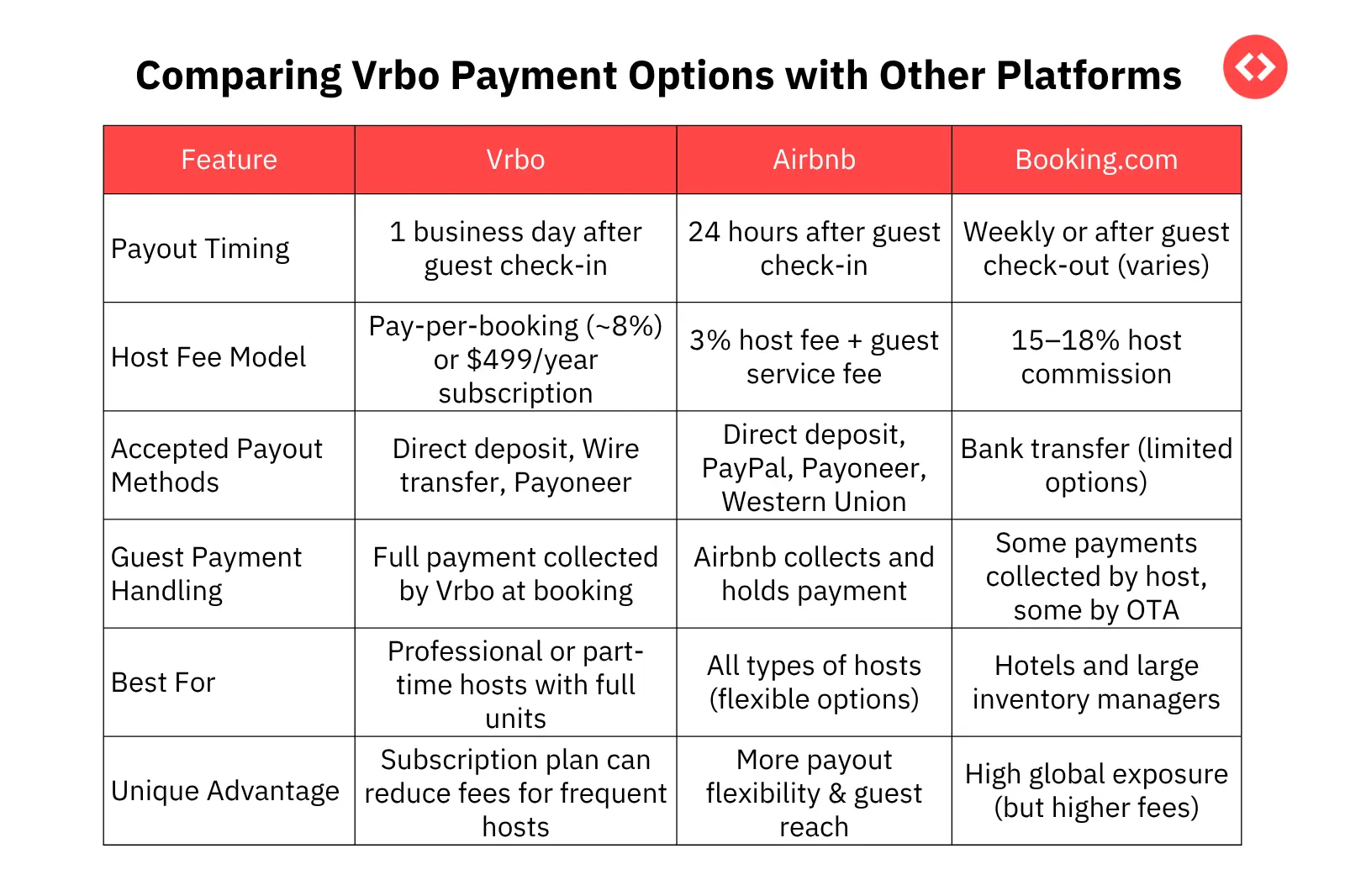
While committed to Vrbo, smart financial planning dictates a periodic comparative analysis of its fee structure against those of other major short-term rental platforms, such as Airbnb or Booking.com. Each platform has its own distinct fee model (e.g., split fees, host-only fees, or combined host/guest fees), and these differences can translate into significant variations in net earnings, especially for high-volume hosts.
For instance, if Vrbo’s commission rates were to increase substantially, a financial assessment might reveal that another platform offers a more favorable net payout for similar booking volumes. This analysis isn’t necessarily about abandoning Vrbo, but rather about understanding the competitive landscape and ensuring your property is listed on the platform that provides the best financial return. It also empowers hosts to make informed decisions about multi-platform listing strategies, balancing exposure with optimized fee structures. Diversification across platforms, while potentially adding complexity, can also hedge against unfavorable fee changes by any single provider, enhancing overall financial resilience. This ongoing financial due diligence is crucial for maintaining and growing profitability in the dynamic world of short-term rentals.
aViewFromTheCave is a participant in the Amazon Services LLC Associates Program, an affiliate advertising program designed to provide a means for sites to earn advertising fees by advertising and linking to Amazon.com. Amazon, the Amazon logo, AmazonSupply, and the AmazonSupply logo are trademarks of Amazon.com, Inc. or its affiliates. As an Amazon Associate we earn affiliate commissions from qualifying purchases.