
The violin bow, often considered a mere accessory to the violin, is in reality a sophisticated tool whose composition directly dictates its performance, durability, and, crucially, its market value. Understanding what a violin bow is made of transcends simple material identification; it delves into a complex financial ecosystem involving sourcing, manufacturing costs, craftsmanship, market demand, and investment potential. For musicians, collectors, and investors alike, the constituent materials of a bow are not just physical attributes but key indicators of its economic standing.
The Core Investment: Bow Wood and Its Economic Implications
At the heart of any violin bow’s structure and its most significant cost driver is the material of its stick. The choice of wood or composite material fundamentally shapes the bow’s balance, flexibility, strength, and acoustic properties, all of which directly influence its price point and investment longevity.
Pernambuco: The Gold Standard and Its Sourcing Economics
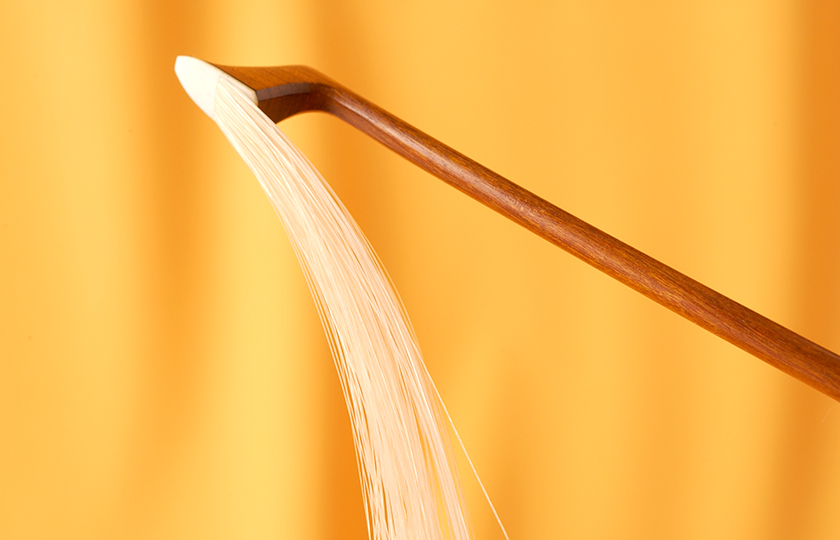
Historically and currently, Pernambuco wood (Paubrasilia echinata) from Brazil stands as the undisputed benchmark for high-quality violin bows. Its unique combination of density, strength, and elasticity provides an ideal balance for producing a rich, nuanced tone and precise control. However, this superior performance comes with a significant financial overhead.
Pernambuco is an endangered species, listed under CITES Appendix II, which means its international trade is strictly regulated. This classification has profound economic implications:
- Scarcity and Supply Chain: Restricted logging and export quotas severely limit the availability of high-grade Pernambuco. This scarcity drives up the cost of raw materials for bow makers.
- Premium Pricing: Bows made from excellent Pernambuco command the highest prices in the market, often ranging from several thousand to tens of thousands of dollars, and even hundreds of thousands for exceptional antique examples. This premium reflects both the material’s inherent qualities and its increasing rarity.
- Investment Value: A well-crafted Pernambuco bow by a reputable maker often appreciates in value over time, making it a sound investment for collectors and professional musicians. Its rarity ensures sustained demand, especially for vintage pieces from master bow makers.
- Ethical Sourcing Costs: Compliance with CITES regulations adds administrative and logistical costs to the supply chain. Bow makers and dealers must navigate complex permitting processes, which can increase the final price.
Carbon Fiber: Modern Engineering and Market Accessibility
In response to the scarcity and cost of Pernambuco, carbon fiber has emerged as a widely accepted alternative, particularly in the last few decades. Carbon fiber bows are manufactured by binding carbon filaments with a resin matrix, resulting in a material that can be engineered for specific weight, stiffness, and flexibility.
The economic advantages of carbon fiber are clear:
- Cost-Effectiveness: Carbon fiber is significantly less expensive to source and process than high-grade Pernambuco. This allows manufacturers to produce high-performance bows at more accessible price points, catering to a broader market segment, from advanced students to professional players.
- Consistency and Durability: Carbon fiber offers unparalleled material consistency, meaning each bow within a production line can be made to very similar specifications. Its robust nature makes it highly resistant to warping, temperature changes, and impact, reducing long-term maintenance and replacement costs.
- Market Segmentation: Carbon fiber bows fill a crucial niche, offering excellent playability and sound quality at price points that often fall between high-end Brazilwood and mid-range Pernambuco. Some premium carbon fiber bows can even rival the performance of good Pernambuco bows, though they typically do not achieve the same investment appreciation.
- Price Stability: Given its manufactured nature, carbon fiber is not subject to the same supply volatility or environmental regulations as natural wood, leading to more predictable pricing.
Brazilwood and Fiberglass: Entry-Level Economics and Accessibility
For beginners and students, Brazilwood and fiberglass bows represent the most affordable entry points into the market. Brazilwood, a generic term often referring to various dense tropical hardwoods less prized than Pernambuco, and fiberglass offer different levels of performance and durability tailored to budget-conscious consumers.
- Affordability: Brazilwood bows are significantly less expensive than Pernambuco, typically ranging from under $100 to a few hundred dollars. Fiberglass bows are often the cheapest option, ideal for very young students or as robust practice bows. This affordability democratizes access to string playing.
- Mass Production: These materials lend themselves well to mass production, allowing manufacturers to achieve economies of scale and offer products at highly competitive prices.
- Trade-offs: While affordable, these bows typically offer less refined playability and sound characteristics compared to Pernambuco or even higher-end carbon fiber. The financial trade-off is often in performance quality and longevity. However, for a beginner, the focus is on developing basic technique without a prohibitive initial investment.
- Limited Investment Potential: Unlike Pernambuco, Brazilwood and fiberglass bows generally do not appreciate in value and are primarily considered consumables rather than investments.
Beyond the Shaft: Ancillary Components and Their Contribution to Cost
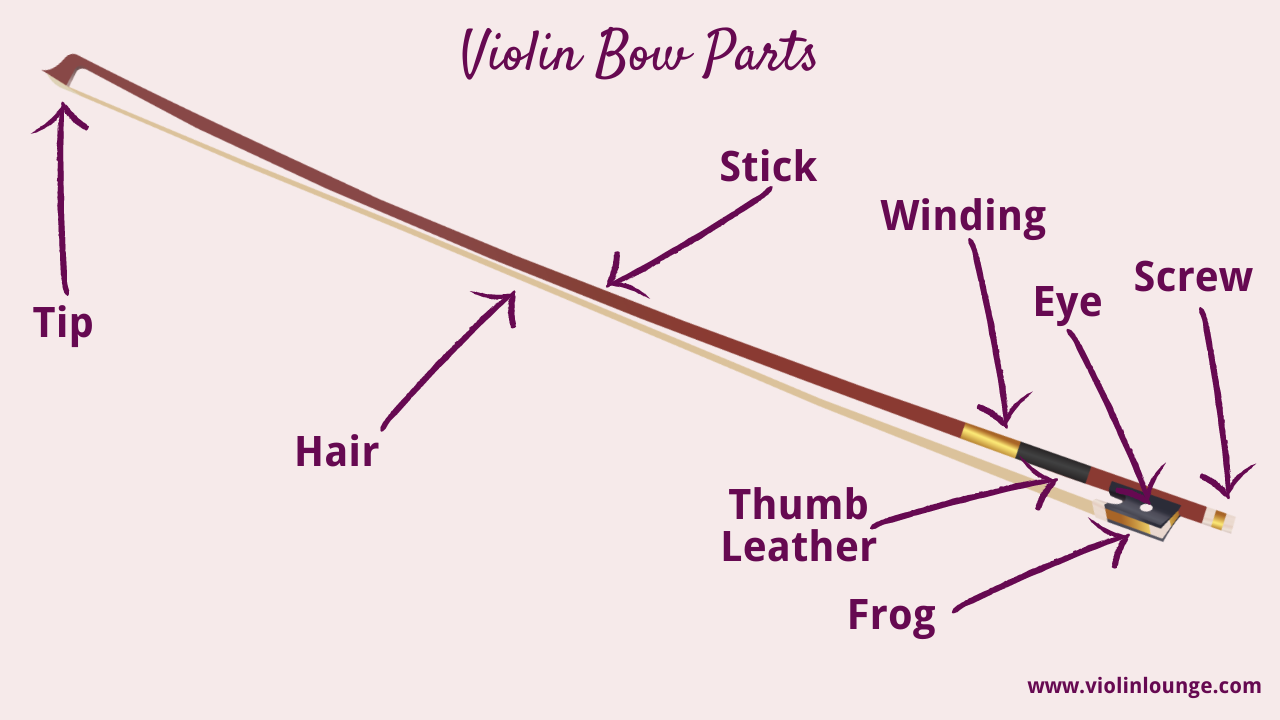
While the bow stick is the most expensive single component, the other elements of a violin bow — the horsehair, the frog, the winding, and the grip — are critical for functionality and aesthetics, and each contributes significantly to the overall financial profile and market value of the finished product.
Horsehair: The Performance Driver’s Price Tag
The hair of a bow is its direct interface with the strings, making its quality paramount for sound production.
- Sourcing and Quality: High-quality horsehair typically comes from specific regions, notably Mongolia and Siberia, known for horses with strong, durable, and naturally textured hair. The finest hair is selected for consistent thickness, strength, and minimal damage, increasing its cost.
- Rehairing Costs: Horsehair is a consumable item that needs regular replacement due to wear and tear. Rehairing is a recurring maintenance expense for musicians, typically costing between $50 and $100 per service, depending on location and technician. Over the lifespan of a bow, these costs can add up, impacting the instrument’s overall financial outlay.
- Impact on Value: While the hair itself is replaced, the quality of a rehair can significantly affect a bow’s playability and perceived value. A poor rehair can temporarily diminish the performance of even a master bow.
The Frog: Craftsmanship, Materials, and Aesthetic Value
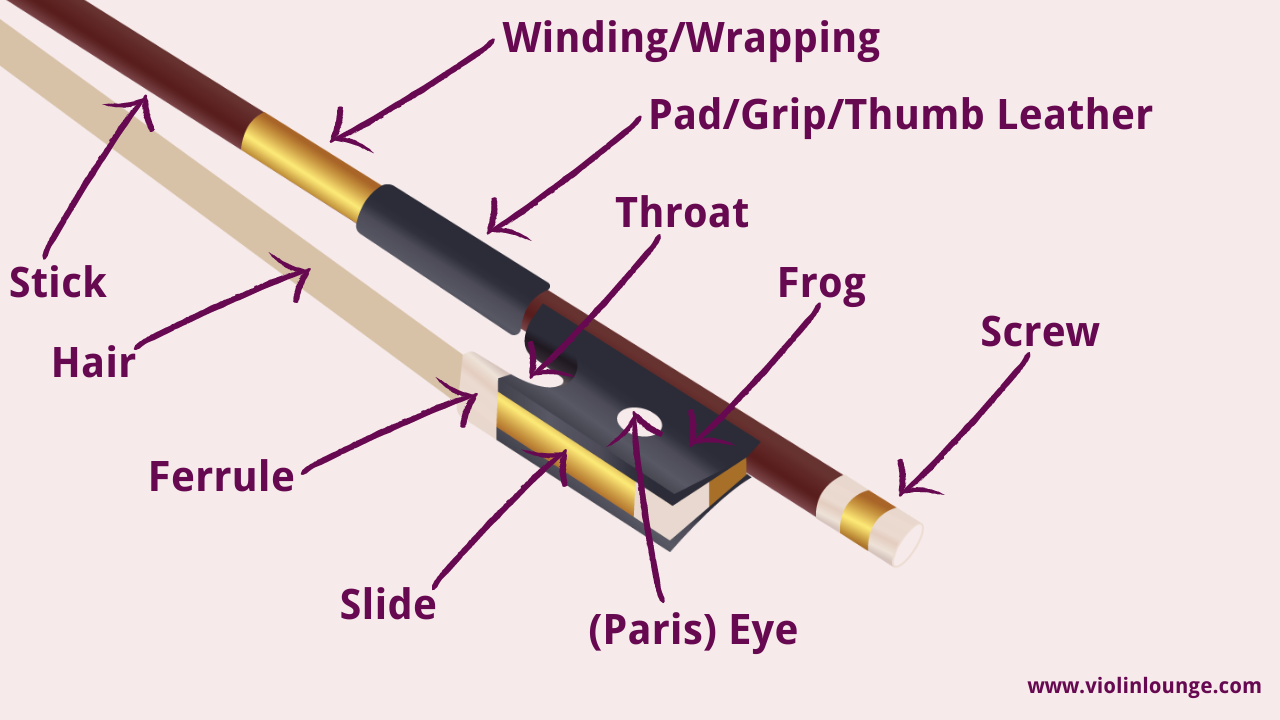
The frog is the component that holds the horsehair at the player’s end, and its material and craftsmanship are key contributors to a bow’s aesthetic appeal and value.
- Ebony: Traditionally, the frog is made from African ebony, a dense, dark, and durable wood. Like Pernambuco, fine ebony can be expensive due to its scarcity and ethical sourcing concerns, impacting the bow’s overall cost.
- Ivory and Exotic Materials: Historically, frogs were sometimes made of ivory. Due to ethical concerns and international bans, ivory is now only found on antique bows, where its presence can significantly increase collector value due to historical context and rarity, despite the ethical controversy. Modern high-end bows may feature mother-of-pearl slides and inlays, silver, or gold mounts, adding to their material cost and craftsmanship premium.
- Synthetic Alternatives: Lower-cost bows often feature frogs made from composite materials or less expensive woods, which are more economical to produce but lack the aesthetic and tactile qualities of ebony.
Winding and Grip: Small Details, Significant Value
These seemingly minor components play a role in balancing the bow and providing a comfortable grip, while also contributing to the bow’s visual appeal and material cost.
- Winding: Typically made of metal wire (silver or nickel-silver) or silk, the winding provides weight distribution and protects the stick. Silver winding is more expensive and often found on higher-end bows, while nickel-silver is common on intermediate models. Silk winding is less common but used for aesthetic or historical accuracy.
- Grip: Usually made of leather (sheepskin, calfskin, or even exotic lizard or snake skin) or synthetic materials, the grip protects the stick and offers tactile feedback. Exotic leather grips add to the material cost and luxury appeal of high-end bows.
The Craftsmanship Premium: Labor, Brand, and Intangible Value
Beyond the raw materials, the financial valuation of a violin bow is heavily influenced by the human element: the skill of the bow maker and the reputation associated with their work. This “craftsmanship premium” is where intangible value significantly impacts market price.
The Bow Maker’s Touch: Skill, Reputation, and Labor Costs
The artistry involved in shaping, balancing, and finishing a bow is immense.
- Master vs. Factory Production: Bows made by individual master craftsmen involve extensive hand labor, requiring years of training and experience. The labor cost embedded in such a bow is substantial, reflecting the maker’s expertise and time. Factory-produced bows, while often consistent, involve less individualized labor and thus have lower labor costs, reflected in their price.
- Appreciation Over Time: A bow by a revered maker, particularly one who is no longer alive, can appreciate significantly in value, becoming an antique asset. This appreciation is directly linked to the maker’s historical reputation and the enduring quality of their work.
Brand Equity and Provenance: Factors Driving Resale Value
Like any valuable asset, the brand or maker’s name on a bow significantly impacts its market value and resale potential.
- Historical Significance: Bows by legendary makers such as Tourte, Peccatte, or Sartory command exorbitant prices at auction, driven by their historical significance, rarity, and unparalleled craftsmanship.
- Certificates of Authenticity: For high-value bows, obtaining a certificate of authenticity from a recognized expert is crucial. This provenance verifies the maker and condition, protecting the buyer’s investment and facilitating future resale. Without it, even a genuine master bow may struggle to achieve its true market value.
Navigating the Market: Investing in Your Musical Future
For serious musicians, a high-quality bow is not just a tool but a significant investment that can enhance their performance and serve as a valuable asset. Making informed financial decisions when acquiring a bow is paramount.
Budgeting for Bow Acquisition: New vs. Used, Student vs. Professional
- Strategic Purchasing: Understanding the different price tiers—student, intermediate, professional, and master bows—is essential for aligning budget with need. A beginner might start with an affordable carbon fiber or Brazilwood bow, while a professional will likely invest in a Pernambuco bow from a respected maker.
- New vs. Used Market: The used market for bows, particularly high-end ones, can offer excellent value, as depreciation on well-maintained quality bows is often less severe than on other assets, and appreciation is possible. Auctions and reputable dealers are key avenues for sourcing used bows.
- Long-term vs. Short-term Investment: While student bows are short-term purchases, a professional-grade bow can be a long-term investment, potentially appreciating and providing excellent performance for decades.
Maintenance and Valuation: Protecting Your Asset
- Regular Upkeep: Proper care, including regular rehairing, cleaning, and professional repairs when necessary, is vital to maintaining a bow’s condition and preserving its value. Neglecting maintenance can lead to costly repairs or a decrease in market worth.
- Insurance: High-value bows should be insured against damage, loss, or theft, protecting a significant financial asset.
- Appraisal Processes: Periodic appraisals by qualified experts are important for tracking the bow’s value, especially for insurance purposes or if considering a sale. Appraisals consider the materials, maker, condition, and current market trends to provide an accurate valuation.
Ultimately, “what is a violin bow made of” is a question that opens a window into intricate financial considerations, revealing how materials, craftsmanship, and market dynamics converge to define an instrument’s cost, value, and investment potential. For anyone involved with these exquisite tools, a comprehensive understanding of their composition is the first step toward appreciating their full economic significance.
aViewFromTheCave is a participant in the Amazon Services LLC Associates Program, an affiliate advertising program designed to provide a means for sites to earn advertising fees by advertising and linking to Amazon.com. Amazon, the Amazon logo, AmazonSupply, and the AmazonSupply logo are trademarks of Amazon.com, Inc. or its affiliates. As an Amazon Associate we earn affiliate commissions from qualifying purchases.