
Tavern ham, a term evoking images of rustic charm and hearty fare, is more than just a cut of cured pork; it represents a distinct category within the broader world of charcuterie, possessing an inherent identity and market positioning that, while often unbranded by a single corporation, functions much like a collective brand. Understanding “what is a tavern ham” requires delving into its characteristics, its place in the market, and the subtle ways its heritage shapes consumer perception and demand.
The Core Identity: Defining a Culinary Legacy
At its essence, tavern ham refers to a style of ham that is typically cooked, often smoked, and known for its robust flavor, firm texture, and often less uniform, more “rustic” appearance compared to highly processed deli meats. It stands apart from dry-cured hams like prosciutto or serrano, and also from highly uniform, pressed hams. Its identity is forged through a combination of traditional preparation methods and the sensory experience it delivers.

Characteristics that Forge a Brand
The defining features of tavern ham contribute significantly to its brand identity:
- Flavor Profile: It usually boasts a rich, savory, and often smoky flavor, a result of the curing process (which can involve salt, sugar, and nitrates) and subsequent cooking and smoking. This robust taste profile is a key differentiator, positioning it as a flavorful centerpiece rather than a mild accompaniment.
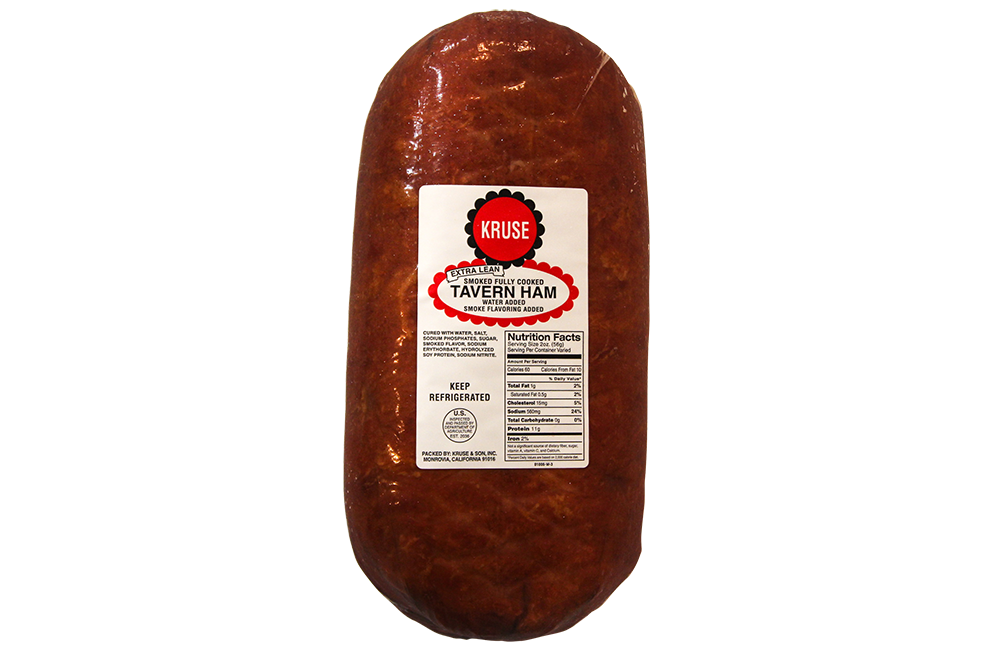
- Texture and Appearance: Tavern ham typically has a firm, meaty texture. Unlike some industrial hams that are highly processed and formed, tavern ham often retains a more natural shape and texture, sometimes exhibiting marbling or a slightly irregular grain. Its appearance is often a warm, inviting pink or reddish-brown, indicative of its curing and smoking. This “natural” look signals authenticity and quality to the consumer.
- Preparation Method: While variations exist, common methods involve brining or dry-curing followed by cooking (baking, roasting, or simmering) and often a significant smoking period. This traditional craftsmanship is a cornerstone of its appeal, suggesting a product made with care and time-honored techniques, which resonates deeply with consumers seeking artisanal or authentic food experiences.
- Versatility: Its robust nature makes it exceptionally versatile – excellent served cold in sandwiches, sliced for charcuterie boards, or incorporated into hot dishes. This adaptability reinforces its value proposition, making it a staple for various culinary applications and broadening its market appeal.
Crafting Tradition into Recognition
The “tavern” nomenclature itself is a powerful branding element. It conjures images of historical taverns, inns, and communal gatherings where hearty, honest food was served. This historical association lends an aura of authenticity and timelessness, appealing to consumers looking for products with a story and a connection to culinary heritage. The absence of a single corporate owner often means its “brand” is an open-source heritage, allowing multiple producers to tap into this shared identity while offering their own interpretations. This collective identity is a strength, suggesting a category rather than a single product that has stood the test of time.
Market Positioning and Perceived Value
In the crowded marketplace of cured meats, tavern ham occupies a unique and valuable niche. It leverages its traditional characteristics to carve out a distinct identity, appealing to specific consumer segments and differentiating itself from mass-produced alternatives. Its positioning is not just about price, but about perceived quality, craftsmanship, and a return to classic flavors.
Differentiating Through Heritage and Craft
Tavern ham strategically differentiates itself from other hams primarily through its emphasis on tradition and a less industrialized appearance. While some hams compete on lean-ness, low sodium, or specific flavor infusions, tavern ham often competes on its “ham-ness”—its classic, unadorned, savory character derived from traditional methods. This differentiation targets consumers who value:
- Authenticity: A desire for foods that feel genuine, less processed, and connected to historical culinary practices.
- Flavor Intensity: A preference for bolder, more pronounced flavors over milder, less distinct alternatives.
- Versatility: Products that can serve multiple purposes, from a simple sandwich filling to a gourmet platter component.
This strategic emphasis allows tavern ham to command a certain price point and loyalty, as it addresses a distinct set of consumer values that are often underserved by more generic products.
Consumer Expectations and the Rustic Appeal
Consumers approaching “tavern ham” often have specific expectations shaped by its name. They anticipate a product that is:
- Hearty and Substantial: Something that feels “real” and satisfying.
- Flavorful and Aromatic: A ham that delivers a sensory experience beyond mere sustenance.
- Reliable: A consistent quality and taste that aligns with its traditional image.

The “rustic appeal” is a significant part of its brand equity. It’s not about being perfectly uniform or overly refined; it’s about conveying a sense of handmade quality, simple goodness, and a connection to a bygone era. This perceived rusticity is a deliberate part of its market strategy, resonating with a demographic increasingly weary of highly artificial or overly branded foodstuffs.
Competitive Landscape of Specialty Hams
Within the broader category of deli and specialty hams, tavern ham finds itself alongside other distinct types such as honey-roasted ham, black forest ham, Virginia ham, and various regional specialities. Its competitive edge lies in its ability to occupy a middle ground: more approachable and versatile than intensely flavored dry-cured hams, yet more characterful and traditional than standard cooked hams. It competes by offering a balance of familiarity and distinctiveness, often positioned as a premium but accessible option for everyday enjoyment and special occasions alike. Producers who explicitly label their products as “tavern ham” are directly leveraging this established identity to appeal to these specific consumer preferences.
Storytelling and Narrative: The Implicit Branding
Every successful brand has a story, and for tavern ham, that narrative is implicitly woven into its very name and heritage. It’s a story of communal dining, craftsmanship, and enduring flavor, which contributes significantly to its intangible brand value.
Echoes of the Tavern: A Brand Archetype
The “tavern” in its name acts as a powerful brand archetype, evoking images of warmth, conviviality, and unpretentious quality. This archetype positions the ham not just as a food item, but as an experience—one associated with gathering, comfort, and authenticity. This historical resonance is a form of inherited brand equity, suggesting a product that has been enjoyed for generations and embodies a certain timelessness. When consumers choose tavern ham, they’re often buying into this lifestyle, even subconsciously, seeking to recreate a sense of tradition and robust satisfaction in their own homes. This narrative appeal is a crucial component of its perceived value and desirability.
Regional Variations and Their Brand Significance
Just as “artisanal bread” or “craft beer” can have distinct regional interpretations, so too can tavern ham. Different locales or producers might have specific curing or smoking techniques that impart unique characteristics to their tavern ham, creating micro-brands within the overarching category. For example, a “New England Tavern Ham” might imply a certain smoky sweetness, while a “Midwestern Tavern Ham” could suggest a bolder, more savory profile. These regional nuances contribute to a richer, more diverse “brand portfolio” for tavern ham, allowing for differentiation and specialization within its broad identity. Producers often highlight these regional ties to enhance their specific product’s brand narrative, emphasizing local heritage and traditional methods.
Beyond the Product: The Experiential Brand
The brand of tavern ham extends beyond its physical attributes to the experience it offers. It’s the aroma wafting from a freshly sliced piece, the satisfying chew, and the versatility in pairing it with other foods. This experiential branding is vital, as it builds emotional connections with consumers. Eating tavern ham can be seen as a small ritual, a moment of culinary comfort that transcends mere sustenance. For example, a deli showcasing a large, rustic tavern ham in its display is not just selling meat; it’s selling an image of quality, tradition, and deliciousness, creating an inviting brand experience before the first bite.
Cultivating Brand Equity in a Niche Product
Despite often lacking a single corporate owner, the collective “brand” of tavern ham possesses significant equity. This equity is built on centuries of tradition, consistent quality expectations, and the emotional resonance of its name. For individual producers, cultivating this equity means upholding the standards that define the category while subtly distinguishing their own offering.
Maintaining Authenticity and Quality
For any producer looking to succeed in the specialty ham market, maintaining the authenticity and high quality associated with “tavern ham” is paramount. This means adhering to traditional curing and cooking methods, sourcing quality pork, and resisting pressures to cut corners or overly standardize the product. Deviating too far from the expected flavor, texture, or appearance can dilute the brand equity not only for that specific product but potentially for the broader category in the minds of discerning consumers. The “truth” of the product—its genuine character and quality—is the bedrock of its brand trust.
The Role of Presentation and Context
How tavern ham is presented, both in packaging and in a retail or culinary setting, significantly influences its brand perception. Rustic packaging, clear labeling about its origins or preparation, and attractive displays in delis or markets reinforce its traditional and quality image. In a restaurant context, describing it on a menu as “artisanal tavern ham” or “slow-smoked tavern ham” elevates its perceived value and connects it to the desired brand narrative. The context in which it’s encountered amplifies its inherent brand message, guiding consumer expectations and enhancing their appreciation.
Future Directions for a Classic Identity
The future of tavern ham’s “brand” lies in balancing tradition with evolving consumer demands. This could involve innovations in sustainable sourcing, organic certifications, or catering to specific dietary preferences (e.g., lower sodium versions) while still preserving the core characteristics that define it. Storytelling through digital channels, highlighting the craft and heritage behind its production, can also strengthen its identity in a modern marketplace. Ultimately, for tavern ham to continue thriving, its collective brand must remain responsive to changing tastes without sacrificing the authentic, robust identity that has sustained its appeal for generations.
aViewFromTheCave is a participant in the Amazon Services LLC Associates Program, an affiliate advertising program designed to provide a means for sites to earn advertising fees by advertising and linking to Amazon.com. Amazon, the Amazon logo, AmazonSupply, and the AmazonSupply logo are trademarks of Amazon.com, Inc. or its affiliates. As an Amazon Associate we earn affiliate commissions from qualifying purchases.