
The concept of a space cushion in driving is fundamental to road safety, traditionally emphasizing the importance of maintaining adequate distance from other vehicles and hazards. In an increasingly interconnected and technologically advanced automotive landscape, this core principle is being redefined, measured, and managed by sophisticated digital systems. Understanding a space cushion today means looking beyond mere human perception, delving into how cutting-edge technology facilitates its maintenance, predicts its necessity, and ultimately enhances overall road safety.
The Foundational Concept in a Digital Age
A space cushion refers to the area of space around a vehicle that a driver should ideally maintain to have sufficient time and distance to react to unexpected events. This encompasses space in front, behind, to the sides, and even overhead (e.g., clearance under bridges). Traditionally, drivers were taught rules like the “three-second rule” to approximate this safe distance. However, in the era of advanced vehicular technology, this concept is evolving from a reactive human skill to a proactive, data-driven, and often automated system.
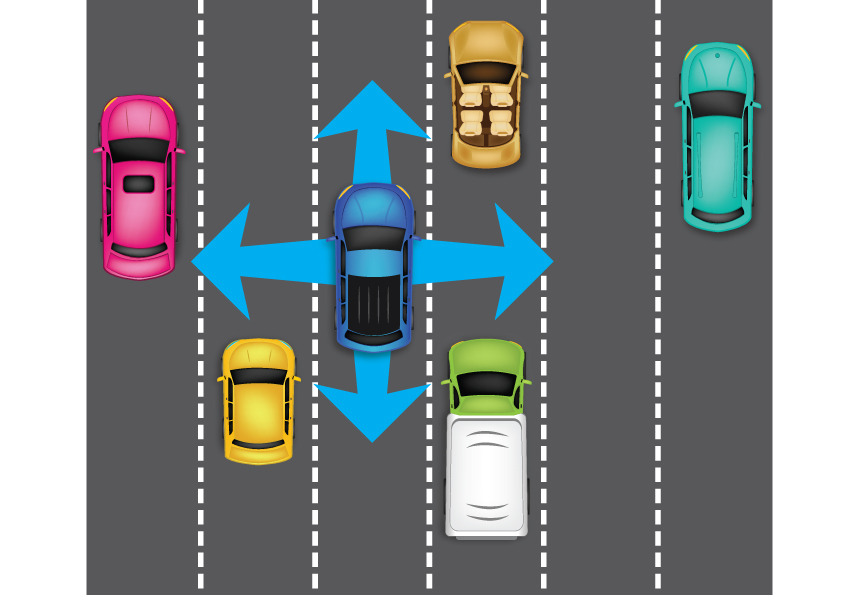
Defining the Space Cushion Beyond Human Perception
While a human driver relies on visual cues, experience, and reaction time, modern vehicles leverage an array of sensors—radar, lidar, cameras, and ultrasonic—to precisely measure distances, relative speeds, and potential collision trajectories. This allows for a far more accurate and consistent definition of a “safe” space cushion, adapting dynamically to speed, road conditions, and traffic density. The ideal space cushion is no longer a static rule but a dynamic zone calculated in milliseconds by powerful onboard processors.
Why Technology Elevates Its Importance
Technology doesn’t just measure the space cushion; it actively helps maintain it. With driver fatigue, distraction, and human error contributing significantly to accidents, automated and semi-automated systems provide an indispensable layer of protection. These systems can react faster than a human, maintain vigilance constantly, and even communicate with other vehicles and infrastructure, creating a collective, intelligent approach to space management that vastly improves upon individual driver capability alone. The digital elevation of space cushion management transforms it from a personal safety habit into a systemic safety feature of the entire driving ecosystem.
Advanced Driver-Assistance Systems (ADAS) and the Automated Space Cushion
Modern vehicles are equipped with a suite of ADAS features designed to assist drivers in maintaining safe distances and preventing collisions. These technologies are the primary enablers of an automated space cushion, utilizing various sensors and algorithms to perceive the environment and intervene when necessary.
Adaptive Cruise Control: The Electronic Safety Buffer
Adaptive Cruise Control (ACC) is perhaps the most direct technological implementation of the forward space cushion. Unlike traditional cruise control, which simply maintains a set speed, ACC systems use forward-facing radar or camera technology to detect vehicles ahead. When a slower vehicle is detected, ACC automatically adjusts the vehicle’s speed, slowing down to maintain a pre-set following distance. When the path clears, it accelerates back to the driver’s desired speed. This continuous adjustment creates an “electronic safety buffer” that minimizes the driver’s effort in managing the space ahead, significantly reducing the risk of rear-end collisions.
Automatic Emergency Braking (AEB) and Forward Collision Warning (FCW)
Building upon similar sensor technology, Forward Collision Warning (FCW) systems monitor the speed and distance of vehicles or obstacles ahead. If the system detects a high probability of a collision, it alerts the driver, often with visual and audible warnings. If the driver does not react, or reacts insufficiently, Automatic Emergency Braking (AEB) systems can take over, applying the brakes automatically to mitigate or prevent an imminent collision. These systems are critical for maintaining a dynamic forward space cushion, acting as a crucial safety net against sudden stops or unforeseen obstacles that might breach the human-managed safe zone.
Blind Spot Monitoring and Lane Keeping Systems
The space cushion extends beyond the front of the vehicle. Blind Spot Monitoring (BSM) systems use radar sensors on the sides and rear of the vehicle to detect other vehicles in the driver’s blind spots. When a vehicle enters this zone, a warning (visual or audible) is provided, preventing unsafe lane changes that could compromise the side space cushion. Similarly, Lane Keeping Assist (LKA) and Lane Departure Warning (LDW) systems use cameras to monitor lane markings. LDW alerts drivers if they unintentionally drift out of their lane, while LKA can gently steer the vehicle back into its lane, helping to maintain the lateral space cushion and prevent side-impact collisions. These technologies collectively ensure that the vehicle remains centered and aware of its immediate surroundings, preventing inadvertent encroachment into adjacent spaces.
Telematics, AI, and Driver Performance Monitoring
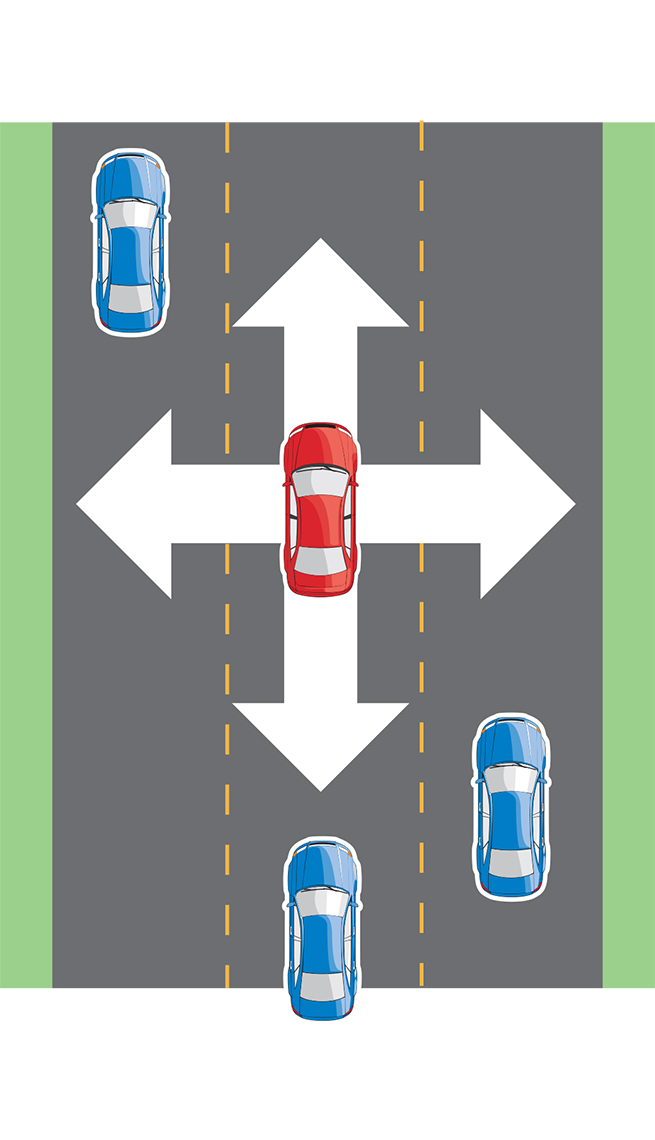
Beyond active driving assistance, technology also provides tools for monitoring and improving human driver behavior regarding space cushion maintenance. Telematics and artificial intelligence are transforming how drivers learn about and adhere to safe driving practices.
Apps and Devices for Real-time Feedback
A growing number of smartphone applications and aftermarket telematics devices offer real-time feedback on driving habits. These tools utilize GPS data, accelerometers, and sometimes even vehicle data ports (OBD-II) to monitor metrics such as harsh braking, rapid acceleration, and following distance. By logging driving patterns and providing scores or alerts, these apps can help drivers become more conscious of how consistently they maintain a safe space cushion, offering actionable insights for improvement. Insurers, for instance, often offer “usage-based insurance” (UBI) programs that reward drivers for safer habits, including maintaining appropriate following distances as measured by telematics.
AI-driven Insights into Driving Habits
Artificial intelligence plays a pivotal role in processing the vast amounts of data collected by telematics and vehicle sensors. AI algorithms can identify subtle patterns in driving behavior that might indicate inconsistent space cushion management, even predicting potential risks before they materialize into incidents. For fleet managers, AI-powered dashboards can analyze driver performance across an entire fleet, pinpointing areas where additional training on space cushion techniques is needed. For individual drivers, AI can provide personalized tips and coaching, helping them to develop a more proactive and consistent approach to maintaining safe distances in various driving conditions.
The Future of Space Cushioning: Autonomous Vehicles and V2X Communication
The ultimate evolution of the space cushion concept lies in fully autonomous vehicles and vehicle-to-everything (V2X) communication. These technologies promise to move beyond driver assistance to entirely automated and networked space management, ushering in a new era of road safety.
Redefining Safe Distances with AI and Sensor Fusion
In autonomous vehicles, the space cushion is not an option but an integral part of their operational design. AI and advanced sensor fusion (combining data from multiple sensor types for a comprehensive environmental model) allow these vehicles to perceive their surroundings with unparalleled accuracy and foresight. They can predict the movements of other road users, anticipate hazards, and dynamically adjust their speed and position to maintain an optimal space cushion. This goes beyond simply reacting to the car ahead; it involves understanding the entire traffic flow and making strategic decisions to maximize safety and efficiency. The “safe distance” becomes a dynamically calculated, always-on parameter, optimized by AI for every split second of the journey.
Vehicle-to-Everything (V2X) Communication and Proactive Safety
V2X communication, which includes Vehicle-to-Vehicle (V2V), Vehicle-to-Infrastructure (V2I), Vehicle-to-Pedestrian (V2P), and Vehicle-to-Network (V2N), promises a paradigm shift in space cushion management. Imagine vehicles sharing their speed, direction, and braking intentions in real-time. This interconnectedness allows for truly proactive safety. If a vehicle several cars ahead suddenly brakes, the information can instantly be transmitted to following vehicles, giving them ample time to react and adjust their space cushion long before a human driver would even see the brake lights. Traffic signals can communicate optimal speeds to maintain green waves, reducing sudden stops and facilitating smoother space cushion maintenance. V2X effectively transforms the individual space cushion into a collaborative, shared safety zone across the entire road network.
Integrating Technology for a Safer Driving Ecosystem
The digital transformation of the space cushion concept is not merely about individual features; it’s about building a safer, more intelligent driving ecosystem where human and machine collaborate seamlessly.
The Synergy of Human and Machine
While autonomous technology progresses, the immediate future involves a synergy between human drivers and advanced systems. ADAS features enhance human capabilities, acting as vigilant co-pilots that provide warnings and interventions when human attention wavers or reaction times are insufficient. Drivers still bear the ultimate responsibility, but the technological layers of space cushion management provide an unprecedented safety net. This collaborative approach helps instill better habits in human drivers over time, as they learn to trust and understand the boundaries set by their vehicle’s safety systems.
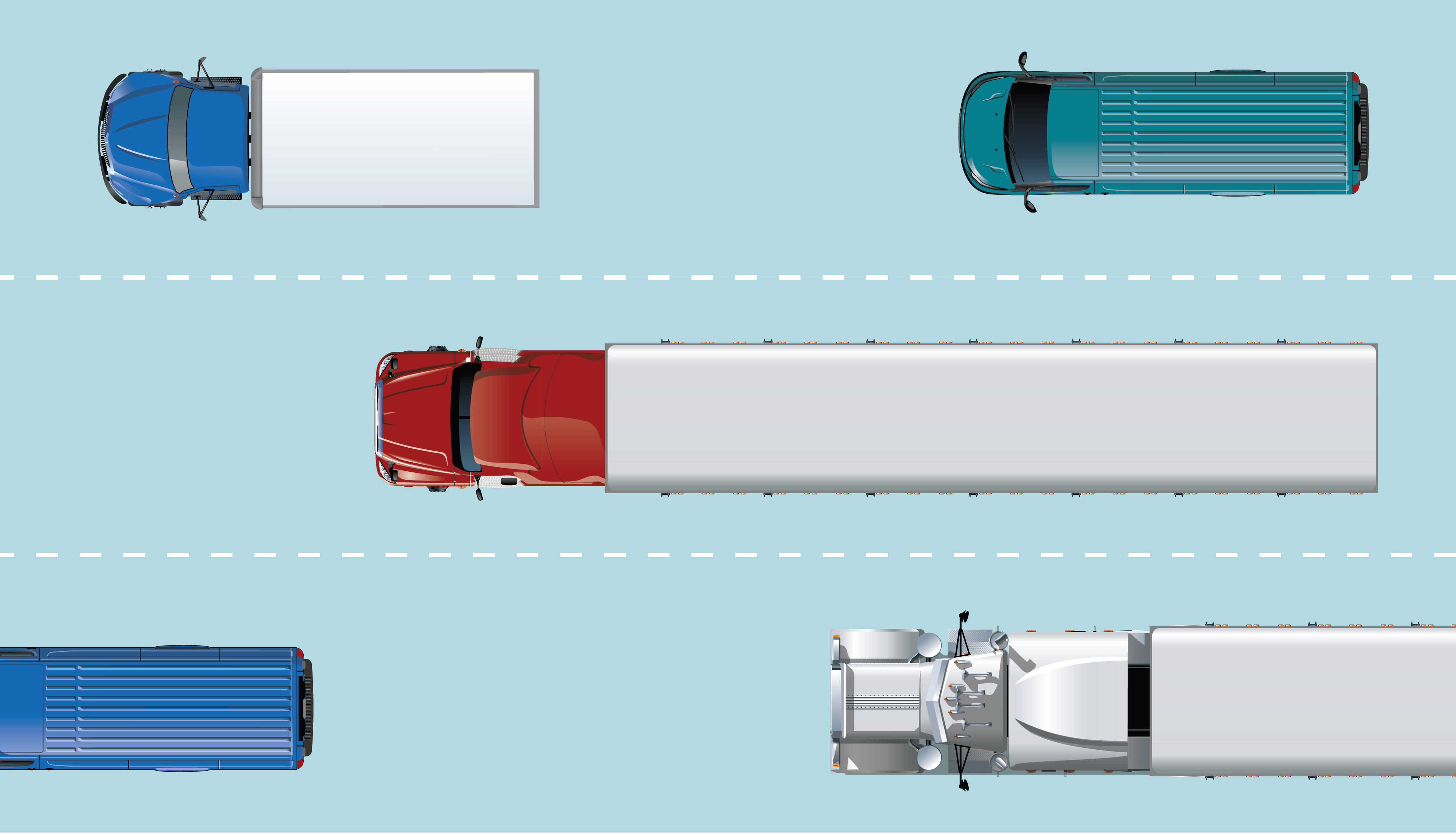
The Evolving Paradigm of Road Safety
As technology continues to advance, the concept of a space cushion will move from a basic defensive driving principle to a highly sophisticated, integrated, and predictive aspect of modern mobility. This evolution promises fewer accidents, smoother traffic flow, and a fundamental shift in how we perceive and achieve road safety. From individual driver apps to city-wide V2X networks, technology is building an environment where maintaining a safe space cushion is not just encouraged, but actively facilitated and enforced, creating a more secure and efficient experience for everyone on the road.
aViewFromTheCave is a participant in the Amazon Services LLC Associates Program, an affiliate advertising program designed to provide a means for sites to earn advertising fees by advertising and linking to Amazon.com. Amazon, the Amazon logo, AmazonSupply, and the AmazonSupply logo are trademarks of Amazon.com, Inc. or its affiliates. As an Amazon Associate we earn affiliate commissions from qualifying purchases.