
A sealed bid is a formal offer submitted in writing, enclosed in a sealed envelope, and delivered by a specified deadline. The fundamental principle behind a sealed bid process is confidentiality: the contents of all bids are kept secret from all parties, including other bidders, until a predetermined opening time. This method is widely employed across various financial and commercial sectors to ensure fairness, transparency, and often, to optimize pricing outcomes for sellers, or to secure the best value for buyers in competitive scenarios.
The Core Concept of Confidentiality in Bidding
At its heart, a sealed bid process is designed to prevent collusion among bidders and to encourage each participant to submit their “best and final” offer without the influence or knowledge of competing bids. This mechanism eliminates the back-and-forth negotiation often seen in open auctions, placing the onus on bidders to accurately assess value and commit to a price that they believe will win the contract or asset.
Definition and Mechanism
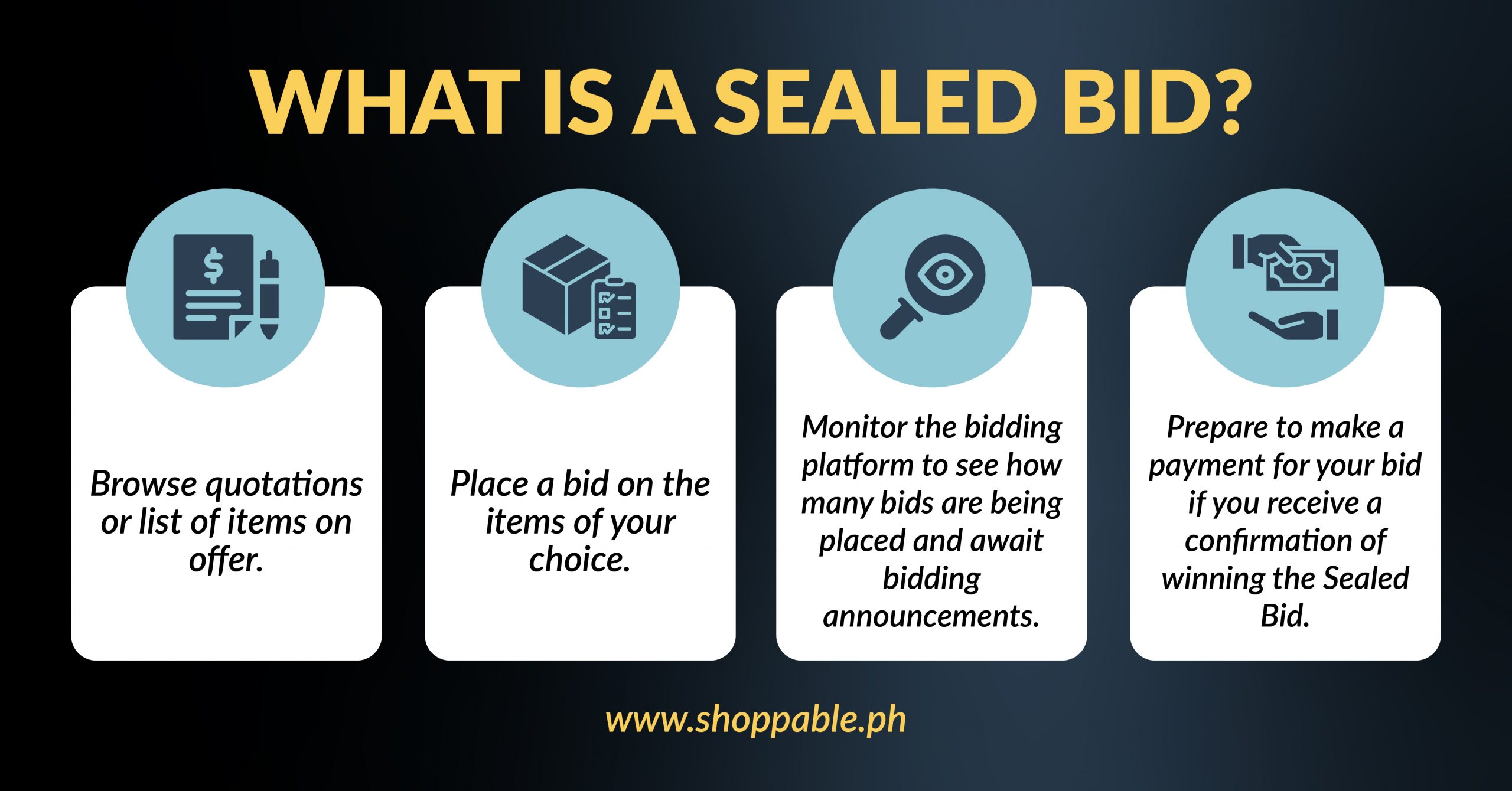
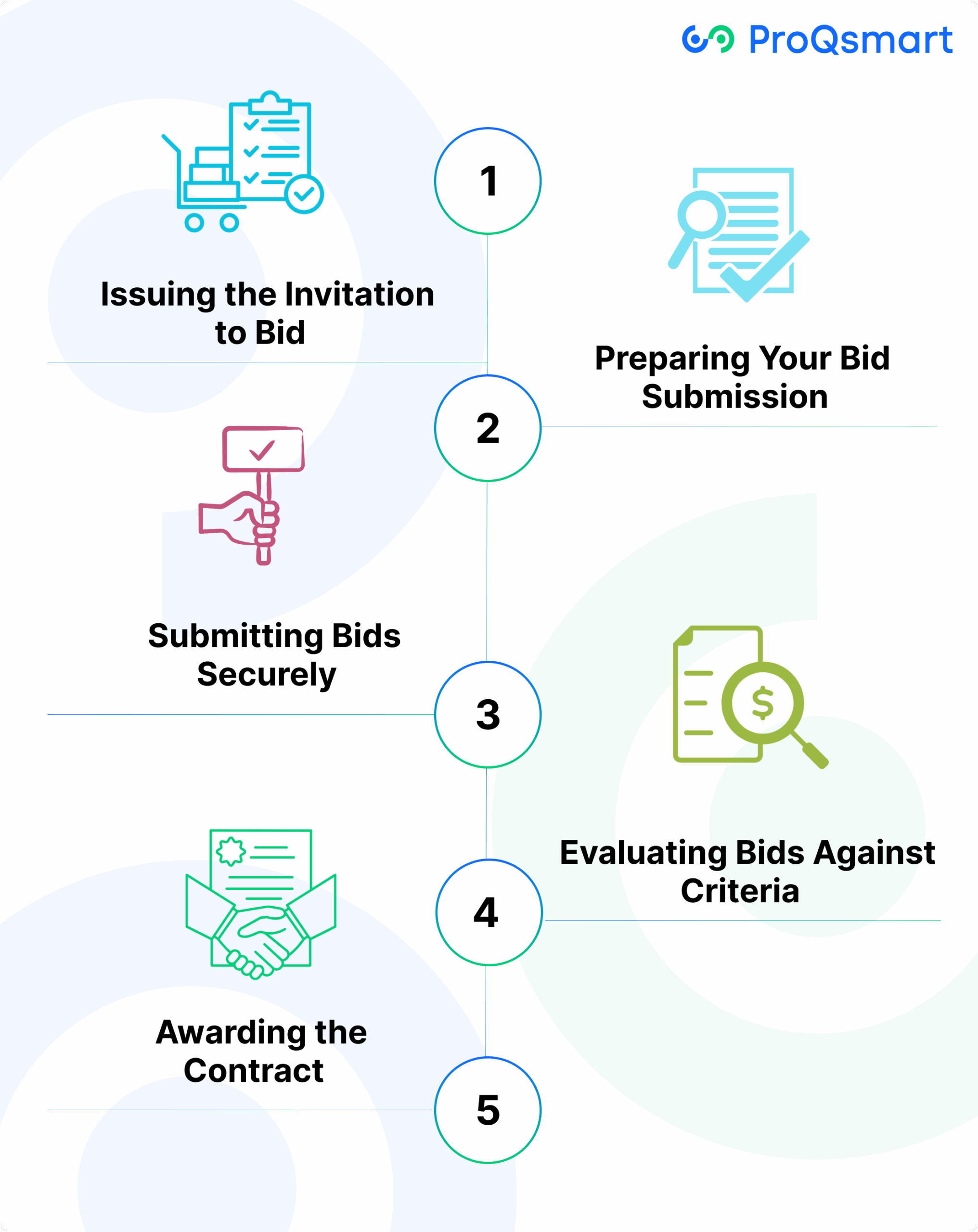
In a typical sealed bid process, the seller or procuring entity issues an Invitation to Bid (ITB) or Request for Proposal (RFP), detailing the goods, services, or assets to be acquired or sold. This document outlines specifications, terms, conditions, and, crucially, the deadline and method for submitting bids. Prospective bidders prepare their offers, which might include price, payment terms, delivery schedules, and other relevant details, and seal them in an envelope or submit them through a secure digital portal.
Once the deadline passes, no further bids are accepted. At the designated opening, often conducted in public or witnessed by relevant parties, all sealed bids are opened simultaneously. The bids are then evaluated based on predefined criteria, which may include not just the lowest price for procurement or highest price for sale, but also factors like bidder qualifications, proposed solutions, experience, and ability to meet specific requirements. The winning bid is then selected, and all participants are typically notified of the outcome.
Key Characteristics
Several characteristics define the sealed bid process and differentiate it from other bidding methods:
- Confidentiality: This is the defining feature. No bidder knows what their competitors are offering until all bids are opened.
- Single Offer: Bidders usually have one opportunity to submit their most competitive offer. There is often no room for negotiation or revision after submission, although some processes allow for a “best and final offer” (BAFO) stage in complex procurement.
- Strict Deadlines: Adherence to submission deadlines is paramount. Late bids are almost universally rejected to maintain fairness and process integrity.
- Predetermined Criteria: The basis for evaluation and selection is established and communicated in advance, ensuring objectivity in the decision-making process.
- Formal Opening: Bids are typically opened in a structured environment, often publicly or with witnesses, to uphold transparency.
Applications Across Financial Landscapes
The utility of sealed bids extends across a broad spectrum of financial transactions and business operations, serving distinct purposes depending on the context.
Real Estate Transactions
In the real estate market, sealed bids are frequently used for highly desirable properties, distressed assets, or when a seller wants to expedite the sale process and avoid prolonged negotiations. For instance, when a property attracts multiple strong offers, the seller might request all interested parties to submit their “best and final” offer in a sealed bid format by a specific date. This approach can drive up the final sale price and streamline the decision-making process, as the seller only has to evaluate the top offers once. It’s also common in government property sales or foreclosures where fairness and transparency are critical.
Government and Corporate Procurement
One of the most common applications of sealed bids is in government and large corporate procurement. Public sector entities are mandated to ensure that public funds are spent responsibly and transparently. Using sealed bids for contracts—ranging from office supplies to major infrastructure projects—helps prevent corruption, favoritism, and ensures that the government obtains the best value for taxpayer money. Similarly, large corporations often use sealed bids for high-value purchases or complex service contracts to foster competition among suppliers and secure optimal terms. The focus here is typically on the lowest qualified bid for goods or services that meet specified criteria.
Investment and Asset Sales
Sealed bid processes are also prevalent in the sale of assets, particularly in the financial sector. This can include the sale of non-performing loans, portfolios of financial instruments, or even entire companies (in certain private equity transactions or M&A contexts). For example, a bank might use a sealed bid auction to divest a portfolio of mortgage-backed securities. This method allows multiple institutional investors to simultaneously submit their valuation, helping the seller achieve a fair market price efficiently and with reduced market impact compared to an open auction. It’s also used in initial public offerings (IPOs) in some jurisdictions or for secondary offerings, where institutional investors submit bids for shares at various prices.
Legal and Bankruptcy Proceedings
In legal contexts, such as bankruptcy proceedings, sealed bids are a common method for liquidating assets to satisfy creditors. Courts often mandate their use to ensure that assets are sold at the highest possible price, thereby maximizing recovery for creditors, and that the process is equitable and above board. Estates, trusts, and other legal entities might also employ sealed bids when selling valuable assets to demonstrate due diligence and prevent disputes over unfair pricing.
Advantages and Disadvantages for Buyers and Sellers
Understanding the benefits and drawbacks of the sealed bid mechanism is crucial for any party considering participation or implementation.
For Sellers: Maximizing Value and Efficiency
Advantages:
- Optimized Pricing: By encouraging bidders to submit their single best offer, sellers often achieve higher prices, especially for highly desirable assets or contracts where competition is fierce.
- Efficiency: The process is typically quicker than protracted negotiations. Sellers receive definitive offers by a set deadline, allowing for a faster decision and closing.
- Transparency and Fairness: The structured, confidential nature of sealed bids reduces opportunities for manipulation and provides a clear audit trail, appealing to public entities and large corporations concerned with compliance.
- Reduced Collusion: The lack of real-time visibility into competitors’ bids makes it harder for bidders to collude on pricing.
Disadvantages:
- Risk of Underbidding (for sellers): If a seller sets the reserve price too high or if there’s insufficient competition, they might receive no viable bids or bids that are lower than expected.
- Less Flexibility: The “take it or leave it” nature means less opportunity for negotiation to tweak terms or improve offers post-submission.
- Administrative Burden: Managing the collection, storage, and formal opening of sealed bids can require significant administrative effort, especially for complex procurements.
For Buyers: Strategic Pricing and Risk
Advantages:
- Level Playing Field: All bidders operate under the same conditions, without the intimidation or influence of knowing competitors’ prices. This allows focus on intrinsic value.
- Opportunity for Value: A well-researched and strategically priced bid can secure a valuable asset or contract, especially if competitors misjudge the market or underbid.
- Simplicity: Buyers only need to formulate and submit one offer, reducing the time and resources associated with multiple rounds of negotiation.
Disadvantages:
- Information Asymmetry: The primary disadvantage for buyers is the lack of information. Not knowing competitors’ bids means there’s a risk of bidding too high (the “winner’s curse”) or too low and losing out.
- No Second Chances: With typically one shot, a miscalculation in valuation or strategy can be costly, as there’s usually no opportunity to revise an offer.
- High Research Demands: Buyers must conduct thorough due diligence and valuation to arrive at a confident bid, as they cannot adjust based on competitor actions.
Strategic Considerations for Participants
Successful participation in a sealed bid process, whether as a buyer or seller, hinges on a deep understanding of market dynamics, rigorous preparation, and a strategic mindset.
Research and Valuation
For bidders, comprehensive research is paramount. This includes understanding the market value of the asset or service, assessing the competitive landscape, and performing a thorough cost-benefit analysis. A robust internal valuation forms the bedrock of a competitive yet profitable bid. For sellers, accurately setting expectations or a reserve price requires similar market intelligence to attract appropriate interest without underselling.
Setting Your Bid Threshold
Buyers must establish a clear maximum price they are willing to pay, or a minimum acceptable profit margin if bidding for a contract. This threshold should be based on objective valuation and risk assessment, not on speculation about competitors’ actions. Bidding slightly below your true maximum might save money, but bidding too low risks losing the opportunity entirely. This strategic decision requires balancing ambition with prudence.
The Psychology of Bidding
The sealed bid environment inherently introduces psychological elements. Buyers grapple with the fear of overpaying (winner’s curse) and the fear of missing out. Sellers aim to capitalize on this competitive tension. Understanding the likely motivations and financial capabilities of other bidders can inform one’s own strategy, though this remains an educated guess in a sealed process. Bidders must resist the urge to bid emotionally and stick to their pre-determined valuation and strategy.
Beyond the Traditional: Digital Sealed Bids
While the classic image of a sealed bid involves paper envelopes, modern finance has increasingly adopted digital platforms for sealed bid processes. These online systems maintain the core principles of confidentiality and strict deadlines while introducing new layers of efficiency and security.
Enhancing Transparency and Security
Digital sealed bid platforms use encryption, secure servers, and robust authentication protocols to ensure that bids remain confidential until the precise opening time. They can automate the timestamping and receipt of bids, eliminating disputes over submission times. Furthermore, many platforms offer automated auditing capabilities, providing an immutable record of all submitted bids and the evaluation process, thereby bolstering transparency and accountability.
Accessibility and Efficiency
Online platforms significantly broaden the reach for both sellers and buyers. Sellers can easily solicit bids from a global pool of qualified participants, and buyers can participate remotely, reducing geographical barriers. The automation of bid submission, opening, and initial screening processes streamlines the entire cycle, leading to quicker outcomes and reduced administrative overhead for all parties involved. This technological evolution makes the sealed bid process more adaptable and relevant in an increasingly interconnected and digital financial world.
In conclusion, a sealed bid is a powerful and versatile financial mechanism characterized by its emphasis on confidentiality, fairness, and strict adherence to protocol. It plays a critical role in ensuring optimal outcomes across real estate, procurement, investment, and legal sectors by fostering true competition and enabling strategic decision-making in a highly structured environment.
aViewFromTheCave is a participant in the Amazon Services LLC Associates Program, an affiliate advertising program designed to provide a means for sites to earn advertising fees by advertising and linking to Amazon.com. Amazon, the Amazon logo, AmazonSupply, and the AmazonSupply logo are trademarks of Amazon.com, Inc. or its affiliates. As an Amazon Associate we earn affiliate commissions from qualifying purchases.