
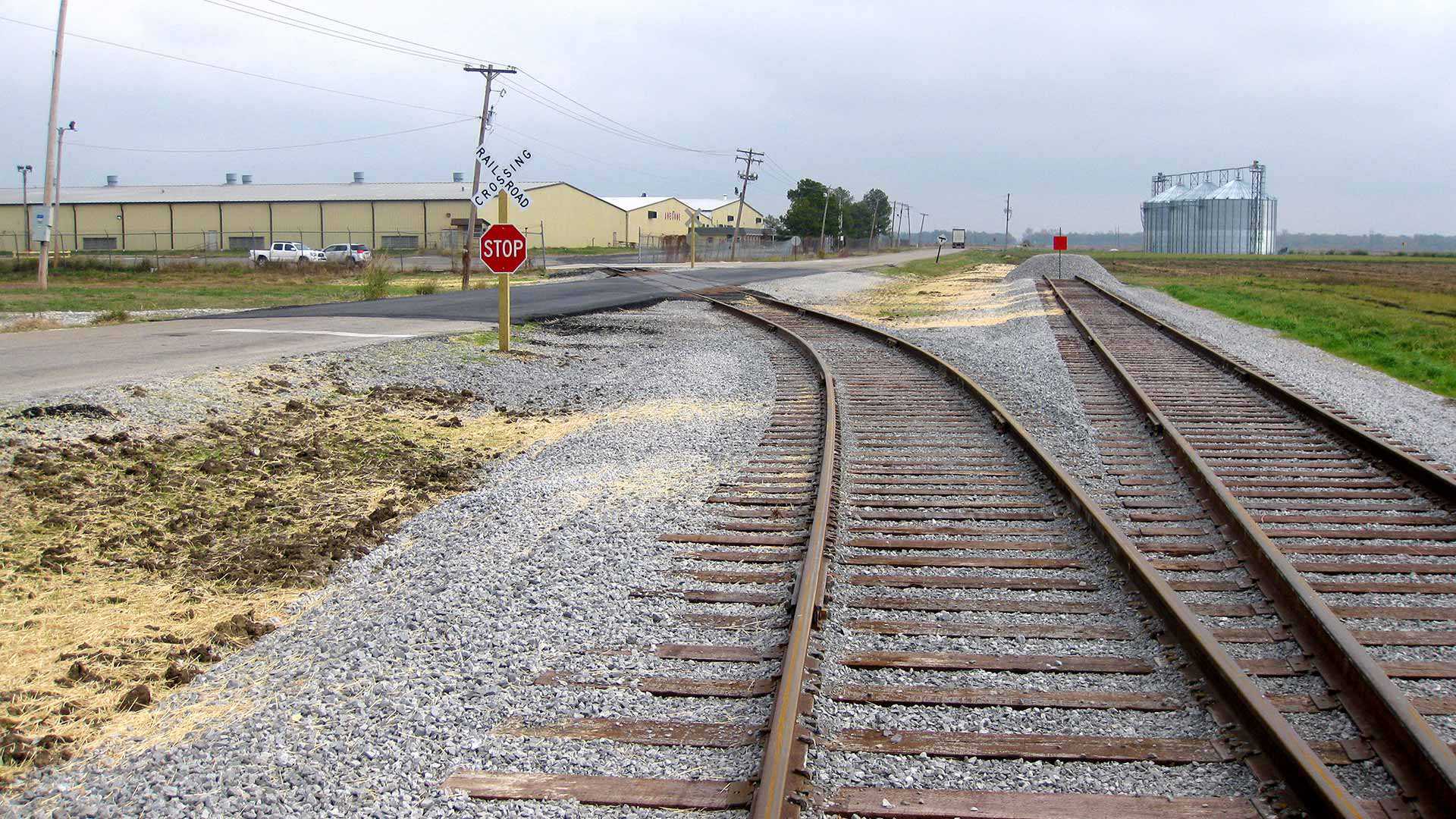
A rail spur, in its most fundamental definition, is a short section of railway track branching off a main line, designed to provide direct rail access to a specific industrial facility, warehouse, port terminal, or other commercial enterprise. While seemingly a simple piece of infrastructure, understanding “what is a rail spur” from a business and financial perspective reveals its profound impact on logistics, operational efficiency, capital expenditure, and long-term profitability. For companies involved in manufacturing, distribution, agriculture, or any business that handles significant volumes of goods, a rail spur represents a strategic financial asset that can fundamentally alter their cost structure and competitive landscape.
The Strategic Financial Imperative of Rail Spurs
The decision to invest in or utilize a rail spur is often driven by compelling financial advantages that extend far beyond mere transportation cost savings. It’s a strategic move that can underpin a company’s entire supply chain economics and market positioning.
Optimizing Logistics Costs and Efficiency
One of the most immediate and significant financial benefits of a rail spur is the reduction in logistics costs. Rail freight, particularly for bulk goods or high-volume shipments over long distances, is generally far more cost-effective than trucking. By having direct rail access, businesses can eliminate or significantly reduce the need for “first mile” and “last mile” trucking, which involves transferring goods from a production facility to a rail yard, or from a rail yard to a distribution center.
- Reduced Handling Costs: Each time goods are loaded or unloaded, there are associated labor, equipment, and time costs. A rail spur minimizes these transfer points by bringing the rail car directly to the loading dock or production line. This efficiency translates into fewer hours, less equipment wear, and lower risk of product damage.
- Lower Freight Rates: Railroads offer highly competitive rates for large volumes. Companies with rail spurs can leverage these economies of scale, especially for raw materials or finished products that are consistently moved in significant quantities. The savings per ton-mile can accumulate rapidly, especially for businesses with high throughput.
- Predictable Pricing: While fuel surcharges can fluctuate, the core pricing structure for rail freight often provides more stability and predictability than volatile trucking markets, aiding in more accurate financial forecasting and budgeting.
Enhancing Competitive Position and Market Access
A rail spur is not just an internal cost-saving mechanism; it’s a competitive differentiator that opens up new market opportunities and strengthens existing ones.
- Broader Market Reach: Direct rail access can significantly expand a company’s shipping radius, making it economically viable to serve distant markets that would be too expensive or logistically complex via truck-only transport. This expanded reach can lead to increased sales volumes and market share.
- Attracting Business Partners: For businesses in logistics, warehousing, or manufacturing, having an operational rail spur can be a major selling point when attracting clients or tenants. Companies seeking efficient supply chain solutions often prioritize facilities with multi-modal access.
- Supply Chain Resilience: In a volatile global economy, supply chain disruptions are a constant threat. A rail spur offers an alternative mode of transport, providing flexibility and redundancy that can mitigate risks associated with trucking shortages, fuel price spikes, or highway congestion. This resilience translates into fewer costly delays and more reliable operations.
Investment and Financial Considerations for Rail Spurs
While the benefits are clear, the financial commitment to developing and maintaining a rail spur is substantial and requires careful capital planning and return on investment (ROI) analysis.
Capital Expenditure: Initial Investment
The upfront costs associated with a rail spur can be significant, encompassing several key areas:
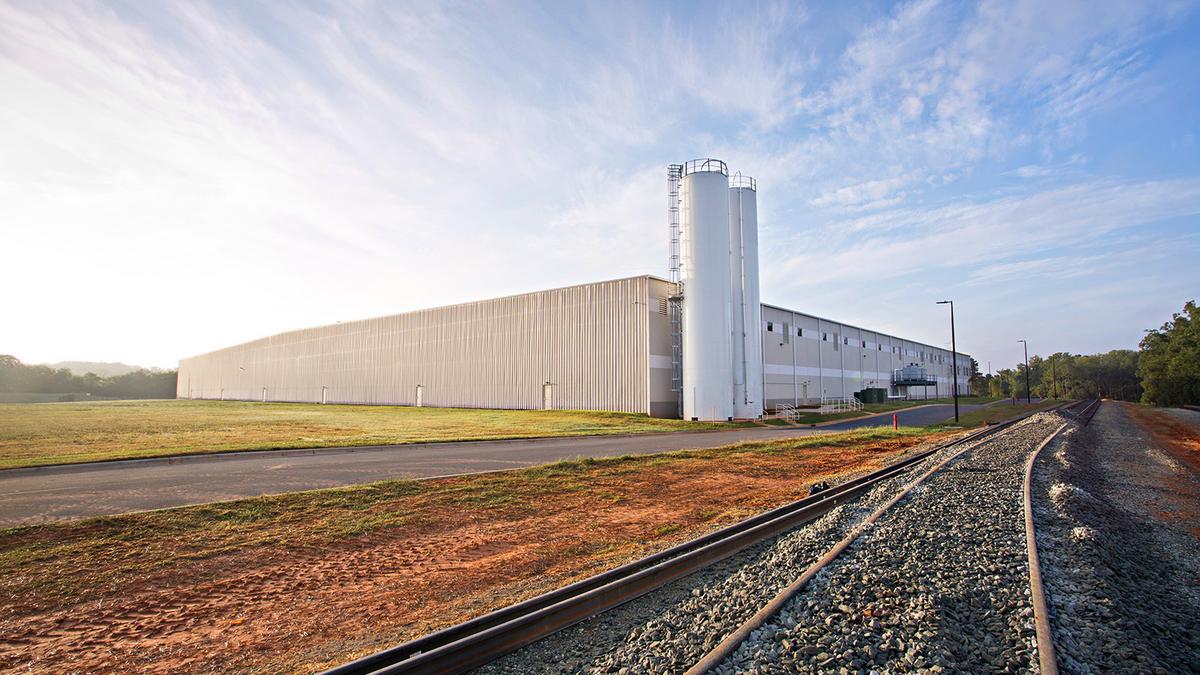
- Construction Costs: This includes the actual laying of tracks, grading, ballast, ties, and potentially bridges or culverts. The length of the spur, the terrain, and the type of track (heavy duty for continuous use vs. lighter for occasional switching) will influence costs.
- Land Acquisition: If the land for the spur is not already owned, purchasing the necessary right-of-way can be a major expense, especially in developed areas.
- Permitting and Regulatory Compliance: Navigating local, state, and federal regulations, environmental impact assessments, and securing permits can be a time-consuming and costly process, often requiring specialized consultants.
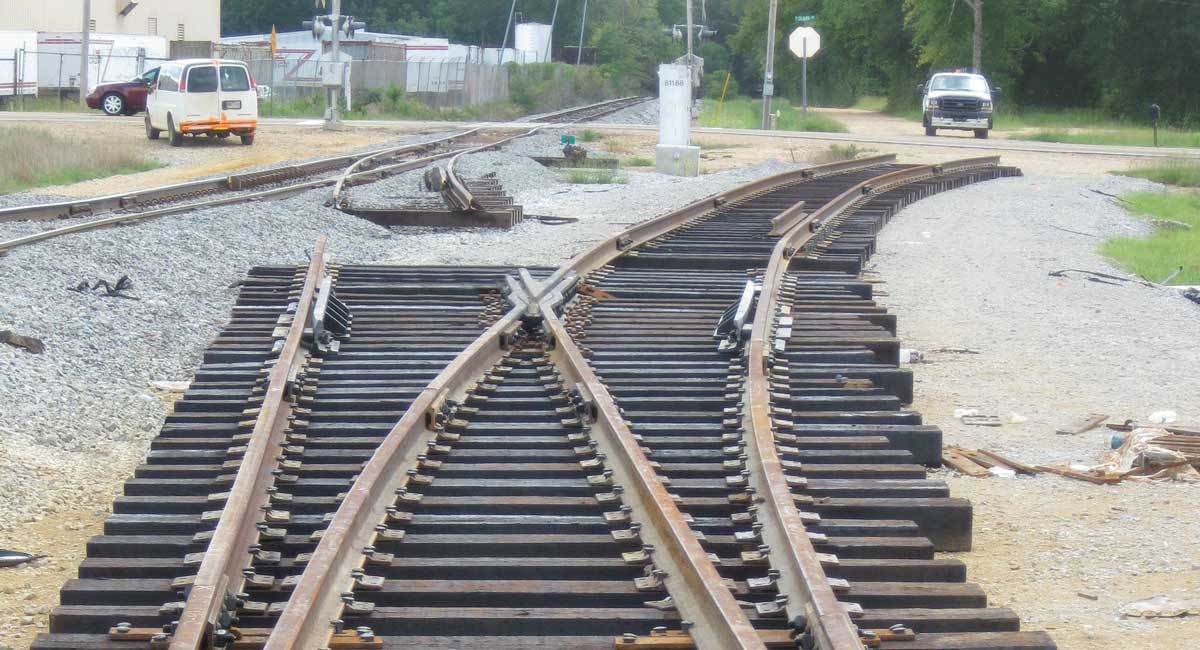
- Switching and Signaling Equipment: Depending on its complexity and connection to the main line, a spur may require specialized switching mechanisms and safety signaling equipment, adding to the initial capital outlay.
- Ancillary Infrastructure: This might include loading docks, rail car movers, scales, and specialized handling equipment, all of which are part of the integrated investment.
Businesses often explore various financing options for these capital-intensive projects, including conventional bank loans, industrial development bonds, or even partnerships with railroad companies or local economic development agencies, which may offer incentives or grants.
Ongoing Operational and Maintenance Expenses
Beyond the initial build, a rail spur incurs ongoing operational and maintenance costs that must be factored into financial projections:
- Maintenance: Tracks, ties, and ballast require regular inspection and maintenance to ensure safety and functionality. This includes repair of worn components, vegetation control, and drainage upkeep.
- Switching Fees: Railroads typically charge fees for connecting to the main line and for “spotting” (placing) and “pulling” (removing) railcars on the spur. These fees vary based on frequency and complexity.
- Property Taxes and Insurance: The rail spur and associated land will be subject to property taxes, and additional insurance coverage may be required.
- Labor Costs: While a rail spur can reduce overall labor in logistics, there might be specific labor costs associated with managing the spur, operating equipment, or coordinating with the railroad.
A thorough lifecycle cost analysis is crucial to understand the total financial impact over the expected operational life of the spur.
Rail Spurs and Financial Value Creation
The financial benefits of a rail spur extend beyond direct cost savings, influencing broader aspects of a company’s financial health and valuation.
Enhancing Real Estate Value and Development Potential
Properties with direct rail access often command a premium in the industrial real estate market.
- Increased Property Value: The presence of an active rail spur can significantly increase the intrinsic value of industrial land and facilities, making it a more attractive asset for potential buyers or investors.
- Development Opportunities: Companies looking to expand or developers aiming to create industrial parks often prioritize sites that are “rail-served” or have the potential for future rail access, recognizing the long-term financial advantages for tenants.
- Leasing Attractiveness: For owners of industrial properties, a rail spur can increase the appeal and rental rates for potential tenants, ensuring higher occupancy rates and stronger income streams.
Facilitating Inventory Management and Working Capital
Efficient inventory management is critical for a company’s working capital position. Rail spurs play a role in optimizing this.
- Reduced Inventory Holding Costs: By enabling more reliable and higher volume deliveries, businesses can often reduce the need to hold large buffer stocks of raw materials or finished goods, freeing up working capital tied in inventory.
- Just-in-Time (JIT) Capabilities: For some industries, a rail spur can support closer-to-JIT delivery of components or raw materials, further streamlining operations and reducing inventory financing costs.
- Scalability for Growth: As a business expands its production or distribution, a rail spur provides the necessary infrastructure to scale transportation efficiently without exponential increases in logistics costs, supporting sustainable financial growth.
In conclusion, “what is a rail spur” is more than a technical question; it’s a strategic financial inquiry for any business reliant on the movement of goods. While requiring significant upfront capital and ongoing operational commitments, the long-term financial advantages in cost reduction, market access, operational efficiency, and real estate value can make a rail spur an indispensable asset, providing a robust return on investment and a sustainable competitive edge.
aViewFromTheCave is a participant in the Amazon Services LLC Associates Program, an affiliate advertising program designed to provide a means for sites to earn advertising fees by advertising and linking to Amazon.com. Amazon, the Amazon logo, AmazonSupply, and the AmazonSupply logo are trademarks of Amazon.com, Inc. or its affiliates. As an Amazon Associate we earn affiliate commissions from qualifying purchases.