
The Foundation of Secure Electronic Transactions
In the complex ecosystem of modern finance, electronic transactions have become the bedrock of commerce and personal money management. From direct deposits of paychecks to recurring bill payments, the Automated Clearing House (ACH) network facilitates billions of these transactions annually. However, before a live financial transfer can reliably occur, particularly for first-time or recurring setups, banks often employ a crucial, yet often unseen, mechanism: the prenote. Understanding what a prenote is and how it functions is fundamental for businesses aiming to streamline their financial operations and individuals seeking to comprehend the underlying mechanics of their digital payments.

Defining the Prenote
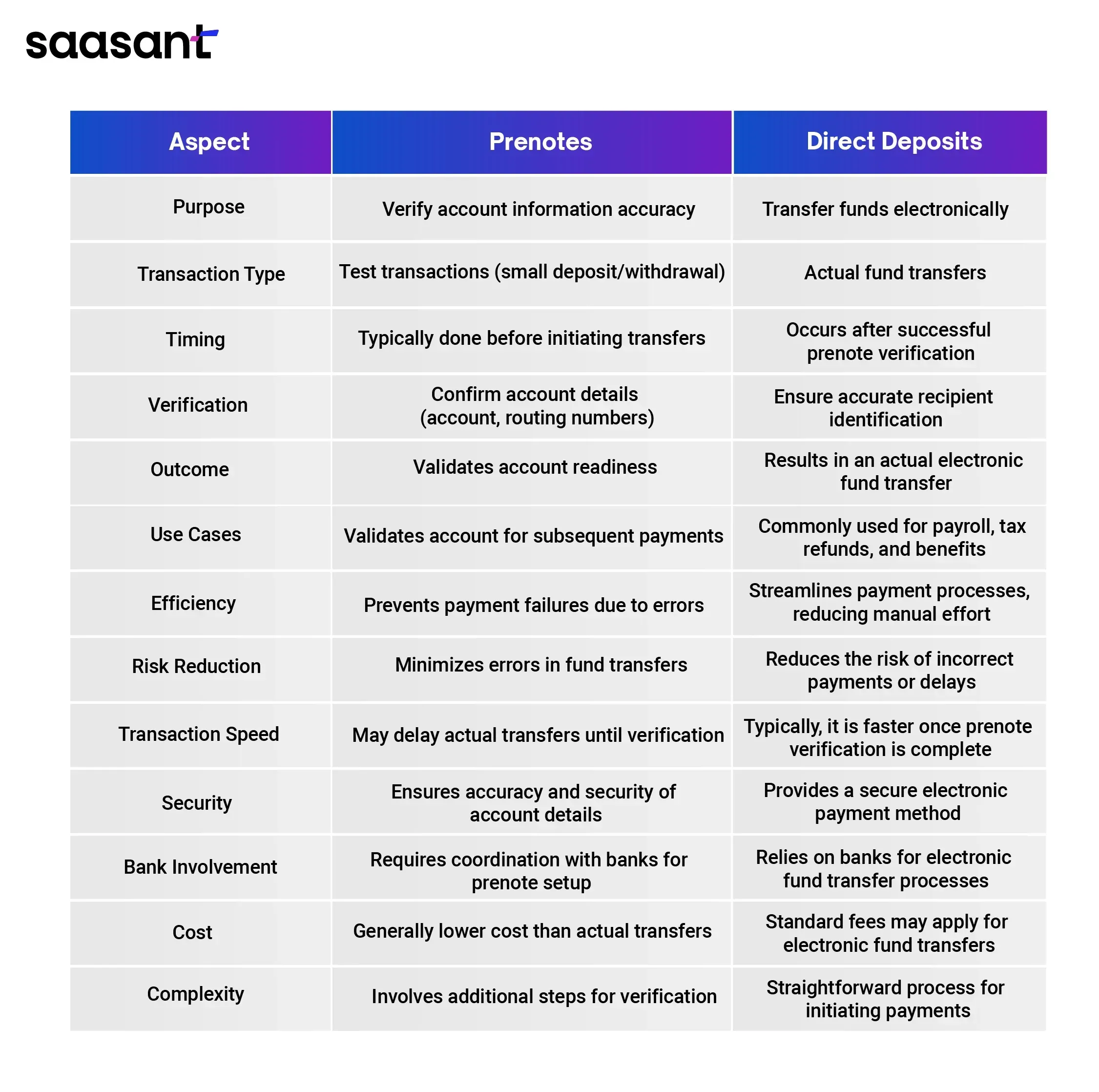
A prenote, short for “prenotification,” is a non-monetary, zero-dollar transaction initiated through the ACH network. Its sole purpose is to verify the accuracy of account information—specifically, the routing number and account number—prior to sending a live financial transaction, such as a debit or credit. Essentially, it’s a silent handshake between the originating bank (ODFI – Originating Depository Financial Institution) and the receiving bank (RDFI – Receiving Depository Financial Institution) to confirm that the designated account is open and valid. No funds are transferred during a prenote; it merely checks the structural integrity of the account details provided by the originator. This process is critical for preventing errors and ensuring the smooth flow of subsequent monetary transactions.
Why Prenotes Matter for Businesses
For any business dealing with direct debits (e.g., subscriptions, loan payments) or direct credits (e.g., payroll, vendor payments), prenotes serve as an invaluable risk mitigation tool. Incorrect account information is a leading cause of failed ACH transactions, resulting in costly return fees, administrative overhead, and potential damage to customer relationships. By employing prenotes, businesses can significantly reduce the incidence of returns due to invalid or closed accounts. This proactive approach not only saves money by avoiding fees but also enhances cash flow predictability and ensures compliance with NACHA (National Automated Clearing House Association) rules, which govern the ACH network. Furthermore, it builds trust with customers and vendors, assuring them that their payments or receipts will be processed accurately and reliably from the outset.
The Prenote Process: A Step-by-Step Overview
The process of initiating and completing a prenote is a standardized procedure within the ACH network, designed to be efficient and transparent to the end-user, even if it runs quietly in the background. Understanding each phase helps businesses appreciate the diligence involved in setting up electronic payment systems and how these checks contribute to overall financial stability.
Initiating the Prenote
The prenote process begins with the originator—typically a business, employer, or financial institution—that intends to send or receive funds via ACH. When setting up a new customer for recurring direct debits, or a new employee for direct deposit, the originator collects the necessary banking details: the bank’s routing number, the account number, and often the account type (checking or savings). Before initiating the first live monetary transaction, the originator compiles this information into a prenote file and submits it to their ODFI. This file acts as a request to verify the provided account details with the receiving financial institution. Many payroll systems, subscription management platforms, and financial software tools have integrated functionalities to automatically generate and send these prenote files.
The Journey Through the ACH Network
Once the ODFI receives the prenote file, it transmits the non-monetary entry through the ACH network. The ACH operator, acting as a central clearing facility, then routes this prenote to the appropriate RDFI based on the routing number. The RDFI, upon receiving the prenote, performs a critical check: it verifies that the specified account number exists and is open for transactions at their institution. It does not verify the name on the account, nor does it check for fund availability. This verification is purely structural, confirming the account’s validity and readiness to receive or send ACH entries. The journey is entirely digital, making it a swift and secure way to validate banking details across different institutions.
Outcomes and Timelines

The typical timeline for a prenote to complete its journey and for the originator to receive confirmation is generally between 2 to 10 business days, though commonly it takes 2 to 3 days. During this period, the RDFI has the opportunity to return the prenote if any discrepancies are found. If the prenote is successful, meaning no errors are reported back to the ODFI, the originator can then proceed with sending live ACH transactions to that account after the waiting period expires. If, however, the RDFI identifies an issue—such as an invalid account number, an account that has been closed, or an incorrect account type—it will return the prenote with an appropriate error code. This notification allows the originator to correct the banking information before attempting a live transaction, thereby avoiding potential penalties and delays associated with returned payments.
Benefits and Challenges of Using Prenotes
While prenotes are a powerful tool for ensuring the accuracy of banking information, like any financial process, they come with a distinct set of advantages and a few considerations that businesses must weigh. A balanced perspective allows for optimal integration into a company’s financial workflow.
Key Advantages for Financial Operations
The most significant benefit of prenotes lies in their ability to proactively prevent errors that can lead to costly and time-consuming problems. By confirming account validity before any actual funds are moved, businesses significantly reduce the administrative burden associated with managing returned ACH transactions. This translates into fewer staff hours spent on reconciling discrepancies, contacting customers for corrected information, and reprocessing payments. Furthermore, by minimizing payment failures, businesses can improve their cash flow predictability, an essential element for financial planning and stability. From a customer service perspective, successful prenotes enhance the customer experience by ensuring that subscriptions, direct debits, or direct deposits go through without a hitch, fostering trust and loyalty. Ultimately, avoiding returned transactions due to invalid account details leads to direct cost savings by circumventing the fees typically levied by banks for such failures.
Potential Drawbacks and Considerations
Despite their numerous benefits, prenotes are not without their limitations. The most commonly cited drawback is the time delay. The mandatory waiting period, typically 2 to 10 business days, can be inconvenient for businesses or customers requiring immediate payment processing. For urgent transactions, this delay might make prenotes impractical. Additionally, while highly recommended and often enforced by ODFIs, prenotes are not strictly mandated by NACHA rules for all types of ACH transactions, which means some less scrupulous originators might skip this step, potentially leading to higher return rates. It’s also crucial to understand that prenotes have a limited scope: they only verify the existence and validity of an account. They do not confirm fund availability, nor do they explicitly verify the identity of the account holder, meaning they don’t prevent all forms of fraud. Businesses still need to combine prenotes with other verification and fraud prevention measures for comprehensive security.
Best Practices and Alternatives in Account Verification
Integrating prenotes effectively into a robust financial strategy requires an understanding of when and how to use them, as well as an awareness of alternative verification methods that can complement or, in certain situations, replace them.
When to Employ Prenotes
Prenotes are particularly well-suited for scenarios involving recurring payments or long-term financial relationships where the initial setup of banking details is critical for ongoing success. They are invaluable for businesses establishing customer subscriptions or membership fees that are collected via direct debit. Similarly, they are a cornerstone for setting up employee payroll direct deposits, ensuring that wages consistently reach the correct accounts. Vendor payments, particularly those that are regular and substantial, also benefit from the certainty provided by prenotes. Any situation where reliable, long-term electronic transactions are paramount benefits from the upfront verification a prenote offers, establishing a secure foundation for future financial interactions.
Expedited Verification Methods
For situations where the prenote’s inherent time delay is unacceptable, several alternative and often faster account verification methods exist. Micro-deposits involve sending two small, randomized deposits (e.g., $0.13 and $0.27) to an account, which the account holder must then verify by logging into their banking portal and reporting the amounts back to the originator. While faster than a prenote, it still requires customer interaction. Instant Account Verification (IAV) has emerged as a popular and often immediate solution. This method typically uses third-party services (like Plaid, Finicity, or Yodlee) that securely link a customer’s bank account by asking them to log in directly through their banking portal. IAV can verify account existence, ownership, and sometimes even provide real-time balance checks, making it significantly faster and more comprehensive than a prenote. Finally, analyzing a voided check provided by the customer can also serve as a quick visual verification of routing and account numbers, although it carries a higher risk of human error or forged documents.
Integrating Prenotes into a Robust Financial Strategy
The most effective financial strategies often involve a layered approach to account verification. Businesses should consider combining prenotes with other fraud prevention measures, such as identity verification services and transaction monitoring, to create a comprehensive security framework. Clear communication with customers about the prenote process, including the expected timeline, can manage expectations and reduce inquiries. Furthermore, regularly reviewing the reasons for returned prenotes can provide valuable insights into common data entry errors or potential systemic issues that can be addressed. Finally, leveraging modern financial software and APIs that automate the submission and tracking of prenotes can significantly streamline the process, integrating this vital verification step seamlessly into broader financial operations. By adopting these best practices, businesses can harness the power of prenotes to build more reliable, efficient, and secure electronic payment systems.
aViewFromTheCave is a participant in the Amazon Services LLC Associates Program, an affiliate advertising program designed to provide a means for sites to earn advertising fees by advertising and linking to Amazon.com. Amazon, the Amazon logo, AmazonSupply, and the AmazonSupply logo are trademarks of Amazon.com, Inc. or its affiliates. As an Amazon Associate we earn affiliate commissions from qualifying purchases.