
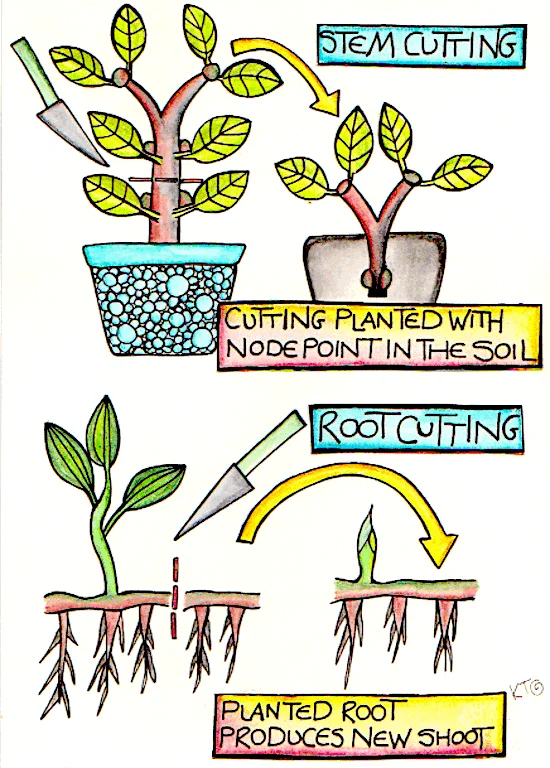
A plant propagator, at its most fundamental, is an enclosed system designed to create and maintain an optimal microclimate for plant growth, particularly during the crucial stages of germination, rooting cuttings, or early seedling development. While the concept itself is ancient – humans have long sought to control growing conditions – modern plant propagators represent a fascinating convergence of horticultural science and advanced technology, transforming them from simple containers into sophisticated environmental control units. Far from just a gardening accessory, these devices are increasingly vital tools within the tech landscape of sustainable agriculture, urban farming, and even hobbyist horticulture, embodying principles of precision agriculture and controlled environment agriculture (CEA).
The Technological Core: Engineering Optimal Growth Environments
The essence of a plant propagator’s technological utility lies in its ability to manipulate key environmental variables with a degree of precision unattainable in open-air conditions. These variables include temperature, humidity, light, and sometimes air circulation and nutrient delivery. By creating a stable, ideal environment, propagators significantly increase success rates for propagation, accelerate growth, and protect delicate young plants from external stressors like pests, diseases, and adverse weather. This engineered environment mimics the perfect conditions a seed or cutting would naturally seek, but with far greater consistency and reliability.
Modern propagators are essentially specialized gadgets, ranging from relatively simple designs to highly automated smart systems. Their primary objective is to bridge the gap between a plant’s vulnerability in its nascent stages and its eventual resilience, providing a controlled transition zone that optimizes survival and vigor. This technological intervention is crucial for propagating difficult-to-root species, ensuring uniformity in commercial crop production, and enabling year-round cultivation regardless of external climate.
Anatomy of a Modern Propagator: Key Technological Components
The effectiveness of a contemporary plant propagator stems directly from its integrated technological components, each playing a critical role in environmental control. Understanding these elements illuminates why propagators are more than just enclosed spaces; they are finely tuned machines for life.
Temperature Regulation Systems
Temperature is perhaps the most critical factor influencing seed germination and root development. Many plant propagators incorporate active heating elements to maintain a consistent substrate or ambient temperature, independent of room conditions.
- Heated Mats and Trays: These are common in entry-level to mid-range propagators. They consist of a resistance wire embedded in a waterproof mat placed beneath seed trays. Thermostats, often digital, allow users to set precise temperature targets, typically between 65-85°F (18-29°C), crucial for activating metabolic processes in seeds and promoting root growth in cuttings. Advanced mats may feature internal sensors for more accurate temperature feedback and uniform heat distribution.
- Integrated Heating Elements: Some larger or more sophisticated propagators incorporate heating coils or PTC (Positive Temperature Coefficient) heaters within the unit’s base or walls, often coupled with small fans for air circulation to ensure even temperature distribution throughout the propagation chamber. These systems often include overheat protection and diagnostic indicators, reflecting their gadget-like design.
Humidity Control Mechanisms
High humidity is vital for germinating seeds and preventing desiccation in unrooted cuttings, which lack the ability to absorb water efficiently through roots. Propagators achieve this primarily through enclosure and intelligent design.
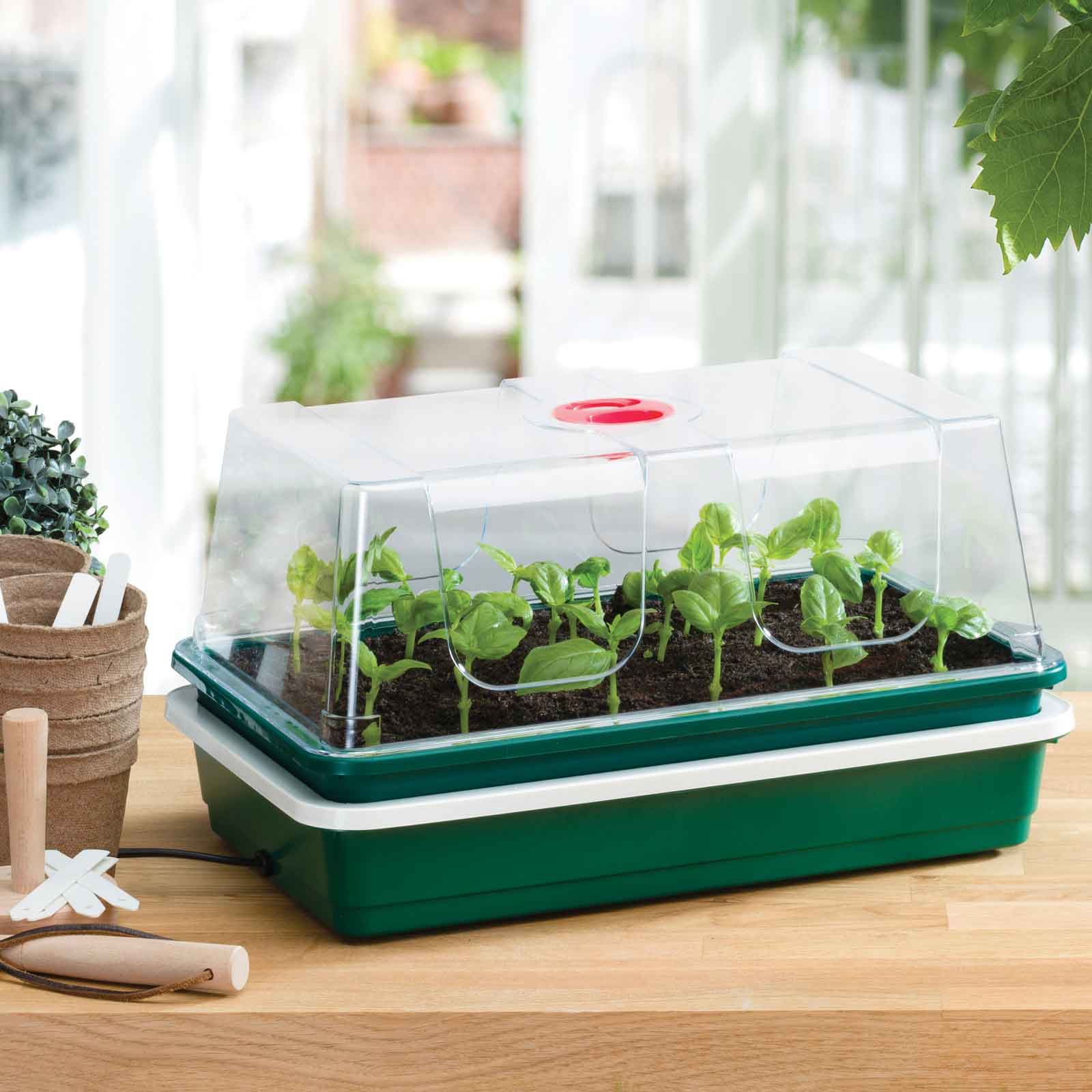
- Clear Domes and Lids: The most ubiquitous feature, these transparent covers trap moisture evaporating from the soil or growing medium, creating a miniature greenhouse effect. Vents, often adjustable, allow users to regulate airflow and reduce humidity as seedlings mature, preventing fungal issues. High-end propagators may feature automated vent systems tied to humidity sensors.
- Misting and Fogging Systems: More advanced propagators, particularly those for commercial use or delicate species, integrate ultrasonic foggers or fine misting nozzles. These systems atomize water into ultra-fine particles, creating a consistent, high-humidity atmosphere without saturating the growing medium, often controlled by humidistats for precise environmental management.
Specialized Lighting Solutions
While not always integrated into basic propagators, dedicated grow lights are often used in conjunction with them, especially in indoor setups or for extending day length. As technology advances, more propagators are incorporating sophisticated lighting.
- LED Grow Lights: Modern propagators frequently pair with or integrate LED grow lights. LEDs are highly efficient, emit specific wavelengths (often blue and red for photosynthesis), generate minimal heat, and have long lifespans. Dimming capabilities and programmable timers allow for precise control over light intensity and photoperiod, crucial for optimal seedling development without etiolation (stretching due to insufficient light).
- Full-Spectrum vs. Targeted Spectrum: High-tech propagators may offer lights with adjustable spectrums, allowing users to fine-tune the light quality to different plant stages or species requirements, a feature common in advanced horticultural tech.
Automation and Monitoring: The Smart Propagator
The frontier of plant propagation lies in its increasing integration with smart technology. These advancements transform passive environments into active, intelligent systems.
- Sensors and IoT Connectivity: High-end propagators often feature an array of sensors to monitor temperature, humidity, light intensity, and even CO2 levels. These sensors feed data to a central control unit, which can then automatically adjust environmental parameters. Many units now offer Wi-Fi or Bluetooth connectivity, allowing users to monitor and control their propagator remotely via a smartphone app.
- Programmable Logic Controllers (PLCs): In commercial-grade propagators, PLCs manage complex sequences of operations, from watering cycles and nutrient delivery to light schedules and ventilation adjustments, ensuring consistent conditions with minimal human intervention.
- Data Logging and Analytics: Smart propagators can log environmental data over time, providing insights into growth patterns and allowing growers to optimize future propagation cycles based on empirical evidence – a direct application of data science in horticulture.
Types of Propagators: From Passive Enclosures to Controlled Ecosystems
The range of plant propagators mirrors the diverse needs of growers and the continuous evolution of horticultural technology.
1. Passive Propagators
These are the simplest forms, essentially clear plastic domes or cloches that fit over seed trays. They rely on ambient temperature and the natural evaporation from the growing medium to create humidity. While effective for basic germination, they offer minimal control and are highly dependent on external conditions. They are a low-tech entry point into controlled growing.
2. Heated Propagators
Adding a thermostatically controlled heating element transforms a passive system into an active one. These units provide a consistent base temperature, significantly improving germination rates, especially for heat-loving species or in cooler environments. They represent a fundamental technological upgrade, offering the first layer of environmental control.
3. Hydroponic and Aeroponic Propagators
Moving beyond soil, these systems utilize water-based nutrient solutions and mist/fog to deliver moisture and nutrients directly to cuttings.
- Hydroponic Propagators: Cuttings are suspended with their bases in a nutrient solution. Systems like deep water culture (DWC) or ebb and flow (flood and drain) are commonly adapted for propagation, using pumps and timers to manage water flow and aeration.
- Aeroponic Propagators: These are among the most technologically advanced. Cuttings are suspended in the air within an enclosed chamber, and their exposed bases are periodically misted with a nutrient solution by high-pressure pumps and fine nozzles. This maximizes oxygen exposure to the root zone, often leading to extremely fast and vigorous root development. They are essentially automated, high-precision nutrient delivery systems.
4. Automated Grow Tents and Chambers
For larger scale operations or dedicated indoor growing, automated grow tents or propagation chambers combine multiple technologies. These systems often include integrated LED lighting, active ventilation (fans and carbon filters), automated watering/feeding systems, temperature and humidity sensors, and programmable controllers. They create a fully enclosed, self-regulating micro-ecosystem, offering unparalleled control over the entire propagation process, from environmental parameters to nutrient ratios. Many are modular and designed to integrate with other smart home or agricultural tech solutions.

The Technological Imperative: Why Modern Propagators Drive Success
The shift towards technologically enhanced plant propagators is not merely a convenience; it’s a strategic move in modern horticulture.
- Precision and Consistency: Technology allows for micro-level control over growing conditions, leading to more uniform germination and rooting, essential for commercial operations requiring consistent product quality and yield predictions.
- Accelerated Growth and Higher Success Rates: By optimizing every environmental factor, propagators can significantly reduce the time it takes for seeds to germinate or cuttings to root, increasing crop turnover and efficiency. The controlled environment also minimizes losses due to environmental stress, pests, or diseases.
- Resource Efficiency: Automated systems can precisely deliver water and nutrients, reducing waste and optimizing resource consumption. Energy-efficient LED lighting further contributes to sustainability.
- Year-Round Cultivation and Geographical Independence: Propagators enable growers to initiate plants regardless of season or climate, supporting indoor farming initiatives and extending growing seasons. This breaks geographical barriers, allowing cultivation in challenging environments.
- Experimentation and Optimization: Data logging and remote monitoring capabilities empower growers to analyze performance, experiment with different environmental parameters, and continuously refine their propagation protocols for various plant species. This data-driven approach is a hallmark of modern agricultural technology.
In conclusion, a plant propagator is an indispensable technological tool for anyone serious about horticulture. From simple heated mats to sophisticated hydroponic chambers with IoT connectivity, these devices exemplify how targeted technological innovation can fundamentally transform natural processes, making them more efficient, predictable, and successful. As agricultural technology continues to evolve, plant propagators will undoubtedly remain at the forefront, bridging the gap between delicate botanical beginnings and robust, thriving plant life.
aViewFromTheCave is a participant in the Amazon Services LLC Associates Program, an affiliate advertising program designed to provide a means for sites to earn advertising fees by advertising and linking to Amazon.com. Amazon, the Amazon logo, AmazonSupply, and the AmazonSupply logo are trademarks of Amazon.com, Inc. or its affiliates. As an Amazon Associate we earn affiliate commissions from qualifying purchases.