
In an increasingly digital landscape, the concept of a “literature note” has evolved far beyond its traditional paper-based origins. At its core, a literature note is a meticulously recorded and organized distillation of insights, arguments, and data gleaned from a source text—be it an academic paper, a book, an article, or even a podcast transcript. Its primary purpose is not merely to summarize, but to capture the essence of the information relevant to one’s own research or intellectual pursuits, making it readily accessible, searchable, and synthesizable for future use. In the tech age, this fundamental practice is amplified and transformed by powerful digital tools, turning a static record into a dynamic knowledge asset.

The modern literature note, therefore, is an interactive artifact within a broader digital knowledge management system. It’s a bridge between consuming information and creating new knowledge, built upon principles of active reading, critical thinking, and structured recall. Far from a simple highlight or a verbatim quote, an effective literature note integrates the reader’s interpretation, questions, and connections to other ideas, all facilitated by an ecosystem of software and digital methodologies.
The Digital Nexus of Research: What is a Literature Note in the Tech Age?
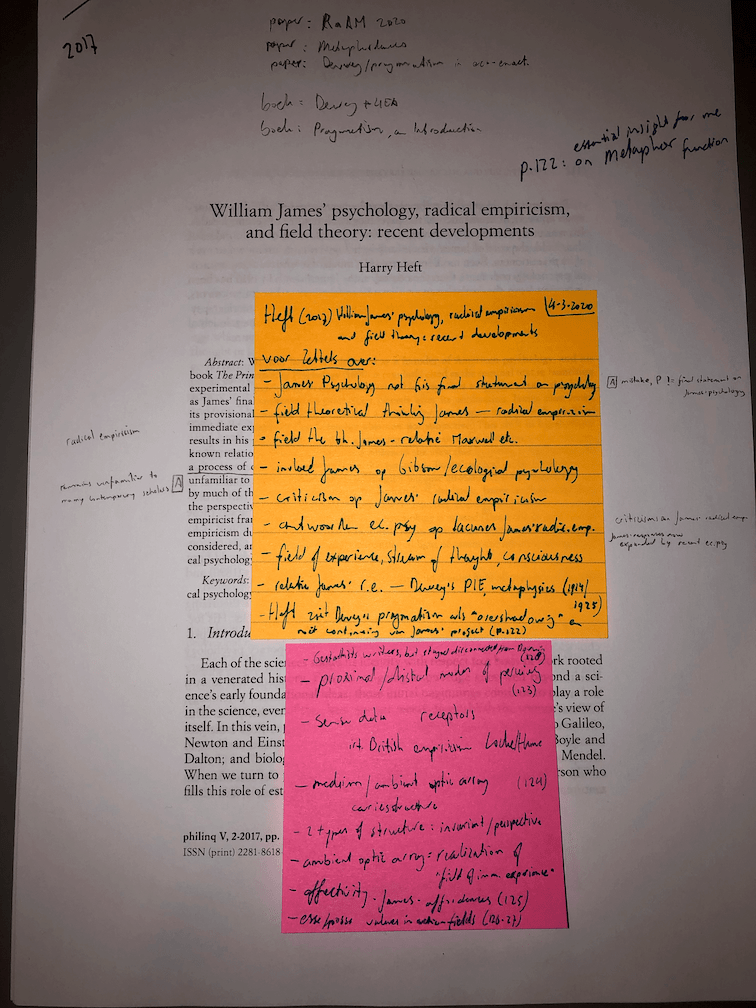
The advent of digital tools has fundamentally reshaped how researchers, students, and lifelong learners interact with and internalize information. A literature note today is often born in a PDF annotator, an e-reader app, or a web clipper, and subsequently refined within a dedicated knowledge management system. This digital transformation addresses many of the limitations of manual methods, offering unparalleled efficiency, searchability, and interconnectedness.
From Pen to Pixel: The Modern Transformation
Historically, literature notes involved index cards, margin scribbles, and meticulously organized binders. While the underlying cognitive process of engagement and extraction remains, the medium has shifted decisively. Digital literature notes leverage computational power to enhance every stage of the knowledge acquisition process. They are not isolated fragments but rather nodes in a personal knowledge graph, capable of linking to original sources, related concepts, other notes, and even external web resources. This digital lineage means notes are never truly lost, can be easily duplicated or modified without degradation, and are always only a few keystrokes away. The tactile experience of paper is replaced by the speed and flexibility of software interfaces, offering features like global search, backlinking, tagging, and automated organization that were once unimaginable.
Core Principles, Digitally Amplified
Despite the technological shift, the core principles guiding effective literature note-taking persist and are often enhanced by digital tools:
- Active Engagement: Digital annotation tools (highlighting, commenting, drawing) allow for deeper, more immediate interaction with the source material directly on the screen.
- Concise Summarization: Note-taking apps provide dedicated spaces to rephrase ideas in one’s own words, fostering comprehension rather than passive absorption.
- Contextualization: Digital notes can embed links to the original source, specific page numbers, or even timestamps in multimedia, ensuring full traceability.
- Interlinking Ideas: Hyperlinking capabilities within software enable the creation of a web of interconnected thoughts, revealing patterns and fostering synthesis across disparate sources.
- Retrievability: Advanced search functions, tag systems, and organized folders within digital note-taking applications make finding specific information exponentially faster than sifting through physical files.
Architecting Knowledge: Essential Tech Features for Literature Note-Taking
The efficacy of modern literature notes is intrinsically linked to the capabilities of the digital tools employed. These tools provide the architecture within which knowledge is built, organized, and retrieved. Understanding these features is crucial for maximizing the utility of literature notes.
Dynamic Capture and Annotation Tools
The first step in creating a literature note is capturing the relevant information. Digital tools offer a diverse array of methods:
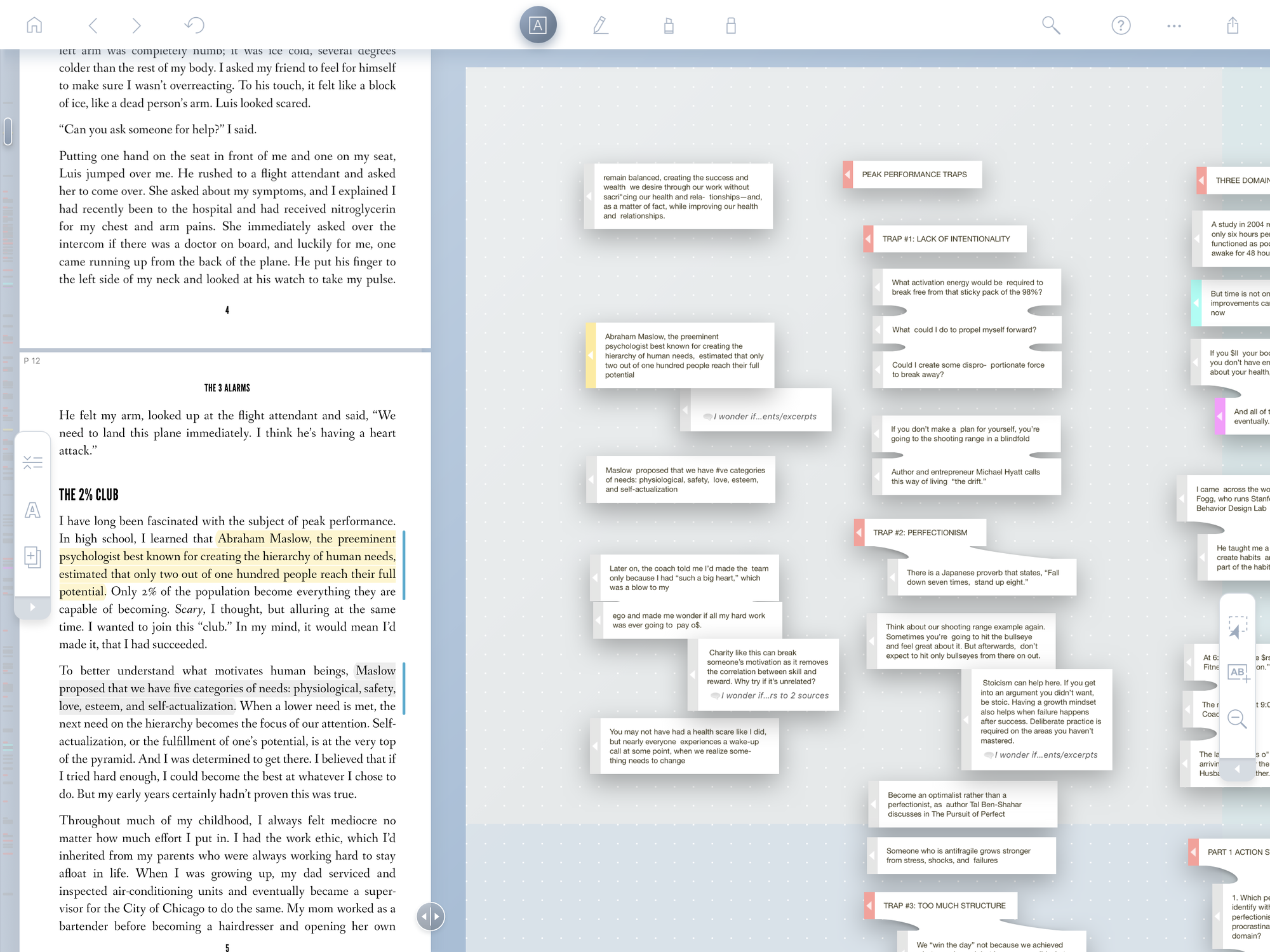
- PDF Annotators: Software like LiquidText, MarginNote, or even built-in features in Adobe Acrobat and Preview allow users to highlight, underline, comment, and draw directly onto digital documents. Some tools even permit “pulling” excerpts into a separate workspace for easier compilation.
- Web Clippers: Browser extensions (e.g., for Evernote, Obsidian, Notion, Readwise) can capture entire web pages, articles, or selected sections, often stripping away distractions and saving them in a readable format for later annotation.
- OCR (Optical Character Recognition): For physical texts or scanned documents, OCR technology transforms images of text into searchable, editable data, making it possible to annotate and extract information digitally.
- Voice-to-Text Transcribers: For audio/video content, tools that transcribe speech allow for the creation of text-based notes that can then be processed like any other document.
Intelligent Organization and Retrieval Systems
Once captured, information needs to be organized in a way that promotes discovery and synthesis. Digital systems excel here:
- Tagging and Metadata: Instead of physical folders, digital notes leverage tags (keywords), categories, authors, dates, and custom fields to create multiple axes of organization. This allows a single note to appear relevant in various contexts without duplication.
- Full-Text Search: The ability to search across the entire content of all notes is a cornerstone of digital knowledge management, eliminating the need for strict pre-categorization and allowing for serendipitous discovery.
- Version Control: Some advanced systems maintain a history of edits, allowing users to revert to previous versions of notes, crucial for long-term projects and iterative thinking.
Interconnectivity and Graph Databases
Perhaps the most transformative tech feature for literature notes is the ability to create explicit and implicit connections between ideas:
- Bidirectional Linking (Backlinks): Tools like Obsidian or Roam Research implement bidirectional links, where creating a link from Note A to Note B automatically creates a reciprocal link from Note B to Note A. This illuminates connections and allows for non-linear exploration of ideas.
- Graph Views: Visual representations of interconnected notes help users identify clusters of related ideas, missing links, and overarching themes in their knowledge base, acting as a powerful conceptual mapping tool.
- Transclusion: The ability to embed content from one note directly into another ensures that a piece of information, once written, can be referenced and displayed in multiple contexts without being re-written, ensuring consistency and reducing redundancy.
Harnessing AI and Automation for Deeper Insights
The latest wave of technological advancement, particularly in artificial intelligence, is poised to further revolutionize literature note-taking, moving beyond mere organization to active insight generation.
AI-Powered Summarization and Abstraction
Generative AI models can process large volumes of text and provide concise summaries, extract key arguments, or identify central themes. While human critical thinking remains paramount, these tools can:
- Initial Triage: Quickly distill the main points of an article, helping users decide if a full read-through is necessary.
- Draft Summaries: Provide a starting point for one’s own literature note summary, reducing the initial cognitive load.
- Keyword Extraction: Automatically identify and suggest relevant tags or keywords for notes, improving discoverability.
Semantic Search and Concept Linking
Beyond simple keyword matching, AI-powered semantic search understands the meaning and context of queries, leading to more relevant results. This can:
- Discover Hidden Connections: Unearth notes that are conceptually related even if they don’t share exact keywords.
- Suggest Related Readings: Based on the content of a literature note, AI can recommend other articles or papers from a user’s library or even external databases.
- Auto-Categorization: AI can suggest categories or groups for new notes based on their content and existing knowledge structure.
Workflow Automation and Integration
Automation allows for seamless movement of information between different tools, streamlining the entire research process:
- Read-it-Later Integrations: Tools like Readwise automatically extract highlights and annotations from e-readers and articles, then feed them into a user’s note-taking system.
- Zapier/IFTTT Automations: Custom workflows can be set up to, for example, send newly saved articles from a web clipper to a specific folder in a note-taking app, or to sync research tasks with a project management tool.
- API Integrations: Many modern note-taking apps offer APIs, allowing developers and advanced users to create custom scripts and integrations that tailor the system precisely to their needs, from batch processing notes to generating reports.
Selecting Your Digital Arsenal: Popular Tools and Platforms
Choosing the right digital tools is critical to building an effective literature note-taking system. The ideal choice often depends on individual workflow, preferences for extensibility, and the nature of the research.
All-in-One Knowledge Management Systems
These platforms aim to be a central hub for all personal knowledge, integrating note-taking with task management, project planning, and more.
- Obsidian: A local-first markdown-based note-taking app that excels at creating interconnected knowledge graphs with powerful plugins and a robust community. Highly customizable and excellent for bidirectional linking.
- Roam Research: Known for its “daily notes” and graph database structure, promoting fluid, non-linear thinking and linking.
- Notion: A highly flexible workspace offering databases, pages, and blocks, making it versatile for both note-taking and comprehensive project management.
- Evernote: A long-standing player, strong for web clipping, OCR for images, and cross-device syncing, though more focused on traditional hierarchical organization.
Specialized Reading and Annotation Apps
These tools focus on optimizing the interaction with source materials before notes are transferred to a broader knowledge base.
- LiquidText: Excellent for iPad users, allowing for dynamic linking between highlights, notes, and original text in a visual workspace.
- MarginNote 3: Combines PDF annotation with mind mapping and outlining features, ideal for students and researchers dissecting complex texts.
- Readwise: An aggregator that pulls highlights and notes from various sources (Kindle, Instapaper, Pocket) and syncs them to other note-taking apps, with a powerful spaced repetition review feature.
Code-Based and Extensible Solutions
For users with technical proficiency or specific needs, more open-ended solutions offer maximum control.
- Zettelkasten with VS Code/Text Editors: Leveraging the Zettelkasten method with plain text files in a code editor offers maximum portability and integration with version control systems like Git.
- Jupyter Notebooks: For researchers working with data and code, Jupyter notebooks allow for combining literature notes, code, and visualizations in a single, executable document.
Optimizing Your Digital Research Workflow
Effective literature note-taking in the tech age is not just about the tools, but how they are integrated into a coherent and sustainable workflow.
Crafting a Seamless Capture-to-Synthesize Pipeline
A good workflow minimizes friction between stages. This might involve:
- Inbox for Raw Captures: Designate a digital inbox (e.g., a specific folder in Obsidian, an Evernote notebook) for all new articles, web clips, and initial thoughts.
- Dedicated Annotation Phase: Schedule time to actively read and annotate within your chosen PDF reader or specialized app.
- Processing to Literature Notes: Systematically transfer highlights and initial annotations into more comprehensive, atomic literature notes within your primary knowledge management system. This involves rephrasing, adding context, linking, and tagging.
- Regular Review and Synthesis: Utilize graph views, daily notes, or periodic review sessions to actively connect ideas, identify emergent themes, and transform individual notes into outlines, drafts, or new insights.
Maintaining Digital Hygiene and Future-Proofing
The ease of digital capture can lead to digital clutter. Best practices include:
- Consistent Naming Conventions: Standardize how you name files and notes for easier search and organization.
- Regular Tagging and Linking: Proactively link new notes to existing ones and apply relevant tags to build a rich, interconnected knowledge base.
- Data Backup: Regularly back up your entire notes library (especially for local-first apps like Obsidian) to cloud services or external drives to prevent data loss.
- Format Portability: Prefer open, non-proprietary formats like Markdown for your notes, ensuring they remain accessible even if your preferred software changes.
Collaborative Tech for Collective Intelligence
Beyond individual use, technology facilitates shared literature note-taking in teams:
- Shared Workspaces: Platforms like Notion, Google Docs, or shared folders in cloud storage allow multiple users to contribute to and comment on literature notes.
- Reference Managers with Annotation: Tools like Zotero or Mendeley allow for shared libraries of research papers, often with collaborative annotation features.
- Version Control for Notes: Using systems like Git for markdown notes enables teams to track changes, merge contributions, and manage conflicts in a structured way, similar to software development.
In summary, a literature note in the modern context is a dynamic, interconnected, and technology-enhanced artifact. It’s a powerful tool for individual learning and collaborative research, designed to transform passive information consumption into active knowledge creation through smart digital practices and robust software ecosystems.
aViewFromTheCave is a participant in the Amazon Services LLC Associates Program, an affiliate advertising program designed to provide a means for sites to earn advertising fees by advertising and linking to Amazon.com. Amazon, the Amazon logo, AmazonSupply, and the AmazonSupply logo are trademarks of Amazon.com, Inc. or its affiliates. As an Amazon Associate we earn affiliate commissions from qualifying purchases.