
The Geometric Foundation: Defining the Leg
At its most fundamental, a leg of a triangle refers to one of the sides that form the triangle. While seemingly straightforward, the term takes on particular significance and often implies a specific context within geometry, especially concerning right triangles. Understanding this core geometric concept is not merely an academic exercise; it provides a foundational insight into shapes, structure, and balance—principles that resonate deeply across various disciplines, including the intricate world of brand design and corporate identity.
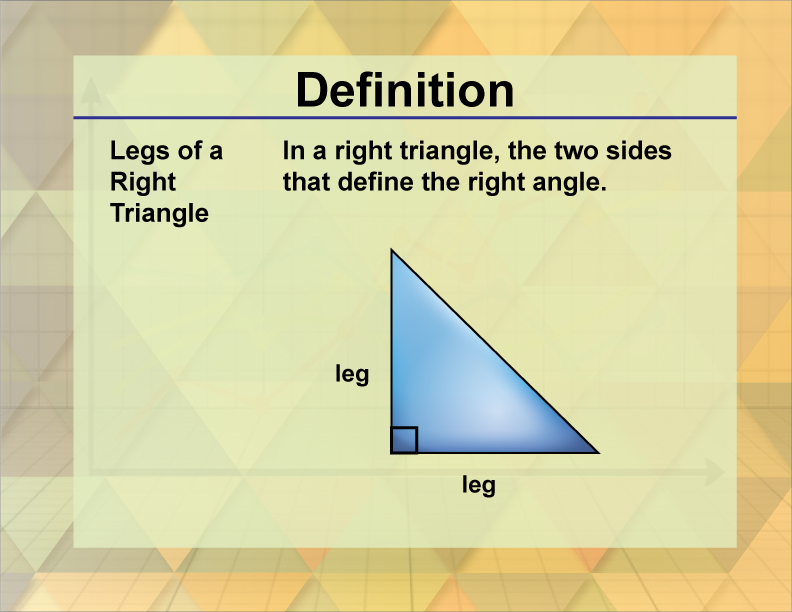
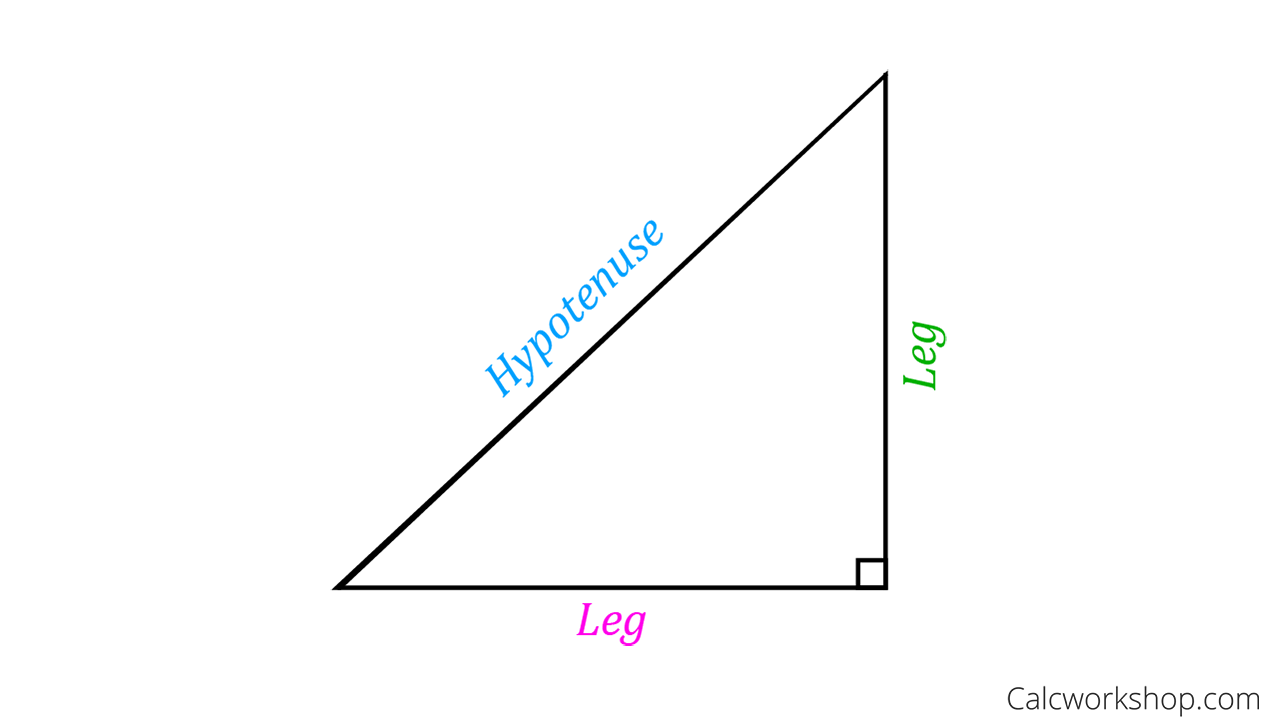
In general terms, any side of a triangle could technically be called a “leg.” However, in common usage and mathematical contexts, “leg” most frequently refers to the two shorter sides of a right triangle that meet at the right (90-degree) angle. These two sides are also known as the cathetus of the right triangle. The third, longest side, opposite the right angle, is always called the hypotenuse. The legs are critical because they dictate the shape and size of the right triangle and are central to the famous Pythagorean theorem.
Identifying the Legs in Different Triangle Types
While the term “leg” is most precisely applied to right triangles, understanding the sides in other triangle types helps contextualize its meaning:
- Right Triangle: As discussed, the two sides adjacent to the 90-degree angle are the legs. They determine the height and base if one leg is considered the base.
- Isosceles Triangle: An isosceles triangle has two sides of equal length. These two equal sides are often referred to as the “legs” of the isosceles triangle, with the third, unequal side being the “base.” The angles opposite these equal legs are also equal.
- Scalene Triangle: A scalene triangle has all three sides of different lengths. In this case, while all three are “sides,” the term “leg” is not typically used to distinguish them, as there’s no inherent equality or a defining right angle to differentiate two particular sides.
The Pythagorean Theorem and Right Triangles
The relationship between the legs and the hypotenuse in a right triangle is famously encapsulated by the Pythagorean theorem: $a^2 + b^2 = c^2$, where ‘a’ and ‘b’ represent the lengths of the two legs, and ‘c’ represents the length of the hypotenuse. This theorem highlights the inherent structural dependency of a right triangle’s components. The legs are not just arbitrary sides; they are the active contributors to the angle and overall form, directly influencing the hypotenuse and the triangle’s area. This foundational understanding of how parts combine to create a stable, predictable whole has profound implications when translating abstract concepts into tangible designs.
Triangles in Brand Design: Stability, Direction, and Dynamic Identity
Beyond the realm of pure mathematics, the triangle, with its distinct legs, stands as one of the most powerful and versatile geometric shapes in visual communication, particularly in brand design. Its inherent properties—stability, direction, and dynamism—make it a cornerstone for crafting compelling corporate identities and marketing visuals. The “legs” of a triangle are not just segments; they are the structural supports and directional vectors that define its visual impact.
The Psychological Impact of Triangles in Logos
Triangles evoke a range of psychological responses due to their sharp angles and defined structure. Pointing upwards, they can symbolize aspiration, growth, leadership, and stability. Pointing downwards, they might suggest descent, caution, or grounding. Sideways, they can imply movement, direction, or progress. This versatility makes them incredibly potent for logos and brand marks. Companies aiming to convey innovation, strength, or forward-thinking often integrate triangular elements into their visual identity. Consider iconic brands across technology, finance, and sports; many leverage the triangle’s robust geometry to communicate their core values without uttering a single word.
How “Legs” Define Brand Visuals: Structure and Balance
In design, the “legs” of a triangle dictate its specific form and perceived attributes.
- Equilateral triangles, where all three legs are equal, convey perfect balance, equality, and strength. They are often used by brands seeking to project reliability and universal appeal.
- Isosceles triangles, with two equal legs, can suggest dynamism and focus. Depending on the orientation, they can create a sense of upward momentum or grounded stability with a specific direction.
- Right triangles, with their distinct perpendicular legs, introduce a strong sense of order, precision, and efficiency. They are frequently used in designs that need to convey technical accuracy, logical structure, or a cutting-edge approach. The clear demarcation of the legs in a right triangle lends itself to crisp, modern aesthetic that communicates clarity and purpose.
The length and angle of these legs dictate the overall harmony and tension within a design. Designers meticulously adjust these elements to achieve specific visual effects, ensuring that the chosen triangle form perfectly aligns with the brand’s desired message and aesthetic.
Corporate Identity and the Three-Pillar Analogy

The concept of a triangle’s legs extends metaphorically into the strategic architecture of corporate identity. Just as the legs provide structural integrity to a geometric shape, foundational “legs” support a robust brand strategy. These metaphorical legs represent the core pillars or values that uphold a brand’s existence and guide its communication.
Metaphorical Legs: Building Blocks of Brand Strategy
A strong corporate identity is often built upon three fundamental pillars, much like a triangle’s three sides providing stability. These might include:
- Mission & Vision: The overarching purpose and future aspirations of the company.
- Values & Culture: The guiding principles and internal ethos that define how the company operates.
- Unique Selling Proposition (USP): What makes the brand distinct and valuable to its target audience.
These three “legs” or pillars are interdependent; weaken one, and the entire structure of the brand’s identity can become unstable. Understanding the relationship between these strategic components is akin to understanding how the legs of a triangle interact to form a coherent whole. A brand with clearly defined, robust “legs” in its strategy is better equipped to convey a consistent message, resonate with its audience, and maintain its integrity over time.
Visual Harmony: Applying Geometric Principles to Brand Elements
The application of geometric principles, particularly those derived from triangles, goes beyond just the logo. It influences layout design, typography alignment, color palette distribution, and even photographic composition within brand collateral. A brand guide might stipulate the use of triangular grids or compositional rules to ensure visual consistency across all touchpoints.
For instance, the strategic placement of visual elements using a triangular composition can lead the viewer’s eye through a marketing piece, creating a dynamic yet balanced experience. This is not about randomly inserting triangles but rather understanding the inherent strength and directional cues they provide. The “legs” of these implicit triangles guide the viewer, ensuring that key messages and brand elements receive appropriate attention and contribute to an overall harmonious and impactful visual narrative.
Practical Applications in Marketing and Visual Communication
The deliberate use of triangular forms, informed by an understanding of their constituent “legs,” is a powerful tool in a designer’s arsenal for marketing and visual communication. It enables the creation of visuals that are not only aesthetically pleasing but also strategically effective.
Designing for Impact: Leveraging Triangular Forms
In advertising, the strategic placement of headlines, images, and call-to-action buttons often follows implicit triangular compositions to draw the eye and guide focus. A headline might form one leg, an aspirational image another, and the brand’s logo or product a third, culminating in a visually engaging and persuasive layout. This leverages the triangle’s inherent ability to create focal points and direct attention.
Product packaging, website layouts, and even presentation slides benefit from designs that subtly incorporate triangular structures. The sharp angles and defined boundaries, created by the interplay of the “legs,” can convey modernity, efficiency, and forward momentum, aligning perfectly with brands that wish to project innovation and progress.
Consistency Through Geometric Cohesion
For a brand to be truly effective, its visual identity must be consistent across all platforms. This consistency is greatly aided by establishing a foundational geometric framework. By understanding how the “legs” of triangles contribute to specific visual characteristics, designers can create a visual language that is cohesive and instantly recognizable. This might involve:
- Repetition of angular motifs: Reinforcing the brand’s modern, dynamic image.
- Consistent use of triangular cropping: Applying a unified visual style to images.
- Strategic alignment based on triangular grids: Ensuring layout harmony across diverse media.
This meticulous approach ensures that whether a consumer encounters the brand on a billboard, a mobile app, or a social media post, the underlying geometric principles provide a unifying visual thread, strengthening the overall brand perception and recall.
Beyond the Basics: Evolving Brand Aesthetics with Geometric Understanding
The “leg of a triangle” might begin as a simple geometric definition, but its implications for brand design are vast. It underscores the importance of understanding fundamental building blocks—whether they are mathematical sides, strategic pillars, or visual components—in crafting something enduring and impactful. Brands that embrace a deep understanding of geometry, recognizing how elements like the legs of a triangle contribute to stability, direction, and aesthetic appeal, are better positioned to evolve their identity, adapt to new trends, and maintain a powerful presence in the ever-changing marketplace. It’s a testament to how foundational concepts, rigorously applied, can lead to sophisticated and compelling brand narratives.
aViewFromTheCave is a participant in the Amazon Services LLC Associates Program, an affiliate advertising program designed to provide a means for sites to earn advertising fees by advertising and linking to Amazon.com. Amazon, the Amazon logo, AmazonSupply, and the AmazonSupply logo are trademarks of Amazon.com, Inc. or its affiliates. As an Amazon Associate we earn affiliate commissions from qualifying purchases.