
The concept of “lease length” is fundamental to a vast array of financial agreements, dictating the duration of a contractual arrangement between a lessor (owner) and a lessee (user) for the temporary use of an asset. Far beyond a simple timeline, lease length profoundly influences financial commitments, flexibility, risk exposure, and long-term planning for individuals and businesses alike. Understanding its nuances is crucial for making informed financial decisions, whether it involves real estate, vehicles, equipment, or even software.
The Fundamentals of Lease Length in Financial Agreements
At its core, lease length specifies the period during which a lessee is entitled to use an asset in exchange for periodic payments to the lessor. This duration is a cornerstone of the lease agreement, directly impacting the total financial obligation and the terms governing the asset’s use. It’s a critical variable that shapes the financial landscape for both parties involved.
Defining Lease Length
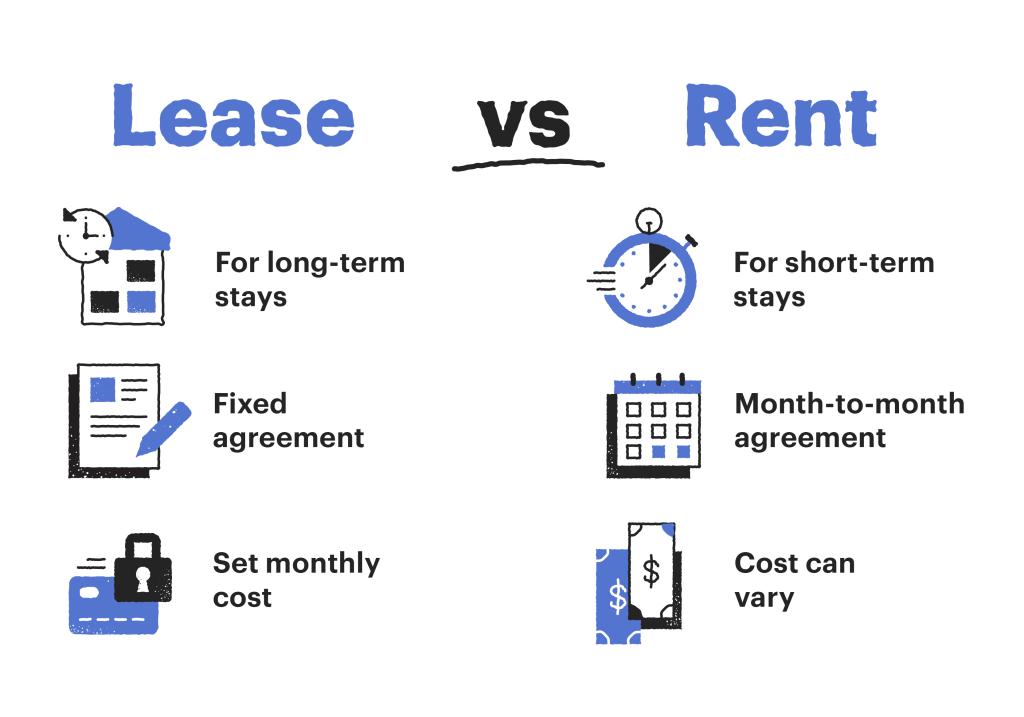
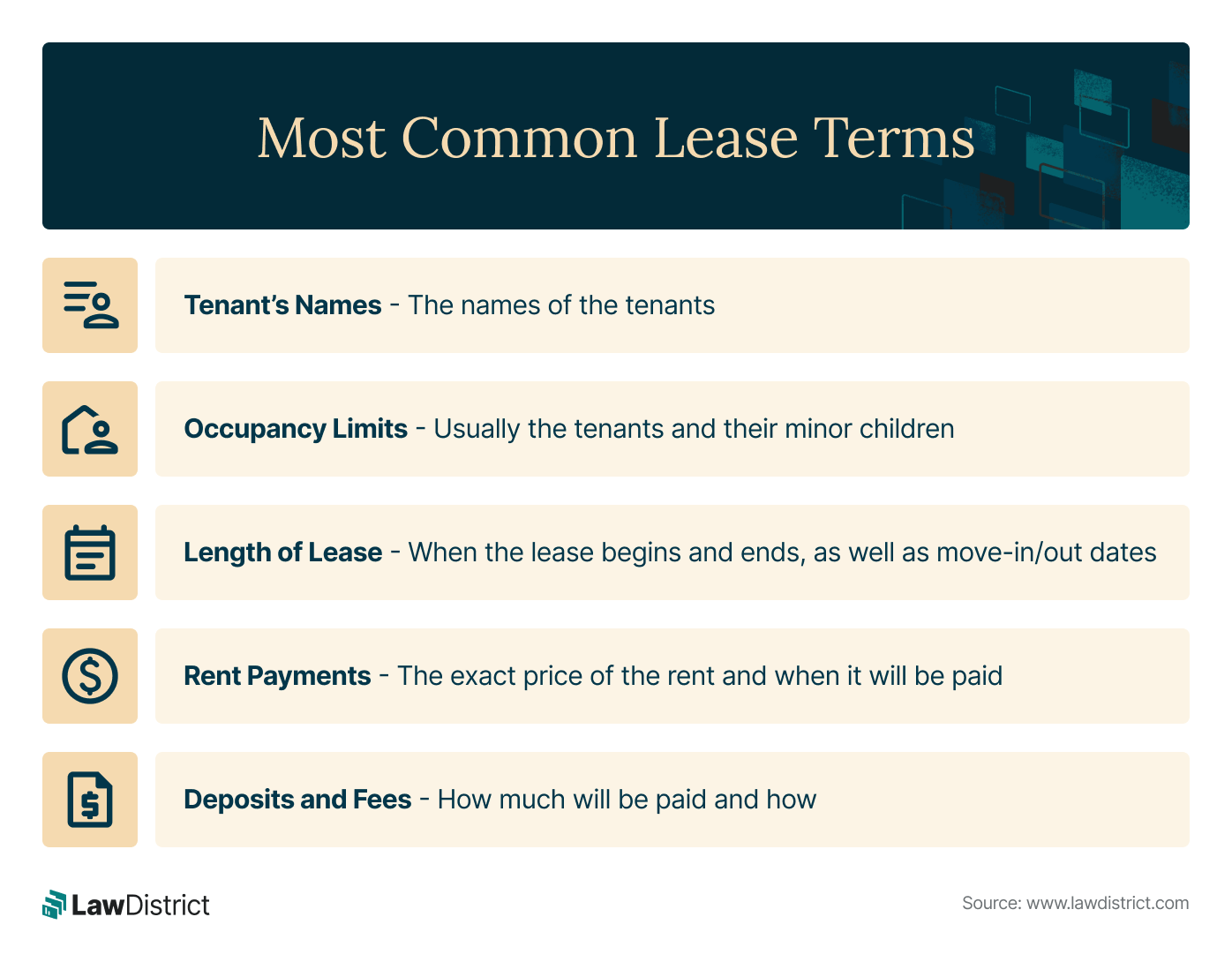
Lease length refers to the predetermined duration, typically expressed in months or years, for which a lease agreement remains in effect. During this period, the lessee has the right to possess and use the leased asset, while the lessor retains ownership and receives rental payments. This duration dictates the frequency and amount of payments, the terms of use, and the responsibilities of each party. For instance, a 12-month residential lease establishes a year-long financial commitment for a tenant, whereas a 60-month equipment lease signifies a five-year operational expense for a business. The specified length is a binding element that ensures predictability and stability for the duration of the contract, outlining when the agreement will naturally conclude or require renewal.
Short-Term vs. Long-Term Leases
The distinction between short-term and long-term leases is primarily about the duration and the associated financial implications.
- Short-term leases typically range from a few months up to one year. Examples include month-to-month residential leases, short-term car rentals, or seasonal equipment leases. They offer significant flexibility to the lessee, allowing for quicker adaptation to changing circumstances, market conditions, or personal needs. However, this flexibility often comes at a higher per-period cost, as lessors bear increased administrative burdens, higher turnover risks, and potentially more frequent void periods. From a financial perspective, short-term leases generally involve higher monthly payments compared to their long-term counterparts for similar assets, reflecting the premium placed on adaptability and reduced commitment.
- Long-term leases generally span one year or more, extending to several years, sometimes even decades for commercial properties or major industrial equipment. These leases are characterized by greater stability and often lower average monthly payments due to the extended commitment. They are ideal for lessees seeking predictability in expenses, securing assets for long-term operations, or avoiding the immediate capital outlay of purchase. For lessors, long-term leases provide a more stable income stream and reduce the costs associated with frequent tenant or asset turnover. However, they also expose the lessee to less flexibility, potentially locking them into terms that may become unfavorable if market conditions or their needs change significantly. The financial benefits of lower recurring costs are often weighed against the reduced agility.
Key Elements Influencing Lease Length
Several factors converge to determine an appropriate lease length for a given asset and situation. The type of asset is paramount: real estate leases (residential or commercial) often differ significantly from vehicle or equipment leases. For instance, residential leases commonly range from 6 to 24 months, while commercial real estate can see leases stretching to 5, 10, or even 20 years, reflecting the substantial investment in tenant improvements and the need for business stability. Industry standards also play a crucial role, as certain sectors have customary lease durations based on asset lifecycle, technological obsolescence, or business models. Furthermore, the financial goals of both the lessee and the lessor heavily influence the negotiation. Lessees might prioritize lower monthly payments (favoring longer terms) or maximum flexibility (favoring shorter terms), while lessors seek stable rental income (preferring longer terms) or the ability to frequently adjust pricing to market rates (allowing for shorter terms). Ultimately, the chosen lease length is a strategic financial decision tailored to specific circumstances and objectives.
Financial Implications Across Different Lease Types
The chosen lease length carries distinct financial implications depending on the asset being leased. Each category presents unique cost structures, risks, and benefits that must be carefully evaluated.
Real Estate Leases
Real estate leases, whether residential or commercial, represent significant financial commitments heavily influenced by their duration.
- Residential Leases: Typically range from 6 months to 2 years, with 12-month leases being most common. A longer lease (e.g., 2 years) can offer the tenant rent stability, protecting them from annual rent increases and providing a predictable housing expense. For landlords, it guarantees a consistent income stream and reduces the costs and risks associated with tenant turnover. However, longer residential leases also limit a tenant’s flexibility to relocate without incurring early termination penalties, which can be substantial (e.g., two months’ rent). Renewal options are common, often with a rent adjustment clause. Security deposits, usually one to two months’ rent, are held for the duration and returned upon lease end, contingent on property condition.
- Commercial Leases: These often span 3, 5, 10 years, or even longer, reflecting the larger investments involved for both parties. For businesses, a longer commercial lease provides stability for operations, business planning, and budgeting, allowing for significant tenant improvements (TIs) with the assurance of a prolonged occupancy. Rent escalations, often tied to a percentage increase or an index like the Consumer Price Index (CPI), are standard features, meaning rent payments will increase over the lease term. Break clauses, while rare, may allow for early termination under specific conditions, often with a hefty penalty. The financial impact extends to balance sheets, as long-term leases may need to be recognized as assets and liabilities under accounting standards like ASC 842 or IFRS 16, influencing a company’s financial ratios and creditworthiness.
Vehicle Leases
Vehicle leases are a popular alternative to purchasing a car, typically structured over 24 to 48 months, with 36 months being a common duration.
- Monthly Payments: Lease length directly affects monthly payments. A shorter lease generally results in higher monthly payments because the depreciation of the vehicle is spread over fewer installments. Conversely, longer leases have lower monthly payments, as depreciation is amortized over a more extended period.
- Mileage Limits: Leases invariably include annual mileage limits (e.g., 10,000-15,000 miles). Exceeding these limits incurs significant per-mile charges at the end of the lease, which can quickly add up. A longer lease means a greater chance of accumulating excess mileage if not carefully monitored.
- Wear and Tear: Lessors define “normal wear and tear.” Anything beyond this, categorized as excessive, can lead to charges upon vehicle return. The longer the lease, the higher the likelihood of incurring such charges.
- End-of-Lease Options: At the end of the lease, lessees typically have three options: return the vehicle, buy it out (purchase it for a predetermined residual value), or lease a new vehicle. The buyout option requires a lump sum payment or financing, which must be weighed against the vehicle’s market value at that time. Financially, vehicle leases offer lower initial out-of-pocket expenses and often lower monthly payments than financing a purchase, but the lessee builds no equity in the asset.
Equipment Leases
Businesses frequently lease equipment, from office machinery to heavy industrial apparatus, to manage cash flow and keep technology current. Lease lengths vary widely, from a few months for specialized tools to several years for large machinery.
- Capital Expenditure vs. Operational Expenditure: Equipment leases allow businesses to acquire assets without a large upfront capital expenditure, treating payments as operational expenses. This can improve cash flow and free up capital for other investments. The classification of a lease as operating or finance (capital) has significant accounting and tax implications.
- Lease-to-Own Options: Many equipment leases offer a purchase option at the end of the term, allowing businesses to buy the equipment for a residual value. The lease length directly impacts this residual value and the total cost of ownership if the buyout option is exercised.
- Technology Obsolescence: For rapidly evolving technology (e.g., computers, software), shorter lease lengths are financially advantageous as they allow businesses to upgrade to newer models more frequently, avoiding the burden of owning obsolete equipment. Longer leases might lock a company into outdated technology, hindering productivity and competitiveness. Maintenance clauses are also critical, clarifying who bears the cost of repairs and servicing over the lease term.
Software/Service Leases (Subscriptions)
While often termed “subscriptions,” these arrangements are essentially short-term leases for access to software or services, typically on a monthly or annual basis.
- Flexibility and Scalability: Short lease terms (monthly subscriptions) offer immense flexibility, allowing businesses to scale services up or down based on immediate needs. This minimizes financial waste on unused licenses or capacities.
- Ongoing Cost: Unlike a one-time software purchase, subscriptions represent an ongoing operational expense. The lease length (monthly vs. annually) impacts the payment frequency and sometimes the per-period cost, with annual subscriptions often offering a discount.
- Cash Flow Management: Subscriptions allow for predictable, incremental budgeting, avoiding large upfront software licensing fees. However, over many years, the cumulative cost of subscriptions can exceed the cost of a one-time perpetual license, if available. Understanding the total cost over a planned usage period is essential for financial evaluation.

Strategic Considerations for Determining Optimal Lease Length
Choosing the right lease length is a strategic financial decision that balances various factors for both the lessee and the lessor. It’s about optimizing financial stability, flexibility, cost, and risk management.
For the Lessee (Individual/Business)
The lessee’s perspective heavily weighs current financial health against future uncertainties and strategic goals.
- Financial Stability and Budgeting: A primary consideration is how lease length impacts monthly cash flow and long-term financial planning. Longer leases often mean lower monthly payments, which can be beneficial for managing a tight budget or preserving working capital for businesses. However, committing to a longer term means a less adaptable fixed expense. Conversely, shorter leases entail higher monthly costs but provide more flexibility for budgeting changes or shifts in financial capacity. The optimal length aligns with the lessee’s predictable income and expenditure patterns.
- Flexibility vs. Cost Savings: This is a classic trade-off. Shorter leases offer maximum flexibility, allowing for rapid adjustments to market changes, personal circumstances, or business needs. This agility comes at a premium, often in the form of higher monthly payments. Longer leases, while reducing monthly costs, lock the lessee into an agreement for an extended period, potentially at the expense of adaptability. Businesses with stable, long-term operational needs might prioritize cost savings and predictability, whereas startups or individuals with uncertain futures might prefer the flexibility of shorter terms.
- Future Needs and Growth Projections: For businesses, lease length must align with growth strategies. An expanding company might choose a shorter commercial lease initially to allow for relocation to a larger space in a few years, or a longer one if they anticipate needing significant time for tenant improvements. For individuals, family plans (e.g., needing more space, job relocation) can influence residential lease choices. Aligning the lease term with foreseeable changes minimizes the risk of expensive early termination or the inconvenience of outgrowing the leased asset.
- Market Conditions: Prevailing interest rates, property values, and supply-demand dynamics can influence the attractiveness of different lease lengths. In a rising market, locking in a long-term lease can provide protection against future price increases. In a declining market, a shorter lease might be preferable to allow for renegotiation at lower rates later.
- Exit Strategies: Understanding the clauses for lease renewal, early termination, and buyout options is critical. A well-defined exit strategy, even at the outset, provides a financial safety net and clarity on potential costs should circumstances change unexpectedly.
For the Lessor (Landlord/Provider)
Lessors strategically choose lease lengths to optimize income, manage risk, and minimize administrative burdens.
- Vacancy Risk and Tenant Turnover: Shorter leases inherently carry higher vacancy risks and increased tenant turnover. Each transition means potential periods without rental income, marketing costs, and administrative efforts for finding new lessees. Longer leases, conversely, provide stable, predictable income streams and reduce these turnover-related expenses, making them attractive for maximizing property or asset utilization.
- Investment Return and Asset Depreciation: For assets with long useful lives, such as real estate or industrial equipment, longer leases ensure a more consistent return on investment and allow for the amortization of the asset’s cost over a predictable period. This is particularly important for lessors with high acquisition costs. Shorter leases, while allowing for price adjustments, might not guarantee sufficient income to cover depreciation and initial investment over their term.
- Administrative Burden: Managing a portfolio of short-term leases involves significantly more administrative work—frequent negotiations, background checks, maintenance requests, and move-in/move-out logistics. Longer leases reduce this burden, streamlining operations and freeing up resources.
- Market Adaptability: While longer leases offer stability, they can limit a lessor’s ability to quickly adjust rental pricing in response to favorable market changes. In a rapidly appreciating market, shorter leases allow lessors to capture higher rents more frequently. The choice often reflects a balance between guaranteed income and the potential for increased profits from market fluctuations.
Navigating Lease Renewals, Extensions, and Early Terminations
The end of a lease term isn’t always a hard stop; it often presents options for continuation or requires careful navigation to avoid penalties.
Renewal and Extension Clauses
Many lease agreements include provisions for renewal or extension, offering both parties an opportunity to continue their arrangement beyond the initial term.
- Automatic Renewals: Some leases, especially for services or equipment, feature “evergreen” clauses, meaning they automatically renew for a specified period (e.g., month-to-month or another year) unless explicitly terminated by either party within a certain notice period. While convenient, lessees must be vigilant about these clauses to avoid inadvertently committing to an unwanted extension.
- Negotiation Periods: For larger assets like real estate, leases typically specify a window (e.g., 60-90 days before expiration) during which renewal terms can be negotiated. This allows lessees to assess their needs and market conditions, and lessors to adjust pricing based on current values. Successfully negotiating a favorable renewal can save significant costs and disruption compared to relocating.
Early Termination Penalties
Terminating a lease before its agreed-upon length almost invariably incurs financial penalties, designed to compensate the lessor for lost income and administrative costs.
- Financial Consequences: Penalties vary widely but can include paying a lump sum equivalent to several months’ rent, forfeiting security deposits, or being responsible for rent until a new lessee is found. Commercial leases might involve more complex calculations, including accelerated payment of the remaining lease term or compensation for unamortized tenant improvements.
- Legal Implications: Early termination breaches a contract, potentially leading to legal action if penalties are not paid or if the termination isn’t handled according to the lease’s specific clauses.
- Mitigation Strategies: Some leases include “break clauses” that allow early termination under specific circumstances (e.g., job relocation) with a predefined penalty. Subleasing or assigning the lease to a new party can also mitigate costs, but these options usually require lessor approval and can still involve administrative fees or continued liability for the original lessee.
Buyout Options
Common in vehicle and equipment leases, a buyout option allows the lessee to purchase the asset at the end of the lease term for a predetermined residual value.
- Evaluating Financial Sense: Lessees must assess whether the buyout price is financially advantageous compared to the asset’s current market value and its remaining useful life. If the residual value is lower than the market value, purchasing the asset can be a sound investment. Conversely, if the market value has depreciated significantly more than anticipated, it might be more prudent to return the asset.
- Total Cost of Ownership: When considering a buyout, it’s essential to factor in the cumulative lease payments, the buyout price, and any potential maintenance or repair costs. This allows for a comprehensive understanding of the total cost of owning the asset versus continuous leasing.
Legal and Financial Due Diligence
Regardless of the lease type or length, thorough due diligence is non-negotiable for protecting financial interests and avoiding future complications.
Understanding Lease Agreements
A lease agreement is a legally binding contract, and understanding every clause is paramount. Beyond the stated rent and term, critical elements often include:
- Rent Escalation Clauses: How and when rent increases will occur (e.g., annual percentage, CPI adjustment).
- Maintenance and Repair Responsibilities: Clearly delineating who is responsible for specific repairs and routine maintenance.
- Utilities and Operating Expenses: For commercial leases, understanding what is included in the base rent versus additional charges (e.g., triple net leases).
- Force Majeure Clauses: Provisions outlining what happens in unforeseen circumstances (e.g., natural disasters, pandemics) that prevent occupancy or operation.
- Default and Remedies: Specific actions considered a breach of contract and the lessor’s rights in such events. Ignorance of these clauses can lead to significant financial liabilities.
Seeking Professional Advice
Navigating complex lease agreements, especially for commercial properties or high-value equipment, often warrants professional guidance.
- Financial Advisors: Can help assess the financial impact of different lease lengths, evaluate lease vs. buy scenarios, and align the lease strategy with broader financial goals.
- Real Estate Agents/Brokers: Specializing in commercial leasing, they can provide market insights, negotiate favorable terms, and identify suitable properties.
- Legal Counsel: An attorney can review the lease agreement for unfavorable clauses, ensure compliance with local laws, and protect the lessee’s rights, significantly mitigating legal and financial risks. The upfront cost of professional advice is often a worthwhile investment compared to potential future liabilities.
Impact on Credit Scores
Like any financial obligation, timely payment of lease installments can positively impact a lessee’s credit score, demonstrating financial responsibility. Conversely, missed or late payments, or defaulting on a lease, can severely damage creditworthiness, affecting future borrowing capacity for loans, mortgages, or even other lease agreements. For businesses, lease payment history can impact their commercial credit score, which is vital for securing financing and establishing vendor relationships. Therefore, managing lease obligations diligently is an integral part of maintaining a healthy financial profile.
aViewFromTheCave is a participant in the Amazon Services LLC Associates Program, an affiliate advertising program designed to provide a means for sites to earn advertising fees by advertising and linking to Amazon.com. Amazon, the Amazon logo, AmazonSupply, and the AmazonSupply logo are trademarks of Amazon.com, Inc. or its affiliates. As an Amazon Associate we earn affiliate commissions from qualifying purchases.