
A kissing gate, seemingly a quaint fixture of rural landscapes, is far more than a simple barrier. From a technological perspective, it represents a masterful synthesis of mechanical engineering, access control, and user experience design, all realized through remarkably low-tech means. It is, in essence, an elegant analog “gadget” engineered for a specific function: to permit pedestrian passage while rigorously preventing the movement of livestock. Understanding its operational principles offers insights into fundamental concepts that resonate even within contemporary digital security and interface design.
Engineering Simplicity: The Mechanics of an Analog Access Device
At its core, a kissing gate is a sophisticated piece of mechanical engineering designed for effective physical access control. Its genius lies in its simplicity and the synergy of its few components.
Core Components and Operational Physics
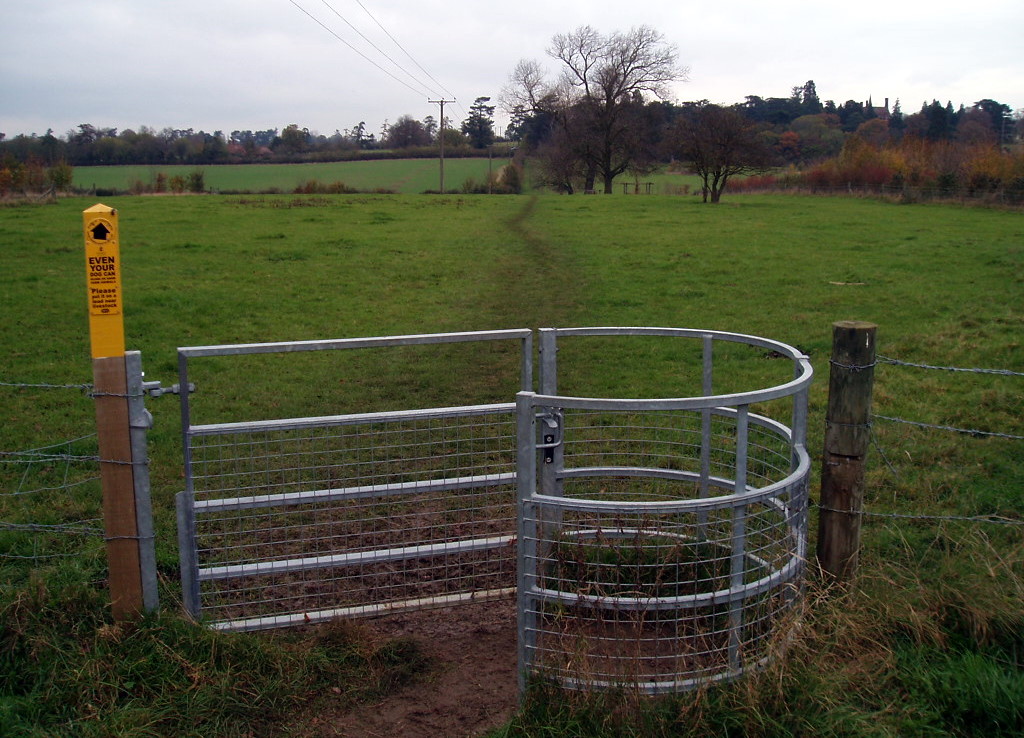
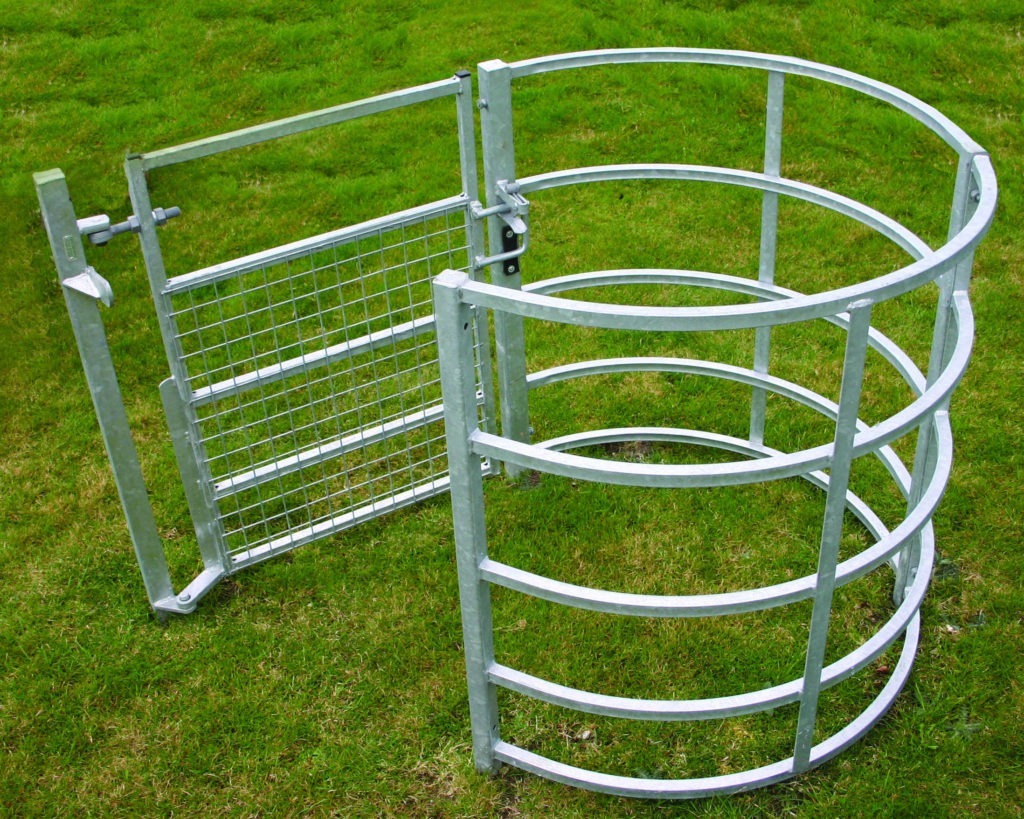
The typical kissing gate comprises several key elements: a gate post, the gate itself (often a single bar or a small, lightweight frame), and an enclosing structure. This enclosure is usually a circular or semi-circular pen, or sometimes a ‘V’ shape, constructed from sturdy materials like wood or metal fencing. The gate is pivoted on a central post within this enclosure.
The operational principle hinges on rotational mechanics. The gate swings on its pivot, typically through an arc of about 90 to 180 degrees. When a pedestrian approaches, they push the gate into the enclosure, step into the small space, and then push the gate past them to exit. Crucially, the gate is often designed to be self-closing, returning to a neutral, closed position after passage. This self-closing mechanism is usually achieved through gravity, where the gate’s balance point causes it to naturally fall back, or via simple spring hinges. This ensures that the gate is always secured against animal escape without manual intervention, a primitive yet effective form of automated security.
Design for Exclusion and Inclusion
The critical innovation of the kissing gate’s design lies in its ability to selectively allow passage. The dimensions of the enclosure are precisely calibrated: large enough to comfortably accommodate a single person, but too restrictive for most livestock, such as cattle or sheep. The gate itself acts as a moving barrier within this tight space. As a person pushes the gate, the gate rotates into one part of the enclosure, creating an opening for the person to step into. Once inside, the person then pushes the gate the other way to exit. At no point is there a gap large enough for an animal to exploit.
This careful calibration of space and movement creates a highly efficient “algorithm” for access control. It manages flow, ensures single-file entry, and maintains containment simultaneously. This low-tech marvel perfectly exemplifies how design can solve complex problems with minimal moving parts.
Material Science and Durability
The choice of materials for kissing gates is a testament to their longevity and resilience, akin to the robust chassis design of durable gadgets. Traditionally, they are constructed from treated timber, renowned for its strength, natural aesthetic integration, and resistance to environmental degradation. In more modern or heavily trafficked installations, galvanised steel or other metals are used, offering superior strength, minimal maintenance, and resistance to wear and corrosion. The selection of materials is not arbitrary; it’s an engineering decision based on factors like anticipated load, weather exposure, and expected lifespan, ensuring the gate functions reliably for decades with minimal ‘downtime’ or ‘maintenance cycles.’
Physical Security Protocols: A Low-Tech Firewall
While lacking digital components, the kissing gate functions as a robust physical security system, mirroring concepts found in advanced network security and digital access control. It serves as a physical firewall, meticulously controlling entry and exit points.
Preventing Unwanted Access: The Containment Strategy
The primary security objective of a kissing gate is containment: preventing livestock from straying from their designated pastures into adjacent fields or onto public roads. The gate’s design effectively blocks large animals due to the restrictive dimensions of the enclosure and the continuous barrier presented by the swinging gate. This “containment strategy” directly parallels the function of network firewalls that block unauthorised traffic or intrusion detection systems that identify and prevent unwanted entry into digital environments. Just as a firewall inspects packets, a kissing gate physically inspects and filters entities attempting passage.
Single-User Authentication (Physical Style)
Perhaps one of the most intriguing parallels to digital security is the kissing gate’s inherent enforcement of single-user passage. Its design makes it practically impossible for more than one person to pass through comfortably at a time. This physical constraint acts as a rudimentary form of “single-factor authentication” or “serialization” of users. Each user must interact with the system individually before the next user can proceed. This prevents congestion, ensures orderly passage, and, more importantly for its primary purpose, denies any opportunity for multiple animals to rush through simultaneously, which could compromise the containment. This is a physical manifestation of rate limiting, a common technique in API security to prevent abuse.
Resilience Against Tampering: Analog Security
The kissing gate’s simple, robust construction makes it remarkably resilient against attempts to bypass its security. Unlike complex electronic systems that can be vulnerable to hacking or sophisticated physical attacks, a well-built kissing gate is difficult for animals to breach and relatively resistant to human tampering without significant force or specialized tools. Its “security through simplicity” design means there are few points of failure, and its operational mechanism is transparent, leaving little room for exploitation. This robustness is a sought-after quality in any security system, physical or digital.
User Experience and Interface Design in Analog Systems
Even without glowing screens or touch sensors, the kissing gate offers a profound lesson in user experience (UX) and interface design. Its physical form is its interface, guiding user interaction and shaping the overall experience.
Intuitive Interaction: A Universal Interface
The interaction with a kissing gate is inherently intuitive. There’s no instruction manual needed; the physical layout naturally guides the user to push the gate in one direction, step in, and then push it the other way to exit. This simplicity of interaction is a hallmark of excellent UX design – whether for a physical device or a digital application. The gate’s physical affordances (how its design suggests its use) are strong, minimizing cognitive load and ensuring a seamless, friction-free experience for most users. It’s a truly universal interface, requiring no prior knowledge or special training.
Accessibility Considerations (and Limitations)
A critical aspect of evaluating any gadget or software is its accessibility. While elegant for an unencumbered walker, the kissing gate reveals its limitations when confronted with broader accessibility needs. Its tight enclosure, while effective for animal containment, often makes it challenging or impossible for users in wheelchairs, those with prams, large backpacks, or significant mobility impairments. This serves as a real-world “review” of its design, highlighting that even the most elegant solutions may have trade-offs in universal accessibility. Modern design principles, whether for web applications or public infrastructure, now prioritize inclusive design from the outset, a lesson learned from the limitations of such historically functional designs.
Environmental Integration: Seamless Design
Unlike many modern gadgets that stand out starkly against their surroundings, a well-designed kissing gate blends seamlessly into the natural or rural landscape. Its use of natural materials and its often understated presence make it an integral, rather than intrusive, part of the environment. This reflects a deep understanding of environmental integration, where functionality does not come at the expense of aesthetic harmony. It demonstrates how “design” can be about more than just usability; it can also be about contextual fit and visual appeal, principles increasingly valued in the design of sustainable technology and smart infrastructure.
The Legacy of Simple Mechanisms in Modern Tech
The fundamental principles embedded within the kissing gate — controlled access, flow management, and robust containment — continue to find sophisticated application in contemporary technology.
Principles in Modern Access Control
The direct lineage of the kissing gate’s principles can be seen in various modern access control systems. Turnstiles, ubiquitous in public transport hubs, stadiums, and office buildings, are direct mechanical descendants, enforcing single-person entry and exit. Speed gates in corporate lobbies, biometric access gates, and even the logic behind single-sign-on (SSO) systems or two-factor authentication (2FA) for digital services, all echo the kissing gate’s core objective: to verify and control individual passage through a defined bottleneck, ensuring security and orderly flow. The goal is the same, but the implementation has evolved from physical mechanics to digital algorithms and sensors.
The ‘Smart Gate’ Concept: Bridging Analog and Digital
While the traditional kissing gate remains a purely mechanical device, its foundational purpose makes it ripe for “smart” enhancements, illustrating how even ancient ‘gadgets’ can intersect with contemporary tech trends like IoT (Internet of Things) and AI tools. Imagine a kissing gate equipped with discreet sensors: infrared beams to count pedestrian traffic, pressure sensors to detect livestock presence, or even micro-generators harnessing its motion for power. This data could feed into a remote monitoring system, providing usage analytics, detecting unusual activity, or even alerting maintenance teams to potential issues. In emergencies, remote-controlled locking or unlocking mechanisms could be integrated, or small screens could display local information, turning a simple barrier into a node within a broader smart ecosystem, without necessarily sacrificing its traditional charm.

Beyond the Pasture: Applying Kissing Gate Logic
The logic of the kissing gate—creating a controlled bottleneck to manage flow and prevent unauthorized infiltration—transcends its physical application. In digital security, this principle is foundational to network traffic management, data packet filtering, and preventing Denial-of-Service (DoS) attacks, where systems are designed to process requests individually and reject suspicious or excessive traffic. Login queues, CAPTCHAs, and rate limiting APIs all emulate the kissing gate’s function, ensuring that digital “passages” are used legitimately and do not become avenues for exploitation. Thus, this seemingly rustic gate offers timeless lessons in building secure, efficient, and user-centric systems, a testament to the enduring power of well-conceived design.
aViewFromTheCave is a participant in the Amazon Services LLC Associates Program, an affiliate advertising program designed to provide a means for sites to earn advertising fees by advertising and linking to Amazon.com. Amazon, the Amazon logo, AmazonSupply, and the AmazonSupply logo are trademarks of Amazon.com, Inc. or its affiliates. As an Amazon Associate we earn affiliate commissions from qualifying purchases.