
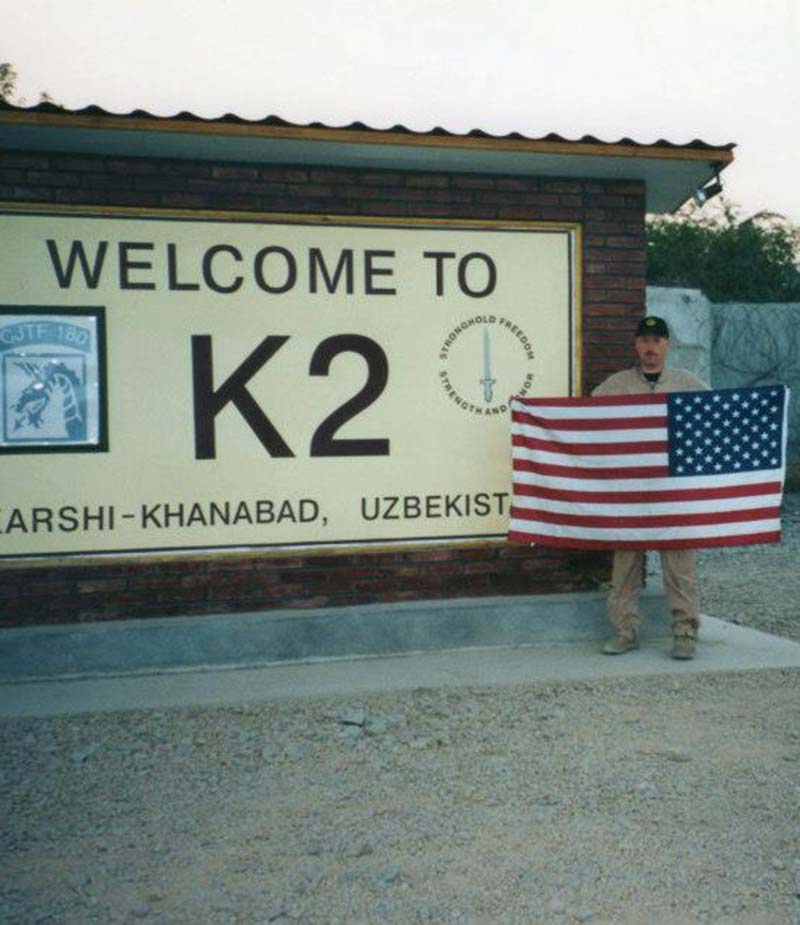
The term “K2 veteran” carries significant weight, referring specifically to military personnel who served at Karshi-Khanabad Air Base, Uzbekistan, between 2001 and 2005. Often dubbed “Ground Zero of the Global War on Terror” due to its strategic importance shortly after the 9/11 attacks, K2 served as a critical forward operating base for operations in Afghanistan. However, this deployment came with a unique and severe set of environmental hazards, creating a lasting legacy of health and financial challenges for those who served there. Understanding who a K2 veteran is goes beyond mere military service; it delves into the long-term economic and health implications that necessitate careful financial planning and resource navigation. For these individuals, the financial landscape is often intertwined with unique health considerations, making targeted financial strategies not just beneficial, but essential.
Understanding the K2 Veteran: Service and its Lasting Financial Reverberations
The service at Karshi-Khanabad Air Base (K2) placed veterans in an environment fraught with documented toxic exposures, leading to a complex array of potential health issues. This historical context is paramount to understanding the distinct financial considerations facing this specific veteran population.
The Karshi-Khanabad Air Base (K2) Deployment
K2, also known as Camp Stronghold Freedom, was a pivotal but temporary U.S. military base established in southern Uzbekistan. Thousands of U.S. service members, contractors, and civilians cycled through this base, which was critical for launching intelligence, surveillance, and reconnaissance missions, as well as special operations into Afghanistan. The conditions at K2 were austere, and the pace of operations intense. While vital to national security, the base’s location and historical use posed significant health risks that were not fully understood at the time of deployment. These risks have since been documented, leading to a growing recognition of the unique sacrifices made by K2 veterans.
Unique Exposures and Their Potential Economic Burden
Numerous reports and studies have highlighted the presence of significant environmental contaminants at K2. These included exposure to black mold, burn pits, depleted uranium, chemical agent resistant coating (CARC) paint, and various volatile organic compounds from jet fuel and industrial waste. These exposures have been linked to a higher incidence of various cancers, respiratory illnesses, autoimmune disorders, and other chronic health conditions among K2 veterans.
The direct financial burden of these health issues is multifaceted. Veterans may face:
- High medical costs: Even with health insurance, co-pays, deductibles, and expenses for specialized treatments or therapies can quickly accumulate.
- Loss of income: Chronic illness or disability can lead to reduced work hours, inability to perform certain jobs, or complete withdrawal from the workforce, severely impacting earning potential.
- Caregiver expenses: Some veterans may require ongoing assistance, leading to costs for professional caregivers or significant time commitment from family members, which also represents an economic cost.
- Prescription drug costs: Managing multiple chronic conditions often entails a regimen of costly medications.
These potential economic strains underscore the critical need for K2 veterans to engage in robust financial planning, specifically tailored to navigate these complex health-related realities.
Navigating Service-Connected Financial Support and Healthcare Costs
For K2 veterans grappling with service-related health conditions, understanding and accessing available financial support and managing healthcare expenses are paramount to maintaining financial stability.
VA Disability Compensation: A Critical Income Stream
The Department of Veterans Affairs (VA) disability compensation offers a tax-free monetary benefit to veterans with disabilities that are a result of diseases or injuries incurred or aggravated during active military service. For K2 veterans, establishing a service connection for illnesses linked to environmental exposures at the base is a vital step. The PACT Act (Honoring Our Promise to Address Comprehensive Toxics Act of 2022) has been particularly transformative in this regard. It designates several conditions as presumptive for K2 veterans, meaning the VA presumes the illness was caused by military service without the veteran needing to prove a direct link. This greatly simplifies the claims process and increases the likelihood of receiving compensation.
K2 veterans should:
- Understand presumptive conditions: Familiarize themselves with the list of conditions now presumed to be service-connected for K2 veterans under the PACT Act.
- Gather medical evidence: While presumptive, thorough medical records documenting diagnosis and treatment remain crucial for a robust claim.
- Seek assistance: Utilize Veterans Service Organizations (VSOs) like the DAV, VFW, or American Legion, which offer free professional assistance in filing and appealing VA claims.
- Periodically review ratings: If conditions worsen or new conditions emerge, veterans can seek an increased disability rating.
This compensation can provide a stable, tax-free income stream, offsetting lost wages and helping to cover medical expenses, thus forming a cornerstone of financial security.
Healthcare Access and Managing Out-of-Pocket Expenses
Access to comprehensive healthcare is another critical component of a K2 veteran’s financial plan. Enrollment in VA healthcare offers a range of services, often at low or no cost, depending on the veteran’s disability rating, income, and other factors.
Key strategies for managing healthcare costs include:
- Enrolling in VA healthcare: This should be a priority for all eligible K2 veterans.
- Understanding co-pays and deductibles: While many services are free for veterans with service-connected disabilities, some may incur co-pays based on income.
- Exploring community care options: When the VA cannot provide specific care within a reasonable timeframe or distance, veterans may be eligible for community care through non-VA providers, with costs covered by the VA.
- Supplemental insurance: For those with higher incomes or specific needs not fully met by VA healthcare, private supplemental insurance might be a consideration, though it comes with additional premiums.
- Prescription management: Utilizing VA pharmacies for prescriptions is generally the most cost-effective option.
Exploring Ancillary Benefits and Aid Programs
Beyond direct disability compensation, K2 veterans may be eligible for a host of other financial benefits and aid programs:
- Aid and Attendance or Housebound benefits: These are additional monetary payments for veterans requiring assistance with daily living activities or who are largely confined to their homes due to service-connected disabilities.
- Special Monthly Compensation (SMC): This is a higher rate of compensation paid to veterans with certain severe disabilities or combinations of disabilities.
- State and local veteran benefits: Many states offer property tax exemptions, reduced vehicle registration fees, educational benefits for dependents, and other forms of financial relief for disabled veterans.
- Non-profit assistance: Organizations dedicated to supporting veterans often provide financial grants, housing assistance, or other forms of aid for those facing hardship.

Proactive research and engagement with these resources can significantly alleviate financial pressures and improve a K2 veteran’s quality of life.
Strategic Financial Planning for K2 Veterans: Securing Future Prosperity
Beyond addressing immediate needs, long-term financial planning is crucial for K2 veterans to build enduring security and achieve their financial goals, factoring in their unique circumstances.
Retirement and Investment Strategies
Retirement planning for K2 veterans may need to consider potential fluctuations in health and employment stability. A diversified approach is often recommended:
- Maximizing VA benefits: As mentioned, disability compensation can serve as a foundational, tax-free income stream in retirement.
- Government retirement plans: For those employed by the federal government, FERS (Federal Employees Retirement System) offers a robust plan.
- Employer-sponsored plans (401k, 403b): Contribute at least enough to receive any employer match, which is essentially free money.
- Individual Retirement Accounts (IRAs): Roth IRAs offer tax-free withdrawals in retirement, which can be particularly advantageous if future tax rates are higher or if disability compensation keeps taxable income low now. Traditional IRAs offer tax-deductible contributions.
- Emergency fund: A robust emergency fund, ideally six to twelve months of living expenses, is especially critical for K2 veterans given potential health-related work interruptions.
- Investment diversification: Spread investments across different asset classes (stocks, bonds, real estate) to manage risk. Consider seeking advice from a financial advisor specializing in veteran financial planning.
Leveraging Educational Benefits for Career Advancement
The Post-9/11 GI Bill and other VA education programs offer invaluable financial support for K2 veterans pursuing higher education or vocational training. This can be a powerful tool for career advancement, increasing earning potential, and adapting to new careers if health conditions necessitate a change from previous professions.
- Tuition and fees: The GI Bill can cover the full cost of in-state public tuition and fees, or a significant portion for private and foreign schools.
- Housing allowance (MHA): This monthly stipend helps with living expenses while attending school.
- Book and supply stipend: Funds are provided to cover educational materials.
- Vocational Readiness and Employment (VR&E): Veterans with service-connected disabilities may qualify for VR&E services, which provide career counseling, training, and job placement assistance. This can be particularly beneficial for K2 veterans whose health may impact their ability to perform certain types of work.
Strategically using these benefits can lead to increased earning power, making a significant difference in long-term financial health.
Debt Management and Credit Resilience
Managing debt and maintaining strong credit are essential components of financial stability for all individuals, including K2 veterans. Unexpected medical expenses or periods of unemployment can quickly escalate debt.
- Budgeting: Create a detailed budget to track income and expenses, identifying areas where spending can be reduced.
- Prioritizing high-interest debt: Focus on paying off credit card debt or personal loans with high interest rates first.
- Student loan considerations: Explore federal student loan forgiveness programs or income-driven repayment plans, especially for disabled veterans.
- Credit monitoring: Regularly check credit reports for errors and signs of identity theft. Maintaining good credit is crucial for accessing loans for homes or businesses at favorable interest rates.
- Housing assistance: For veterans struggling with housing, the VA offers programs like the Specially Adapted Housing (SAH) or Special Housing Adaptation (SHA) grants for certain service-connected disabilities, and VA home loan benefits provide favorable terms for homeownership.
Entrepreneurship and Income Diversification: Building Financial Independence
Many K2 veterans, whether due to a desire for greater autonomy, health considerations requiring flexible work, or an entrepreneurial spirit, explore business ownership and diversified income streams. This path can lead to significant financial independence.
Identifying Business Opportunities and Side Hustles
Entrepreneurship offers control over work environment, hours, and earning potential, which can be particularly appealing for K2 veterans.
- Leveraging existing skills: Identify skills acquired in military service (leadership, logistics, technical expertise) or prior civilian careers that can translate into a business venture.
- Health-conscious ventures: Consider businesses that can be operated remotely, from home, or with flexible hours to accommodate health appointments or energy fluctuations. Examples include consulting, freelance writing, web design, e-commerce, or specialized trade services.
- Identifying market needs: Research local or online markets for unmet demands that a veteran-owned business could fill.
- Franchising: For those who prefer a more structured approach, veteran-friendly franchises often provide established business models and support.
Accessing Veteran Business Resources and Funding
Starting a business requires capital and support. K2 veterans have access to specific resources:
- Small Business Administration (SBA) initiatives: The SBA offers numerous programs for veterans, including Boots to Business training, contracting opportunities, and direct loan programs (e.g., SBA Express loans, Military Reservist Economic Injury Disaster Loans).
- Veteran Business Outreach Centers (VBOCs): These centers provide business training, counseling, and referrals to veteran entrepreneurs.
- Government contracting preferences: Veteran-Owned Small Businesses (VOSBs) and Service-Disabled Veteran-Owned Small Businesses (SDVOSBs) receive preference in federal contracting, opening doors to significant revenue streams.
- Non-profit grants and loans: Various non-profit organizations and private foundations offer grants or low-interest loans specifically for veteran entrepreneurs.
- Mentorship: Seek out veteran entrepreneurs or business mentors who can provide guidance and insights.

Adapting Financial Goals to Health Considerations
Entrepreneurship, while rewarding, also carries financial risks. K2 veterans must factor their health into their business and financial plans:
- Health insurance planning: Ensure robust health insurance coverage is in place, especially if leaving traditional employment with benefits.
- Contingency planning: Build a strong business emergency fund to cover periods of illness or reduced work capacity.
- Scaling operations: Design a business that can be scaled up or down as health permits, allowing for flexibility.
- Estate planning: Comprehensive estate planning, including wills, trusts, and powers of attorney, becomes even more critical for business owners and those with complex health situations.
- Professional financial advice: Working with a financial planner who understands the unique financial landscape of veterans, particularly those with service-connected health issues, can provide invaluable guidance in balancing entrepreneurial ambition with health realities.
In essence, being a K2 veteran signifies a service member who made profound sacrifices, facing unique and severe environmental hazards that continue to impact their lives. Their financial journey is often complex, requiring a proactive, informed, and strategic approach to managing health-related costs, maximizing earned benefits, and building a secure future through diligent planning and leveraging available resources.
aViewFromTheCave is a participant in the Amazon Services LLC Associates Program, an affiliate advertising program designed to provide a means for sites to earn advertising fees by advertising and linking to Amazon.com. Amazon, the Amazon logo, AmazonSupply, and the AmazonSupply logo are trademarks of Amazon.com, Inc. or its affiliates. As an Amazon Associate we earn affiliate commissions from qualifying purchases.