
Horehound candy, a confection often shrouded in nostalgia and historical mystique, represents a fascinating case study in brand longevity and the enduring power of a distinct corporate identity. More than just a sweet treat, horehound candy embodies a heritage brand, distinguishing itself through a unique flavor profile, historical associations, and a steadfast niche market presence. Understanding “what is a horehound candy” requires delving beyond its ingredients into its strategic positioning as a timeless, functional confection.
The Heritage Brand Identity of Horehound Candy
The essence of horehound candy’s brand identity is intrinsically linked to its origins and the potent plant from which it derives its name. Marrubium vulgare, or white horehound, has a storied history in herbal medicine, dating back to ancient Egypt and Rome, where it was revered for its purported therapeutic properties. This deep-rooted association with wellness and natural remedies forms the foundational layer of horehound candy’s brand.
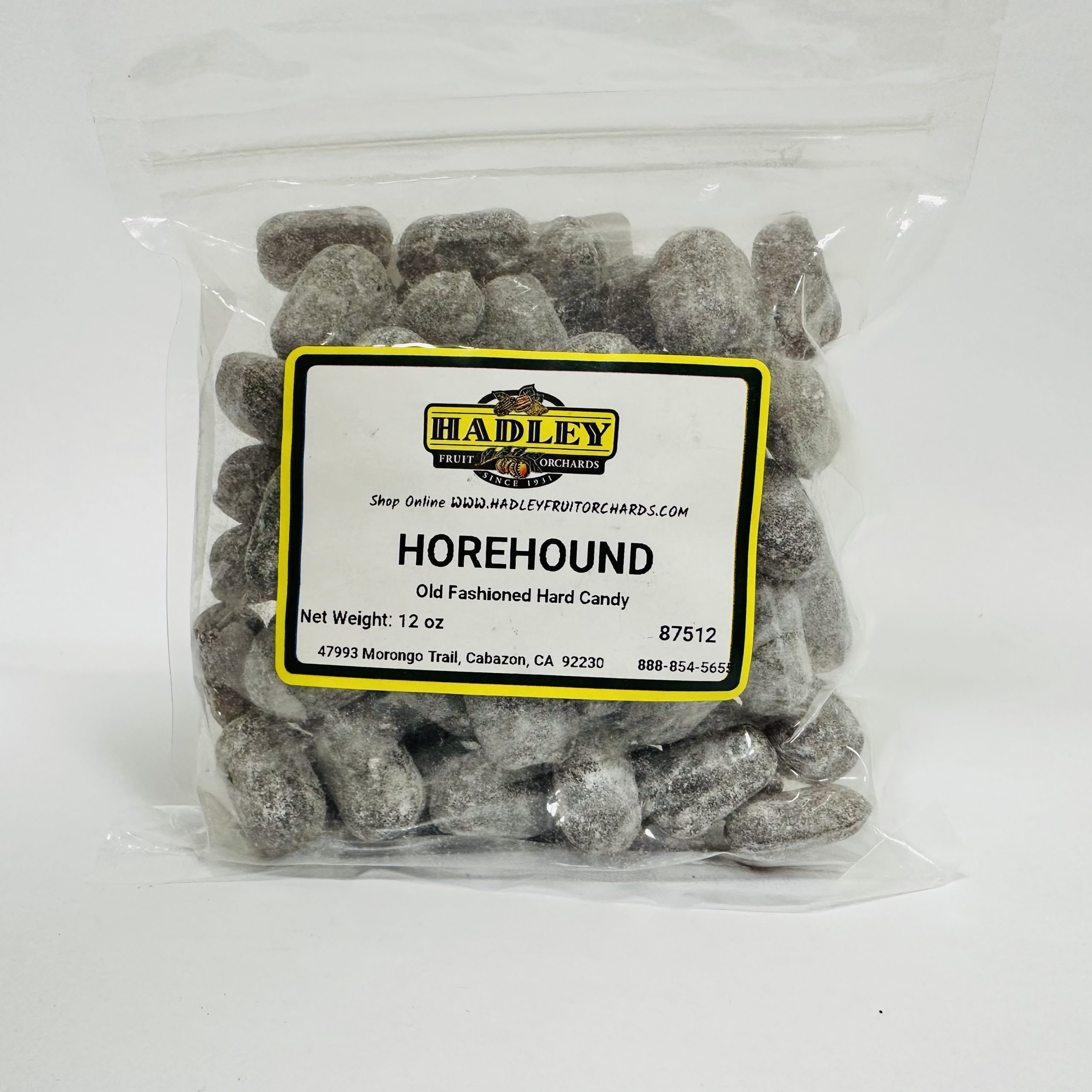
From Folk Remedy to Confectionary Icon
Historically, horehound was consumed as a decoction, syrup, or lozenge to alleviate coughs, sore throats, and digestive issues. When sugar became more widely available and confectionery techniques advanced, horehound was naturally integrated into candy production, primarily as a hard candy or lozenge. This transition wasn’t merely about creating a new sweet; it was about transforming a functional medicinal ingredient into a palatable, portable, and accessible format. The candy thus inherited the plant’s reputation, positioning itself not just as a sugary delight, but as a soothing balm. This functional branding, even if unstated in modern packaging, is a core component of its identity, distinguishing it from purely indulgent sweets. It speaks to a time when food and medicine were often intertwined, giving the candy an authentic, almost ancestral, brand story.
Visual and Sensory Branding: A Mark of Authenticity
The visual branding of horehound candy is often characterized by simplicity and tradition. Packaging frequently features understated designs, sometimes depicting the horehound plant itself or employing classic fonts and color palettes that evoke a sense of history and natural goodness. There’s rarely a need for flashy marketing; its brand equity is built on authenticity and an established legacy.
From a sensory perspective, the flavor itself is a powerful brand identifier. Horehound candy possesses a distinctive, earthy, slightly bitter, yet subtly sweet taste that is instantly recognizable to those familiar with it. This unique flavor profile acts as a natural differentiator, setting it apart from the overwhelmingly sweet or fruit-flavored candies that dominate the modern market. For consumers, this distinct taste is not just a preference; it’s a connection to a specific tradition and a flavor experience that defies contemporary trends. It’s a flavor that requires a certain palate, fostering a loyal, almost connoisseur-like, following.
Unique Selling Proposition: Flavor and Functionality as Brand Pillars
At the heart of horehound candy’s enduring presence is its powerful unique selling proposition (USP), which masterfully combines its distinctive flavor with its perceived functional benefits. Unlike many modern confections that focus purely on novelty or intense sweetness, horehound candy has consistently leveraged its dual identity as both a palatable treat and a soothing aide.
The Distinctive Flavor Profile: A Niche Aesthetic
The flavor of horehound candy is not universally appealing, which paradoxically strengthens its brand. It’s an acquired taste—a complex blend of bitterness, earthiness, and a nuanced sweetness, often with a slight menthol-like finish. This characteristic taste is derived directly from the marrubiin compound found in the horehound plant. For those who appreciate it, this flavor is not merely pleasant; it’s evocative. It conjures memories, offers a sense of comfort, and provides a unique sensory experience that cannot be replicated by other candies.
In a market saturated with generic flavors, horehound candy’s bold and uncompromising taste acts as a powerful brand filter. It attracts a specific demographic—often those seeking traditional flavors, natural remedies, or simply an escape from the conventional. This niche aesthetic has allowed the brand to avoid direct competition with mainstream candy giants, carving out its own loyal consumer base rather than trying to appeal to everyone. This commitment to its original flavor profile, despite evolving consumer tastes, speaks to a strong brand conviction and an understanding of its core audience.
Functional Benefits: The Unspoken Value Proposition
While modern food regulations often restrict explicit health claims on confectionery, the functional aspect of horehound candy remains an implicit, yet crucial, element of its brand value. Consumers often seek out horehound candy for its perceived ability to soothe a scratchy throat, calm a cough, or even aid digestion. This association stems directly from its herbal lineage and is reinforced through generations of anecdotal evidence.
This unspoken value proposition transforms the candy from a simple indulgence into a product that offers a practical benefit. It’s not just a candy; it’s a “comfort candy,” a “remedy candy,” or a “throat soother.” This dual functionality provides a stronger rationale for purchase, especially during cold and flu season, or for individuals who prefer natural alternatives. The brand subtly communicates this through its traditional appearance and by leveraging consumer knowledge of its historical uses, creating a trust born from efficacy rather than just taste. This strategic positioning in the consumer’s mind as a beneficial product, even without overt claims, is a testament to savvy, long-term brand building.

Niche Market Positioning: A Resilient Corporate Identity
Horehound candy’s survival and sustained presence in the highly competitive confectionery market are a masterclass in effective niche market positioning. While it doesn’t command the mass appeal of global candy brands, its corporate identity is defined by resilience, tradition, and an unwavering focus on its distinct demographic.
Targeting the Traditionalist and the Health-Conscious
The primary target audience for horehound candy typically includes consumers who value tradition, seek out natural or historical remedies, and appreciate unique, often less-sweet, flavor profiles. This demographic often skews older, drawn by nostalgia and familiarity, but also includes younger consumers interested in artisanal products, herbalism, or simply unique culinary experiences.
The candy’s availability in apothecaries, specialty food stores, and natural health shops, rather than solely in mainstream supermarkets, is a deliberate strategy to reinforce its niche identity. This distribution model ensures that it reaches its core audience effectively, where its story and distinct value proposition resonate most strongly. It avoids the brand dilution that could occur by trying to compete on every shelf against every type of candy. This selective market presence strengthens its authenticity and exclusivity, making it a “find” rather than just another impulse buy.
Longevity Through Consistency and Authenticity
Many heritage brands falter by attempting to modernize or broaden their appeal in ways that compromise their core identity. Horehound candy, in contrast, has largely maintained its original formulation and presentation, embracing its status as a classic. This consistency is a cornerstone of its corporate identity, conveying reliability and authenticity to its loyal consumer base.
In an age of rapid product cycles and fleeting trends, horehound candy stands as a testament to the power of a stable brand. Its brand promise is implicitly about continuity: “This is the horehound candy you remember; this is the horehound candy that works.” This steadfastness builds deep trust and creates a strong sense of brand loyalty, allowing it to navigate economic shifts and evolving consumer tastes without losing its soul. Its brand messaging, even when subtle, emphasizes its heritage, naturalness, and time-tested quality, ensuring its relevance to generations of consumers seeking comfort in the familiar.
Marketing and Preservation of a Classic Confection
The marketing of horehound candy, while not employing large-scale advertising campaigns, is a sophisticated exercise in preserving brand equity through storytelling, controlled distribution, and an understanding of cultural resonance. Its continued existence is a testament to effective brand management that prioritizes legacy over fleeting trends.
Storytelling as a Marketing Pillar
For horehound candy, its history is its most potent marketing tool. The narrative of its herbal origins, its use by pioneers and early settlers, and its role as a traditional household staple forms a compelling brand story. This narrative is often communicated implicitly through packaging design, product descriptions in specialty stores, and word-of-mouth. Consumers aren’t just buying a candy; they’re buying a piece of history, a connection to a simpler time, or a traditional remedy passed down through generations. This deep storytelling creates an emotional bond with the brand, making it more than just a product, but an experience. Brands that can evoke such powerful narratives often enjoy unparalleled loyalty and differentiation.
Leveraging Nostalgia and Specific Demographics
Nostalgia is a powerful emotional driver, and horehound candy expertly taps into this. For many, the candy is a conduit to childhood memories, connecting them to grandparents, family traditions, or specific cultural moments. Marketing efforts, even informal ones, often play on this sense of reminiscence, positioning the candy as a beloved classic that stands the test of time.
Furthermore, the candy’s brand strategy implicitly targets demographics interested in niche or artisanal food products. These consumers are often willing to seek out and pay a premium for items with a rich backstory and unique qualities, distinguishing horehound candy from mass-produced sweets. Its positioning in health food stores, specialty candy shops, and online platforms dedicated to heritage goods ensures it reaches these specific consumer segments effectively.

The Future of a Timeless Brand
The preservation of horehound candy as a brand relies on maintaining its core identity while subtly adapting to modern contexts. This might involve emphasizing its natural ingredients, promoting its unique flavor for culinary experimentation, or even subtle updates to packaging that highlight its artisanal quality without sacrificing its traditional aesthetic. The challenge lies in introducing the candy to new generations without diluting the very heritage that defines its brand.
Ultimately, horehound candy is a robust example of a heritage brand that has carved out and maintained a resilient corporate identity. It demonstrates that in a saturated market, a product can thrive not by chasing every trend, but by staying true to its unique flavor, leveraging its rich history, and consistently delivering on its implicit promise of tradition and understated functionality. Its story is a testament to the power of a distinct brand that understands its roots and values its loyal following.